
Nutrition comparison
Langsat vs Grapes: Which Fruit Is Better for Blood Sugar, Snacking, and Daily Health?
Compare langsat and grapes on sugar content, antioxidants, pesticide risk, and practicality. Find out which tropical or everyday fruit fits your health goals better.
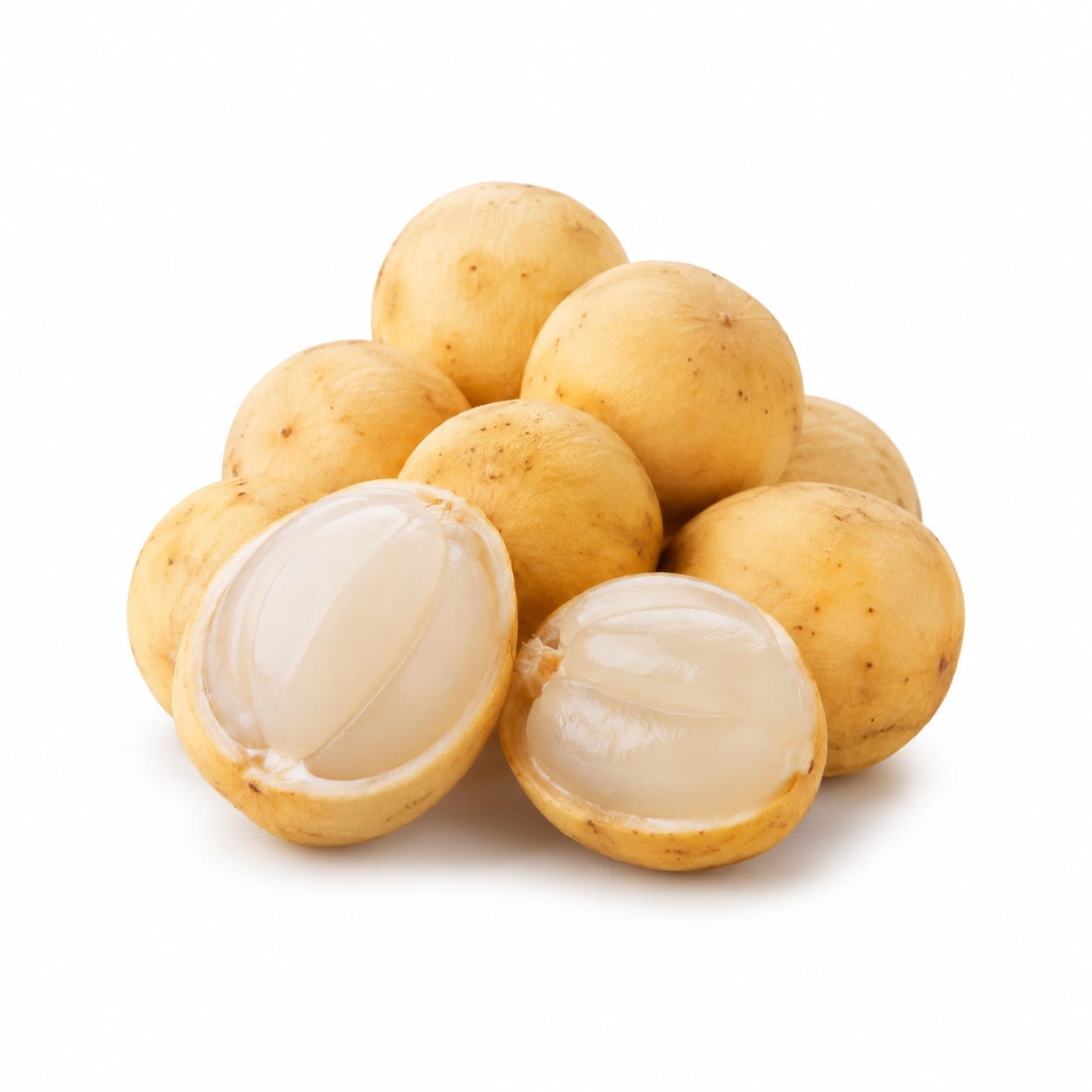
Langsat
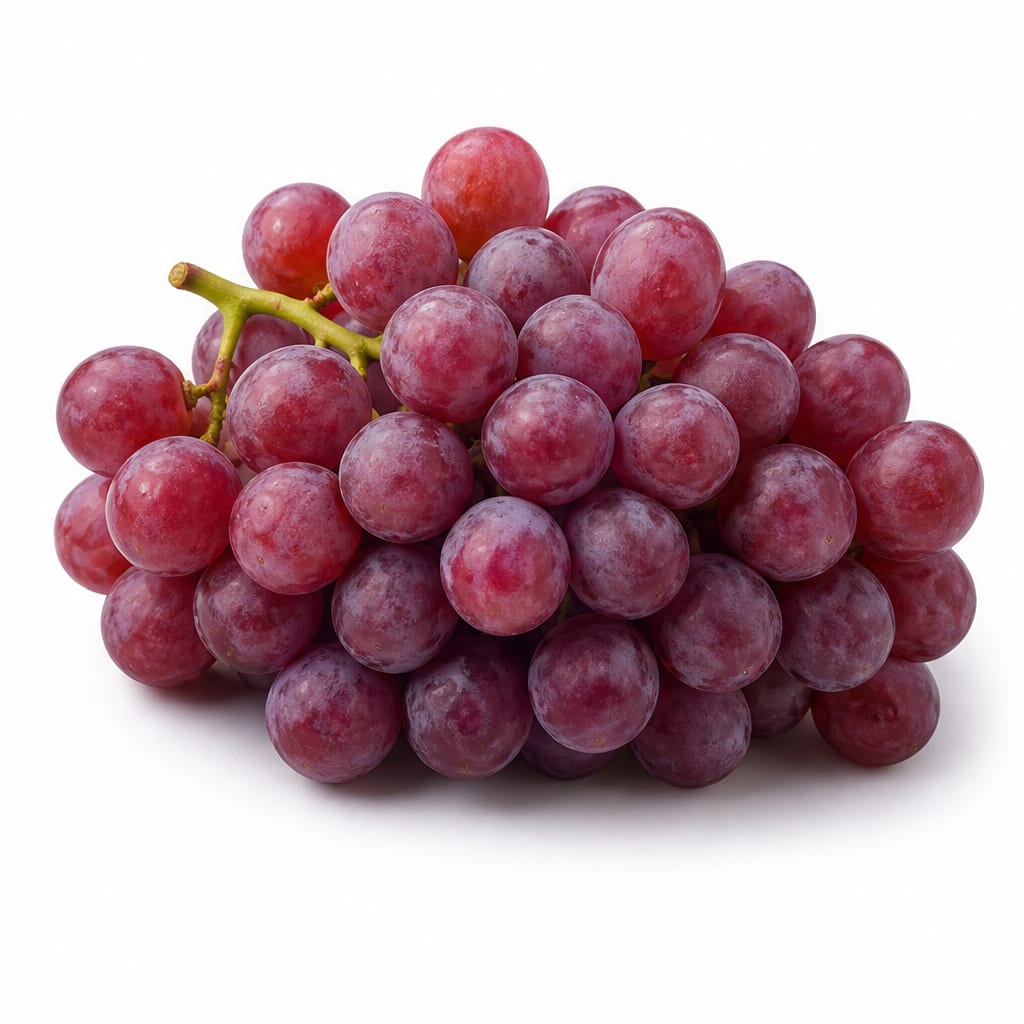
Grapes
Langsat wins on sugar control and novelty, grapes win on convenience and heart-healthy antioxidants. Your choice depends on access and priorities.
Grapes edge ahead slightly due to superior availability, stronger evidence for cardiovascular benefits, and resveratrol content. Langsat competes well on sugar and satiety but loses points for limited access and less researched health outcomes.
Grapes give you proven cardiovascular benefits and easy availability, but langsat delivers steadier energy with less sugar and a more self-limiting eating experience.
At a glance
Executive summary
Overall
It depends
Healthier
It depends
More practical
Grapes
Daily use
Grapes
Key comparison lenses
sugar and blood sugar management
Grapes are notably high in sugar compared to most fruits, while langsat offers a lower-sugar tropical alternative
availability and everyday practicality
Langsat is hard to find outside Southeast Asia, while grapes are available globally year-round
antioxidant and longevity benefits
Grapes are famous for resveratrol; langsat has lesser-known but potent antioxidants like lansic acid
snacking behavior and overeating risk
Grapes are easy to overeat due to size and sweetness; langsat's tartness and sticky latex naturally limit portions
pesticide exposure concerns
Grapes frequently appear on pesticide concern lists; langsat is typically grown with fewer chemicals due to its thick skin
Best choice for
Langsat
- People managing blood sugar who want a sweet fruit without the spike
- Tropical fruit enthusiasts seeking variety and lower pesticide exposure
- Snackers who struggle with portion control and need a food that naturally limits intake
Grapes
- People prioritizing heart health and antioxidant diversity
- Anyone needing reliable year-round fruit access at any grocery store
- Athletes or active individuals wanting quick natural energy
Least suitable for
Langsat
- People outside tropical regions where langsat is rarely available
- Anyone unfamiliar with the fruit who may find the bitter latex or sticky texture off-putting
Grapes
- People strictly limiting sugar who find it hard to stop eating sweet foods
- Those concerned about pesticide residues who cannot afford organic grapes
Deep comparison
Dimension by dimension
Each lens scores both foods and breaks down who each option suits.
- Dimension 1 · Priority 92Langsat
sugar_load_and_blood_sugar_stability
Langsat · 78Grapes · 55Langsat has meaningfully less sugar per serving and a gentler effect on blood sugar compared to grapes.
Tradeoff
Grapes provide faster energy for active moments, but that same sugar makes them risky for steady glucose control.
Why it matters
If you are watching blood sugar, the difference between 16g and 9g of sugar per 100g is not trivial — it changes how you feel an hour later.
Real-world impact
A bowl of grapes can leave you reaching for more food within 90 minutes. Langsat tends to satisfy without the crash.
Langsat
- Steady afternoon energy without the crash
- Diabetics or pre-diabetics wanting a sweet treat with less risk
- Intermittent fasters breaking a fast gently
Better for
- Situations requiring rapid energy replenishment
Worse for
Grapes
- Pre-workout fuel when you need carbs fast
- Endurance athletes mid-activity who need quick sugar
Better for
- Late-night snacking when blood sugar should stay low
- Anyone prone to sugar cravings that cascade into overeating
Worse for
- Dimension 2 · Priority 85Grapes
antioxidant_diversity_and_longevity_potential
Langsat · 65Grapes · 82Grapes, especially darker varieties, offer resveratrol and flavonoids with strong evidence for heart and brain health. Langsat has antioxidants but less clinical backing.
Tradeoff
Grapes give you well-studied compounds; langsat offers promising but under-researched antioxidants like lansic acid.
Why it matters
If you eat fruit partly for long-term disease prevention, evidence matters. Resveratrol has decades of research behind it.
Real-world impact
Regular grape consumption is linked to lower heart disease risk in large population studies. Langsat simply has not been studied at that scale.
Langsat
- Antioxidant variety from a lesser-known source that complements common fruits
Better for
- Relying on langsat alone for antioxidant coverage given limited research
Worse for
Grapes
- Heart health protection with proven polyphenols
- Brain aging defense through resveratrol
- Anti-inflammatory benefits with strong clinical support
Better for
- People who assume all grapes are equal — green grapes have far fewer antioxidants than red or purple
Worse for
- Dimension 3 · Priority 80Langsat
satiety_and_portion_control
Langsat · 76Grapes · 58Langsat naturally limits how much you eat. Its slight bitterness, sticky latex, and need to peel each piece slow you down. Grapes are dangerously easy to overconsume.
Tradeoff
Grapes are more fun and effortless to eat, but that ease works against you when portions matter.
Why it matters
Mindless snacking is one of the biggest real-world barriers to healthy eating. A food that self-regulates intake is underrated.
Real-world impact
It is easy to eat 400 calories of grapes in one sitting without noticing. Langsat makes you work for each piece, which naturally keeps portions reasonable.
Langsat
- Weight-conscious snackers who need built-in portion control
- Emotional eaters who benefit from foods that slow them down
Better for
- Quick fuel situations where peeling is impractical
Worse for
Grapes
- Kids or elderly who need easy-to-eat fruit
- Social snacking where convenience matters
Better for
- Anyone who has finished a whole bag of grapes without meaning to
Worse for
- Dimension 4 · Priority 88Grapes
availability_and_everyday_practicality
Langsat · 30Grapes · 95Grapes are available everywhere, year-round. Langsat is seasonal and mostly found in Southeast Asia or specialty markets.
Tradeoff
Langsat may be the healthier choice on paper, but you cannot eat it if you cannot find it.
Why it matters
The best food for you is the one you can actually access and eat consistently. Nutrition only works when it is sustainable.
Real-world impact
Most people reading this will have grapes in their fridge right now. Langsat requires a trip to a specialty store or a flight to Malaysia.
Langsat
- Travelers or residents in Southeast Asia during langsat season
- Adventurous eaters who enjoy seeking out rare fruits
Better for
- Building a daily fruit habit around langsat outside its native region
Worse for
Grapes
- Anyone shopping at a standard grocery store
- Meal preppers who need reliable weekly access
- Families who need affordable, consistent fruit options
Better for
- Situations where variety matters more than convenience
Worse for
- Dimension 5 · Priority 75Langsat
pesticide_and_contamination_risk
Langsat · 82Grapes · 52Conventional grapes are consistently flagged for high pesticide residues. Langsat's thick skin and typical growing conditions mean lower exposure.
Tradeoff
Grapes are safe when organic, but that costs more. Langsat rarely needs organic certification because its skin provides natural protection.
Why it matters
Pesticide exposure adds up over years. If grapes are a daily staple, going organic is worth the cost.
Real-world impact
Grapes appear on the EWG Dirty Dozen list almost every year. Washing helps but does not remove all residues.
Langsat
- Budget-conscious shoppers who want low-pesticide fruit without paying organic prices
- Parents feeding fruit to young children with developing systems
Better for
- Imported langsat may have unknown spraying practices depending on country of origin
Worse for
Grapes
- Anyone buying organic grapes, which eliminates most concern
Better for
- Daily consumption of conventional grapes as a primary fruit source
Worse for
Timeline
Health impact over time
Short-term
Hours to days
Langsat
- Mild digestive stimulation from fiber and natural acids
- Satisfying sweetness without the sugar rush
- Possible slight bitterness that reduces overeating
Grapes
- Quick blood sugar lift within 15-30 minutes
- Hydration boost from high water content
- Easy to overeat, leading to a sugar crash within an hour if portions are large
Long-term
Months to years
Langsat
- Potential anti-parasitic and antimicrobial benefits from traditional medicinal compounds
- Lower cumulative sugar exposure if eaten regularly instead of sweeter fruits
- Antioxidant benefits likely but not well quantified in long-term studies
Grapes
- Reduced cardiovascular risk with regular consumption of red and purple varieties
- Better vascular function from consistent polyphenol intake
- Higher lifetime sugar load if grapes replace lower-sugar fruits daily
Risk profile
Safety & processing
Both fruits are eaten whole and unprocessed in their natural state. Neither typically contains added ingredients. The main concern is agricultural chemicals on grapes rather than processing.
Langsat
Sticky latex irritation
lowThe latex when peeling langsat can stick to lips and fingers. Some people find it mildly irritating, but it is harmless.
Seed choking hazard
lowLangsat contains bitter seeds that should not be eaten. Small children should be supervised.
Unfamiliar import regulations
mediumIf buying langsat outside its native region, pesticide and handling standards may be unclear depending on the source country.
Grapes
Pesticide residue exposure
mediumGrapes are among the most pesticide-contaminated fruits when grown conventionally. Washing reduces but does not eliminate residues.
Choking hazard for young children
mediumWhole grapes are a leading choking hazard for children under 4. Always cut them lengthwise before serving.
Mold and spoilage
lowGrapes spoil quickly and can develop mold within days. Damaged grapes should be discarded immediately.
Who wins for whom
Audience fit
Same foods, different winners depending on your goal.
children
GrapesGrapes are sweet, familiar, and kid-friendly — but must be cut for safety. Langsat's bitterness and seeds make it less appealing to most children.
daily consumption
GrapesGrapes win on consistency and access. You can eat them every day anywhere in the world. Langsat is great when available but not reliable enough for a daily habit for most people.
diabetes
LangsatSignificantly less sugar per serving and a gentler glycemic impact make langsat the safer choice for blood sugar management.
elderly
GrapesGrapes are soft, easy to chew, and provide hydration and cardiovascular benefits relevant to aging. Langsat's texture and availability are less convenient.
muscle gain
GrapesGrapes provide faster-digesting carbs that can support glycogen replenishment after training, though neither fruit is a muscle-building staple.
weight loss
LangsatLower sugar, higher satiety per calorie, and built-in portion control make langsat more weight-loss friendly despite both being low-calorie fruits.
Your move
Decision guide
Choose Langsat
- You live in or visit Southeast Asia during langsat season
- Blood sugar control is a top priority for you
- You tend to overeat sweet fruits and need something self-limiting
- You want to diversify your fruit intake beyond common options
- Pesticide exposure concerns you and organic produce is not in your budget
Choose Grapes
- You want a heart-healthy fruit with strong evidence behind it
- Convenience and year-round availability matter most
- You need quick pre- or post-workout carbs
- You are feeding a family that prefers familiar, sweet fruit
- You can afford organic grapes and want a reliable daily fruit
Either works if
- You simply want a whole-food snack instead of processed options
- Hydration from fruit is your goal on a hot day
- You are building a fruit rotation and both are available
Avoid both if
- You are on a strict very-low-carb or ketogenic diet
- You have a fructose intolerance or malabsorption issue
- You need a high-protein snack — neither fruit provides meaningful protein
Final recommendation
Eat grapes as your everyday fruit for convenience and heart health, choosing organic when possible. When langsat is available, enjoy it as a lower-sugar alternative that naturally keeps portions in check. The best approach is rotation — grapes for consistency, langsat for variety and sugar control when you can find it.
Practical
Consumer tips
- 1
If buying conventional grapes, wash them thoroughly with a baking soda soak to reduce surface pesticide residues.
- 2
Choose red or purple grapes over green for significantly more antioxidants and resveratrol.
- 3
When you find fresh langsat, look for clusters with pale, unblemished skin and no dark spots — those are the freshest.
- 4
Freeze grapes for a refreshing summer snack that also slows down eating speed.
- 5
If langsat is unavailable, consider longan or rambutan as similar tropical alternatives with comparable sugar profiles.