
Nutrition comparison
Langsat vs Duku: Which Tropical Fruit Should You Pick?
Langsat and Duku are closely related Southeast Asian fruits with key differences in sweetness, ease of eating, and price. Learn which one fits your taste and health goals better.
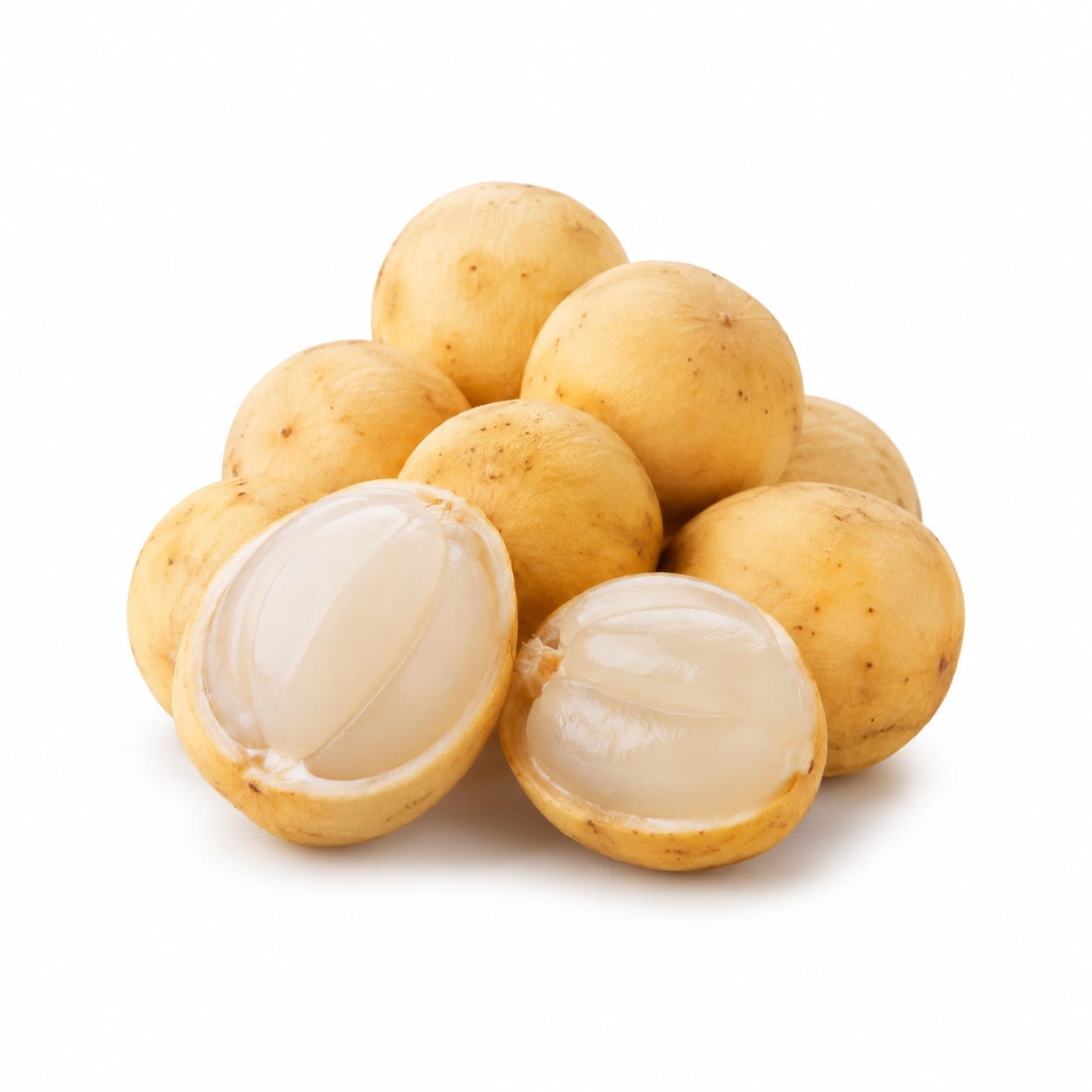
Langsat
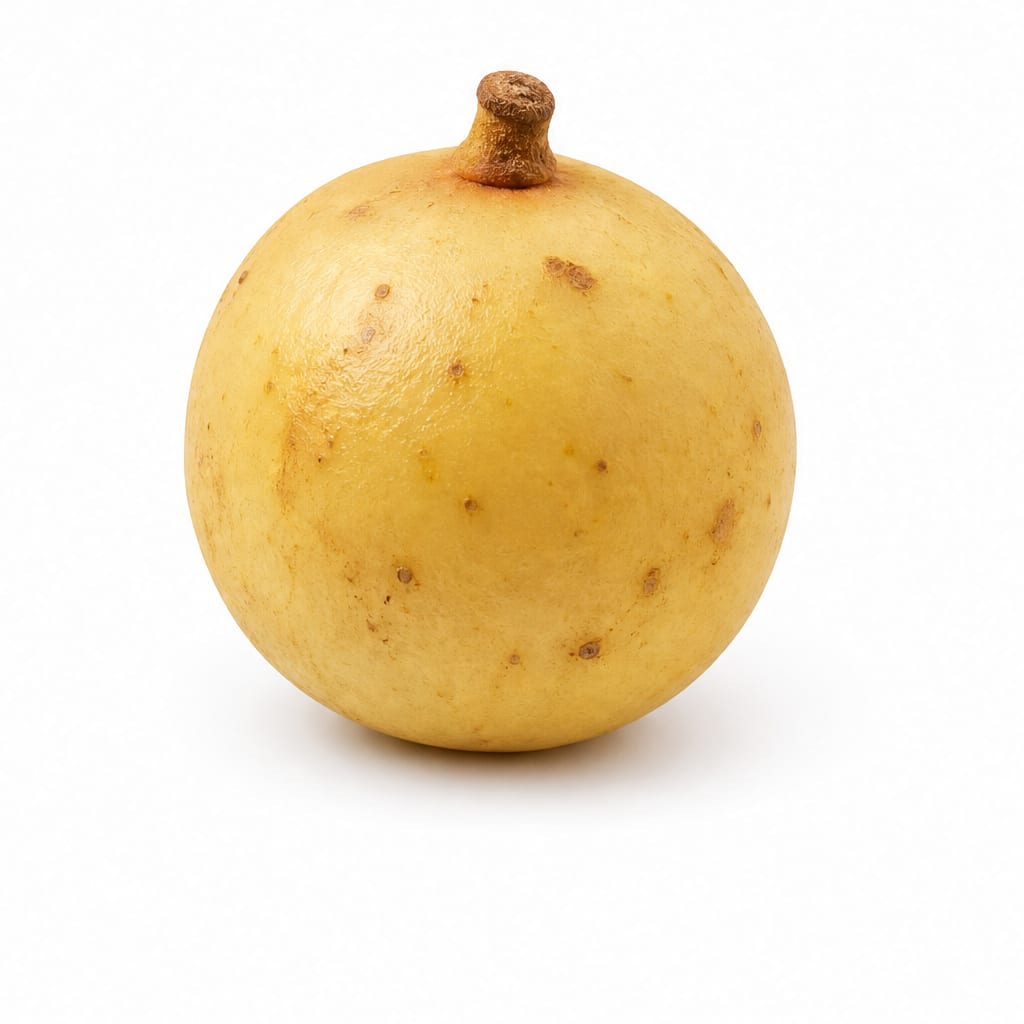
Duku
These are sibling fruits with nearly identical nutrition — your pick comes down to whether you prefer tangy or sweet, and how much you hate sticky fingers.
Duku edges ahead mainly on eating experience and broader appeal, but the nutritional gap is negligible. Langsat's lower sugar and lower cost keep it competitive, especially for daily snacking by those who enjoy tartness.
Duku gives you sweeter, cleaner eating but costs more and carries slightly more sugar; Langsat offers a zippier flavor and better value but fights back with latex sap and tartness.
At a glance
Executive summary
Overall
It depends
Healthier
It depends
More practical
Duku
Daily use
Langsat
Key comparison lenses
sweetness vs tartness preference
The most noticeable difference between these two closely related fruits is flavor balance — Duku is sweeter and milder, Langsat is tangier and more acidic
ease of eating and messiness
Langsat has thinner skin and releases latex sap when peeled, making Duku noticeably cleaner and easier to eat
sugar and calorie consciousness
Duku's higher sweetness comes with slightly more sugar, which matters for those watching intake
digestive tolerance
Both fruits can cause mild digestive discomfort in sensitive people, but Langsat's higher acidity may irritate more
value and availability
Langsat is generally cheaper and more widely available, while Duku is considered a premium seasonal fruit
Best choice for
Langsat
- People who enjoy tart, complex flavors over plain sweetness
- Budget-conscious shoppers wanting tropical fruit variety
- Those watching sugar intake who prefer less sweet fruit
Duku
- Snackers who want a clean, no-mess eating experience
- Anyone serving fruit to children or guests — sweeter and easier to peel
- People who find acidic fruit uncomfortable on the stomach
Least suitable for
Langsat
- Anyone bothered by sticky latex or messy peeling
- People with acid sensitivity or GERD flare-ups
- Those who strongly dislike tart flavors
Duku
- Strict sugar minimizers who want the lowest-sugar tropical option
- Budget-limited households during peak season
- People who find very sweet fruit cloying without any tart balance
Deep comparison
Dimension by dimension
Each lens scores both foods and breaks down who each option suits.
- Dimension 1 · Priority 90Duku
flavor_and_eating_enjoyment
Langsat · 65Duku · 82Duku is sweeter, rounder in flavor, and lacks the bitter latex note that sometimes clings to Langsat.
Tradeoff
Langsat's tartness is more interesting to some palates, but Duku's crowd-pleasing sweetness wins broader appeal.
Why it matters
Enjoyment determines whether you actually keep eating fruit or abandon it for junk food.
Real-world impact
At a gathering, Duku disappears faster. For personal snacking, Langsat satisfies a sour craving that Duku cannot.
Langsat
- Adventurous eaters who crave tang
- People who find sweet fruit boring
Better for
- Those sensitive to bitterness or latex taste
Worse for
Duku
- Kids and picky eaters
- Anyone wanting an easy, pleasant snack
Better for
- People who find overly sweet fruit unrefreshing
Worse for
- Dimension 2 · Priority 85Duku
ease_of_consumption_and_mess
Langsat · 45Duku · 80Duku has thicker skin that peels cleanly without latex. Langsat's thin skin oozes sticky sap that clings to fingers.
Tradeoff
Langsat's thinner skin means slightly more edible flesh per gram, but the messy peeling experience negates that advantage for most people.
Why it matters
Fruit that fights back gets eaten less often. Convenience drives real-world consumption habits.
Real-world impact
Peeling Langsat at your desk or in the car is a sticky regret. Duku peels like a dream by comparison.
Langsat
- Home snacking where washing hands is easy
Better for
- Anyone who hates sticky fingers
- Eating in professional or social settings
Worse for
Duku
- On-the-go snacking
- Serving at parties or to guests
- Packing in lunchboxes
Better for
- No real downside here — Duku is simply easier
Worse for
- Dimension 3 · Priority 78Langsat
sugar_and_calorie_profile
Langsat · 74Duku · 66Both are low-calorie fruits, but Langsat's tartness reflects modestly lower sugar content per serving.
Tradeoff
Langsat's sugar advantage is small — roughly 1-2 grams less per 100g — but meaningful for strict sugar watchers.
Why it matters
Even small sugar differences add up when fruit is a daily habit.
Real-world impact
For someone eating tropical fruit daily, Langsat's slightly lower sugar is a quiet win over months.
Langsat
- Low-sugar dieters
- People managing blood sugar closely
Better for
- Not a meaningful concern — both are reasonable
Worse for
Duku
- Active people who need quick natural energy
- Those who prioritize taste over marginal sugar savings
Better for
- Strict keto or very low-carb eaters may prefer Langsat
Worse for
- Dimension 4 · Priority 72Duku
digestive_tolerance
Langsat · 58Duku · 70Langsat's higher acidity and latex compounds can irritate sensitive stomachs. Duku is gentler on the gut.
Tradeoff
Both fruits are fine in moderation, but Langsat demands more caution if you have acid sensitivity.
Why it matters
A fruit that causes discomfort won't become a habit, no matter how nutritious.
Real-world impact
Eating Langsat on an empty stomach can cause a burning sensation for some. Duku is less likely to trigger that.
Langsat
- People with robust digestion who enjoy acidic fruit
Better for
- Anyone prone to heartburn or stomach upset from tart fruit
Worse for
Duku
- Those with GERD, acid reflux, or sensitive stomachs
- Elderly individuals with delicate digestion
Better for
- No significant digestive downside
Worse for
- Dimension 5 · Priority 60It depends
nutritional_density
Langsat · 66Duku · 64Nutritionally these fruits are nearly twins — similar fiber, vitamin C, and mineral content. Any difference is marginal.
Tradeoff
Langsat may have marginally more fiber and vitamin C per gram, but the gap is too small to drive a real decision.
Why it matters
When nutrition is basically tied, flavor and convenience should decide.
Real-world impact
Neither fruit is a nutritional powerhouse. Both are pleasant, low-calorie snacks with modest vitamin C and fiber.
Langsat
- Those squeezing every last gram of fiber from their fruit
Better for
- Not a significant source of any single nutrient
Worse for
Duku
- No meaningful nutritional advantage over Langsat
Better for
- Same limitation — both are light snacks, not nutrient bombs
Worse for
- Dimension 6 · Priority 65Langsat
value_and_accessibility
Langsat · 78Duku · 55Langsat is generally cheaper and more abundant in markets. Duku commands a premium price and can be harder to find.
Tradeoff
Duku's premium status reflects its desirability, but Langsat delivers similar nutrition at a lower cost per serving.
Why it matters
Affordable fruit gets eaten regularly. Expensive fruit becomes an occasional treat.
Real-world impact
A family buying fruit weekly will stretch their budget further with Langsat without sacrificing much nutritionally.
Langsat
- Regular daily fruit buyers on a budget
- Anyone outside Southeast Asia who finds Duku rarely stocked
Better for
- No real downside beyond less premium appeal
Worse for
Duku
- Special occasions where premium fruit is worth the splurge
Better for
- Cost-conscious shoppers who need weekly fruit, not luxury fruit
Worse for
Timeline
Health impact over time
Short-term
Hours to days
Langsat
- Quick hydration from high water content
- Tart flavor can stimulate appetite and saliva production
- Latex sap may cause mild lip or tongue tingling in sensitive individuals
- Possible stomach warmth or irritation if eaten on an empty stomach
Duku
- Gentle blood sugar rise providing short-term energy
- Soothing, sweet flavor feels comforting and satisfying
- Very low risk of digestive irritation for most people
- Easy to eat several pieces quickly due to pleasant sweetness
Long-term
Months to years
Langsat
- Modest vitamin C intake supporting immune function over time
- Fiber contribution helps with regularity when eaten as part of a varied diet
- Lower sugar load is slightly favorable for metabolic health with daily consumption
- Latex compounds are traditionally believed to have mild antiparasitic properties
Duku
- Similar vitamin C and fiber benefits as Langsat with daily consumption
- Slightly higher sugar intake is negligible for most but relevant for very frequent eaters
- Gentle digestion makes it more sustainable as a daily fruit for sensitive individuals
- Traditional use in Southeast Asian folk medicine for mild fever and digestive support
Risk profile
Safety & processing
Both Langsat and Duku are whole, fresh, unprocessed fruits eaten as nature intended. No additives, no preservatives, no concerns. This is as clean as food gets.
Langsat
Latex sap skin irritation
lowThe sticky sap can cause mild contact dermatitis or lip tingling in sensitive people. Wash hands after peeling.
Pesticide residue on skin
lowAs with any tree fruit, conventional farming may use pesticides. Washing before peeling is sensible.
Seed choking hazard
mediumLangsat contains bitter seeds that should not be swallowed, especially by children. Supervise young eaters.
Duku
Seed choking hazard
mediumLike Langsat, Duku has seeds that are bitter and should be discarded. Not suitable for unsupervised toddlers.
Pesticide residue on skin
lowSame consideration as Langsat — wash before handling. Thick skin provides more barrier than Langsat's thin skin.
Overconsumption due to sweetness
lowDuku's pleasant taste makes it easy to eat many pieces rapidly, slightly increasing sugar intake before you notice.
Who wins for whom
Audience fit
Same foods, different winners depending on your goal.
children
DukuDuku is sweeter, easier to peel, and less likely to cause stomach upset — all advantages for young eaters. Just watch the seeds.
daily consumption
LangsatLangsat's lower sugar and cost make it more sustainable as a daily habit, assuming you tolerate the tartness and mess.
diabetes
LangsatLangsat's lower sugar and higher acidity mean a slightly gentler blood sugar response, though both should be eaten in moderation.
elderly
DukuGentler on digestion, no sticky latex to struggle with, and softer sweetness makes Duku more appropriate for aging stomachs and hands.
muscle gain
It dependsNeither fruit is relevant for muscle gain — both lack meaningful protein. Choose based on taste preference as a light carb source.
weight loss
LangsatLangsat's tartness naturally limits overeating, and slightly lower sugar per serving gives a marginal edge for calorie-conscious snacking.
Your move
Decision guide
Choose Langsat
- You love tart, complex flavors and find sweet fruit boring
- You eat fruit daily and want the lowest sugar option
- You are budget-conscious and want the best value tropical snack
- You do not mind sticky fingers or washing hands after peeling
Choose Duku
- You want a clean, pleasant, no-fuss snacking experience
- You are serving fruit to kids, guests, or anyone who prefers sweet over sour
- You have acid sensitivity or a delicate stomach
- You are willing to pay more for a premium eating experience
Either works if
- You just want a refreshing low-calorie tropical fruit and both are available
- You enjoy variety and can alternate between tart and sweet
- Your main goal is hydration and light snacking, not nutritional optimization
Avoid both if
- You have a known allergy to Meliaceae family fruits
- You are strictly limiting all fruit sugar for ketogenic or very low-carb protocols
- You cannot access fresh tropical fruit and only find canned versions in heavy syrup
Final recommendation
If this is your first time trying either, start with Duku — it is the friendlier introduction. If you already know and love the tart side of tropical fruit, Langsat rewards you with more character per bite and a slightly better nutritional profile for daily eating. Neither will transform your health, but both are wholesome, enjoyable ways to eat more fresh fruit.
Practical
Consumer tips
- 1
Peel Langsat under running water or with oiled fingers to reduce latex stickiness
- 2
Choose Duku with slightly yellowish skin for peak sweetness — green-tinged fruit may be underripe
- 3
Refrigerate both fruits after purchase; they spoil quickly at room temperature within 2-3 days
- 4
Always discard the bitter seeds — they are not edible and can cause stomach upset if swallowed
- 5
If buying at a market, ask to taste one first — sweetness varies significantly by batch and harvest timing
- 6
Avoid fruit with dark spots or oozing skin, which indicates overripeness or damage
- 7
Both fruits pair well with a small handful of nuts for a more balanced snack with protein and healthy fat