
Nutrition comparison
King Crab vs Tuna: Nutrition, Mercury Safety, and Which to Choose
Compare King Crab and Tuna on protein, omega-3s, mercury risk, sodium, and cost. Find out which seafood is better for weight loss, pregnancy, and daily meals.
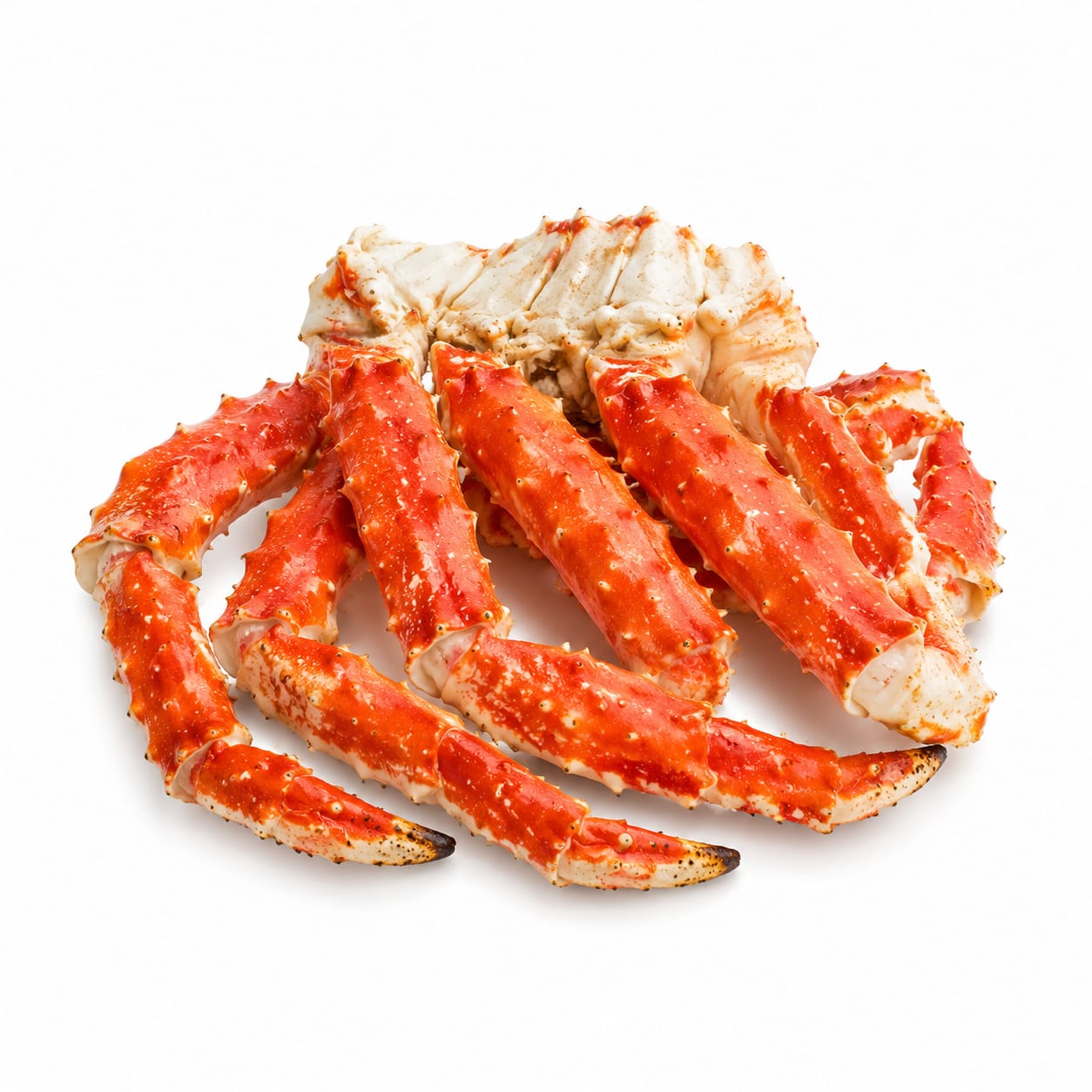
King Crab
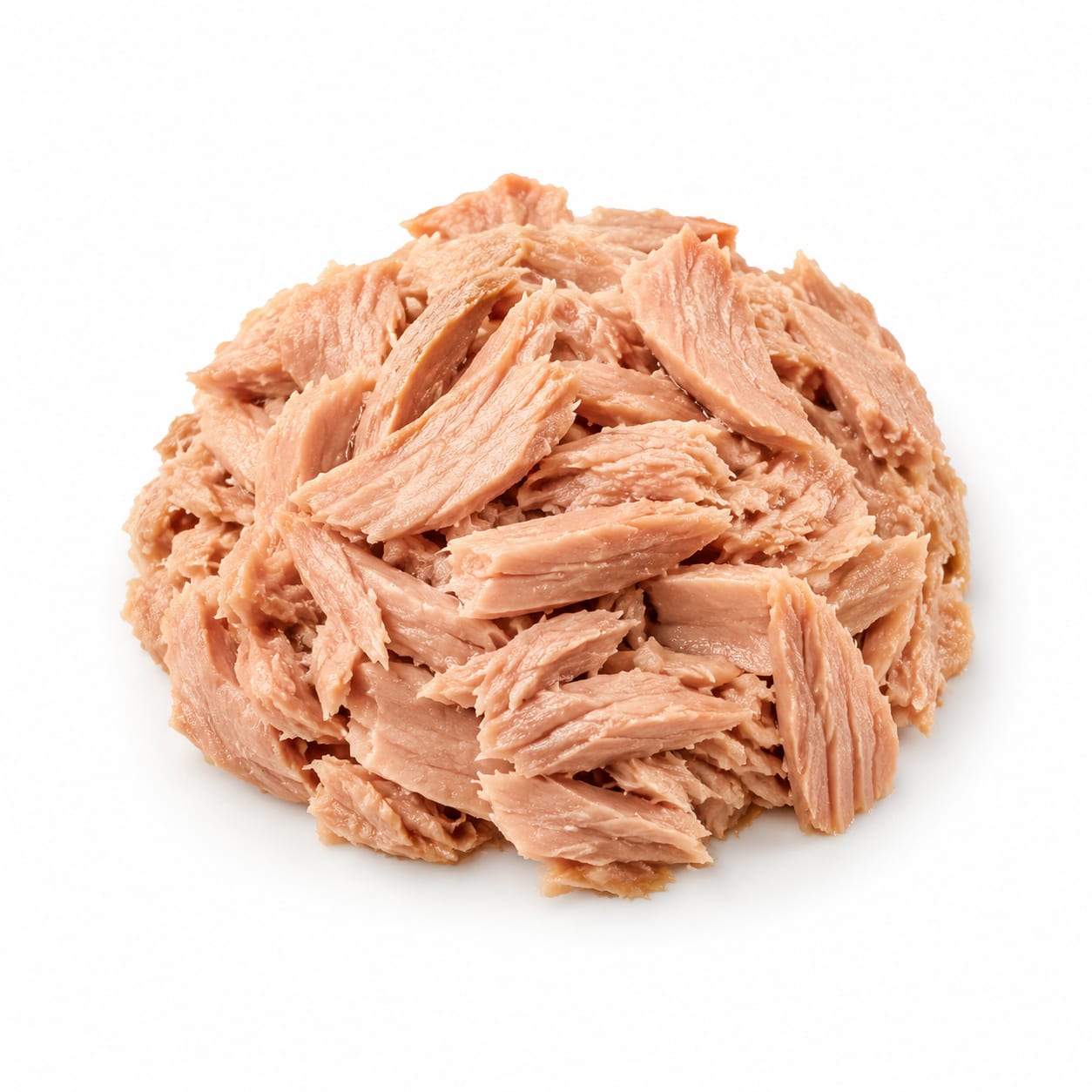
Tuna
Tuna wins for daily nutrition and affordability; King Crab wins for special-occasion indulgence with lower mercury risk
Tuna scores higher due to superior protein density, omega-3 content, and everyday practicality. King Crab remains valuable for lower mercury exposure and mineral richness, but its high cost and sodium load limit regular utility.
Tuna delivers more protein and omega-3s per dollar and per calorie, but carries higher mercury risk. King Crab is safer on mercury but costs far more and packs more sodium.
At a glance
Executive summary
Overall
It depends
Healthier
Tuna
More practical
Tuna
Daily use
Tuna
Key comparison lenses
mercury and heavy metal safety
Tuna carries well-documented mercury risks that significantly affect consumption frequency decisions, while King Crab generally has lower mercury but other contamination concerns
protein value and leanness
Both are premium protein sources but differ dramatically in protein-to-calorie ratio, making this central for fitness and weight management decisions
omega-3 fatty acid intake
Tuna is a major omega-3 source while King Crab provides less, creating a meaningful heart health tradeoff
affordability and everyday practicality
King Crab is a luxury food at luxury prices, while canned tuna is one of the cheapest proteins available
sodium and blood pressure impact
King Crab is naturally high in sodium and often higher when prepared, while fresh tuna is very low sodium
Best choice for
King Crab
- Pregnant women wanting seafood with lower mercury
- Special occasions and celebratory meals
- People seeking zinc and copper mineral boost
- Those who find tuna's taste or texture unappealing
- Low-mercury seafood rotation strategies
Tuna
- Budget-conscious meal preppers
- Athletes needing lean, high-protein fuel
- Heart health-focused eaters wanting omega-3s
- People tracking calories tightly
- Anyone needing quick, accessible protein multiple times per week
Least suitable for
King Crab
- Sodium-sensitive individuals or those with hypertension
- Budget-limited households
- Anyone needing high protein per calorie
- Daily or frequent consumption patterns
Tuna
- Pregnant women (especially albacore or bigeye varieties)
- Children due to mercury accumulation risk
- People eating seafood daily who need to diversify mercury exposure
- Those with gout flares triggered by purines
Deep comparison
Dimension by dimension
Each lens scores both foods and breaks down who each option suits.
- Dimension 1 · Priority 92Tuna
Protein Density and Quality
King Crab · 60Tuna · 92Tuna is one of the leanest, most protein-dense foods available. King Crab provides decent protein but comes with more calories per gram of protein.
Tradeoff
King Crab offers a richer eating experience with more fat and flavor, but Tuna delivers nearly double the protein per calorie.
Why it matters
If you are tracking macros or trying to hit protein goals without excess calories, Tuna makes it far easier.
Real-world impact
A can of tuna gets you roughly 20g protein for under 100 calories. The same protein from King Crab costs more calories and significantly more money.
King Crab
- Meals where satisfaction and flavor matter more than macro precision
- Dinners where protein is supplemented by other lean sources
Better for
- Bodybuilding competition prep requiring precise macro control
- High-protein low-calorie diet plans
Worse for
Tuna
- Post-workout meals needing fast lean protein
- Cutting phases where every calorie must earn its protein
- Meal prep containers needing shelf-stable protein
Better for
- People who find lean protein unsatisfying and end up overeating later
Worse for
- Dimension 2 · Priority 95King Crab
Mercury and Contamination Safety
King Crab · 82Tuna · 48King Crab generally carries lower mercury than most tuna species, making it the safer choice for frequent seafood eaters and vulnerable populations.
Tradeoff
Choosing King Crab for safety means sacrificing omega-3 benefits and paying a premium. Choosing Tuna for nutrition means accepting cumulative mercury exposure.
Why it matters
Mercury accumulates over time and affects neurological health. This is the single most important safety distinction between these two foods.
Real-world impact
A pregnant woman can eat King Crab more freely than tuna, which most guidelines limit to 2-3 servings per week depending on the species.
King Crab
- Pregnant and breastfeeding women
- Children developing neurological systems
- People who eat seafood 4+ times per week
- Anyone concerned about long-term heavy metal accumulation
Better for
- Those who assume all shellfish are high-mercury and avoid it unnecessarily
Worse for
Tuna
- Healthy adults eating seafood only 1-2 times per week
- People whose overall diet is low in fish anyway
Better for
- Daily tuna eaters accumulating mercury without realizing it
- Children given tuna sandwiches frequently as a cheap lunch
Worse for
- Dimension 3 · Priority 82Tuna
Omega-3 Fatty Acids
King Crab · 45Tuna · 85Tuna, especially fresh or frozen varieties, provides substantially more EPA and DHA omega-3s than King Crab, supporting heart and brain health.
Tradeoff
The omega-3 advantage of Tuna comes with the mercury tradeoff. King Crab offers safer seafood but weaker anti-inflammatory benefits.
Why it matters
Omega-3s are one of the main reasons health experts recommend eating seafood. This is a meaningful nutritional gap.
Real-world impact
Two servings of fresh tuna per week can meaningfully improve your omega-3 status. You would need far more King Crab to achieve the same effect.
King Crab
- People already taking fish oil supplements who want seafood for enjoyment
- Those getting omega-3s from other sources like salmon or sardines
Better for
- Anyone relying on King Crab as their primary omega-3 seafood source
Worse for
Tuna
- Heart health-conscious eaters without other omega-3 sources
- People wanting food-based anti-inflammatory benefits
- Those who do not take fish oil supplements
Better for
- People who eat high-mercury tuna varieties thinking all omega-3 sources are equal
Worse for
- Dimension 4 · Priority 75Tuna
Sodium Load
King Crab · 35Tuna · 80Fresh tuna is naturally very low in sodium. King Crab is naturally higher in sodium and often prepared with added salt, butter, or seasoning.
Tradeoff
King Crab's signature sweet-briny flavor comes partly from its sodium content. Tuna's mildness means it starts with a blank sodium slate.
Why it matters
For the roughly one-third of adults with hypertension, sodium is a daily concern that compounds over time.
Real-world impact
A King Crab dinner can easily deliver 800-1200mg of sodium before you even add butter or seasoning. Fresh tuna starts under 50mg per serving.
King Crab
- Active athletes who lose sodium through sweat and need replenishment
- People on very low-sodium diets who tolerate occasional higher-sodium meals
Better for
- Salt-sensitive individuals who experience water retention
- People eating King Crab in restaurants where sodium control is impossible
Worse for
Tuna
- Anyone monitoring blood pressure
- Heart failure patients on sodium restrictions
- People who salt their food heavily and need a low-sodium base
Better for
- Canned tuna eaters who do not realize some varieties pack 300-400mg sodium per can
Worse for
- Dimension 5 · Priority 70King Crab
Mineral Density
King Crab · 88Tuna · 65King Crab is exceptionally rich in zinc, copper, and vitamin B12, offering a broader mineral profile than Tuna per serving.
Tradeoff
Tuna provides more selenium and vitamin D, but King Crab delivers minerals many people are deficient in, especially zinc and copper.
Why it matters
Zinc supports immunity and wound healing. Copper aids iron absorption and energy production. These are common subtle deficiencies.
Real-world impact
A single King Crab leg can provide over 100% of daily zinc needs. Tuna is good but not exceptional for these specific minerals.
King Crab
- People recovering from illness needing immune support
- Those with known zinc deficiency
- Anyone wanting to diversify mineral intake beyond typical seafood
Better for
- People with Wilson's disease or copper metabolism disorders
Worse for
Tuna
- People specifically seeking selenium for thyroid support
- Those needing vitamin D from food sources
Better for
- Those relying solely on tuna for broad mineral coverage
Worse for
- Dimension 6 · Priority 80Tuna
Affordability and Accessibility
King Crab · 20Tuna · 90Canned tuna is one of the most affordable proteins on the planet. King Crab is a luxury ingredient that most people reserve for special occasions.
Tradeoff
Tuna makes lean protein accessible to nearly any budget. King Crab's price means most people cannot eat it regularly even if they wanted to.
Why it matters
Nutrition only works if you can afford it and actually eat it. Cost determines real-world dietary patterns more than any nutrient profile.
Real-world impact
A week's worth of tuna lunches costs roughly the same as a single serving of King Crab. This fundamentally changes how each food fits into daily life.
King Crab
- Celebratory meals where cost is secondary to experience
- People with high food budgets who rotate premium proteins
Better for
- Anyone trying to eat seafood 3+ times per week on a normal grocery budget
Worse for
Tuna
- Students and young adults on tight budgets
- Families needing affordable protein for multiple people
- Anyone meal prepping on a per-serving cost basis
Better for
- People who associate cheap food with low quality and avoid it
Worse for
Timeline
Health impact over time
Short-term
Hours to days
King Crab
- Higher sodium may cause temporary water retention or bloating
- Rich, satisfying meal that reduces desire to snack afterward
- Potential mild digestive discomfort if consumed with large amounts of butter
Tuna
- Lean protein provides sustained energy without heaviness
- Quick satiety from high protein density with minimal calories
- Canned varieties may cause mild thirst from sodium content
Long-term
Months to years
King Crab
- Lower mercury accumulation risk compared to most tuna species
- Zinc and copper support sustained immune function over time
- High sodium intake from frequent consumption could elevate blood pressure
- Cholesterol content is moderate but worth monitoring if eaten often
Tuna
- Regular omega-3 intake supports cardiovascular and cognitive health
- Mercury accumulation is a real concern with frequent consumption, especially albacore
- Excellent lean protein source supports muscle maintenance with aging
- Selenium provides long-term thyroid and antioxidant protection
Risk profile
Safety & processing
Both foods are naturally minimally processed in their fresh or frozen forms. However, canned tuna often contains added sodium, and some varieties include vegetable broth or pyrophosphate preservatives. King Crab is sometimes sold pre-cooked and frozen with sodium-based brines. Fresh or frozen versions of both are the cleanest options.
King Crab
Sodium overconsumption
mediumNaturally high sodium compounded by preparation methods. A single meal can approach or exceed daily recommended limits for sensitive individuals.
Shellfish allergen exposure
highKing Crab is a crustacean shellfish, one of the top eight allergens. Reactions can be severe and life-threatening for allergic individuals.
Foodborne illness from improper handling
mediumLike all seafood, King Crab requires proper refrigeration and handling. Pre-cooked varieties are safer but can still harbor bacteria if temperature-abused.
Tuna
Mercury exposure
highAlbacore and bigeye tuna contain significantly more mercury than light canned tuna or King Crab. Regular consumption accumulates mercury that affects neurological health, especially in developing fetuses and children.
Scombroid poisoning
mediumImproperly refrigerated fresh tuna can develop histamine levels that cause scombroid poisoning, with symptoms resembling allergic reactions including flushing, headache, and digestive distress.
BPA exposure from canned varieties
lowSome canned tuna linings contain BPA, though many brands have transitioned to BPA-free alternatives. Cumulative exposure from multiple canned goods is the broader concern.
Who wins for whom
Audience fit
Same foods, different winners depending on your goal.
children
King CrabLower mercury content makes King Crab safer for developing neurological systems. Children should limit tuna intake, especially albacore varieties, due to mercury accumulation concerns.
daily consumption
TunaCanned light tuna in moderation is affordable and practical for daily rotation. King Crab's cost and sodium load make it unsuitable as a daily protein source for most people.
diabetes
TunaBoth are essentially zero-carb foods, but Tuna's lower calorie density and higher protein content support better blood sugar stability and weight management, which is critical for diabetes.
elderly
It dependsTuna supports heart and brain health through omega-3s, but mercury sensitivity increases with age. King Crab provides immune-supporting zinc with lower mercury. Rotating both strategically is ideal.
muscle gain
TunaTuna's superior protein density and leanness make it easier to hit high protein targets without excess calories. King Crab works but is less efficient per serving.
weight loss
TunaTuna provides far more protein per calorie, keeping you full on fewer calories. King Crab's higher calorie density and typical butter-laden preparation make portion control harder.
Your move
Decision guide
Choose King Crab
- You are pregnant or breastfeeding and want safer seafood with lower mercury
- You want a special-occasion meal that feels luxurious and satisfying
- You are specifically boosting zinc or copper intake for immune support
- You eat tuna frequently and need a lower-mercury seafood to rotate in
- You have no sodium concerns and want a rich, celebratory protein
Choose Tuna
- You need affordable, lean protein for meal prep or daily lunches
- Heart health is a priority and you want food-based omega-3s
- You are tracking calories and need maximum protein per calorie
- You eat seafood only 1-2 times per week and mercury accumulation is less concerning
- You want versatile protein that works in sandwiches, salads, and cooked dishes
Either works if
- You simply want high-quality complete protein from seafood
- You are following a low-carb or ketogenic eating pattern
- You are rotating seafood varieties to balance nutrient and contamination profiles
Avoid both if
- You have gout and are sensitive to purine-rich foods
- You have a seafood or shellfish allergy
- You are on a strict sodium restriction and cannot accommodate either food's sodium profile
Final recommendation
Make Tuna your everyday seafood protein for its leanness, omega-3s, and affordability, but choose light canned varieties over albacore to manage mercury. Save King Crab for occasions where the experience matters more than the nutrition label, and enjoy it knowing you are getting exceptional minerals with lower mercury risk. The smartest approach is rotating both: Tuna most weeks, King Crab as a deliberate lower-mercury break that still feels like a treat.
Practical
Consumer tips
- 1
Choose light canned tuna over albacore to cut mercury exposure roughly by half
- 2
Rinse canned tuna briefly to reduce sodium by up to 25%
- 3
Limit albacore tuna to 2 servings per week maximum if you are a healthy adult, and avoid it entirely if pregnant
- 4
Buy King Crab legs frozen and unthawed yourself rather than pre-thawed at the counter for better quality and safety
- 5
When eating King Crab, go easy on drawn butter to avoid turning a reasonable meal into a calorie bomb
- 6
Check canned tuna labels for BPA-free linings if you eat it frequently
- 7
Pair Tuna with avocado or olive oil to boost omega-3 absorption and add satisfying healthy fats
- 8
If you eat seafood more than 3 times per week, track which species you consume to avoid concentrating mercury from one source