
Nutrition comparison
King Crab vs Steak: Nutrition, Health Benefits & Which to Choose
Comparing King Crab and Steak? Discover the nutritional differences, sodium concerns, and which protein is better for your heart, muscles, and budget.
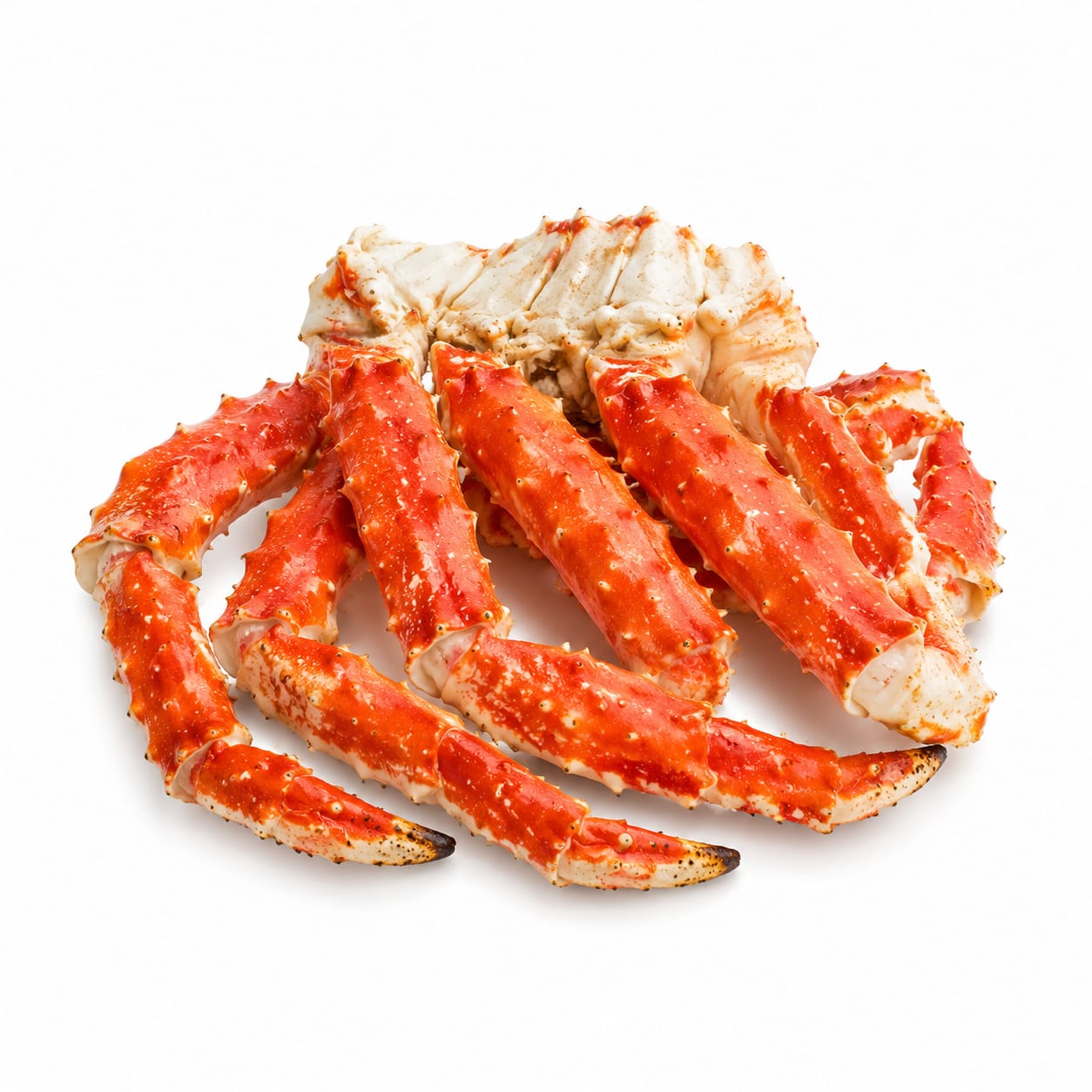
King Crab
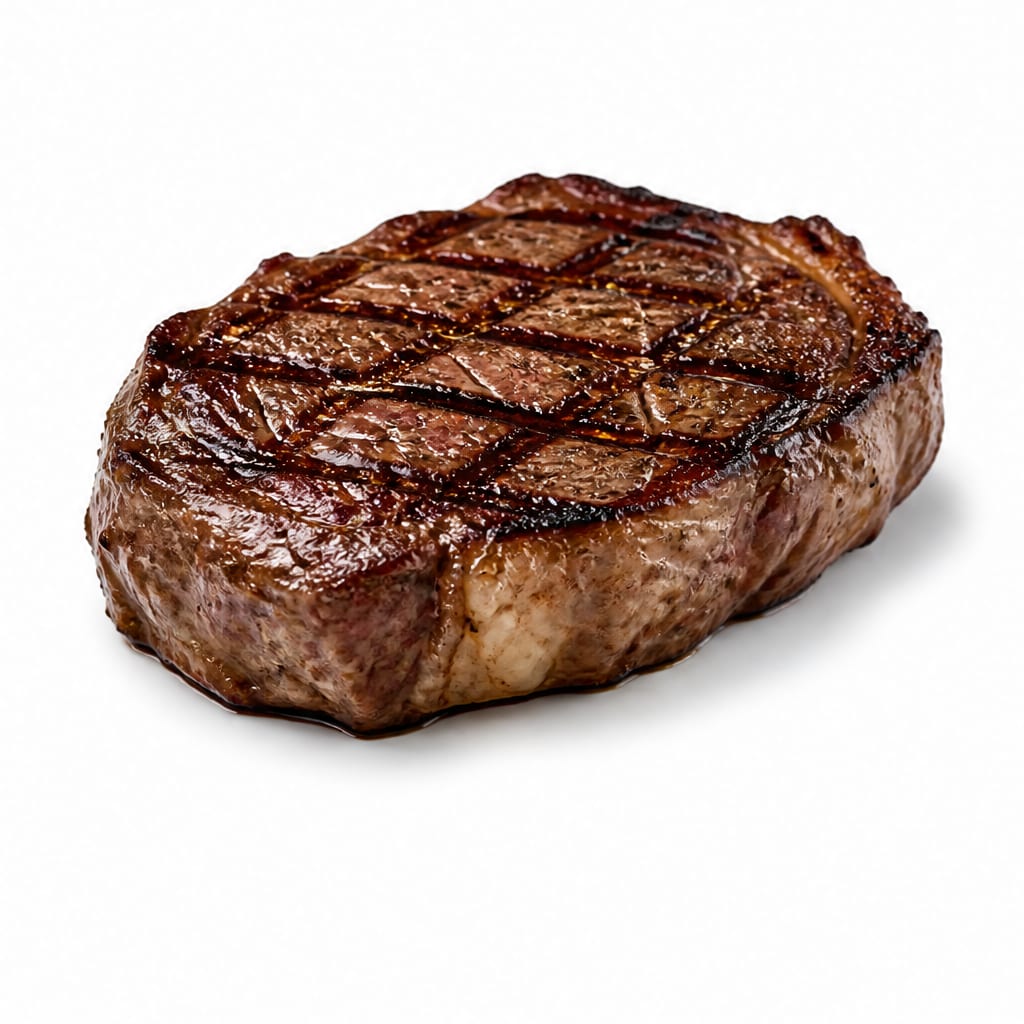
Steak
King Crab is lighter and heart-friendlier, while Steak is more filling, iron-rich, and practical for everyday meals.
Steak scores slightly higher due to better everyday practicality, lower sodium, and superior iron content, though King Crab wins for heart health and leanness.
You trade the cardiovascular benefits and lean profile of King Crab for the superior satiety, iron, and affordability of Steak.
At a glance
Executive summary
Overall
It depends
Healthier
King Crab
More practical
Steak
Daily use
Steak
Key comparison lenses
Lean seafood vs red meat for protein needs
Users comparing these two are usually deciding between a lean ocean protein and a dense land protein for their main course.
Heart health and fat profile tradeoffs
Saturated fat in steak versus omega-3s in King Crab is a major health differentiator.
Sodium and blood pressure impact
King Crab is surprisingly high in sodium, which clashes with its otherwise heart-healthy profile.
Budget and everyday practicality
King Crab is a luxury item, while steak ranges from everyday to premium, heavily influencing real-world choices.
Heavy metal and contaminant exposure
Seafood brings ocean contamination concerns, while beef brings antibiotic and hormone considerations.
Best choice for
King Crab
- Heart-healthy diets
- Low-calorie date nights
- Omega-3 supplementation through food
Steak
- Muscle building and recovery
- Iron-deficiency anemia management
- Budget-conscious family dinners
Least suitable for
King Crab
- Low-sodium diets
- Tight grocery budgets
- Quick weeknight cooking
Steak
- Cardiovascular risk management
- Those avoiding red meat
- Light summer meals
Deep comparison
Dimension by dimension
Each lens scores both foods and breaks down who each option suits.
- Dimension 1 · Priority 95Steak
Protein Quality & Satiety
King Crab · 75Steak · 92Steak provides more protein per ounce and keeps you full much longer than King Crab.
Tradeoff
King Crab is lighter and lower in calories, but you will likely feel hungry again sooner.
Why it matters
If you are eating to stay satisfied for hours, Steak is far more effective.
Real-world impact
A Steak dinner easily carries you to the next morning; King Crab often leaves you reaching for a snack a few hours later.
King Crab
- Lighter appetites
- Smaller portion goals
Better for
- Post-workout recovery when high protein is needed fast
- Long days requiring lasting energy
Worse for
Steak
- Athletes needing sustained fuel
- Anyone tired of snacking after dinner
Better for
- Hot days when heavy meals feel oppressive
- Late-night eating when you want to sleep easily
Worse for
- Dimension 2 · Priority 90King Crab
Heart Health & Fat Profile
King Crab · 90Steak · 50King Crab is rich in omega-3s and very low in saturated fat, making it much kinder to your heart.
Tradeoff
Steak delivers high saturated fat, which can raise LDL cholesterol if eaten frequently.
Why it matters
For long-term cardiovascular health, swapping red meat for shellfish regularly is a smart move.
Real-world impact
Choosing King Crab over Steak a few times a month can meaningfully lower your heart disease risk over the years.
King Crab
- Managing cholesterol
- Supporting cardiovascular health
Better for
- Those who mistakenly assume all seafood is low in sodium
Worse for
Steak
- Keto or very low-carb diets that tolerate higher fat
Better for
- People with a family history of heart disease
Worse for
- Dimension 3 · Priority 85Steak
Sodium & Blood Pressure
King Crab · 35Steak · 85King Crab naturally contains a massive amount of sodium, while Steak is naturally very low in salt.
Tradeoff
Even without added seasoning, King Crab can deliver half your daily sodium limit in one serving.
Why it matters
If you have blood pressure concerns, the sodium in King Crab is a hidden trap.
Real-world impact
A King Crab dinner can easily cause bloating and a spike in blood pressure, whereas unseasoned Steak will not.
King Crab
- Those who sweat heavily and need sodium replenishment
Better for
- Kidney disease patients
- People watching their blood pressure
Worse for
Steak
- Hypertension management
- Salt-sensitive individuals
Better for
- Those who heavily salt their meat, negating the natural advantage
Worse for
- Dimension 4 · Priority 80It depends
Micronutrient Density
King Crab · 82Steak · 85Steak is an iron and B12 powerhouse, while King Crab excels in zinc, selenium, and vitamin C.
Tradeoff
Steak provides heme iron which is easily absorbed, whereas King Crab offers antioxidants like selenium that steak lacks.
Why it matters
Your specific deficiency or health goal determines which is more useful here.
Real-world impact
If you feel fatigued from low iron, Steak is the clear fix. If you need immune support, King Crab offers better zinc and selenium.
King Crab
- Thyroid health support
- Immune system boosting
Better for
- Women with heavy menstrual cycles needing iron
Worse for
Steak
- Preventing anemia
- Energy and fatigue reduction
Better for
- Those already high in iron who want to avoid oxidative stress
Worse for
- Dimension 5 · Priority 75It depends
Safety & Contaminants
King Crab · 70Steak · 65King Crab carries ocean-borne contaminants, while Steak carries risks from farming practices and high-heat cooking.
Tradeoff
Crab risks are about what is in the ocean; Steak risks are about how the meat is raised and cooked.
Why it matters
Both have realistic safety concerns, but they come from entirely different sources.
Real-world impact
Choosing wild-caught King Crab and grass-fed Steak minimizes the worst risks for both foods.
King Crab
- Avoiding antibiotic exposure
- Minimizing carcinogenic cooking byproducts
Better for
- Those worried about ocean pollution and microplastics
Worse for
Steak
- Avoiding ocean microplastics
- Minimizing heavy metal exposure
Better for
- Those concerned about antibiotic resistance from conventional farming
Worse for
Timeline
Health impact over time
Short-term
Hours to days
King Crab
- May cause bloating or thirst from high sodium intake
- Feels light and non-sluggish after eating
Steak
- Provides deep, lasting satiety
- Can feel heavy or induce a food coma if a large portion is consumed
Long-term
Months to years
King Crab
- Supports heart health and reduces inflammation via omega-3s
- Excessive intake could strain blood pressure due to sodium load
Steak
- Regular consumption raises cardiovascular risk and LDL cholesterol
- Excellent for preserving muscle mass and preventing iron deficiency
Risk profile
Safety & processing
Both King Crab and Steak are whole, minimally processed foods when purchased raw, though restaurant preparations often add butter and salt that change the health profile.
King Crab
High sodium load
highNaturally occurring sodium levels in King Crab are very high, posing immediate risks for those with hypertension.
Ocean contaminants
mediumPotential exposure to microplastics and heavy metals from ocean waters, though King Crab generally has lower mercury than large fish.
Steak
Heme iron overaccumulation
mediumExcessive heme iron intake from regular red meat consumption is linked to increased oxidative stress and cancer risk.
Antibiotic and hormone residues
mediumConventional beef may contain residues from farming practices; opting for grass-fed reduces this risk.
Who wins for whom
Audience fit
Same foods, different winners depending on your goal.
children
SteakSteak provides highly absorbable iron and B12 crucial for growth, without the extreme sodium levels found in King Crab.
daily consumption
SteakSteak is far more affordable and lower in sodium, making it more realistic for regular inclusion in a balanced diet.
diabetes
King CrabKing Crab has zero carbs and low saturated fat, which is better for insulin sensitivity compared to the saturated fat in Steak.
elderly
King CrabKing Crab is easier to chew and digests more lightly, while its omega-3s support brain and joint health in aging adults.
muscle gain
SteakSteak offers more protein per serving, complete amino acids, and creatine, making it superior for building and repairing muscle.
weight loss
King CrabKing Crab is much lower in calories and fat, making it easier to fit into a calorie deficit, provided you manage the sodium.
Your move
Decision guide
Choose King Crab
- You want a heart-healthy, lean protein for a special occasion
- You are watching your calorie intake closely
- You need a lighter meal that will not sit heavy in your stomach
Choose Steak
- You need lasting fullness and high protein for physical labor or workouts
- You are dealing with low iron or fatigue
- You want a satisfying dinner that fits a standard grocery budget
Either works if
- You simply want a high-quality, zero-carb protein source
- You are cooking for a celebration and want a premium main course
Avoid both if
- You are following a strict plant-based diet
- You have severe gout, as both are high in purines
Final recommendation
Let your immediate health goals decide. Choose King Crab when heart health and leanness are the priority, and pick Steak when you need deep satiety, iron, and everyday practicality.
Practical
Consumer tips
- 1
Rinse King Crab meat under warm water before eating to remove excess surface sodium from the brine.
- 2
If choosing Steak for health, opt for leaner cuts like sirloin or flank to reduce saturated fat intake.
- 3
Pair King Crab with high-potassium foods like avocado or sweet potato to help counterbalance the sodium load.
- 4
Grass-fed Steak offers a slightly better omega-3 to omega-6 ratio compared to grain-fed, narrowing the fat gap with King Crab.