
Nutrition comparison
King Crab vs Snow Crab: Nutrition, Health, and Value Comparison
King Crab or Snow Crab? Compare protein, sodium, calories, safety, and value to find which crab legs belong on your plate for your goals and budget.
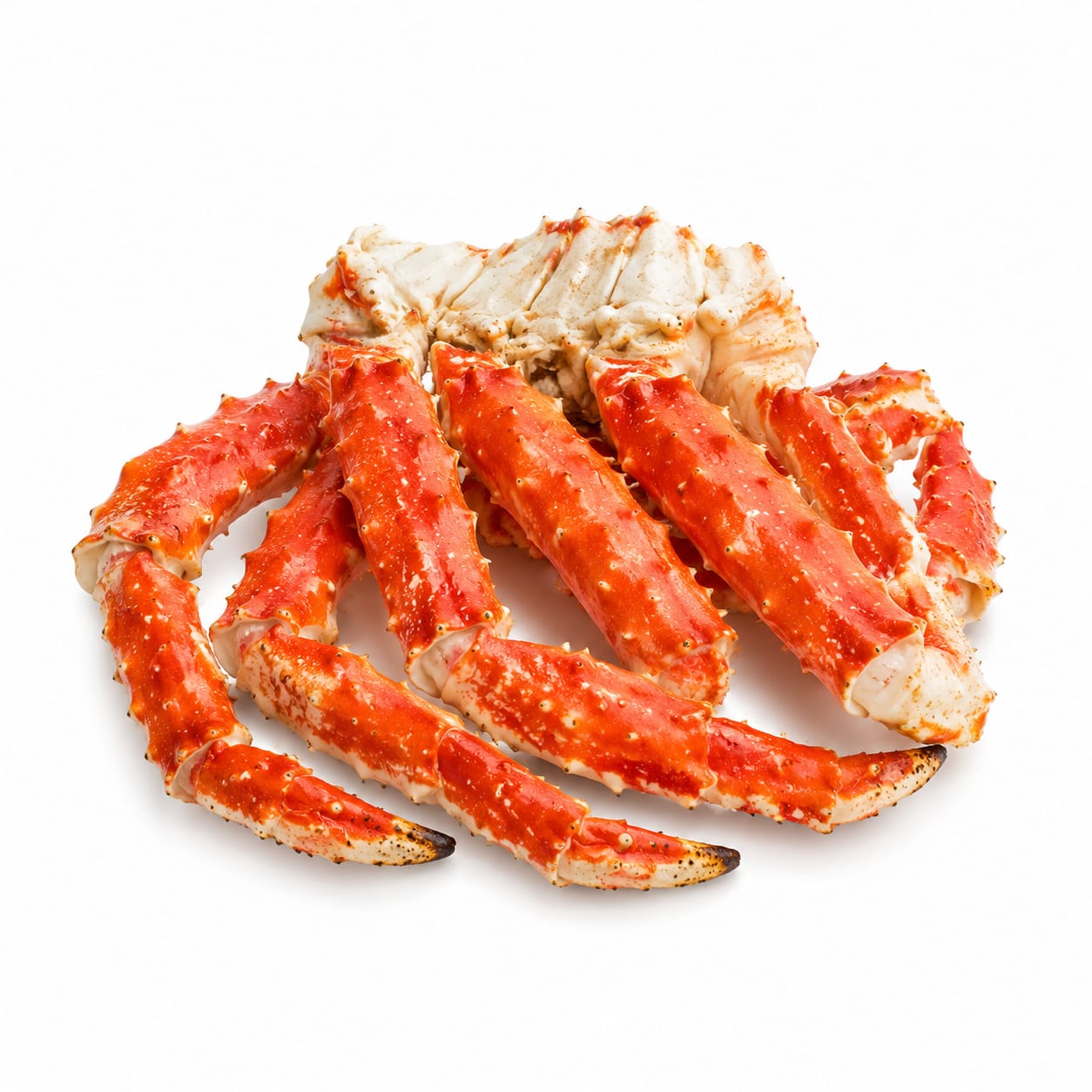
King Crab
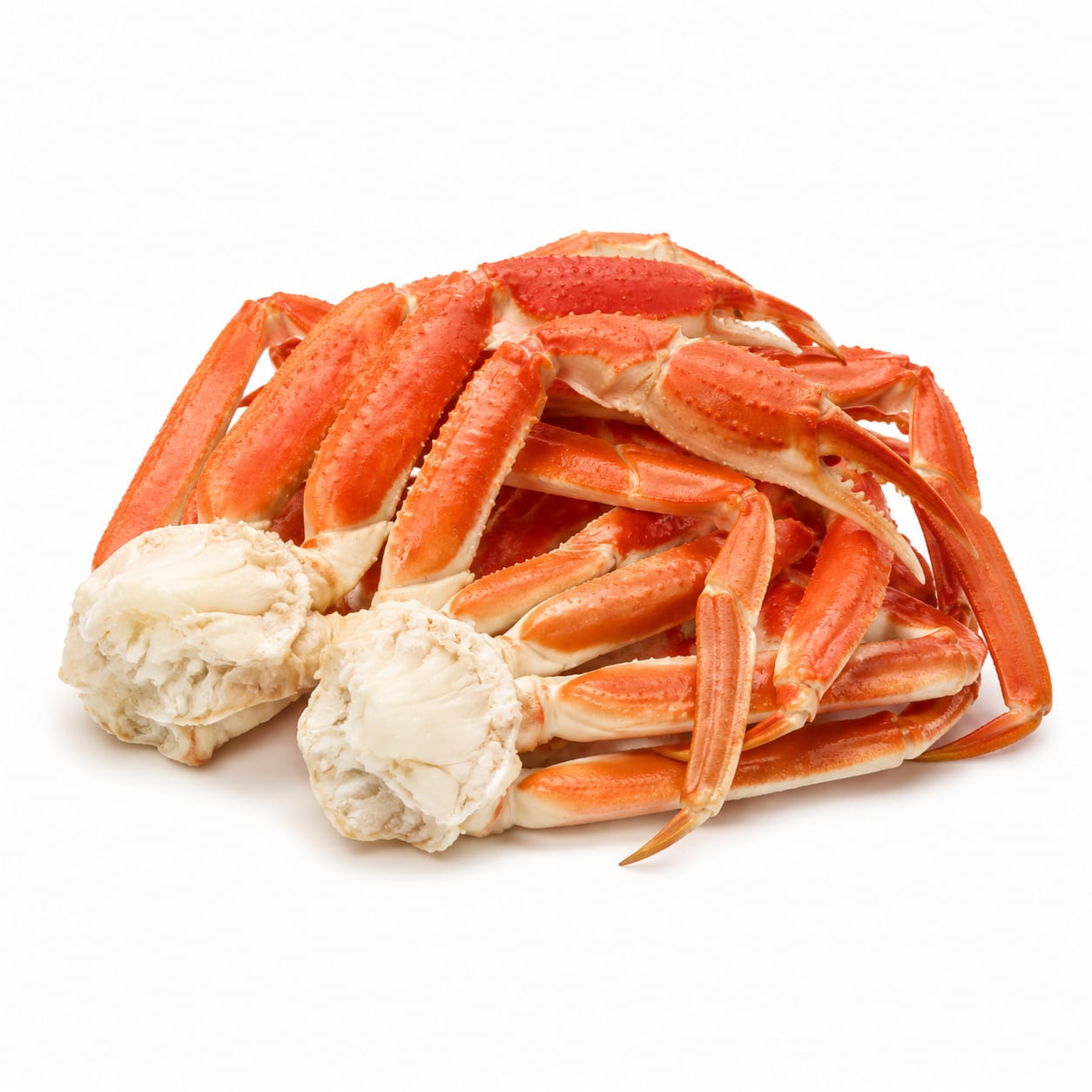
Snow Crab
King Crab delivers more protein and richer flavor per bite, but Snow Crab is leaner, more affordable, and easier to enjoy regularly without breaking the bank or overloading sodium.
Snow Crab edges ahead due to better everyday practicality, lower sodium per typical serving, and affordability. King Crab scores well for protein density and satisfaction but loses ground on cost and sodium load.
Indulgent density and satisfaction versus leaner affordability and everyday practicality.
At a glance
Executive summary
Overall
It depends
Healthier
Snow Crab
More practical
Snow Crab
Daily use
Snow Crab
Key comparison lenses
protein quality and quantity for seafood lovers
Both are prized for protein content but differ significantly in serving size and density
sodium and heart health tradeoffs
Crab is naturally high in sodium and preparation methods can double the load
value and portion satisfaction
King Crab delivers more meat per leg but costs dramatically more per pound
heavy metal and contamination exposure
Both are cold-water shellfish but differ in habitat depth and accumulation risk
calorie and macronutrient density for meal planning
King Crab is richer and more calorie-dense while Snow Crab is leaner
Best choice for
King Crab
- Special occasion indulgence
- Maximizing protein per bite
- Those wanting richer, more satisfying flavor
- People who find cracking shells frustrating and want bigger pieces
Snow Crab
- Weeknight dinners on a budget
- Lean protein for weight management
- People watching sodium closely
- Those who enjoy the ritual of picking crab legs
Least suitable for
King Crab
- Budget-conscious weekly meal prep
- People on strict sodium restrictions
- Frequent daily consumption
Snow Crab
- Those wanting maximum calories and richness per serving
- Special occasions where visual impressiveness matters
- People who dislike tedious shell cracking
Deep comparison
Dimension by dimension
Each lens scores both foods and breaks down who each option suits.
- Dimension 1 · Priority 93King Crab
Protein Density and Quality
King Crab · 88Snow Crab · 80King Crab packs more protein per ounce with a richer amino acid profile, making each bite more substantial.
Tradeoff
Snow Crab still delivers solid protein but you need more legs to match King Crab intake.
Why it matters
If you are eating crab as a primary protein source, density determines how much you need to consume.
Real-world impact
A King Crab leg can replace a chicken breast for protein. Snow Crab requires several legs to hit the same target.
King Crab
- Post-workout recovery meals
- High-protein diets where volume matters
- Older adults needing efficient protein intake
Better for
- Those who tend to overeat rich foods
Worse for
Snow Crab
- Lighter meals where you want protein without heaviness
- Snacking spread over a longer period
Better for
- Athletes needing concentrated protein in a single sitting
Worse for
- Dimension 2 · Priority 90Snow Crab
Sodium Load
King Crab · 52Snow Crab · 65Both crabs are naturally high in sodium, but King Crab typically delivers more per serving due to larger portion sizes and brining practices.
Tradeoff
Neither is a low-sodium food. Snow Crab is slightly easier to manage but both require awareness.
Why it matters
A single King Crab leg dinner can deliver 1000mg+ of sodium before any butter or seasoning is added.
Real-world impact
Blood pressure spikes after a crab feast are real. Snow Crab portions are easier to control.
King Crab
- Active individuals who sweat heavily and need sodium replenishment
Better for
- Salt-sensitive individuals
- People on heart-healthy diets
Worse for
Snow Crab
- People with hypertension
- Those tracking sodium for kidney health
- Anyone eating crab alongside other salty sides
Better for
- No significant disadvantage versus King Crab here
Worse for
- Dimension 3 · Priority 82Snow Crab
Calorie and Fat Profile
King Crab · 68Snow Crab · 82Snow Crab is significantly leaner with fewer calories per serving, making it more diet-friendly.
Tradeoff
King Crab's extra fat contributes to its luxurious mouthfeel but adds calories quickly.
Why it matters
For weight management, the calorie difference per leg adds up fast across a meal.
Real-world impact
A Snow Crab dinner feels light enough for a weeknight. King Crab feels like a feast that sits heavier.
King Crab
- Those wanting calorie density for weight gain or recovery
- Keto dieters appreciating natural fat content
Better for
- Weight loss diets
- People who feel sluggish after heavy meals
Worse for
Snow Crab
- Calorie-counters
- Lean bulk meal plans
- Anyone wanting a filling but light dinner
Better for
- Those needing calorie surplus for athletic performance
Worse for
- Dimension 4 · Priority 87Snow Crab
Value and Accessibility
King Crab · 40Snow Crab · 85Snow Crab is dramatically more affordable and available year-round in most markets.
Tradeoff
King Crab is a luxury ingredient that costs 3-5x more per pound for the experience.
Why it matters
A food you can afford weekly beats a food you can only justify monthly for real health outcomes.
Real-world impact
Snow Crab can be a regular protein rotation. King Crab is a birthday dinner.
King Crab
- Special celebrations where cost is secondary
- Gifting and impressing guests
Better for
- Anyone watching grocery spending
- Frequent crab consumers
Worse for
Snow Crab
- Weekly meal planning
- Families on a grocery budget
- Consistent seafood inclusion in diet
Better for
- Occasions where luxury matters more than practicality
Worse for
- Dimension 5 · Priority 76King Crab
Micronutrient Profile
King Crab · 84Snow Crab · 78King Crab offers more zinc, copper, and vitamin B12 per serving due to its larger, denser meat portions.
Tradeoff
Both are excellent mineral sources. The gap narrows if you eat enough Snow Crab to match the weight.
Why it matters
Zinc and B12 support immunity and energy. Crab is one of the best food sources for both.
Real-world impact
Regular crab consumption of either type meaningfully supports immune function and red blood cell health.
King Crab
- Those eating small portions who need nutrient density per bite
- Older adults with reduced appetites
Better for
- No real disadvantage here
Worse for
Snow Crab
- Those eating larger portions who still hit micronutrient targets
Better for
- Picky eaters who only pick at small portions
Worse for
- Dimension 6 · Priority 80King Crab
Eating Experience and Satiety
King Crab · 86Snow Crab · 72King Crab delivers a more satisfying, filling eating experience with larger meat pieces and richer flavor.
Tradeoff
Snow Crab offers a lighter, more interactive experience but leaves you less full per leg.
Why it matters
Satisfaction determines whether you reach for seconds or stop naturally.
Real-world impact
King Crab feels like a complete meal. Snow Crab often needs sides to feel like dinner.
King Crab
- Those who want a meal to feel complete on its own
- Dinners where satisfaction matters more than lightness
Better for
- Those who prefer grazing over dense meals
Worse for
Snow Crab
- Multi-course meals where crab is a starter
- Hot weather dining when heavy food feels wrong
Better for
- People who feel hungry after light seafood meals
Worse for
Timeline
Health impact over time
Short-term
Hours to days
King Crab
- High sodium can cause bloating and thirst within hours
- Rich protein and fat content promotes strong fullness after eating
- Potential for gout flares in susceptible individuals due to purine content
Snow Crab
- Moderate sodium load is easier on immediate fluid balance
- Lighter meal feel reduces post-dinner sluggishness
- Similar purine concerns but lower per typical serving
Long-term
Months to years
King Crab
- Excellent B12 and zinc intake supports immune and nerve health with regular consumption
- High sodium intake from frequent King Crab meals could contribute to blood pressure issues
- Omega-3 fatty acids support cardiovascular health when not drowned in butter
Snow Crab
- Lean protein supports healthy weight maintenance over time
- Consistent mineral intake from more frequent affordable consumption
- Lower cumulative sodium exposure when eaten regularly
Risk profile
Safety & processing
Both are sold as frozen legs typically treated with a brine or sodium tripolyphosphate solution to preserve texture and moisture. King Crab is more commonly brined due to its premium status and longer supply chains. Always check for 'no additives' labels if this concerns you.
King Crab
Heavy metal accumulation
mediumKing Crab from certain Alaskan waters can accumulate cadmium in the hepatopancreas. Avoid eating the 'mustard' or tomalley inside the shell.
Sodium tripolyphosphate exposure
lowCommonly used as a preservative in frozen King Crab. Can cause mild digestive upset in sensitive individuals and adds phosphates to your diet.
Shellfish allergy
highAll crustaceans carry serious allergy risk. King Crab is no exception and cross-reactivity with other shellfish is common.
Snow Crab
Heavy metal accumulation
lowSnow Crab generally shows lower cadmium levels than King Crab due to different feeding patterns and habitat depth.
Sodium tripolyphosphate exposure
lowAlso used in Snow Crab processing but less consistently than with King Crab.
Shellfish allergy
highIdentical allergy risk to King Crab. All crustacean shellfish carry the same warning.
Who wins for whom
Audience fit
Same foods, different winners depending on your goal.
children
Snow CrabSnow Crab legs are easier for small hands to crack, portions are more kid-appropriate, and sodium per piece is more manageable.
daily consumption
Snow CrabAffordability, lower sodium, and lighter calorie load make Snow Crab realistic for regular inclusion in a balanced diet.
diabetes
Snow CrabBoth have zero carbs, but Snow Crab's lower sodium and calorie load makes it a cleaner choice for metabolic health management.
elderly
Snow CrabLower sodium and easier portion control matter more for older adults. The lighter texture is also gentler on digestion.
muscle gain
King CrabKing Crab provides more protein per ounce and higher calorie density, supporting muscle-building diets that need both.
weight loss
Snow CrabSnow Crab is leaner with fewer calories per serving, making it easier to fit into a calorie deficit without feeling deprived.
Your move
Decision guide
Choose King Crab
- You are celebrating and want the most impressive, satisfying crab experience
- You need maximum protein and calorie density per bite
- Budget is not a concern for this meal
- You find small shell pieces frustrating and want big, easy-to-extract meat
Choose Snow Crab
- You want crab as a regular part of your weekly rotation
- You are watching sodium, calories, or both
- You enjoy the leisurely process of picking through multiple legs
- You are feeding a family and need quantity without luxury pricing
Either works if
- You simply want high-quality lean seafood protein
- You have no shellfish allergies or sodium restrictions
- You plan to pair with melted butter and lemon regardless of variety
Avoid both if
- You have a diagnosed shellfish allergy
- You are on a strict low-sodium medical protocol
- You have active gout and need to limit purine intake
- You cannot source either from reputable suppliers with safe handling
Final recommendation
For most people most of the time, Snow Crab is the smarter choice. It delivers excellent protein, minerals, and satisfaction at a fraction of the cost with less sodium per meal. Save King Crab for when the occasion calls for something truly special, and enjoy Snow Crab as your everyday shellfish anchor.
Practical
Consumer tips
- 1
Skip the butter dipping to keep either crab genuinely healthy. Try lemon juice, Old Bay, or garlic-infused olive oil instead.
- 2
Always check whether frozen legs have added sodium tripolyphosphate. Brands labeled 'no additives' or 'water frozen only' are worth seeking out.
- 3
Never eat the yellow-green 'mustard' inside crab shells. It is the hepatopancreas and concentrates cadmium and other contaminants.
- 4
Thaw frozen crab legs slowly in the refrigerator overnight rather than under hot water. Texture and flavor hold much better.
- 5
Snow Crab clusters go on sale frequently around holidays. Stock up and freeze for affordable protein all year.
- 6
If sodium is a concern, rinse crab meat gently after extracting it. This removes surface brine without significant flavor loss.
- 7
Pair either crab with a large salad or roasted vegetables. The fiber helps you feel full and slows sodium absorption.