
Nutrition comparison
King Crab vs Shrimp: Nutrition, Safety, and Which to Eat
Compare King Crab and Shrimp on protein, sodium, safety, and price. Find out which shellfish is better for weight loss, heart health, and everyday meals.
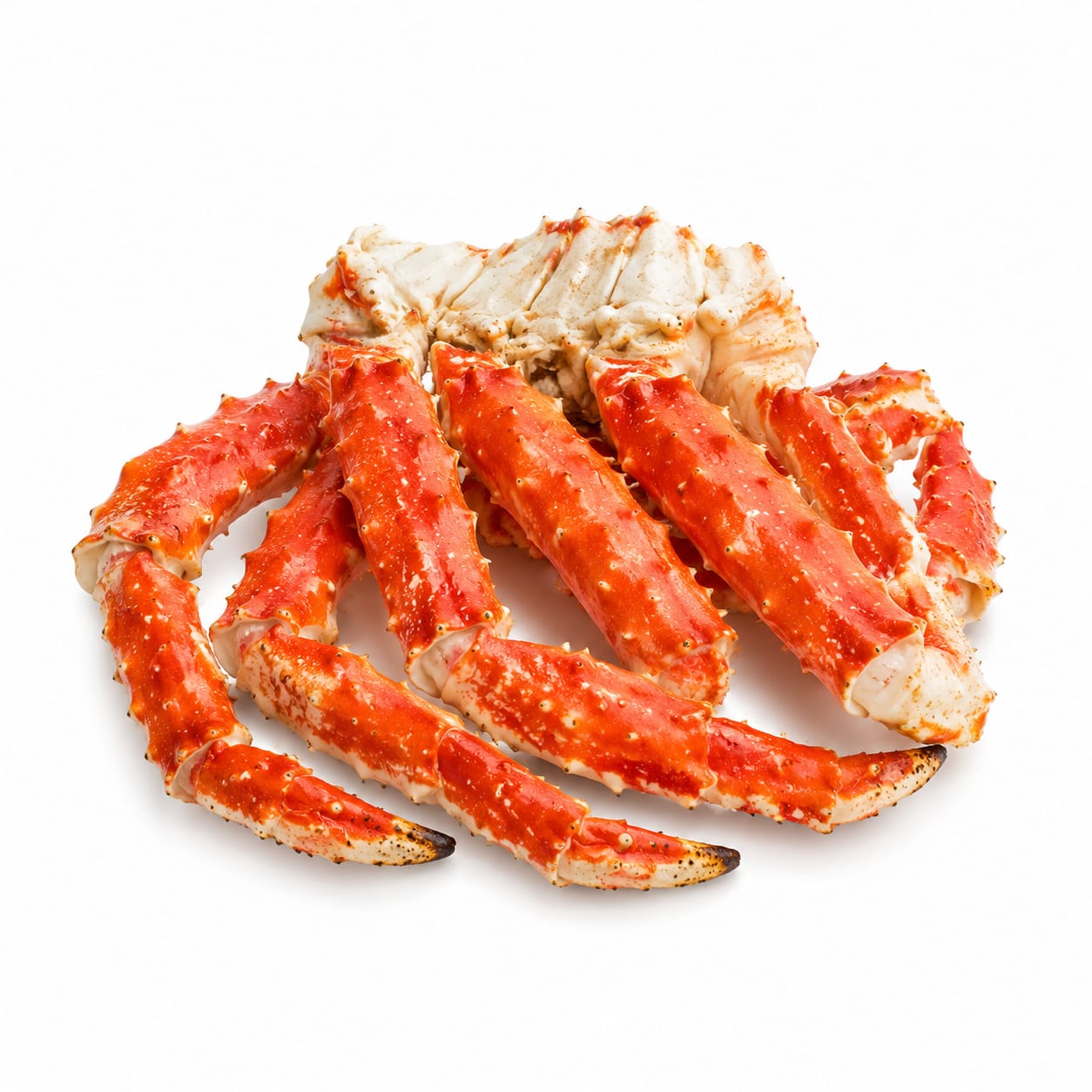
King Crab
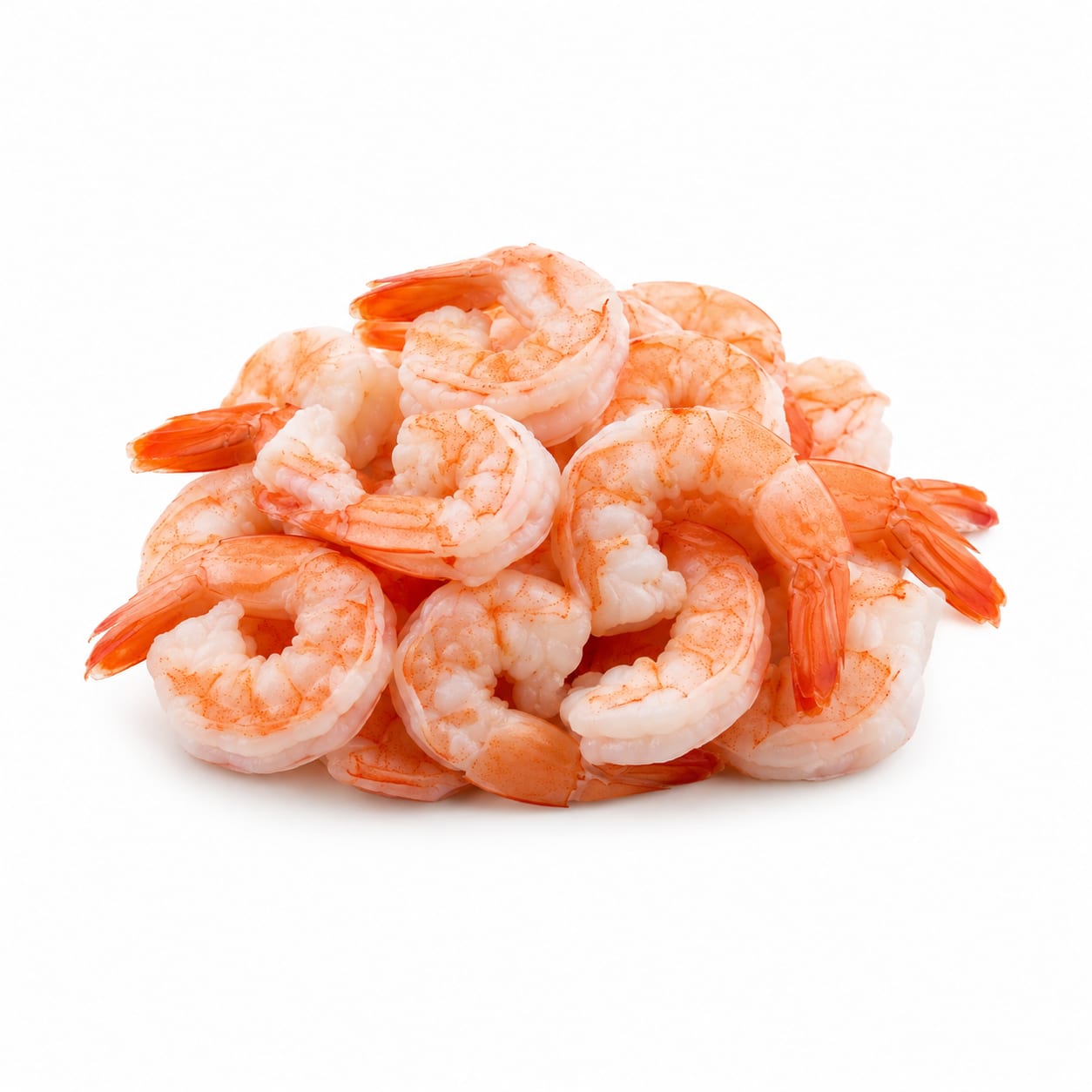
Shrimp
Shrimp wins on practicality, price, and everyday protein needs. King Crab delivers superior micronutrients like zinc and B12 but carries a heavy sodium load and luxury price tag.
Shrimp scores higher overall due to better everyday practicality, lower sodium, and affordability. King Crab excels in micronutrient density but loses ground on cost, sodium, and accessibility.
King Crab offers richer micronutrition and a indulgent eating experience, while Shrimp provides leaner, more affordable, weeknight-friendly protein with less sodium.
At a glance
Executive summary
Overall
It depends
Healthier
Shrimp
More practical
Shrimp
Daily use
Shrimp
Key comparison lenses
protein quality and lean eating
Both are premium lean proteins, so users want to know which delivers more value per calorie and gram
contamination and seafood safety
Shellfish carry distinct heavy metal, microplastic, and farming-related risks that heavily influence daily choices
sodium and heart health impact
King Crab is naturally high in sodium and often processed with added salt, while shrimp varies widely by preparation
affordability and everyday practicality
King Crab is a luxury item rarely eaten weekly, whereas shrimp is accessible enough for regular meals
cholesterol concerns
Shrimp is famously high in dietary cholesterol, which still worries many consumers despite updated guidelines
Best choice for
King Crab
- Special occasion indulgence with maximum micronutrient payoff
- Zinc and B12 replenishment for deficiency-prone individuals
- Low-calorie luxury dining where sodium is not a concern
Shrimp
- Weekly lean protein meal prep
- Weight loss diets needing filling, low-calorie protein
- Budget-conscious seafood lovers wanting regular shellfish
Least suitable for
King Crab
- Sodium-sensitive individuals or those with hypertension
- Budget-limited households seeking regular seafood intake
- Anyone needing quick weeknight cooking
Shrimp
- People with severe shellfish allergies
- Those strictly limiting dietary cholesterol despite updated science
- Diners seeking an indulgent, celebratory experience
Deep comparison
Dimension by dimension
Each lens scores both foods and breaks down who each option suits.
- Dimension 1 · Priority 90Shrimp
Protein Quality and Content
King Crab · 78Shrimp · 85Shrimp delivers slightly more protein per calorie, making it more efficient for lean eating goals.
Tradeoff
King Crab provides protein alongside more fat and micronutrients, while Shrimp is leaner but less nutrient-diverse.
Why it matters
If you are tracking protein per calorie, Shrimp gets you there with less energy density.
Real-world impact
A 4-ounce serving of Shrimp packs roughly 24g protein at only 112 calories, versus King Crab at around 16g protein in a similar serving with more sodium.
King Crab
- Those wanting protein with added zinc and B12 in the same bite
Better for
- Pure protein-per-calorie optimization
Worse for
Shrimp
- Lean bulkers and calorie-counters maximizing protein efficiency
Better for
- Those wanting a more nutrient-complex protein source
Worse for
- Dimension 2 · Priority 88Shrimp
Sodium Load
King Crab · 40Shrimp · 72King Crab is naturally sodium-dense and often processed with brine, making it a poor choice for blood pressure management.
Tradeoff
That briny flavor you love in King Crab is literally sodium hitting your palate. Shrimp can also be high-sodium if pre-packaged, but raw Shrimp starts much lower.
Why it matters
A single King Crab leg can deliver 400-900mg sodium before any dipping butter or seasoning.
Real-world impact
Someone eating 2-3 King Crab legs at dinner could easily consume half their daily sodium allowance without sides or sauces.
King Crab
- Post-sweat rehydration meals where electrolyte replenishment is welcome
Better for
- Blood pressure management
- Kidney-friendly meal plans
Worse for
Shrimp
- Everyday meals for sodium-conscious eaters
- Hypertension-managing diets
Better for
- Situations where pre-cooked frozen Shrimp with added sodium is the only option
Worse for
- Dimension 3 · Priority 85King Crab
Micronutrient Density
King Crab · 88Shrimp · 70King Crab is a standout source of vitamin B12, zinc, copper, and selenium, outpacing Shrimp in most minerals.
Tradeoff
You pay a premium price for those micronutrients, and the sodium baggage comes along for the ride.
Why it matters
A single serving of King Crab can cover over 100% of daily B12 needs and nearly half your zinc requirement.
Real-world impact
For someone borderline deficient in B12 or zinc, King Crab is one of the most efficient food sources available — but so are much cheaper supplements.
King Crab
- B12 or zinc deficiency correction through food
- Immune-supportive eating during illness recovery
Better for
- Cost-effective micronutrient sourcing
Worse for
Shrimp
- Iodine intake, where Shrimp has a slight edge
- Astaxanthin antioxidant benefits
Better for
- Matching the mineral breadth King Crab offers
Worse for
- Dimension 4 · Priority 86Shrimp
Contamination and Safety
King Crab · 68Shrimp · 75Both carry seafood contamination risks, but farmed Shrimp has well-documented antibiotic issues while King Crab faces heavy metal and microplastic exposure.
Tradeoff
Wild-caught Shrimp avoids most antibiotic concerns but is harder to source. King Crab is almost always wild-caught but accumulates cadmium from deep-water environments.
Why it matters
Your contamination risk profile changes dramatically based on sourcing, not just the species itself.
Real-world impact
Imported farmed Shrimp may contain antibiotic residues banned in many countries. Always check country of origin labels.
King Crab
- Wild-caught assurance — King Crab is virtually never farmed
Better for
- Cadmium accumulation in certain harvesting regions
- Higher microplastic exposure from deep ocean environments
Worse for
Shrimp
- Lower cadmium risk compared to deep-water crab species
- Domestic wild-caught Shrimp options are widely available
Better for
- Antibiotic residues in imported farmed varieties
- Higher foodborne illness risk if undercooked
Worse for
- Dimension 5 · Priority 82Shrimp
Affordability and Practicality
King Crab · 30Shrimp · 88Shrimp is weeknight-friendly, widely available, and reasonably priced. King Crab is a luxury splurge that requires effort and budget.
Tradeoff
King Crab turns dinner into an event. Shrimp turns dinner into dinner.
Why it matters
The best protein source nutritionally is the one you can actually afford to eat regularly.
Real-world impact
King Crab legs often run $30-60 per pound. Shrimp typically costs $8-15 per pound and cooks in under 5 minutes.
King Crab
- Special occasions where the experience justifies the cost
- Impressing guests with minimal cooking effort
Better for
- Regular protein rotation on a normal grocery budget
- Time-pressed cooking scenarios
Worse for
Shrimp
- Weekly meal prep and budget-conscious households
- Quick 15-minute weeknight dinners
Better for
- Creating a memorable, celebratory dining moment
Worse for
- Dimension 6 · Priority 75King Crab
Cholesterol Profile
King Crab · 72Shrimp · 55Shrimp contains notably more dietary cholesterol than King Crab, though current science says dietary cholesterol has modest impact on blood cholesterol for most people.
Tradeoff
If your doctor has specifically told you to limit dietary cholesterol, Shrimp requires more mindful portioning than King Crab.
Why it matters
A 4-ounce Shrimp serving has roughly 170mg cholesterol versus about 85mg in King Crab.
Real-world impact
For most healthy adults, this difference is negligible. For those with familial hypercholesterolemia or specific medical advice, it matters.
King Crab
- Cholesterol-restricted diets under medical guidance
Better for
- Sodium is the bigger heart health concern here, not cholesterol
Worse for
Shrimp
- General population where dietary cholesterol impact is minimal
Better for
- Strict cholesterol-lowering protocols
Worse for
Timeline
Health impact over time
Short-term
Hours to days
King Crab
- High sodium can cause bloating and thirst within hours
- Rich protein and fat content provides lasting fullness
- Potential shellfish allergic reaction in susceptible individuals
Shrimp
- Quick-digesting lean protein supports post-workout recovery
- Low calorie load makes it easy to portion-control
- Undercooked Shrimp poses acute foodborne illness risk
Long-term
Months to years
King Crab
- Consistent high sodium intake could elevate blood pressure over time
- Excellent B12 and zinc intake supports nerve health and immunity long-term
- Cadmium accumulation is a concern with very frequent consumption
Shrimp
- Regular lean protein intake supports muscle maintenance and healthy aging
- Sustainable omega-3 and astaxanthin intake may reduce chronic inflammation
- Farmed Shrimp antibiotic exposure could contribute to gut microbiome disruption if consumed frequently
Risk profile
Safety & processing
Most King Crab sold commercially is pre-cooked and flash-frozen with brine or sodium-based preservatives to maintain quality during transport. Raw Shrimp is typically sold fresh or frozen with minimal additives, though pre-cooked and breaded varieties introduce more processing.
King Crab
Cadmium exposure
mediumKing Crab from certain Pacific harvesting regions can accumulate cadmium in edible tissue, posing long-term kidney risk with frequent consumption.
High sodium from processing
mediumPre-cooked and brine-frozen King Crab legs often contain significantly more sodium than fresh shellfish, straining cardiovascular health.
Shellfish allergy
highCrustacean allergies can trigger anaphylaxis. King Crab is a top allergen alongside Shrimp and lobster.
Shrimp
Antibiotic residues in farmed varieties
highImported farmed Shrimp, particularly from Southeast Asia, has documented issues with banned antibiotic use that may contribute to antibiotic resistance.
Foodborne illness from undercooking
mediumShrimp must be cooked thoroughly to kill Vibrio and other pathogens. Quick cooking times make it easy to undercook.
Shellfish allergy
highShrimp is one of the most common food allergens globally and can cause severe anaphylactic reactions.
Who wins for whom
Audience fit
Same foods, different winners depending on your goal.
children
ShrimpShrimp is easier to portion for kids, more affordable for family meals, and has lower sodium per serving than King Crab.
daily consumption
ShrimpShrimp is affordable, versatile, and lower in sodium, making it realistic as a regular protein source. King Crab is best reserved for occasional enjoyment.
diabetes
ShrimpBoth are essentially zero-carb, but Shrimp's lower sodium and calorie density make it a cleaner choice for metabolic health management.
elderly
It dependsKing Crab's superior B12 and zinc support aging immune and nerve function, but its sodium load conflicts with common blood pressure concerns in older adults.
muscle gain
ShrimpHigher protein density and lower cost per gram of protein make Shrimp more practical for the frequent eating required for muscle building.
weight loss
ShrimpShrimp provides more protein per calorie with less sodium, making it easier to fit into a calorie deficit without bloating.
Your move
Decision guide
Choose King Crab
- You want a nutrient-dense indulgence for a special meal
- B12 or zinc deficiency is a documented concern for you
- Sodium is not a health worry and you want maximum micronutrient payoff
Choose Shrimp
- You need an affordable, lean protein for weekly meals
- You are managing blood pressure, weight, or calorie intake
- You want versatile seafood that cooks in under 5 minutes
Either works if
- You are eating shellfish purely for lean protein and both are available fresh
- You have no sodium, cholesterol, or budget constraints
Avoid both if
- You have a diagnosed crustacean shellfish allergy
- You are following a strict low-purine diet for gout management
- Your doctor has advised against all shellfish due to contamination risk during pregnancy
Final recommendation
Make Shrimp your everyday shellfish and save King Crab for celebrations. Shrimp gives you more protein per dollar, less sodium per bite, and faster cooking. King Crab delivers an unmatched micronutrient punch and dining experience, but the cost and sodium make it a luxury, not a staple. If you eat King Crab, skip the butter dip and keep sides low-sodium to avoid turning a nutrient win into a heart health loss.
Practical
Consumer tips
- 1
Buy wild-caught domestic Shrimp whenever possible to avoid antibiotic residues common in imported farmed varieties
- 2
If choosing King Crab, look for legs labeled 'no added sodium' or rinse pre-cooked legs before eating to reduce salt load
- 3
Freeze Shrimp in a single layer on a sheet pan before bagging to prevent clumping — you can then grab exactly what you need
- 4
Avoid pre-cooked frozen Shrimp with seasoning packets, as these can double the sodium content
- 5
King Crab from Alaskan waters generally has lower cadmium risk than some Russian or Pacific sources — check the origin label
- 6
For both foods, cook to an internal temperature of 145°F to eliminate foodborne pathogen risk