
Nutrition comparison
King Crab vs Salmon: Nutrition, Omega-3, and Health Comparison
Compare King Crab and Salmon to see which is healthier. Learn about omega-3 fats, sodium levels, protein, and which seafood is best for your diet.
Overall winner · Salmon

King Crab
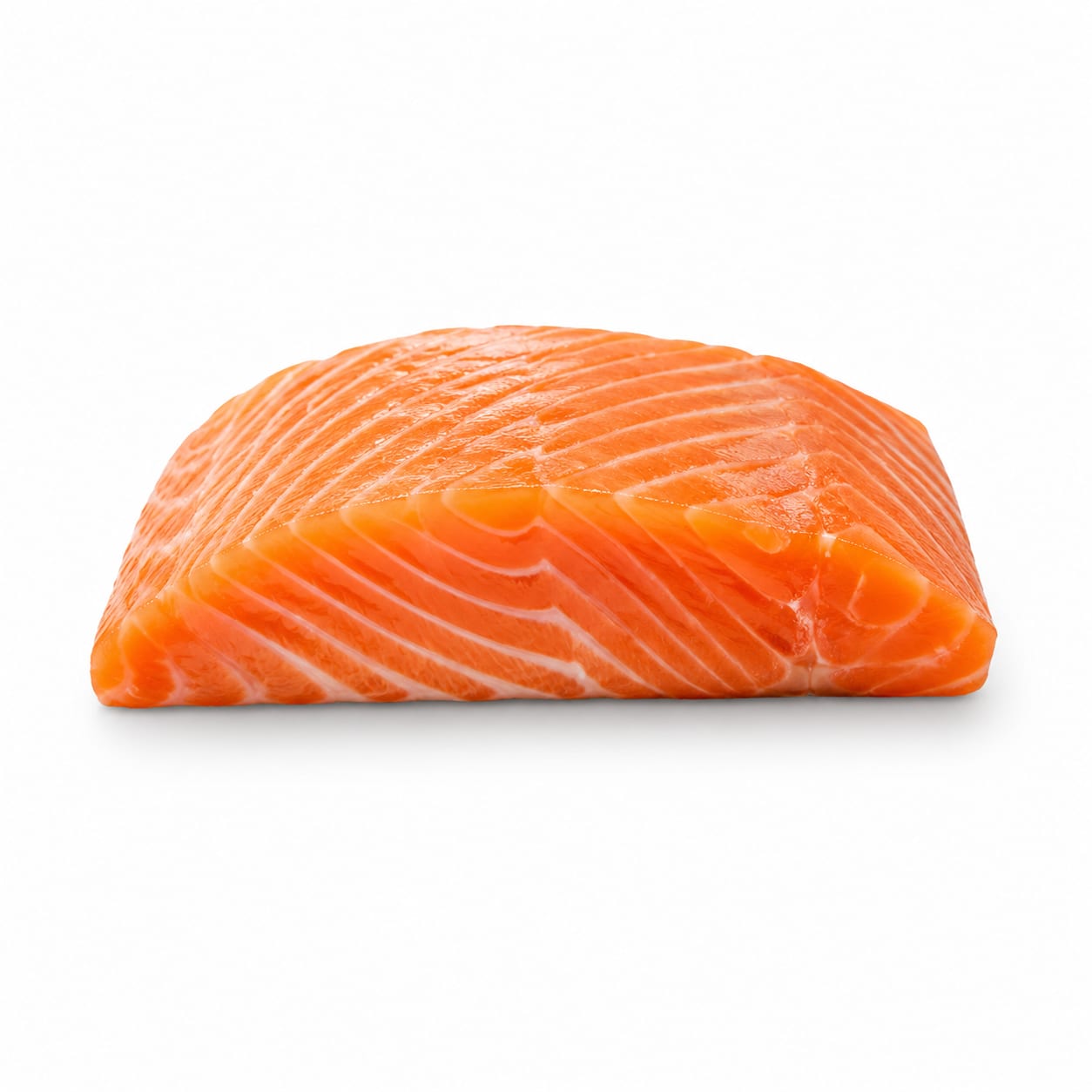
Salmon
Salmon is the everyday health champion due to its omega-3s and low sodium, while King Crab is a lean, zinc-rich luxury treat.
Salmon scores significantly higher due to its unmatched omega-3 content, low sodium, and everyday practicality. King Crab is nutritionally excellent but loses points for high sodium and lack of accessibility.
You trade the heart-healthy fats and low sodium of Salmon for the ultra-lean protein and rich micronutrients of King Crab at a much higher cost.
At a glance
Executive summary
Overall
Salmon
Healthier
Salmon
More practical
Salmon
Daily use
Salmon
Key comparison lenses
Heart health and omega-3 intake
Salmon is famous for its omega-3s, while King Crab is virtually fat-free.
Sodium and blood pressure management
King Crab is naturally high in sodium and often processed with brine, whereas Salmon is naturally very low in sodium.
Everyday practicality and budget
Salmon is a staple protein, while King Crab is a luxury item with limited availability.
Best choice for
King Crab
- Special occasion dining
- Ultra-lean high-protein diets
- Zinc and copper supplementation through food
Salmon
- Daily heart health support
- Omega-3 intake
- Budget-friendly weekly meal prep
Least suitable for
King Crab
- Low-sodium diets
- Frequent everyday meals
- Tight grocery budgets
Salmon
- Very low-fat diets
- People avoiding fish due to strong flavor
Deep comparison
Dimension by dimension
Each lens scores both foods and breaks down who each option suits.
- Dimension 1 · Priority 95Salmon
Heart Health & Healthy Fats
King Crab · 40Salmon · 98Salmon is loaded with omega-3 fatty acids, making it a top tier heart-healthy food. King Crab has almost no fat.
Tradeoff
Choosing King Crab means missing out on the cardiovascular benefits of omega-3s, though you avoid dietary fat entirely.
Why it matters
Omega-3s reduce inflammation and support brain and heart health, which most people need more of.
Real-world impact
Eating Salmon twice a week can meaningfully improve your lipid panel; King Crab won't offer this benefit.
King Crab
- Strict low-fat diets
Better for
- Boosting omega-3 intake
- Natural anti-inflammatory effects
Worse for
Salmon
- Cardiovascular health
- Cognitive support
- Reducing inflammation
Better for
- Fat-restricted medical diets
Worse for
- Dimension 2 · Priority 85Salmon
Sodium & Blood Pressure
King Crab · 35Salmon · 90King Crab is naturally high in sodium and often processed with brine, while Salmon is naturally very low in sodium.
Tradeoff
King Crab can easily push your daily sodium limits, whereas Salmon helps keep blood pressure in check.
Why it matters
High sodium intake is a leading driver of hypertension and bloating.
Real-world impact
A King Crab dinner can leave you feeling puffy and thirsty the next day, while Salmon won't.
King Crab
- Those who sweat heavily and need sodium replacement
Better for
- Blood pressure control
- Avoiding bloating
Worse for
Salmon
- Managing hypertension
- Reducing water retention
- Heart-healthy eating
Better for
- Rapid sodium replenishment after intense exercise
Worse for
- Dimension 3 · Priority 80It depends
Micronutrient Profile
King Crab · 88Salmon · 90Salmon provides vitamin D and selenium, while King Crab is a powerhouse of zinc, copper, and vitamin B12.
Tradeoff
Salmon supports bone health and antioxidant defense, while King Crab excels at immune support and energy production.
Why it matters
Both offer unique micronutrient clusters that are hard to find in other foods.
Real-world impact
King Crab can help boost your immune system during cold season, while Salmon helps maintain vitamin D in winter.
King Crab
- Immune support via zinc
- Energy metabolism via B12
- Connective tissue health via copper
Better for
- Getting enough Vitamin D from food
Worse for
Salmon
- Bone health via Vitamin D
- Thyroid function via selenium
Better for
- Getting high doses of zinc and copper
Worse for
- Dimension 4 · Priority 75Salmon
Practicality & Affordability
King Crab · 25Salmon · 85Salmon is widely available, easy to cook, and affordable. King Crab is expensive, seasonal, and requires cracking shells.
Tradeoff
Salmon fits seamlessly into a weekly routine, while King Crab is a rare indulgence.
Why it matters
Health benefits only matter if you can actually eat the food regularly.
Real-world impact
You can grill Salmon on a Tuesday night; King Crab is usually reserved for celebrations.
King Crab
- Impressing dinner guests
- Special occasions
Better for
- Cost-effective meal planning
- Quick preparation
Worse for
Salmon
- Weekly meal prep
- Budget-conscious diets
- Quick weeknight dinners
Better for
- Creating a luxurious dining experience
Worse for
Timeline
Health impact over time
Short-term
Hours to days
King Crab
- Quick protein satisfaction
- Potential bloating from high sodium
- Thirst after eating
Salmon
- Sustained energy from fats and protein
- Feeling full longer
- No sodium-induced thirst
Long-term
Months to years
King Crab
- Excellent immune support from zinc
- Risk of elevated blood pressure if eaten frequently
- Strong red blood cell production from B12
Salmon
- Reduced cardiovascular disease risk
- Better brain aging from omega-3s
- Improved insulin sensitivity
Risk profile
Safety & processing
Both are whole foods, but King Crab is frequently treated with sodium tripolyphosphate to retain moisture, adding to its sodium and additive load. Fresh or frozen Salmon is typically additive-free.
King Crab
Heavy metals and toxins
lowKing Crab generally has low mercury levels, but can contain other oceanic toxins depending on the harvest area.
Added phosphates
mediumMany commercial King Crab legs are treated with sodium tripolyphosphate, which can cause digestive upset in sensitive individuals.
Salmon
PCBs and dioxins
mediumFarmed Salmon can have higher levels of industrial pollutants compared to wild-caught, though still within safe limits for moderate consumption.
Mercury exposure
lowSalmon is relatively low in mercury compared to large predatory fish, making it safe for frequent consumption.
Who wins for whom
Audience fit
Same foods, different winners depending on your goal.
children
SalmonSalmon's omega-3s are crucial for brain development, and it's easier for kids to eat than dealing with crab shells.
daily consumption
SalmonSalmon is affordable, low in sodium, and safe to eat multiple times a week, unlike the sodium-heavy and expensive King Crab.
diabetes
SalmonSalmon's healthy fats slow digestion and stabilize blood sugar, while King Crab's high sodium can worsen hypertension, a common diabetes comorbidity.
elderly
SalmonThe omega-3s in Salmon protect against cognitive decline and joint stiffness, plus it's easier to chew and digest than crab.
muscle gain
SalmonSalmon provides more overall calories and protein alongside anti-inflammatory omega-3s, which aid in muscle recovery and growth.
weight loss
King CrabKing Crab is extremely low in calories and fat while being high in protein, making it highly satiating per calorie, provided you skip the butter.
Your move
Decision guide
Choose King Crab
- You are celebrating a special occasion and want a luxurious treat
- You are on a strict low-fat, high-protein diet and need lean protein
- You need a zinc boost for immune support
Choose Salmon
- You want a reliable, heart-healthy dinner for a regular weeknight
- You need to increase your omega-3 intake for brain or joint health
- You are watching your sodium intake or blood pressure
Either works if
- You want high-quality, complete protein without the saturated fat of red meat
- You are looking for B-vitamin rich foods to support energy levels
Avoid both if
- You have a severe shellfish or fish allergy
- Your doctor has advised you to avoid all seafood due to specific dietary restrictions
Final recommendation
Make Salmon your go-to seafood for everyday health, and save King Crab for when you want a lean, indulgent celebration.
Practical
Consumer tips
- 1
When buying King Crab, check the label for added sodium tripolyphosphate; untreated legs have a more natural flavor and lower sodium.
- 2
Choose wild-caught Salmon over farmed when possible to minimize exposure to PCBs and get a slightly better omega-3 profile.
- 3
Skip the butter dip for King Crab to keep it a truly low-calorie, lean protein meal.
- 4
Canned Salmon with bones is a cheap, excellent source of calcium and vitamin D for daily use.