
Nutrition comparison
King Crab vs Oysters: Nutrition, Safety, and Which Seafood Wins for Your Goals
Compare King Crab and Oysters on protein, zinc, iron, safety, and price. Find out which shellfish is better for immunity, muscle, weight loss, and daily nutrition.
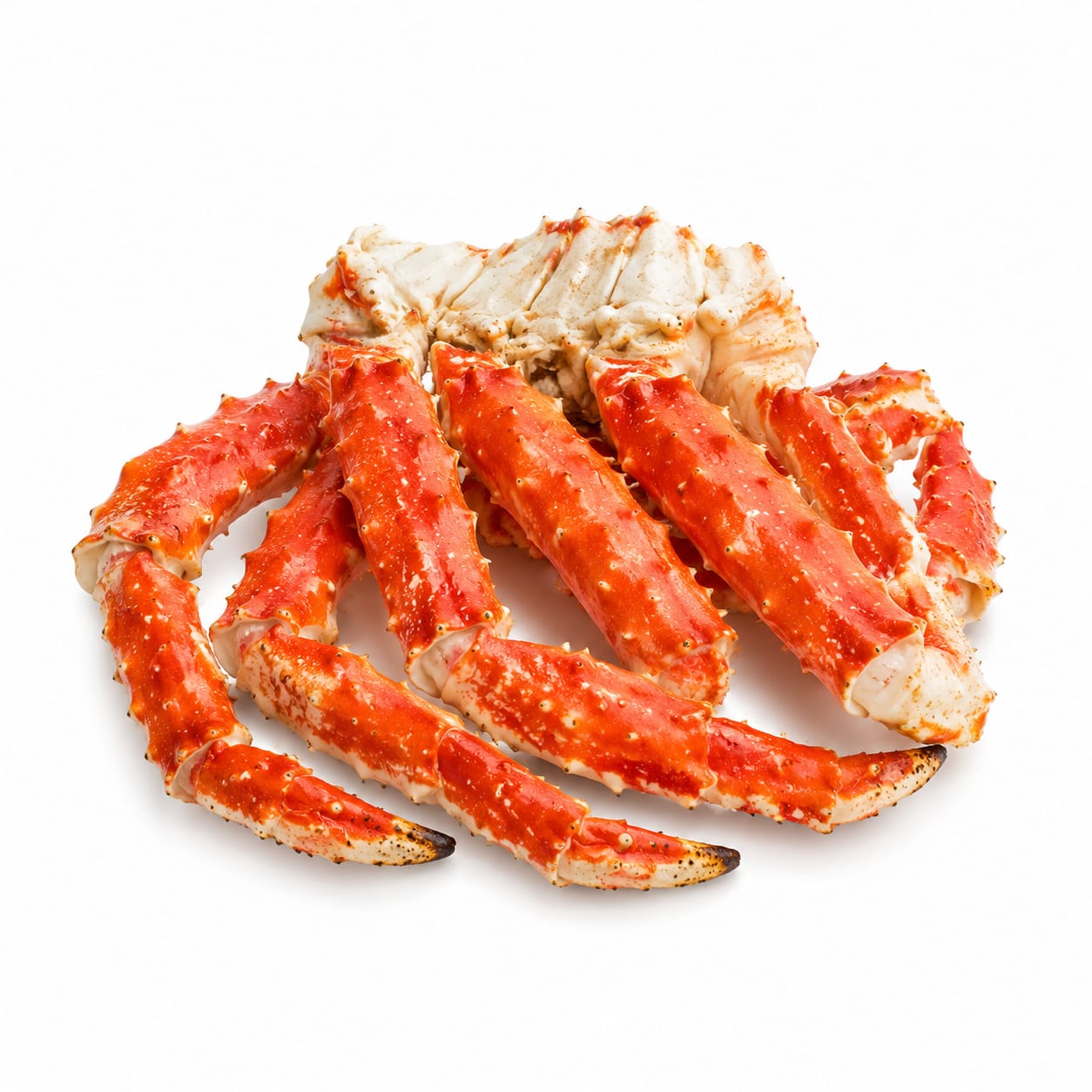
King Crab
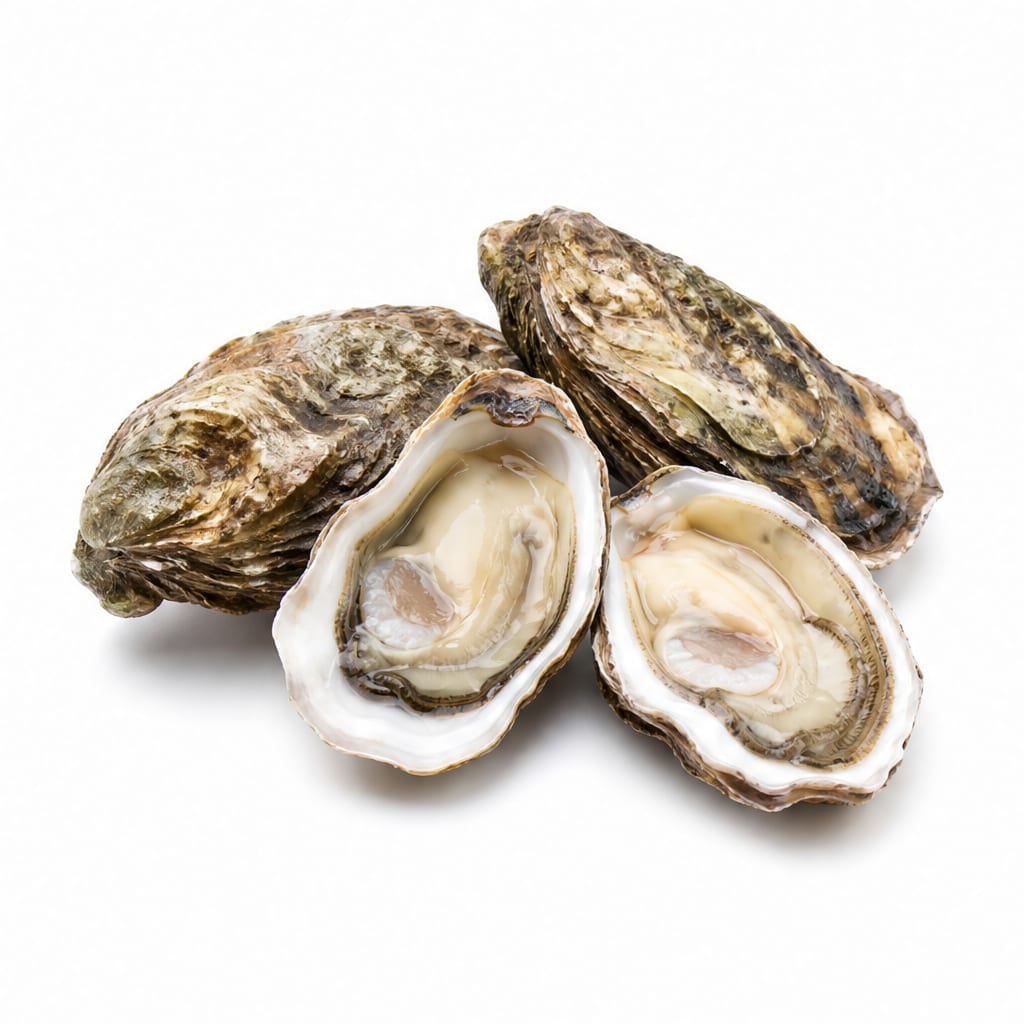
Oysters
King Crab is a protein powerhouse with better safety, while Oysters are an unmatched zinc and iron source that costs far less.
Oysters edge ahead due to unmatched zinc and iron content, lower cost, and everyday accessibility. King Crab scores well on protein and safety but loses ground on price and iron density.
Oysters give you extraordinary mineral density at a lower price but carry real raw-seafood risks; King Crab offers cleaner protein and safer eating but at luxury pricing.
At a glance
Executive summary
Overall
It depends
Healthier
It depends
More practical
Oysters
Daily use
Oysters
Key comparison lenses
mineral density comparison
Both are legendary for zinc, B12, and selenium but differ dramatically in which minerals dominate
raw vs cooked seafood safety
Oysters are frequently eaten raw which introduces serious contamination risk; King Crab is always cooked
immune and reproductive health support
Oysters are the single best dietary source of zinc, critical for immunity and testosterone
protein per calorie efficiency
King Crab delivers substantially more protein per serving while both are lean
luxury vs everyday accessibility
King Crab is extremely expensive and seasonal; Oysters are more affordable and widely available
Best choice for
King Crab
- Athletes needing high protein with minimal calories
- People avoiding raw seafood entirely
- Those watching sodium who can source fresh crab
- Special occasion meals where safety matters
Oysters
- Men seeking testosterone and fertility support
- Anyone deficient in zinc or iron
- Budget-conscious seafood lovers
- People wanting regular mineral-rich seafood
Least suitable for
King Crab
- Weekly meal prep on a budget
- People with shellfish allergies
- Those needing high iron intake
Oysters
- Immunocompromised individuals eating raw
- People with severe sodium restrictions if canned
- Anyone avoiding texture of raw shellfish
Deep comparison
Dimension by dimension
Each lens scores both foods and breaks down who each option suits.
- Dimension 1 · Priority 95Oysters
mineral density
King Crab · 72Oysters · 94Oysters dominate zinc and iron; King Crab leads in copper and selenium. Both excel at B12.
Tradeoff
A single serving of Oysters delivers over 500% of daily zinc needs, while King Crab provides roughly 30%. For iron, Oysters are dramatically superior.
Why it matters
Zinc supports immunity, wound healing, and testosterone. Iron prevents fatigue and anemia. These are common deficiencies, especially in women.
Real-world impact
Eating Oysters twice a week can meaningfully correct a zinc or iron gap. King Crab helps but cannot do the same heavy lifting for those minerals.
King Crab
- Copper intake for collagen and energy production
- Selenium for thyroid and antioxidant defense
Better for
- Low iron content limits usefulness for anemia-prone individuals
Worse for
Oysters
- Zinc for immune resilience and reproductive health
- Iron for energy and preventing anemia
- B12 for nerve function (slightly higher per serving)
Better for
- Lower selenium means less thyroid support per serving
Worse for
- Dimension 2 · Priority 82King Crab
protein content and quality
King Crab · 88Oysters · 62King Crab delivers roughly double the protein per serving compared to Oysters.
Tradeoff
King Crab provides about 16g protein per 3oz serving versus roughly 8g in Oysters. Both are complete proteins, but Crab is clearly more satiating.
Why it matters
Higher protein means better fullness, muscle maintenance, and blood sugar stability after meals.
Real-world impact
A King Crab dinner leaves you more satisfied. Oysters as a starter barely move the protein needle.
King Crab
- Post-workout recovery meals
- Older adults preserving muscle mass
- Making a lean protein the centerpiece of a meal
Better for
- Cost per gram of protein is extremely high compared to other lean proteins
Worse for
Oysters
- Light appetizer or snack where heavy protein feels excessive
Better for
- Need to eat large quantities to get meaningful protein
Worse for
- Dimension 3 · Priority 90King Crab
food safety and contamination risk
King Crab · 85Oysters · 55King Crab is always cooked, eliminating most pathogen risk. Raw Oysters carry serious Vibrio and norovirus dangers.
Tradeoff
Cooking Oysters eliminates most risk but also reduces some heat-sensitive nutrients and changes the experience entirely.
Why it matters
Vibrio vulnificus from raw Oysters kills roughly 100 Americans yearly. Immunocompromised people face disproportionate danger.
Real-world impact
A healthy adult might eat raw Oysters dozens of times without issue. One bad Oyster can cause severe illness or worse in vulnerable individuals.
King Crab
- Immunocompromised diners
- Pregnant women avoiding raw seafood
- Anyone prioritizing peace of mind at dinner
Better for
- Still a shellfish allergen; cross-contamination possible in restaurants
Worse for
Oysters
- Cooked Oyster preparations narrow the safety gap significantly
Better for
- Raw consumption carries real foodborne illness risk
- Warm-water harvesting increases Vibrio exposure
- Canned varieties can be very high in sodium
Worse for
- Dimension 4 · Priority 70It depends
sodium load
King Crab · 55Oysters · 68Fresh King Crab is moderate in sodium, but many commercial legs are pre-brined. Fresh Oysters are naturally low; canned Oysters are very high.
Tradeoff
Preparation and sourcing matter more than the food itself. A brined King Crab leg can exceed 900mg sodium per serving.
Why it matters
Sodium sensitivity affects blood pressure in roughly half the population. Hidden sodium in seafood catches people off guard.
Real-world impact
Restaurant King Crab often arrives saltier than expected. Canned smoked Oysters are sodium bombs. Always check labels or ask preparation methods.
King Crab
- Fresh unbrined Crab legs are moderate sodium and very manageable
Better for
- Pre-brined or frozen Crab legs can pack 2-3x the sodium of fresh
Worse for
Oysters
- Fresh raw Oysters are naturally low sodium
- Steamed fresh Oysters remain low sodium
Better for
- Canned and smoked Oysters often exceed 400mg per serving
Worse for
- Dimension 5 · Priority 78Oysters
affordability and accessibility
King Crab · 30Oysters · 72Oysters are reasonably priced and available year-round. King Crab is one of the most expensive proteins you can buy.
Tradeoff
King Crab legs routinely cost $30-60 per pound. Oysters run $1-3 each on the half shell or $10-15 per canned dozen.
Why it matters
A food you cannot afford regularly provides less real-world nutritional benefit than one you can eat weekly.
Real-world impact
Most people eat King Crab a few times per year at most. Oysters can become a weekly habit without breaking the bank.
King Crab
- Special occasions where luxury is the point
Better for
- Cost makes regular consumption unrealistic for most households
Worse for
Oysters
- Weekly mineral supplementation through food
- Restaurant dining on a moderate budget
- Home preparation without sticker shock
Better for
- Fresh shucking skill is needed for raw preparation at home
Worse for
- Dimension 6 · Priority 65It depends
omega-3 fatty acids
King Crab · 70Oysters · 72Both provide meaningful omega-3s but in modest absolute amounts compared to fattier fish like salmon.
Tradeoff
Oysters slightly edge out King Crab in total omega-3 content per serving, but neither is a top-tier source.
Why it matters
Omega-3s reduce inflammation and support heart and brain health. Getting them from diverse seafood sources is valuable.
Real-world impact
Think of both as light omega-3 contributors, not your primary strategy. Add salmon or sardines for real omega-3 coverage.
King Crab
- Still contributes to overall seafood omega-3 diversity
Better for
- Leaner meat means less total fat-soluble omega-3
Worse for
Oysters
- Slightly more EPA and DHA per calorie
- Good supplementary source alongside fattier fish
Better for
- Not enough to rely on as a primary omega-3 source
Worse for
Timeline
Health impact over time
Short-term
Hours to days
King Crab
- High protein promotes satiety without heaviness
- Sodium from brined legs can cause bloating within hours
- B12 boost supports same-day energy metabolism
Oysters
- Zinc hits can reduce duration of early cold symptoms if consumed promptly
- Raw Oysters may cause nausea or GI distress if contaminated
- Iron contributes to noticeable energy within days for deficient individuals
Long-term
Months to years
King Crab
- Consistent lean protein supports muscle preservation with aging
- Low iron limits usefulness for correcting chronic anemia
- Selenium contributes to long-term thyroid resilience
Oysters
- Regular zinc intake strengthens immune resilience over months
- Iron density supports correction of chronic deficiency in women
- Repeated raw consumption accumulates low-probability foodborne illness risk
Risk profile
Safety & processing
Both are whole natural seafood. The main concern is brining in frozen King Crab legs and sodium preservatives in canned Oysters. Fresh versions of both are as clean as protein gets.
King Crab
Shellfish allergy
highCrustacean shellfish is a top-8 allergen. Reactions can be severe or anaphylactic.
Heavy metal accumulation
lowKing Crab generally shows low mercury and cadmium levels compared to large predatory fish.
Sodium from brining
mediumMany commercially available King Crab legs are pre-brined in salt solution, dramatically increasing sodium content.
Oysters
Vibrio infection from raw consumption
highVibrio vulnificus and parahaemolyticus cause serious illness. Fatality rate for V. vulnificus in immunocompromised patients is significant.
Norovirus contamination
mediumOysters filter large volumes of water and concentrate viruses from contaminated harvest areas.
Heavy metals and contaminants
lowOysters can accumulate cadmium and lead from polluted waters. Sourcing from clean waters is important.
Who wins for whom
Audience fit
Same foods, different winners depending on your goal.
children
King CrabCooked King Crab eliminates raw-seafood risk that is particularly concerning for developing immune systems.
daily consumption
OystersOysters are affordable enough to eat regularly, providing consistent mineral replenishment that compounds over time.
diabetes
It dependsBoth are essentially zero-carb foods that will not spike blood sugar. Choose based on sodium tolerance and preference.
elderly
King CrabHigher protein helps prevent sarcopenia, and cooked preparation avoids dangerous foodborne illness in immune-weakened older adults.
muscle gain
King CrabDouble the protein per serving makes King Crab more useful for muscle repair and growth.
weight loss
King CrabHigher protein per calorie makes King Crab more satiating for fewer calories, supporting better portion control.
Your move
Decision guide
Choose King Crab
- You want maximum protein from a lean seafood source
- Food safety is non-negotiable, especially for vulnerable diners
- You are celebrating and cost is not the primary concern
- You need a low-calorie high-satiety protein option
Choose Oysters
- You want the most zinc-dense food available for immune or reproductive health
- Budget matters but you still want exceptional nutrient density
- You are comfortable with cooked preparations to manage safety
- Iron deficiency is a known concern, especially for menstruating women
Either works if
- You want B12 from whole food rather than supplements
- You are building diverse seafood rotation for omega-3 variety
- You tolerate shellfish and want lean protein options
Avoid both if
- You have a diagnosed shellfish allergy
- You are on a strict low-sodium diet and cannot control preparation
- You cannot verify seafood sourcing quality
Final recommendation
Eat Oysters regularly for unmatched zinc and iron at a fair price, but cook them if safety concerns you. Save King Crab for when protein content and special-occasion safety matter more than cost. Both deserve a place in a smart seafood rotation.
Practical
Consumer tips
- 1
Ask whether King Crab legs are pre-brined before ordering; fresh unbrined legs have half the sodium
- 2
Cook Oysters to 145°F to eliminate Vibrio risk while retaining most mineral content
- 3
Source Oysters from reputable harvesters with verified water quality reports, especially in summer months
- 4
Canned smoked Oysters are convenient but pack heavy sodium; rinse them before eating
- 5
King Crab is more affordable frozen than fresh but check for added sodium solutions on the label
- 6
Pregnant women should avoid raw Oysters entirely but can safely enjoy cooked Oysters and cooked King Crab
- 7
Six medium Oysters provide over a week's worth of zinc; no need to eat them daily