
Nutrition comparison
King Crab vs Lobster: Nutrition, Taste, and Health Comparison
King Crab vs Lobster - which is healthier? Compare calories, protein, sodium, and omega-3s to see which luxury seafood is right for your diet.
Overall winner · Lobster
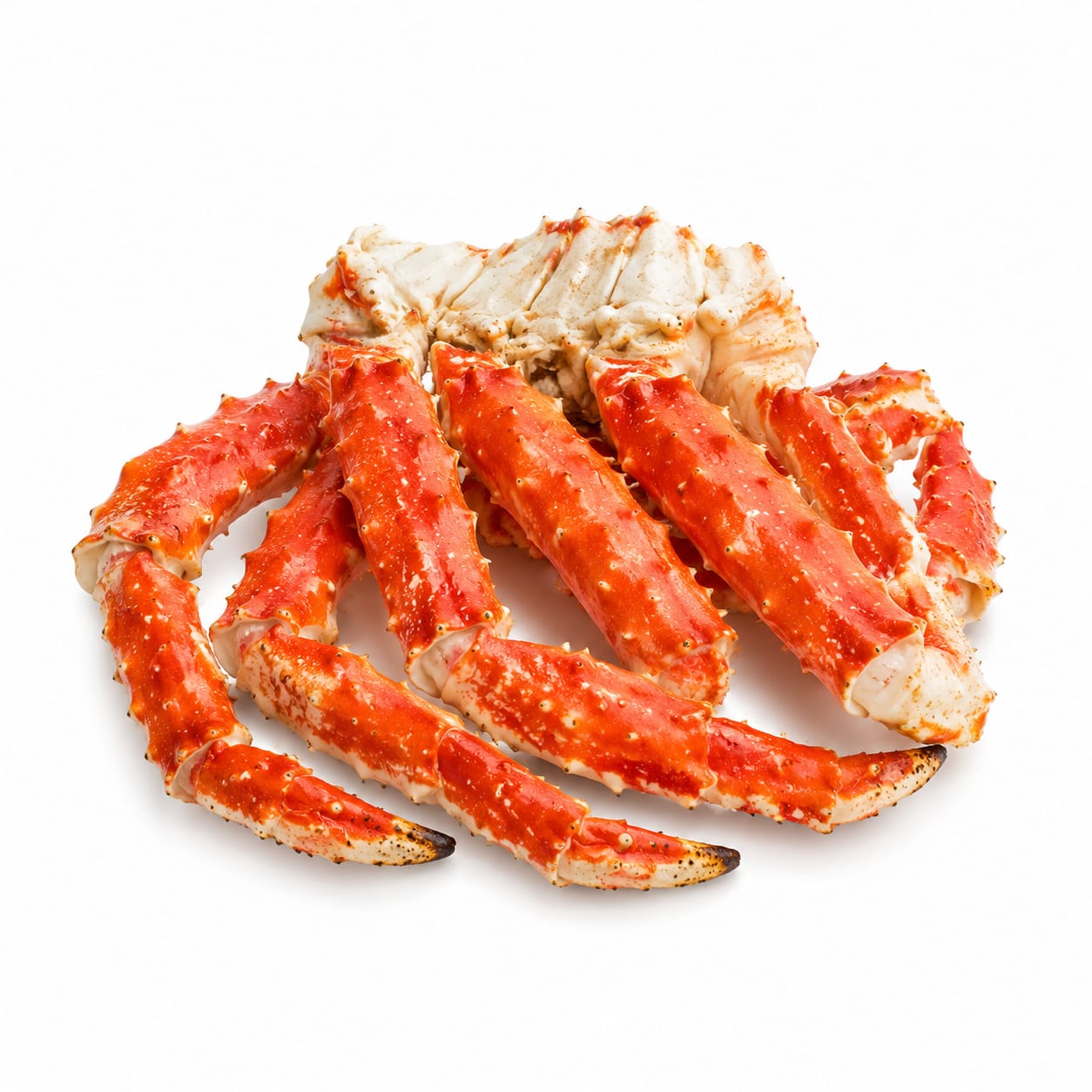
King Crab
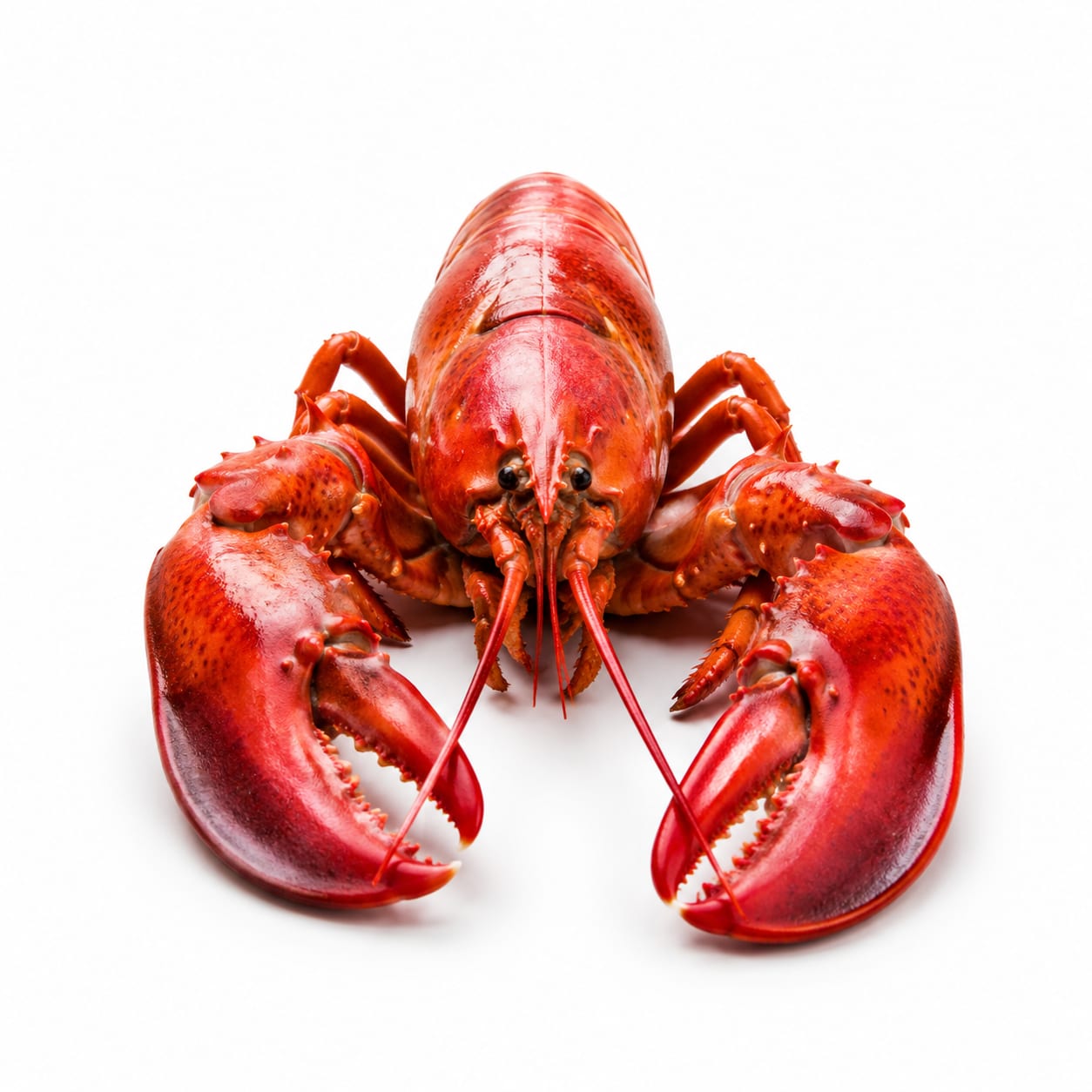
Lobster
Lobster wins for everyday health due to its lean profile and low sodium, while King Crab offers a richer, more nutrient-dense indulgence.
Lobster scores higher primarily due to its low sodium and calorie density, making it a safer regular choice. King Crab loses ground on sodium but remains highly nutritious.
You trade Lobster's lean, low-sodium profile for King Crab's richer taste, higher omega-3s, and broader mineral content.
At a glance
Executive summary
Overall
Lobster
Healthier
Lobster
More practical
Lobster
Daily use
Lobster
Key comparison lenses
Luxury protein source selection
Both are premium seafoods often chosen for special occasions rather than daily meals.
Sodium and heart health impact
King Crab is famously high in sodium due to processing, which is a major differentiator.
Lean versus rich protein tradeoff
Lobster is exceptionally lean while King Crab offers a richer, fattier profile.
Best choice for
King Crab
- People wanting a rich, luxurious treat
- Those needing extra zinc and magnesium for recovery
- Active individuals who can handle higher sodium
Lobster
- People watching their sodium intake
- Those seeking lean, low-calorie protein
- Anyone focusing on heart-healthy eating
Least suitable for
King Crab
- People with high blood pressure
- Those on a strict low-sodium diet
Lobster
- People looking for higher omega-3 fats in their protein
- Those wanting a naturally rich, buttery texture without added fats
Deep comparison
Dimension by dimension
Each lens scores both foods and breaks down who each option suits.
- Dimension 1 · Priority 90Lobster
Protein & Caloric Efficiency
King Crab · 75Lobster · 92Lobster delivers more protein per calorie, making it a leaner choice for muscle maintenance and weight management.
Tradeoff
King Crab provides more calories from fat, which adds richness but reduces protein density.
Why it matters
If you want maximum protein with minimal calories, Lobster is the clear winner.
Real-world impact
You can eat a full Lobster tail without feeling heavy, while King Crab feels more like a rich indulgence.
King Crab
- Bulking diets needing extra calories and fats
- Those preferring a naturally rich mouthfeel
Better for
- Strict calorie counters
- Low-fat diet followers
Worse for
Lobster
- Lean muscle gain
- Calorie-controlled diets
Better for
- Those who find lean meats unsatisfying without added butter
Worse for
- Dimension 2 · Priority 95Lobster
Sodium Load & Heart Health
King Crab · 35Lobster · 88King Crab is notoriously high in sodium due to processing brine, while Lobster is naturally much lower.
Tradeoff
You get incredible sweetness from King Crab, but at the cost of significant sodium intake.
Why it matters
High sodium can spike blood pressure and cause bloating, making Lobster much safer for regular consumption.
Real-world impact
Eating King Crab can leave you thirsty and bloated, whereas Lobster feels lighter and easier on the body.
King Crab
- Athletes who sweat heavily and need sodium replenishment
- People with no blood pressure concerns
Better for
- Salt-sensitive individuals
- Kidney disease patients
Worse for
Lobster
- People with hypertension
- Those watching their heart health
Better for
- Endurance athletes needing electrolyte replenishment from food
Worse for
- Dimension 3 · Priority 80King Crab
Micronutrient Density
King Crab · 89Lobster · 82King Crab packs more zinc, magnesium, and vitamin B12, while Lobster offers more selenium.
Tradeoff
King Crab gives a broader mineral profile, but Lobster excels in antioxidant selenium content.
Why it matters
Zinc and magnesium are crucial for immune function and muscle recovery, giving King Crab an edge for active individuals.
Real-world impact
Choosing King Crab can better support your immune system and recovery after intense workouts.
King Crab
- Boosting immune function
- Athletes needing magnesium for muscle recovery
Better for
- Those who only need basic protein and B12
Worse for
Lobster
- Supporting thyroid health
- Boosting antioxidant defenses with selenium
Better for
- People needing high zinc for immune support
Worse for
- Dimension 4 · Priority 75King Crab
Healthy Fats & Omega-3s
King Crab · 82Lobster · 55King Crab contains significantly more fat, including beneficial omega-3s, whereas Lobster is virtually fat-free.
Tradeoff
Lobster's leanness requires added fats for flavor, while King Crab brings its own rich fats.
Why it matters
Built-in omega-3s support brain and heart health without needing extra condiments.
Real-world impact
King Crab satisfies on its own, while Lobster often relies on drawn butter which adds saturated fat.
King Crab
- Getting omega-3s without supplements
- Those wanting a naturally rich flavor
Better for
- People on prescribed low-fat diets for gallbladder issues
Worse for
Lobster
- Strict low-fat diets
- Those who prefer controlling their fat sources separately
Better for
- Those trying to increase omega-3 intake from whole foods
Worse for
- Dimension 5 · Priority 85It depends
Culinary Versatility & Satisfaction
King Crab · 86Lobster · 86King Crab offers unmatched sweetness and ease of eating, while Lobster provides a classic, meaty chew.
Tradeoff
King Crab is effortless to eat but often limited to special occasions, while Lobster integrates into more recipes like rolls or bisques.
Why it matters
Your choice depends on whether you want a decadent, easy bite or a versatile, meaty dish.
Real-world impact
King Crab is the ultimate effortless luxury, while Lobster is the hands-on centerpiece of a seafood feast.
King Crab
- Effortless snacking and appetizers
- Impressing guests with premium sweetness
Better for
- Dishes requiring chopped meat mixed in
- Budget-friendly meals
Worse for
Lobster
- Lobster rolls and pasta dishes
- Traditional seafood boils
Better for
- Those who struggle with cracking shells
- Situations calling for a sweeter, more delicate flavor
Worse for
Timeline
Health impact over time
Short-term
Hours to days
King Crab
- Quick sodium hit that may cause thirst or bloating
- Rich, satisfying feeling from natural fats
Lobster
- Light, clean energy from lean protein
- May leave you hungry soon if not paired with carbs or fats
Long-term
Months to years
King Crab
- Risk of elevated blood pressure if consumed frequently due to sodium
- Better immune and muscle support from zinc and magnesium
Lobster
- Excellent heart-health profile from lean protein and selenium
- Low sodium supports healthy blood pressure long-term
Risk profile
Safety & processing
Both are whole, natural foods, but King Crab is almost always flash-frozen in a salt brine, which significantly increases its sodium content. Lobster is more commonly available live or fresh-frozen without added brine.
King Crab
High sodium from brining
mediumThe standard processing method for King Crab involves a salt brine that drastically increases sodium levels, posing a risk for blood pressure.
Heavy metal exposure
lowSome regions have higher cadmium levels in King Crab, particularly in the brown meat, though regulations generally keep this within safe limits.
Lobster
Shellfish allergy
highLobster is a common allergen that can cause severe, life-threatening anaphylactic reactions in sensitive individuals.
Gout flare-ups from purines
mediumLobster contains moderate to high levels of purines, which can trigger gout attacks in susceptible people.
Who wins for whom
Audience fit
Same foods, different winners depending on your goal.
children
LobsterLower sodium levels in Lobster are much safer for children's developing kidneys and blood pressure.
daily consumption
LobsterLobster's low sodium makes it a safer regular choice, though both are typically reserved for special occasions due to cost.
diabetes
LobsterLobster has zero carbs and lower sodium, reducing cardiovascular risk factors common in diabetes.
elderly
LobsterLobster's low sodium and high selenium support heart health and thyroid function in older adults.
muscle gain
LobsterLobster provides highly bioavailable, lean protein that supports muscle growth without excess calories.
weight loss
LobsterLobster is extremely low in calories and fat, making it an excellent lean protein for weight loss.
Your move
Decision guide
Choose King Crab
- You want a decadent, naturally sweet treat
- You need extra zinc and magnesium for recovery
- You are not sensitive to sodium
Choose Lobster
- You want lean, clean protein
- You are watching your blood pressure or sodium intake
- You prefer a versatile meat for various recipes
Either works if
- You want a high-protein, zero-carb luxury meal
- You are celebrating a special occasion
Avoid both if
- You have a severe shellfish allergy
- You are on a strict budget
- You have severe gout and must limit purines
Final recommendation
Lobster is the healthier everyday-leaning choice due to its lean protein and low sodium, but King Crab is unbeatable for a rich, nutrient-dense indulgence if you can handle the salt.
Practical
Consumer tips
- 1
Rinse King Crab meat slightly before eating to remove excess surface brine and reduce sodium.
- 2
Skip the heavy butter dipping with Lobster to keep it a truly heart-healthy meal.
- 3
Look for Alaskan King Crab specifically, as it tends to have stricter sustainability and purity standards.
- 4
If you have gout, limit portion sizes of both as they are moderately high in purines.