
Nutrition comparison
Jasmine Rice vs Wild Rice: Which Is Healthier?
Wild Rice beats Jasmine Rice for fiber, protein, antioxidants, and blood sugar stability. But Jasmine Rice wins on convenience and digestibility. See the full tradeoff breakdown.
Overall winner · Wild Rice
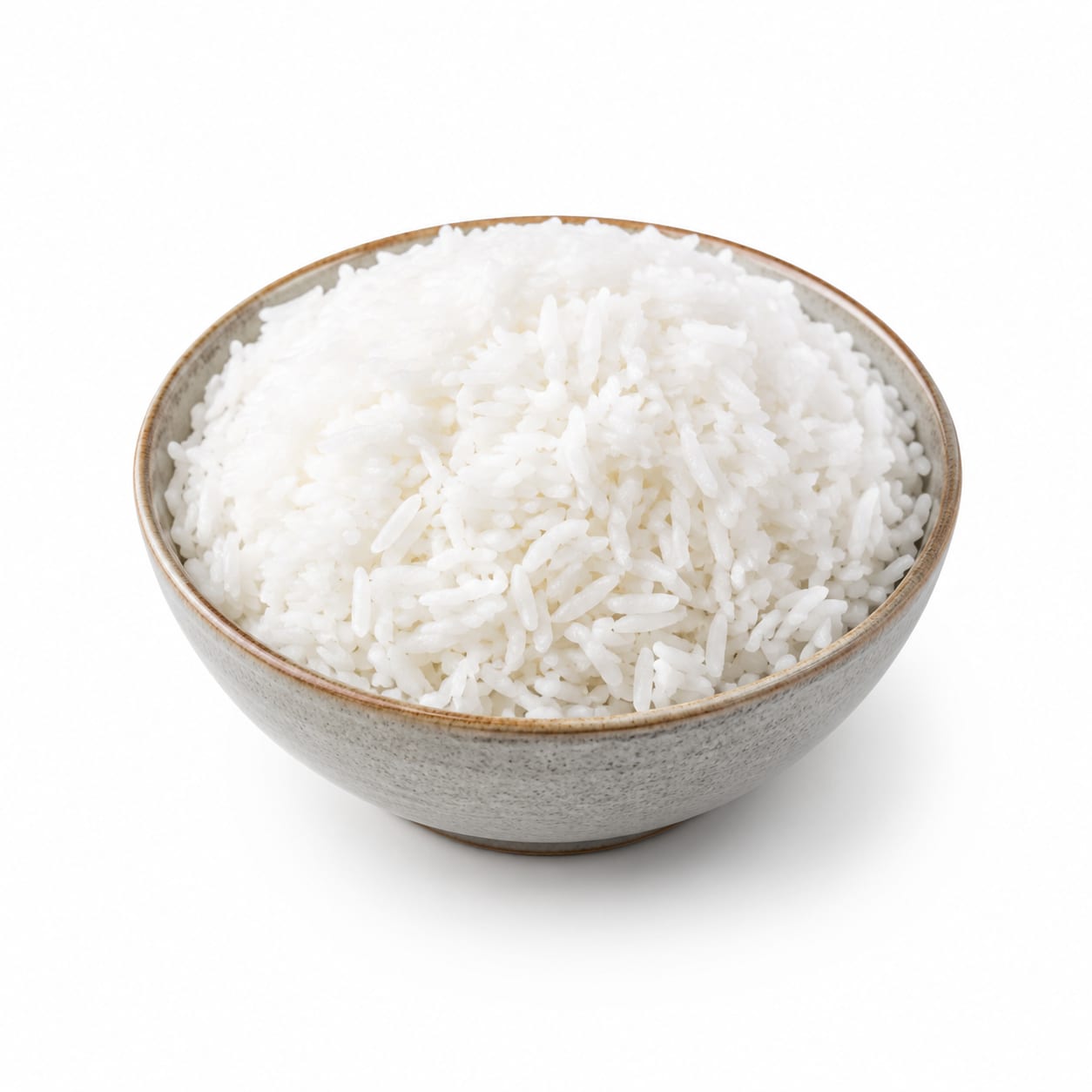
Jasmine Rice
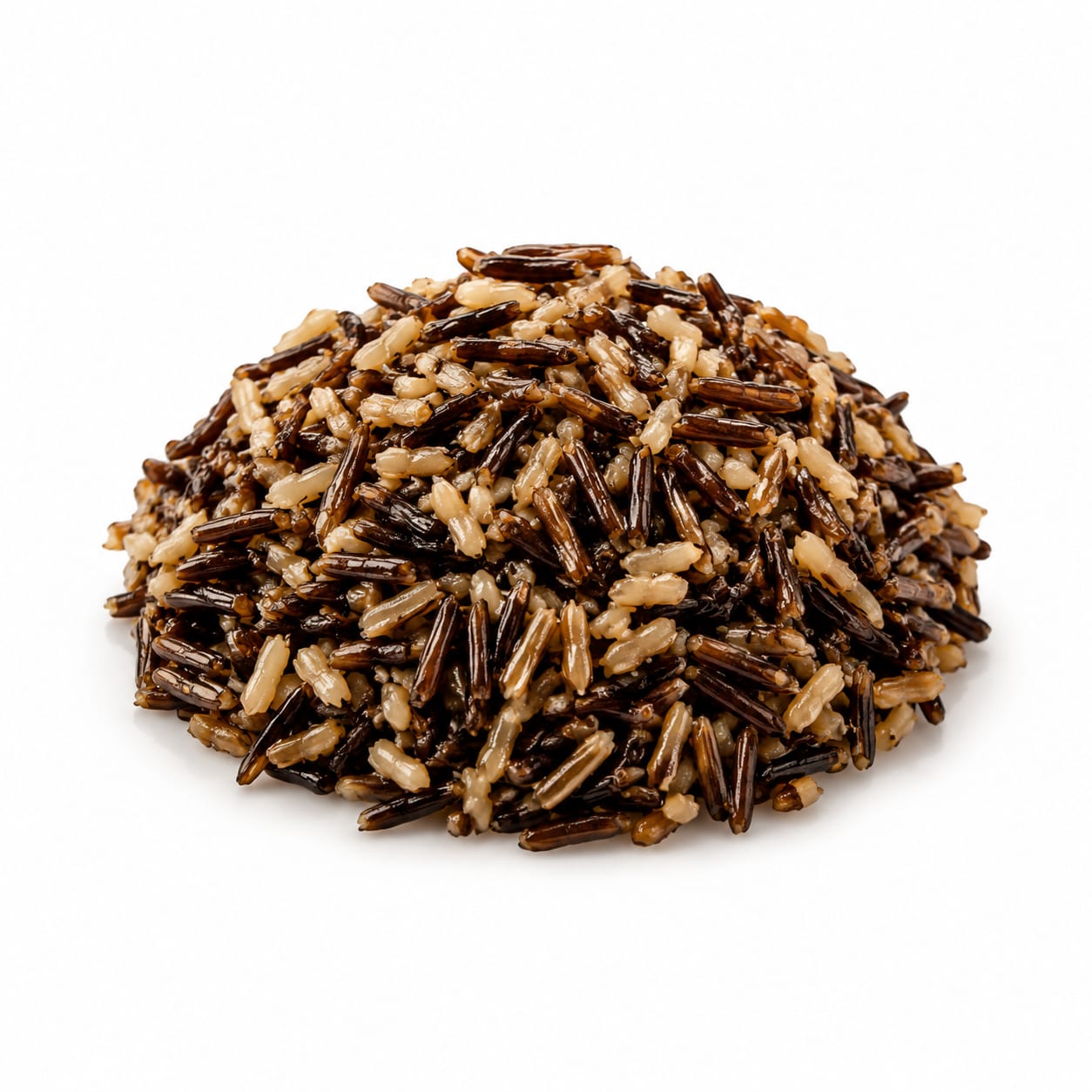
Wild Rice
Wild Rice wins on nutrition and blood sugar stability, but Jasmine Rice wins on convenience and comfort.
Wild Rice scores significantly higher due to superior fiber, protein, antioxidants, and blood sugar stability. Jasmine Rice remains relevant for specific situations like quick energy needs and digestive comfort, but falls short as a daily staple for most health-conscious eaters.
You trade quick energy and soft texture for sustained fullness and far better micronutrients.
At a glance
Executive summary
Overall
Wild Rice
Healthier
Wild Rice
More practical
Jasmine Rice
Daily use
Wild Rice
Key comparison lenses
blood sugar management
Jasmine Rice spikes blood sugar rapidly while Wild Rice provides steadier energy, making this the most consequential difference for most people
nutrient density vs comfort food tradeoff
Wild Rice delivers significantly more vitamins, minerals, and antioxidants but Jasmine Rice offers familiar comfort and easier digestibility
weight management and satiety
Wild Rice keeps you fuller longer due to fiber and protein content, while Jasmine Rice can trigger hunger soon after eating
everyday meal practicality
Jasmine Rice cooks faster and pairs with more dishes effortlessly, while Wild Rice requires longer cooking and has a more distinct flavor
Best choice for
Jasmine Rice
- Pre-workout carb loading when you need fast energy
- Post-workout recovery meals requiring quick glycogen replenishment
- People with digestive sensitivity who need easy-to-digest grains
- Families wanting a crowd-pleasing side dish that cooks in 15 minutes
- Anyone recovering from illness who needs gentle, bland calories
Wild Rice
- Steady energy throughout the day without afternoon crashes
- Weight management thanks to higher fiber and protein keeping you full
- Diabetics or anyone monitoring blood sugar closely
- People wanting to maximize nutrient intake per calorie eaten
- Heart health focused eaters benefiting from antioxidants and minerals
Least suitable for
Jasmine Rice
- People with diabetes or insulin resistance
- Anyone trying to lose weight while staying full
- Those seeking nutrient-dense whole grains
- People prone to energy crashes after carb-heavy meals
Wild Rice
- Athletes needing rapid carb absorption during competition
- People with difficulty chewing due to the chewier texture
- Busy weeknight cooks wanting dinner ready in under 20 minutes
- Picky eaters who expect a soft, neutral rice experience
Deep comparison
Dimension by dimension
Each lens scores both foods and breaks down who each option suits.
- Dimension 1 · Priority 95Wild Rice
Blood Sugar Stability
Jasmine Rice · 18Wild Rice · 82Jasmine Rice causes rapid blood sugar spikes, while Wild Rice provides slow, steady energy release.
Tradeoff
Jasmine Rice gives you quick energy when you need it, but crashes later. Wild Rice avoids the crash but will not give you that fast carb rush.
Why it matters
Blood sugar rollercoasters drive cravings, fatigue, and long-term metabolic risk. Stable energy means fewer snack attacks and better focus.
Real-world impact
A Jasmine Rice lunch can leave you hungry and sleepy by 3pm. Wild Rice keeps you going steadily until dinner.
Jasmine Rice
- Quick pre-workout fuel
- Post-exercise glycogen reload
- Hypoglycemia recovery when blood sugar is dangerously low
Better for
- Mid-morning energy crashes after breakfast
- Worsening insulin resistance over time
- Triggering hunger soon after eating
Worse for
Wild Rice
- Sustained afternoon energy
- Diabetes management
- Reducing sugar cravings between meals
Better for
- Situations requiring immediate carb absorption
- Endurance athletes mid-race who need fast glucose
Worse for
- Dimension 2 · Priority 90Wild Rice
Nutrient Density
Jasmine Rice · 15Wild Rice · 88Wild Rice delivers substantially more protein, fiber, B vitamins, magnesium, phosphorus, zinc, and antioxidants per serving.
Tradeoff
Jasmine Rice is mostly empty carbs with trace nutrients. Wild Rice earns its calories with meaningful nutrition.
Why it matters
Eating nutrient-poor carbs means you fill up on calories without giving your body what it actually needs, leading to overeating later.
Real-world impact
A cup of Wild Rice gives you roughly 7g protein and 3g fiber. Jasmine Rice gives you 4g protein and 0.4g fiber. That gap adds up daily.
Jasmine Rice
- Enriched varieties provide some added folate and iron
Better for
- Essentially empty calories stripped of bran and germ
- Minimal contribution to daily vitamin and mineral needs
Worse for
Wild Rice
- Anthocyanin antioxidants that fight inflammation
- Twice the protein of Jasmine Rice per serving
- Seven times more fiber per serving
- Significant magnesium and phosphorus for bone health
- Zinc for immune function
Better for
- Slightly lower calorie density means you may eat more volume to feel satisfied
Worse for
- Dimension 3 · Priority 85Wild Rice
Satiety and Fullness
Jasmine Rice · 22Wild Rice · 78Wild Rice keeps you full significantly longer due to its fiber and protein content.
Tradeoff
Jasmine Rice digests fast, which is great when you need light eating but terrible for hunger control.
Why it matters
Foods that leave you hungry an hour later lead to overeating and poor food choices throughout the day.
Real-world impact
A Wild Rice bowl at noon typically keeps you satisfied until dinner. Jasmine Rice often has you reaching for snacks by 2pm.
Jasmine Rice
- Light meals before exercise when you do not want a full stomach
- People who prefer eating smaller, more frequent meals
Better for
- Hunger returning quickly after meals
- Overeating at subsequent meals to compensate
Worse for
Wild Rice
- Weight loss efforts where staying full matters
- Long workdays without snack access
- Reducing between-meal cravings
Better for
- Feeling too full before intense exercise if eaten too close to activity
Worse for
- Dimension 4 · Priority 70Jasmine Rice
Digestive Tolerance
Jasmine Rice · 88Wild Rice · 55Jasmine Rice is extremely gentle on the digestive system. Wild Rice can be harder to digest for some people.
Tradeoff
Easy digestion comes at the cost of lost fiber and nutrients. Wild Rice is healthier but may cause bloating in sensitive guts.
Why it matters
People with IBS, recovery from illness, or sensitive stomachs need foods that do not trigger discomfort.
Real-world impact
Jasmine Rice is a go-to for upset stomachs and post-surgical recovery diets. Wild Rice might cause gas or heaviness in those same situations.
Jasmine Rice
- Upset stomach recovery
- Post-surgical bland diets
- IBS flare-ups when fiber needs to be minimized
- Morning sickness when only mild foods are tolerable
Better for
- Contributing to constipation due to near-zero fiber
- Does nothing to feed beneficial gut bacteria
Worse for
Wild Rice
- Promoting healthy gut microbiome through prebiotic fiber
- Supporting regular bowel movements
Better for
- Potential bloating or gas in fiber-sensitive individuals
- Too heavy for nausea or acute digestive illness
Worse for
- Dimension 5 · Priority 70Jasmine Rice
Convenience and Cooking
Jasmine Rice · 90Wild Rice · 40Jasmine Rice cooks in 15 minutes with a forgiving texture. Wild Rice takes 40-50 minutes and requires more attention.
Tradeoff
Speed and ease versus nutrition. You pay for convenience with empty calories.
Why it matters
On busy weeknights, a 15-minute side dish beats a 50-minute one. Convenience drives real-world food choices more than nutrition knowledge.
Real-world impact
Jasmine Rice is a weeknight staple because it is fast and foolproof. Wild Rice tends to be a weekend or meal-prep grain.
Jasmine Rice
- Weeknight dinners when time is tight
- Meal prep beginners who want foolproof results
- Families needing large batches quickly and cheaply
Better for
- None significant for convenience
Worse for
Wild Rice
- Weekend meal prep when you can batch cook
- Slow cooker and soup recipes where long cooking is fine
Better for
- Frustrating for impatient cooks
- Requires planning ahead or soaking to reduce cook time
- Easy to undercook, resulting in unpleasantly chewy texture
Worse for
- Dimension 6 · Priority 75Wild Rice
Antioxidant and Anti-inflammatory Value
Jasmine Rice · 8Wild Rice · 85Wild Rice is rich in anthocyanins and other antioxidants. Jasmine Rice has virtually none.
Tradeoff
Antioxidants do not change how a meal feels immediately, but they compound into meaningful long-term health differences.
Why it matters
Chronic inflammation drives heart disease, aging, and many cancers. Antioxidant-rich foods are one of the most impactful daily choices.
Real-world impact
Regularly choosing Wild Rice over refined grains contributes to long-term inflammation reduction, though you will not feel it meal by meal.
Jasmine Rice
- No meaningful antioxidant benefit
Better for
- Refined grain with antioxidant content stripped during milling
Worse for
Wild Rice
- Anthocyanins that rival some berries for antioxidant capacity
- Anti-inflammatory compounds that support heart health
- Phenolic compounds linked to reduced chronic disease risk
Better for
- Antioxidant benefits are cumulative and not immediately noticeable
Worse for
Timeline
Health impact over time
Short-term
Hours to days
Jasmine Rice
- Quick energy boost within 30 minutes of eating
- Possible sleepiness or brain fog 1-2 hours after a large serving
- Hunger returning within 2 hours of a typical portion
- Very gentle on an upset or sensitive stomach
Wild Rice
- Steady energy without the spike-and-crash pattern
- Comfortable fullness lasting 3-4 hours after eating
- Possible mild bloating if your body is not used to higher fiber
- Satisfaction from a hearty, chewy grain that feels like a real meal
Long-term
Months to years
Jasmine Rice
- Regular consumption linked to increased type 2 diabetes risk
- Minimal contribution to nutrient adequacy over months and years
- Possible contribution to chronic low-grade inflammation
- Weight gain risk if portions are not carefully controlled
Wild Rice
- Improved blood sugar regulation with regular consumption
- Better heart health markers from antioxidants and fiber
- Support for healthy gut microbiome diversity
- Easier weight management due to natural portion control from satiety
Risk profile
Safety & processing
Jasmine Rice is milled and polished, removing the bran and germ where most nutrients live. Wild Rice is a whole grain that retains its natural structure. Neither contains artificial additives, but Jasmine Rice has been significantly altered from its original state.
Jasmine Rice
Arsenic contamination
mediumRice accumulates arsenic more than other grains. Jasmine Rice, typically grown in Southeast Asia, can have variable arsenic levels depending on growing region and water source.
Enriched vitamin synthetic additives
lowSome enriched Jasmine Rice products add synthetic folate and iron. These are generally safe but are a sign of processing rather than natural nutrition.
Wild Rice
Arsenic contamination
lowWild Rice generally has lower arsenic levels than white rice varieties because it grows in different water conditions and is a different species entirely.
Cross-contamination with commercial rice
lowSome commercial Wild Rice products are blended with white or brown rice. Check labels if you want pure Wild Rice for maximum nutritional benefit.
Who wins for whom
Audience fit
Same foods, different winners depending on your goal.
children
It dependsJasmine Rice is easier for kids to chew and more familiar in taste, but Wild Rice provides nutrients growing bodies need. Mixing both is often the best approach for families.
daily consumption
Wild RiceWild Rice provides more nutritional value per serving and supports long-term health better as a daily staple. Jasmine Rice is fine occasionally but falls short as an everyday grain.
diabetes
Wild RiceWild Rice has a significantly lower glycemic index and more fiber, causing gentler blood sugar responses. Jasmine Rice is one of the worst grain choices for blood sugar control.
elderly
It dependsJasmine Rice is gentler on aging digestive systems and easier to chew for those with dental issues. Wild Rice offers nutrients that support bone and heart health in older adults. Individual health priorities determine the better choice.
muscle gain
Jasmine RiceJasmine Rice delivers fast-digesting carbs that efficiently replenish glycogen after intense training, making it a staple for athletes in caloric surplus.
weight loss
Wild RiceWild Rice provides more fullness per calorie, reducing the urge to overeat. Its fiber and protein naturally moderate portions without requiring willpower.
Your move
Decision guide
Choose Jasmine Rice
- You need fast-digesting carbs before or after intense exercise
- You have digestive issues requiring a bland, low-fiber grain
- You are cooking for picky eaters who resist new textures
- You need dinner on the table in under 20 minutes on a Tuesday night
- You are recovering from illness and need gentle calories
Choose Wild Rice
- You want steady energy without afternoon crashes
- You are managing blood sugar, insulin resistance, or diabetes
- You want to maximize nutrition per calorie you consume
- You are trying to lose weight or maintain weight without hunger
- You care about long-term heart health and inflammation reduction
Either works if
- You are mixing grains for a balanced texture and flavor profile
- You rotate between grains throughout the week for variety
- Calorie budget is your main concern and portions are controlled
Avoid both if
- You have a confirmed rice allergy or grain sensitivity
- You are on a strict very-low-carb or ketogenic diet
- You are eliminating all grains for autoimmune protocol reasons
Final recommendation
Make Wild Rice your default grain for everyday meals. Its fiber, protein, and antioxidants deliver real health benefits that compound over time. Keep Jasmine Rice as an occasional choice for post-workout meals, digestive recovery, or when you need comfort food. If the texture or cook time of Wild Rice is a barrier, try blending both: half Wild Rice for nutrition, half Jasmine Rice for softness and speed.
Practical
Consumer tips
- 1
Soak Wild Rice for a few hours or overnight to cut cooking time nearly in half
- 2
Mix Wild Rice and Jasmine Rice together for a compromise on texture, nutrition, and cook time
- 3
Rinse Jasmine Rice before cooking to reduce surface arsenic and improve texture
- 4
Batch cook Wild Rice on weekends and refrigerate or freeze portions for quick weeknight use
- 5
Check Wild Rice labels to ensure you are getting pure Wild Rice, not a blend padded with cheaper grains
- 6
Add a splash of broth instead of water when cooking Wild Rice to enhance its naturally nutty flavor
- 7
If blood sugar is a concern, pair Jasmine Rice with protein and healthy fat to slow glucose absorption