
Nutrition comparison
Jasmine Rice vs White Rice: Which Is Healthier for Daily Eating?
Compare Jasmine Rice and White Rice on glycemic index, arsenic levels, cost, and taste. Find out which refined grain is the smarter choice for your health goals and budget.
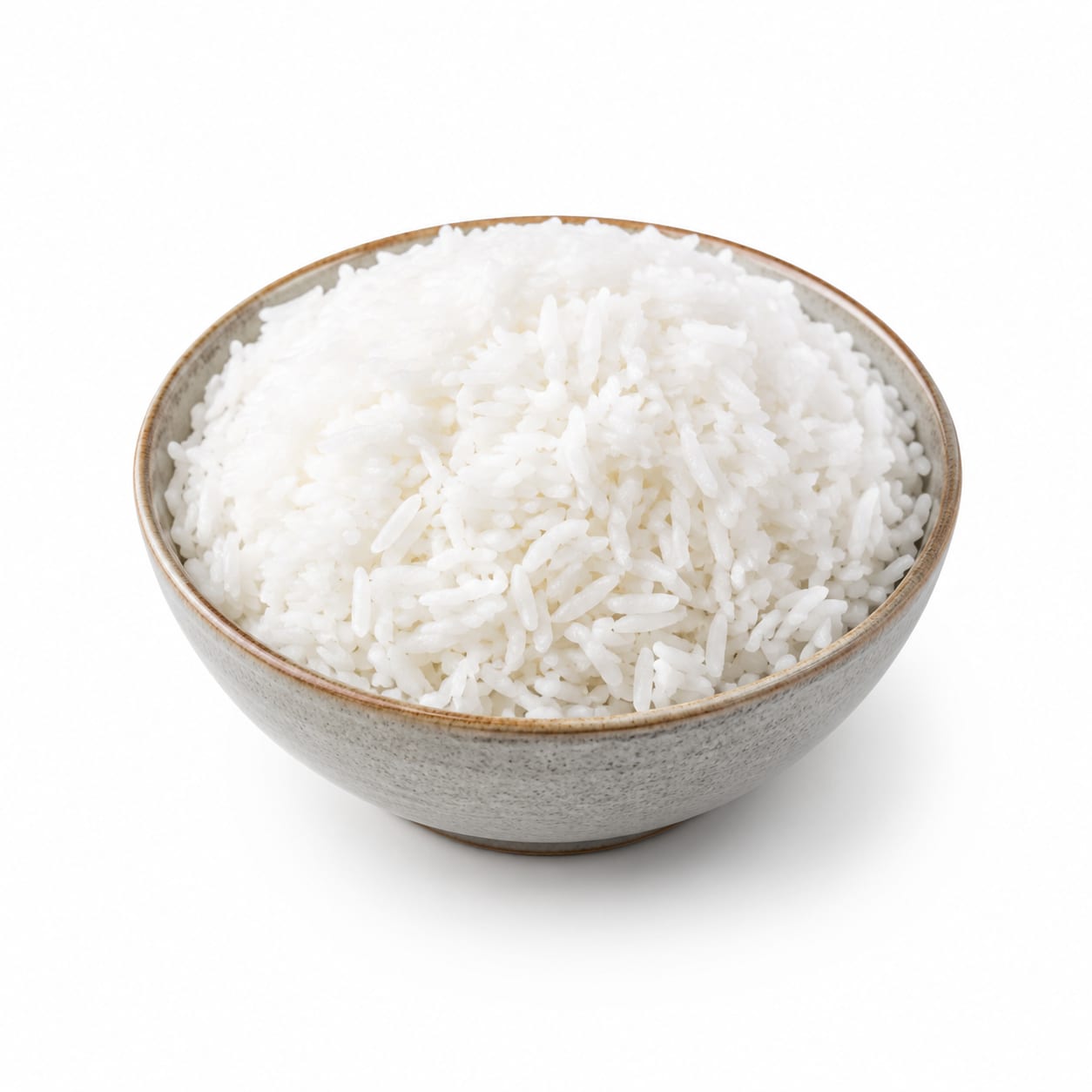
Jasmine Rice
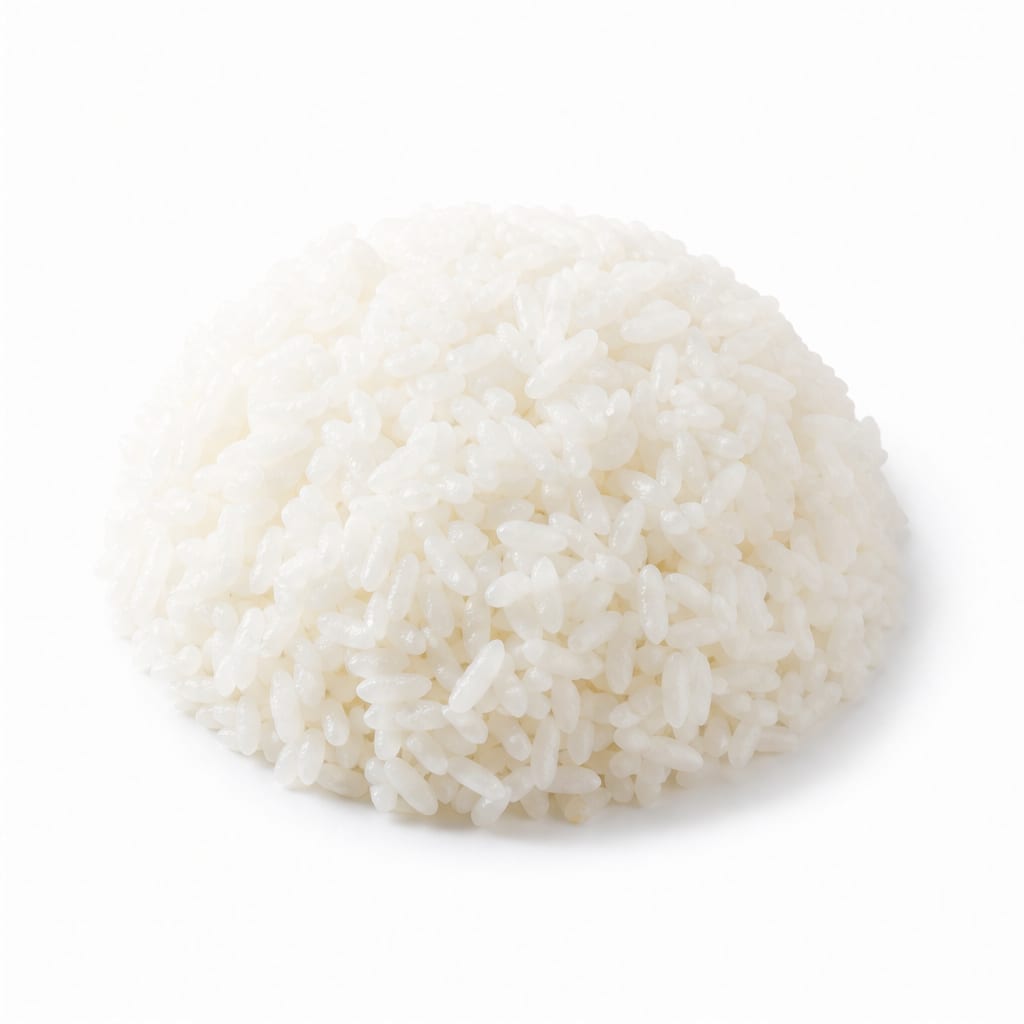
White Rice
Jasmine Rice wins on aroma and enjoyment, while regular White Rice has a slightly lower glycemic index and lower cost. Nutritionally they are nearly identical.
White Rice scores slightly higher due to its marginally lower glycemic index, lower cost, and wider availability. Jasmine Rice trades these advantages for superior aroma and eating satisfaction. The gap is small because both are nutritionally similar refined grains.
Fragrance and eating pleasure versus slightly better blood sugar control and affordability
At a glance
Executive summary
Overall
It depends
Healthier
White Rice
More practical
White Rice
Daily use
White Rice
Key comparison lenses
blood sugar and glycemic impact
Both are refined carbs with high glycemic indexes, but Jasmine Rice spikes blood sugar faster, making this the most critical health differentiator
culinary experience and satisfaction
Jasmine Rice offers aromatic fragrance and softer texture that enhances meal enjoyment, which matters for sustainable eating habits
arsenic and contamination safety
Rice is a known source of arsenic exposure, and origin differences between Thai Jasmine Rice and typical US White Rice affect contamination levels
daily staple sustainability
Users choosing between these are often deciding what to eat daily, so long-term metabolic impact matters more than single-meal nutrition
cost and accessibility
Jasmine Rice is typically pricier, which affects feasibility as an everyday staple for budget-conscious consumers
Best choice for
Jasmine Rice
- Those who value aromatic, flavorful rice as part of their culinary culture
- People seeking a more satisfying eating experience to prevent overeating
- Thai and Southeast Asian dishes where fragrance is essential
- Individuals wanting lower arsenic exposure from Thai-sourced grains
White Rice
- Budget-conscious households needing an affordable daily staple
- People managing blood sugar who want the slightly lower glycemic option
- Meal preppers wanting firmer, more separated grains that reheat well
- Those eating rice multiple times daily who need to minimize metabolic strain
Least suitable for
Jasmine Rice
- People with diabetes or insulin resistance who need to minimize blood sugar spikes
- Those on tight budgets who eat rice daily
- Anyone already struggling with portion control around refined carbs
White Rice
- Cooking authentic Southeast Asian cuisine where aroma matters
- People who find plain rice unsatisfying and end up eating more of it
- Those specifically seeking Thai-sourced rice for lower arsenic levels
Deep comparison
Dimension by dimension
Each lens scores both foods and breaks down who each option suits.
- Dimension 1 · Priority 95White Rice
blood sugar stability
Jasmine Rice · 22White Rice · 35Jasmine Rice has a glycemic index around 89-96, while regular long-grain White Rice sits around 73-80. Both spike blood sugar, but Jasmine does it faster.
Tradeoff
Jasmine Rice delivers a quicker energy hit but causes sharper crashes, while White Rice provides a slightly more gradual rise
Why it matters
If you eat rice daily, even small glycemic differences compound over months into meaningful metabolic strain
Real-world impact
After a Jasmine Rice meal you may feel hungry again sooner and experience that afternoon energy dip more intensely
Jasmine Rice
- Post-workout quick glycogen replenishment
- Active individuals needing fast carbohydrate energy
Better for
- Anyone monitoring blood sugar closely
- Late dinners where a spike disrupts sleep quality
Worse for
White Rice
- Managing prediabetes or insulin resistance
- Sustained energy through long workdays
- Reducing cravings between meals
Better for
- Immediate post-exercise recovery where fast carbs help
Worse for
- Dimension 2 · Priority 85Jasmine Rice
aroma and eating satisfaction
Jasmine Rice · 88White Rice · 40Jasmine Rice contains 2-acetyl-1-pyrroline, the same compound found in pandan leaves, giving it a distinctive floral, buttery aroma that White Rice completely lacks.
Tradeoff
You sacrifice slightly on glycemic control but gain a noticeably more enjoyable eating experience that can make smaller portions feel more satisfying
Why it matters
Enjoyment matters for sustainability. Bland food often leads to overeating or abandoning healthier portions
Real-world impact
A small bowl of Jasmine Rice with curry feels like a complete meal, while the same portion of plain White Rice may leave you reaching for seconds
Jasmine Rice
- Curry and stew dishes where rice absorbs flavor
- Meals where rice is the centerpiece rather than a side
- Emotional and cultural comfort food occasions
Better for
- Delicate dishes where the fragrance overpowers subtle ingredients
Worse for
White Rice
- Dishes where rice should stay neutral and not compete with other flavors
- Sushi or rice bowls where stickiness and structure matter more than aroma
Better for
- Any meal where bland rice makes the whole plate feel less satisfying
Worse for
- Dimension 3 · Priority 75Jasmine Rice
arsenic and contamination safety
Jasmine Rice · 55White Rice · 40Thai-grown Jasmine Rice generally contains less inorganic arsenic than White Rice grown in the southern United States, though both carry some risk.
Tradeoff
Jasmine Rice sourced from Thailand often has lower arsenic, but supply chain variability means this is not guaranteed
Why it matters
For daily rice eaters, arsenic exposure accumulates over years and affects long-term health outcomes including cancer risk
Real-world impact
If rice is your everyday grain, choosing Thai Jasmine could meaningfully reduce your lifetime arsenic burden compared to generic US-grown White Rice
Jasmine Rice
- Daily rice consumers concerned about long-term arsenic exposure
- Families feeding rice to young children regularly
Better for
- Brands that source from high-arsenic regions without transparent testing
Worse for
White Rice
- Occasional rice eaters for whom arsenic accumulation is minimal
Better for
- US-grown varieties from southern states with known high arsenic soil
Worse for
- Dimension 4 · Priority 55White Rice
cost and accessibility
Jasmine Rice · 35White Rice · 80Regular White Rice is one of the cheapest staple foods globally. Jasmine Rice typically costs 50-100% more per pound.
Tradeoff
White Rice stretches your food budget further, while Jasmine Rice costs more for a better sensory experience
Why it matters
For households eating rice daily, the price difference compounds into real monthly budget impact
Real-world impact
A family of four eating rice daily could save $15-30 per month choosing White Rice over Jasmine
Jasmine Rice
- Special occasion meals where the experience justifies the cost
- Smaller portions where the price difference is minimal
Better for
- Daily consumption for budget-constrained households
Worse for
White Rice
- Large families on tight budgets
- Meal prepping in bulk
- Food service and restaurant cost management
Better for
- Cultural or authenticity expectations where substitution feels like a compromise
Worse for
- Dimension 5 · Priority 70It depends
satiety and portion control
Jasmine Rice · 48White Rice · 45Jasmine Rice is softer and more fragrant, which can increase satisfaction with smaller portions. White Rice has firmer grains that feel lighter per bite but are easier to overeat mindlessly.
Tradeoff
Aroma helps you feel satisfied with less, but the softer texture also makes it easier to eat large quantities quickly
Why it matters
Both are low-fiber refined carbs that barely trigger fullness signals, so the sensory experience becomes your main portion control tool
Real-world impact
You might eat less Jasmine Rice because the aroma makes the experience feel complete sooner, or you might eat more because it is so easy to keep scooping
Jasmine Rice
- Mindful eaters who slow down and savor aroma
- Smaller portion meals where satisfaction per bite matters
Better for
- Fast eaters who barely notice aroma before finishing
- Buffet-style eating where soft rice disappears quickly
Worse for
White Rice
- Those who prefer firmer texture that naturally slows eating pace
- Grain bowls where you want distinct, separate rice grains
Better for
- Meals where bland rice leads to adding extra sauce or larger portions for satisfaction
Worse for
Timeline
Health impact over time
Short-term
Hours to days
Jasmine Rice
- Faster blood sugar rise within 30-60 minutes of eating
- Quick energy boost suitable for post-exercise recovery
- Potential energy crash 2-3 hours after a large portion
- Softer texture may cause faster eating and delayed fullness signals
White Rice
- Slightly more gradual blood sugar rise compared to Jasmine Rice
- Moderate energy sustained for a marginally longer window
- Less dramatic crash but still significant for a refined grain
- Firmer grains may slow eating pace slightly
Long-term
Months to years
Jasmine Rice
- Daily consumption may increase insulin resistance risk more than White Rice due to higher glycemic load
- Lower arsenic exposure if consistently sourced from Thailand
- Greater meal satisfaction may support healthier relationships with food
- Similar micronutrient deficiency risk as White Rice since both are refined
White Rice
- Slightly lower daily glycemic burden when eaten regularly
- Higher arsenic exposure risk depending on growing region, especially US southern states
- Lower cost enables more consistent access to adequate calories
- Both carry identical risks of weight gain and metabolic strain when overconsumed
Risk profile
Safety & processing
Both Jasmine Rice and White Rice are milled and polished refined grains with similar processing. Neither contains artificial additives. The key difference is that Jasmine Rice is a specific aromatic variety, while White Rice is a generic category that includes many varieties with different milling degrees. Both have had their bran and germ removed, stripping away most fiber, vitamins, and minerals.
Jasmine Rice
inorganic arsenic
mediumThai Jasmine Rice generally tests lower in arsenic than US-grown rice, but levels vary by brand and region. Rinsing thoroughly and cooking with excess water reduces arsenic by 30-50%.
spoilage and mycotoxins
lowProperly stored dry rice has minimal spoilage risk. Moisture exposure can lead to mold and mycotoxin contamination in any rice variety.
White Rice
inorganic arsenic
highUS-grown White Rice, especially from southern states like Arkansas and Texas, often contains significantly higher arsenic levels than Thai or Californian rice. Daily consumption compounds exposure.
enrichment additive absorption
lowEnriched White Rice contains added folic acid and iron. While generally safe, some people prefer to avoid synthetic fortification and get nutrients from whole foods instead.
Who wins for whom
Audience fit
Same foods, different winners depending on your goal.
children
Jasmine RiceLower arsenic risk from Thai sourcing matters more for children's developing bodies, and the pleasant aroma may encourage picky eaters to eat balanced meals.
daily consumption
White RiceLower cost, slightly better glycemic profile, and wider availability make White Rice more practical and metabolically sustainable as a daily staple.
diabetes
White RiceThe lower glycemic index of regular long-grain White Rice creates a slightly less dramatic blood sugar spike, making it the marginally safer choice for glucose management.
elderly
White RiceSofter Jasmine Rice may seem easier to chew, but its faster blood sugar spike is more concerning for older adults with declining insulin sensitivity.
muscle gain
Jasmine RiceHigher glycemic index makes Jasmine Rice better for post-workout glycogen replenishment when quick carb absorption supports recovery and muscle protein synthesis.
weight loss
White RiceSlightly lower glycemic index means marginally less insulin response and fat storage signaling, though neither is ideal for weight loss. The difference is small but consistent.
Your move
Decision guide
Choose Jasmine Rice
- You eat rice a few times per week and want each meal to feel special
- Arsenic exposure is a concern, especially for children in your household
- You cook Southeast Asian dishes where the aroma is culturally expected
- You are an athlete using rice for post-workout carb loading
- Smaller portions satisfy you when the food smells and tastes great
Choose White Rice
- You eat rice daily and need to minimize cumulative glycemic load
- Budget is a primary concern for your household
- You want firmer, more separated grains for meal prep and grain bowls
- You are managing prediabetes, diabetes, or insulin resistance
- You live in a region where White Rice is locally grown and fresher
Either works if
- You only eat rice occasionally and the health differences are negligible
- You pair rice with plenty of protein, fiber, and healthy fats that blunt glycemic impact
- You rinse thoroughly and cook with excess water to reduce arsenic regardless of variety
- Both are available and cost is not a deciding factor
Avoid both if
- You have severe blood sugar dysregulation and need low-glycemic carb sources
- You are following a low-carb or ketogenic dietary approach
- You need high-fiber grains for digestive health and satiety
- You are trying to reduce refined carbohydrate dependence overall
Final recommendation
For most people eating rice daily, regular White Rice is the slightly smarter choice due to its lower glycemic index and cost. However, if you eat rice a few times per week, Jasmine Rice offers a more satisfying experience and potentially lower arsenic exposure. The real decision is not between these two refined grains but whether to occasionally swap either for brown rice, quinoa, or cauliflower rice to add fiber and reduce glycemic load.
Practical
Consumer tips
- 1
Rinse any rice thoroughly before cooking to reduce surface arsenic and starch
- 2
Cook rice in excess water and drain it like pasta to cut arsenic levels by up to 50%
- 3
Pair either rice with vinegar, lemon juice, or healthy fats to lower the glycemic response of the meal
- 4
Buy Jasmine Rice sourced from Thailand and White Rice from California for the lowest arsenic options
- 5
Refrigerate cooked rice overnight and reheat it to create resistant starch, which lowers glycemic impact by 10-15%
- 6
Avoid eating either rice as a standalone meal. Always combine with protein and vegetables
- 7
Store rice in airtight containers away from moisture and heat to prevent spoilage and mycotoxin growth
- 8
Consider alternating between Jasmine Rice, White Rice, and whole grains like brown rice or quinoa throughout the week