
Nutrition comparison
Jasmine Rice vs Sushi Rice: Which Is Healthier for Daily Eating?
Compare Jasmine Rice and Sushi Rice on blood sugar impact, satiety, digestion, and daily use. Learn which white rice is the smarter choice for your health goals.
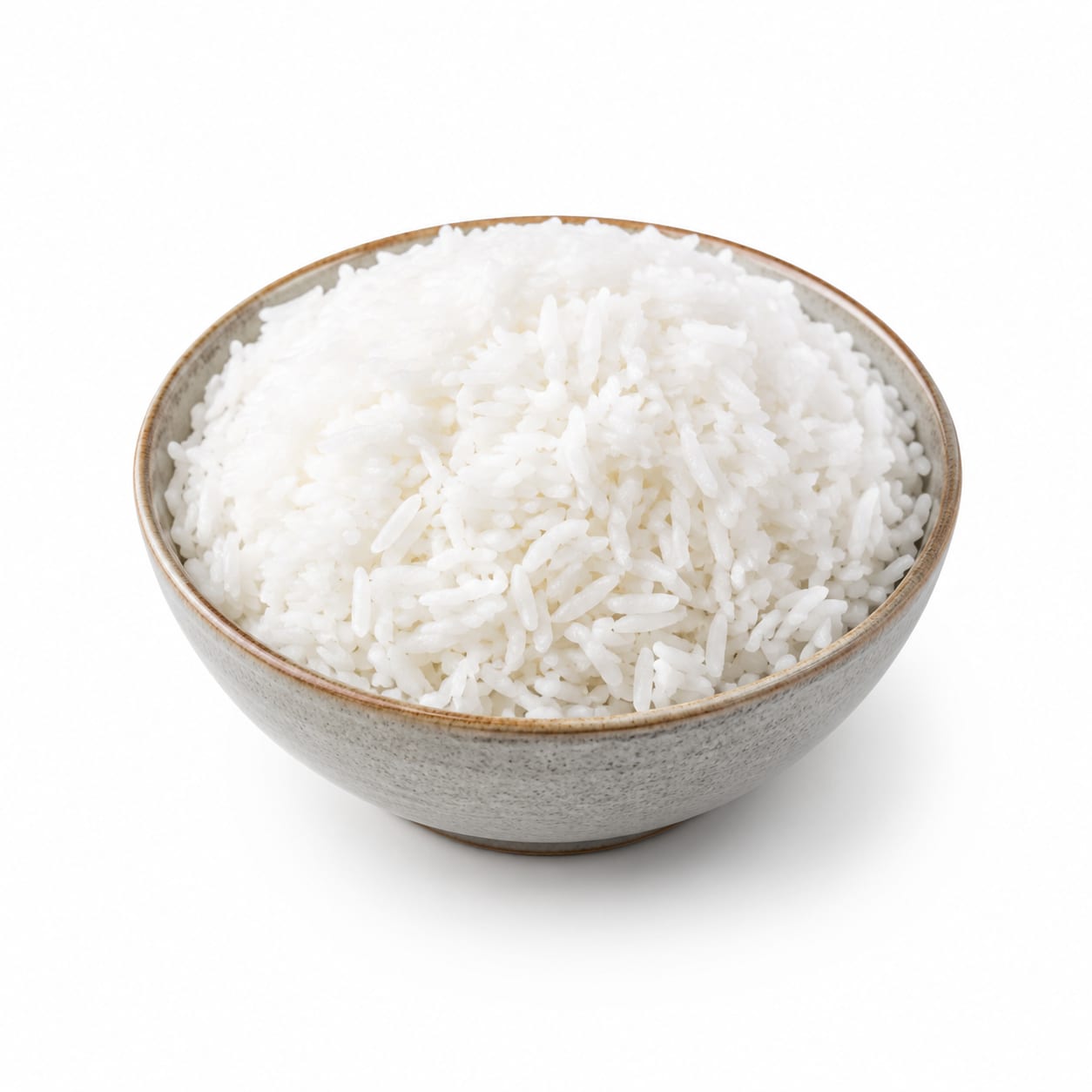
Jasmine Rice
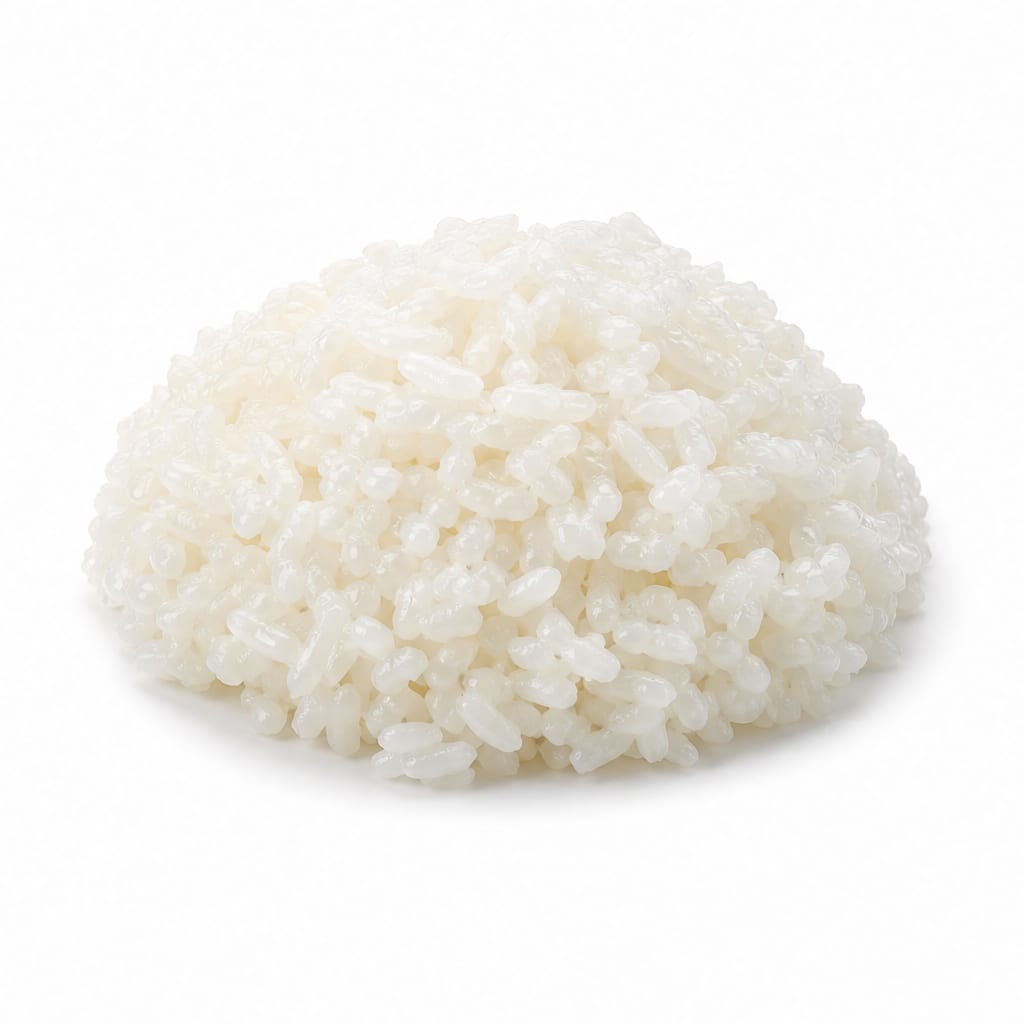
Sushi Rice
Jasmine Rice has a slightly gentler blood sugar impact and fluffier texture, while Sushi Rice offers better chopstick handling and a more satisfying chew. Neither is a nutritional standout.
Jasmine Rice scores modestly higher due to a slightly lower glycemic impact and easier portion control from its fluffier texture. Sushi Rice loses points for faster blood sugar spikes and overeating potential, though it wins on culinary satisfaction for specific dishes.
Slightly steadier energy with Jasmine Rice versus more culinary satisfaction and stickiness with Sushi Rice.
At a glance
Executive summary
Overall
It depends
Healthier
Jasmine Rice
More practical
Jasmine Rice
Daily use
Jasmine Rice
Key comparison lenses
blood sugar and glycemic impact
Both are high-glycemic white rices, but their starch profiles create meaningful differences in how quickly they spike blood sugar
culinary versatility and meal pairing
Texture and stickiness differ significantly, affecting what dishes each rice works best in and how satisfying meals feel
satiety and overeating potential
Stickier rice tends to be eaten faster and in larger quantities, impacting portion control and fullness cues
daily sustainability and habit formation
Users choosing between these rices often eat one daily, so long-term metabolic effects matter
preparation convenience
Both are easy to cook but sushi rice requires seasoning and more careful preparation for authentic use
Best choice for
Jasmine Rice
- People managing blood sugar who still want white rice
- Those preferring fluffier, less sticky grains
- Everyday side dish for curries and stir-fries
- Anyone wanting simpler preparation without seasoning steps
Sushi Rice
- Athletes needing quick post-workout carbs
- People who eat with chopsticks regularly
- Anyone making sushi or onigiri at home
- Those who find sticky rice more satisfying and filling
Least suitable for
Jasmine Rice
- Making sushi or rice balls that need to hold together
- People who prefer a chewier, stickier mouthfeel
- Traditional Japanese dishes requiring short-grain texture
Sushi Rice
- People with diabetes or insulin resistance
- Anyone prone to blood sugar crashes
- Dishes where separate, fluffy grains are desired
- Those watching portion sizes who struggle with overeating rice
Deep comparison
Dimension by dimension
Each lens scores both foods and breaks down who each option suits.
- Dimension 1 · Priority 92Jasmine Rice
Blood Sugar Stability
Jasmine Rice · 38Sushi Rice · 28Both spike blood sugar significantly, but Jasmine Rice does so slightly more gradually due to its longer grain and different amylose-to-amylopectin ratio.
Tradeoff
Neither is great for blood sugar control, but Jasmine Rice is the lesser of two spikes.
Why it matters
If you eat rice daily, even small glycemic differences compound over months into energy crashes, cravings, and metabolic strain.
Real-world impact
After a Sushi Rice meal, you may feel hungry again sooner and experience a sharper afternoon energy dip compared to Jasmine Rice.
Jasmine Rice
- Steadier energy after meals
- Slightly delayed hunger return
- Less dramatic sugar crash
Better for
- Still a high-glycemic food that requires portion awareness
Worse for
Sushi Rice
- Rapid energy replenishment after intense exercise
- Quick fuel before short-duration activities
Better for
- Faster blood sugar spike and crash cycle
- May trigger stronger cravings shortly after eating
Worse for
- Dimension 2 · Priority 80Jasmine Rice
Satiety and Portion Control
Jasmine Rice · 45Sushi Rice · 35Jasmine Rice grains stay separate and fluffy, making it easier to see and control portions. Sushi Rice clumps together, encouraging larger bites and faster eating.
Tradeoff
Sushi Rice feels more satisfying per bite but makes it easier to overeat without realizing.
Why it matters
Sticky rice can disappear quickly — you may eat 50% more before feeling full compared to fluffier grains.
Real-world impact
A bowl of Sushi Rice can vanish in minutes, while Jasmine Rice forces slower eating and better fullness signals.
Jasmine Rice
- Visual portion awareness
- Slower eating pace
- Clearer fullness cues
Better for
- May feel less indulgent or satisfying to some eaters
Worse for
Sushi Rice
- More satisfying mouthfeel per bite
- Feels denser and more comforting
Better for
- Easy to overeat without noticing
- Faster consumption leads to delayed satiety signals
Worse for
- Dimension 3 · Priority 85It depends
Culinary Versatility
Jasmine Rice · 60Sushi Rice · 60Each rice excels in its own cuisine. Jasmine Rice shines in Southeast Asian dishes; Sushi Rice is essential for Japanese preparations. Neither substitutes well for the other.
Tradeoff
Choosing based on cuisine fit matters more than any health difference here.
Why it matters
Using the wrong rice for a dish creates a disappointing meal, which leads to less home cooking and more takeout.
Real-world impact
Jasmine Rice with Thai curry feels right. Sushi Rice with grilled salmon feels right. Swapping them feels noticeably off.
Jasmine Rice
- Curries and saucy dishes
- Stir-fries where grains should stay separate
- Thai and Vietnamese cuisine
Better for
- Falls apart in rolled dishes
- Cannot form rice balls or shapes
Worse for
Sushi Rice
- Sushi and onigiri
- Bowls where rice should absorb toppings
- Japanese and Korean dishes
Better for
- Becomes gummy in stir-fries
- Too sticky for dishes needing distinct grains
Worse for
- Dimension 4 · Priority 55It depends
Nutritional Density
Jasmine Rice · 30Sushi Rice · 30Both are refined white rices with nearly identical macronutrient profiles — mostly starch with minimal fiber, protein, or micronutrients.
Tradeoff
Neither offers meaningful nutrition beyond calories. The real decision is what you pair them with.
Why it matters
Rice is a calorie vehicle. Health outcomes depend almost entirely on what you eat alongside it.
Real-world impact
A plate of either rice with vegetables and protein is fine. A giant bowl of either rice alone is a blood sugar rollercoaster.
Jasmine Rice
- Nearly identical calorie and carb content to Sushi Rice
Better for
- Minimal fiber, protein, vitamins, or minerals
Worse for
Sushi Rice
- Nearly identical calorie and carb content to Jasmine Rice
Better for
- Minimal fiber, protein, vitamins, or minerals
Worse for
- Dimension 5 · Priority 65Jasmine Rice
Digestive Tolerance
Jasmine Rice · 55Sushi Rice · 48Jasmine Rice's fluffier texture is gentler on sensitive stomachs. Sushi Rice's sticky density can feel heavier and more bloating in larger portions.
Tradeoff
Sushi Rice is more comforting in small amounts but more likely to cause discomfort when overeaten.
Why it matters
If you have a sensitive stomach or tend to eat large rice portions, the lighter texture of Jasmine Rice is easier to digest.
Real-world impact
After a large Sushi Rice bowl, you may feel uncomfortably stuffed. Jasmine Rice in the same quantity feels lighter.
Jasmine Rice
- Lighter post-meal feeling
- Less bloating with larger portions
- Easier on sensitive digestion
Better for
- May feel less satisfying for those who prefer dense foods
Worse for
Sushi Rice
- Small portions feel warm and comforting
- Soft texture is gentle for people with chewing difficulties
Better for
- Dense texture can cause heaviness and bloating in larger amounts
Worse for
Timeline
Health impact over time
Short-term
Hours to days
Jasmine Rice
- Moderate blood sugar rise within 30-60 minutes
- Lighter post-meal feeling compared to stickier rices
- Sustained energy for roughly 90 minutes before hunger returns
Sushi Rice
- Rapid blood sugar rise within 15-45 minutes
- Dense, satisfying fullness immediately after eating
- Hunger may return sooner due to faster glucose clearance
Long-term
Months to years
Jasmine Rice
- Daily consumption without portion control still risks metabolic strain
- Slightly lower glycemic load may reduce long-term diabetes risk compared to Sushi Rice
- Refined grain consumption is associated with increased cardiovascular risk when it displaces whole grains
Sushi Rice
- More frequent blood sugar spikes may accelerate insulin resistance with daily consumption
- Higher overeating potential could contribute to gradual weight gain
- Refined grain consumption is associated with increased cardiovascular risk when it displaces whole grains
Risk profile
Safety & processing
Both are refined white rices with bran and germ removed. Neither contains artificial additives in its basic form, though sushi rice seasoning adds sugar and salt when prepared traditionally.
Jasmine Rice
Arsenic contamination
mediumJasmine Rice from Thailand generally has lower arsenic levels than US-grown rice, but testing varies. Rinsing before cooking reduces exposure significantly.
Bacillus cereus from improper storage
mediumLeftover rice left at room temperature can grow this toxin-producing bacteria. Refrigerate within 2 hours of cooking.
Sushi Rice
Arsenic contamination
mediumJapanese-grown short-grain rice typically has lower arsenic than US-grown varieties. Origin matters. Always rinse before cooking.
Bacillus cereus from improper storage
mediumSame risk as all cooked rice. Sushi rice in prepared sushi sits at room temperature in restaurants, increasing risk if not handled properly.
Added sodium and sugar from seasoning
lowTraditional sushi rice seasoning adds salt and sugar. Not a contamination risk, but a hidden source of sodium and refined sugar many people overlook.
Who wins for whom
Audience fit
Same foods, different winners depending on your goal.
children
It dependsSushi Rice is easier for small children to eat with chopsticks or hands. Jasmine Rice pairs better with milder curries. Choose based on the meal, not the rice.
daily consumption
Jasmine RiceSlightly better blood sugar profile and easier portion control make Jasmine Rice the marginally safer choice for daily eating, though both should be moderated.
diabetes
Jasmine RiceSlightly lower glycemic impact and slower glucose absorption. Both require strict portion control, but Jasmine Rice is marginally gentler on blood sugar.
elderly
Sushi RiceSoft, sticky texture is easier to chew and swallow for those with dental issues or swallowing difficulties.
muscle gain
Sushi RiceFaster-digesting carbs and stickier texture make Sushi Rice better for post-workout glycogen replenishment when you need quick calorie intake.
weight loss
Jasmine RiceFluffier texture and slower eating pace make portion control easier. Neither is ideal for weight loss, but Jasmine Rice is slightly less likely to lead to overeating.
Your move
Decision guide
Choose Jasmine Rice
- You eat rice daily and want the gentler blood sugar option
- You cook Southeast Asian dishes regularly
- You struggle with portion control and want grains that feel lighter
- You prefer simpler cooking without seasoning steps
Choose Sushi Rice
- You make sushi, onigiri, or Japanese rice bowls at home
- You need quick post-workout carb replenishment
- You eat with chopsticks and want better grain cohesion
- You prefer a denser, more satisfying chew
Either works if
- You only eat rice occasionally and the health difference is negligible
- You pair rice with plenty of protein, vegetables, and healthy fats
- You are at a healthy weight with normal blood sugar
Avoid both if
- You have diabetes or prediabetes and need low-glycemic carb sources
- You are on a strict low-carb or ketogenic diet
- You are trying to increase fiber intake significantly
- You want nutrient-dense grains — consider brown rice, quinoa, or farro instead
Final recommendation
For daily eating, Jasmine Rice is the slightly smarter choice due to gentler blood sugar impact and easier portion control. But the difference is modest — what matters far more is how much rice you eat and what you serve it with. Load either one with vegetables and protein, keep portions to a cup, and neither will derail your health.
Practical
Consumer tips
- 1
Always rinse either rice thoroughly before cooking to reduce arsenic and improve texture
- 2
Pair either rice with vinegar-based dressings, healthy fats, or protein to slow glucose absorption
- 3
Refrigerate leftover rice within 2 hours to prevent Bacillus cereus growth
- 4
Try mixing half white rice with half brown or wild rice for a fiber boost without fully sacrificing texture
- 5
If using Sushi Rice for meal prep, go light on the seasoning to avoid hidden sodium and sugar
- 6
Cool cooked rice before reheating — this creates resistant starch that lowers the glycemic impact of both varieties