
Nutrition comparison
Jasmine Rice vs Quinoa: Which Grain is Healthier?
Compare Jasmine Rice and Quinoa on nutrition, blood sugar impact, and weight loss. Find out which is better for your diet and when to choose each.
Overall winner · Quinoa
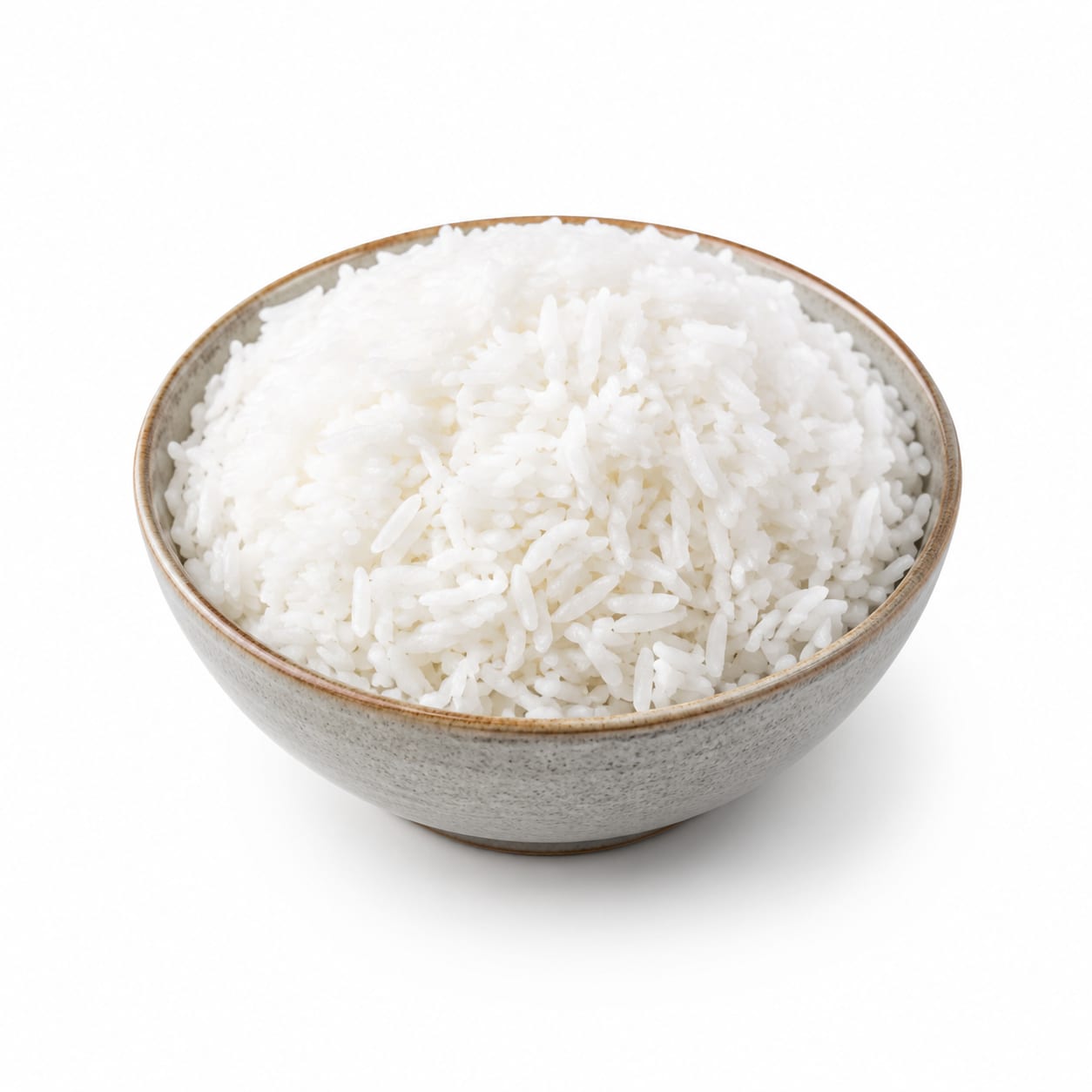
Jasmine Rice
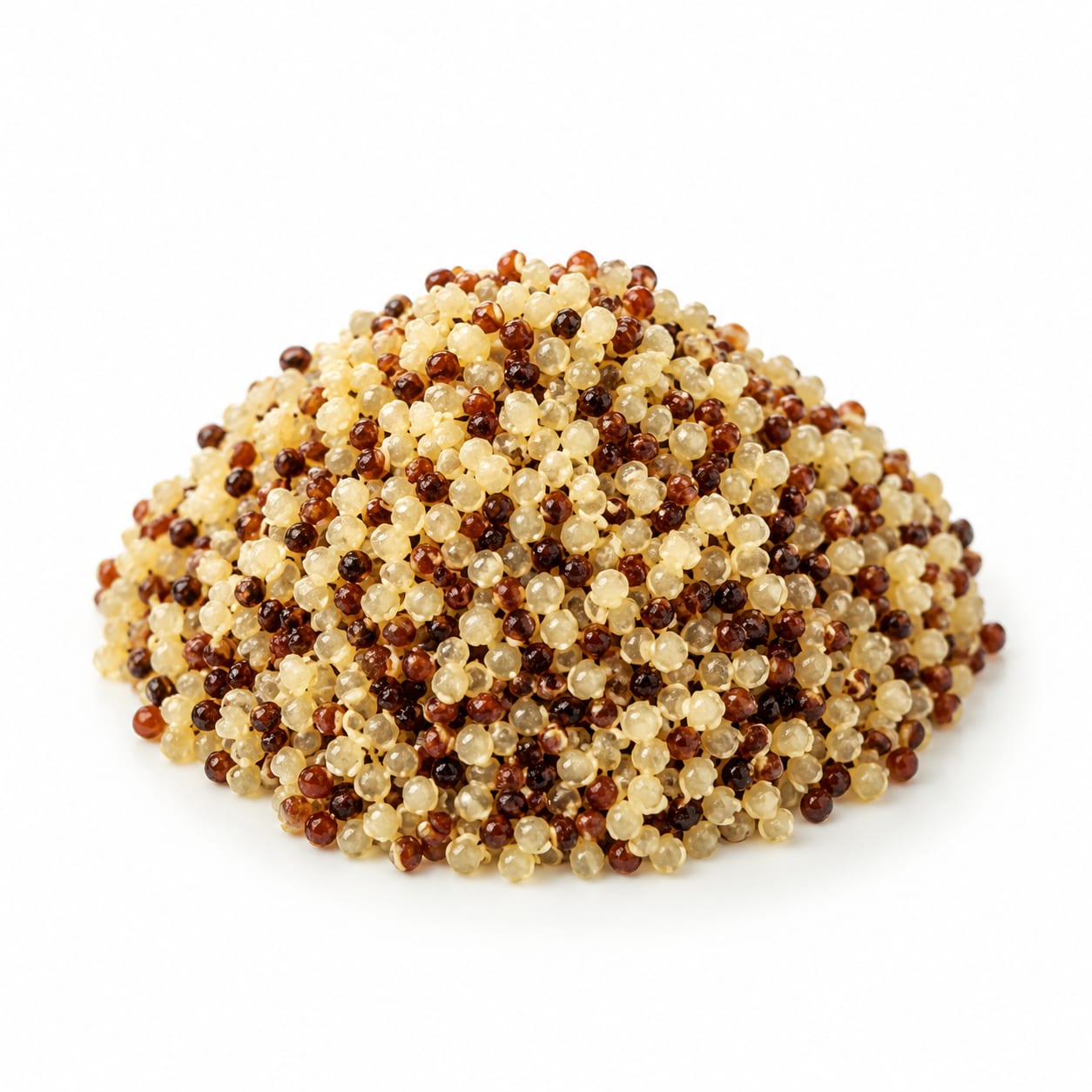
Quinoa
Quinoa dominates on nutrition and blood sugar stability, but Jasmine Rice wins for digestive comfort and quick energy.
Quinoa scores significantly higher due to its superior protein, fiber, and micronutrient profile. Jasmine Rice remains relevant for specific contexts like easy digestion and quick energy, but falls short as a daily nutritional staple.
You trade the gentle, comforting carbs of Jasmine Rice for the filling, nutrient-dense fuel of Quinoa.
At a glance
Executive summary
Overall
Quinoa
Healthier
Quinoa
More practical
Jasmine Rice
Daily use
Quinoa
Key comparison lenses
Blood sugar control and glycemic impact
Jasmine Rice is a high-glycemic food that spikes blood sugar, while Quinoa offers slow-burning carbs, making this the most critical health difference.
Nutrient density vs empty carbs
Quinoa delivers complete protein and minerals, whereas Jasmine Rice primarily provides starchy energy with minimal micronutrients.
Satiety and hunger management
The protein and fiber in Quinoa keep you full much longer, reducing the urge to snack between meals.
Digestive tolerance and comfort
Jasmine Rice is a classic comfort food for sensitive stomachs, while Quinoa can cause bloating if not prepared properly.
Best choice for
Jasmine Rice
- Pre-workout quick energy
- Upset stomach or digestive issues
- Budget-friendly meal prep
- Traditional Asian cuisine pairings
Quinoa
- Weight management and fat loss
- Plant-based protein needs
- Blood sugar control and diabetes management
- Long-lasting satiety between meals
Least suitable for
Jasmine Rice
- Diabetics seeking stable blood sugar
- High-protein diet followers
- People trying to increase fiber intake
Quinoa
- Those with severe IBS or fiber sensitivity
- People needing immediate pre-workout energy
- Strict budget constraints
Deep comparison
Dimension by dimension
Each lens scores both foods and breaks down who each option suits.
- Dimension 1 · Priority 95Quinoa
Blood Sugar Stability
Jasmine Rice · 25Quinoa · 85Quinoa provides steady, slow-releasing energy, while Jasmine Rice causes rapid blood sugar spikes followed by crashes.
Tradeoff
Choosing Jasmine Rice means accepting a quicker energy crash and potential cravings an hour later.
Why it matters
Stable blood sugar prevents the afternoon slump and reduces your risk of type 2 diabetes over time.
Real-world impact
Eating Jasmine Rice for lunch might leave you reaching for a coffee at 3 PM, whereas Quinoa keeps you cruising until dinner.
Jasmine Rice
- Immediate post-workout carb replenishment
- Recovering from hypoglycemia
Better for
- Managing insulin resistance
- Avoiding the afternoon energy crash
Worse for
Quinoa
- Sustained focus during long workdays
- Preventing sugar cravings
Better for
- Rapidly refueling during endurance sports
Worse for
- Dimension 2 · Priority 90Quinoa
Nutrient Density
Jasmine Rice · 30Quinoa · 92Quinoa is a nutritional powerhouse packed with complete protein, iron, and magnesium, while Jasmine Rice is mostly empty starch.
Tradeoff
Jasmine Rice is cheaper and more accessible, but you get far fewer vitamins and minerals per calorie.
Why it matters
Eating nutrient-dense foods means your body gets the building blocks it needs without requiring excess calories.
Real-world impact
A Quinoa bowl actually contributes to your daily protein and iron goals, while Jasmine Rice just fills your stomach.
Jasmine Rice
- Carb-loading for athletic performance
Better for
- Preventing nutrient deficiencies on a restricted diet
Worse for
Quinoa
- Vegans and vegetarians needing complete protein
- Meeting daily iron and magnesium requirements
Better for
- Keeping grocery bills low
Worse for
- Dimension 3 · Priority 75Jasmine Rice
Digestive Comfort
Jasmine Rice · 92Quinoa · 65Jasmine Rice is incredibly gentle and easy to digest, making it a comfort food staple. Quinoa can cause bloating or stomach upset in sensitive individuals.
Tradeoff
You get more nutrition from Quinoa, but it requires a stronger digestive system to process comfortably.
Why it matters
If your gut is inflamed or sensitive, high-fiber foods can actually make you feel worse, even if they are technically healthier.
Real-world impact
When you have an upset stomach, a bowl of Jasmine Rice is soothing, while a bowl of Quinoa might feel heavy and gas-producing.
Jasmine Rice
- Recovering from a stomach bug
- Soothing an IBS flare-up
- Gentle meals before bed
Better for
- Resolving chronic constipation
Worse for
Quinoa
- Feeding a healthy gut microbiome
- Improving bowel regularity
Better for
- Eating during active digestive distress
Worse for
- Dimension 4 · Priority 85Quinoa
Satiety and Fullness
Jasmine Rice · 35Quinoa · 88Quinoa keeps you full for hours thanks to its protein and fiber, while Jasmine Rice digests quickly and leaves you hungry sooner.
Tradeoff
Jasmine Rice feels lighter in the moment, but you will likely eat more calories later to compensate for hunger.
Why it matters
Staying full between meals prevents overeating and makes it easier to maintain or lose weight.
Real-world impact
A Quinoa lunch keeps you satisfied until dinner, but a Jasmine Rice lunch often leads to a 4 PM snack attack.
Jasmine Rice
- When you want a light meal before a workout
- Eating late at night without feeling stuffed
Better for
- Managing hunger on a calorie deficit
Worse for
Quinoa
- Controlling portions naturally
- Staying full during long shifts
Better for
- Feeling light and energetic right after eating
Worse for
- Dimension 5 · Priority 60Jasmine Rice
Convenience and Preparation
Jasmine Rice · 85Quinoa · 60Jasmine Rice is universally loved, easy to cook, and pairs with almost anything. Quinoa requires rinsing and has a texture some find challenging.
Tradeoff
Quinoa takes more effort to prepare correctly and has a steeper learning curve for flavor pairing.
Why it matters
If a food is annoying to cook, you are less likely to eat it regularly, no matter how healthy it is.
Real-world impact
Tossing Jasmine Rice into a rice cooker is effortless, but forgetting to rinse Quinoa results in a bitter, soapy taste.
Jasmine Rice
- Quick weeknight dinners
- Picky eaters and children
- Seamless pairing with curries and stir-fries
Better for
- Adding texture and crunch to salads
Worse for
Quinoa
- Cold grain salads and meal prep bowls
Better for
- Making a quick, comforting side dish with zero prep
Worse for
Timeline
Health impact over time
Short-term
Hours to days
Jasmine Rice
- Quick burst of energy followed by a crash
- Immediate stomach soothing for sensitive guts
- Rapid satisfaction of carb cravings
Quinoa
- Sustained energy without the crash
- Potential mild bloating if not rinsed or if gut is sensitive
- Feeling comfortably full for hours
Long-term
Months to years
Jasmine Rice
- Increased risk of insulin resistance if eaten frequently without fiber or protein
- Potential contribution to weight gain due to low satiety
- Possible arsenic exposure if consumed as a daily staple in large quantities
Quinoa
- Improved blood sugar regulation and metabolic health
- Better weight management due to high protein and fiber
- Support for heart health through magnesium and healthy fats
Risk profile
Safety & processing
Both are whole, natural foods with minimal processing. Jasmine Rice is typically milled to remove the bran, making it a refined grain, while Quinoa is a seed eaten in its whole form.
Jasmine Rice
Inorganic arsenic
mediumRice naturally accumulates arsenic from soil and water. Eating Jasmine Rice daily as a staple can increase heavy metal exposure, especially if not sourced carefully.
Quinoa
Saponin residue
lowQuinoa naturally coats itself in bitter saponins to deter pests. If not rinsed thoroughly, these can cause digestive irritation and a soapy taste.
Who wins for whom
Audience fit
Same foods, different winners depending on your goal.
children
Jasmine RiceJasmine Rice is softer, milder, and easier for kids to chew and digest, while Quinoa's texture and flavor can be a hard sell for picky eaters.
daily consumption
QuinoaQuinoa offers a broader nutritional profile for daily use without the blood sugar rollercoaster, provided your digestive system handles fiber well.
diabetes
QuinoaQuinoa's low glycemic index and high fiber prevent dangerous blood sugar spikes, making it a much safer choice for insulin management.
elderly
Jasmine RiceJasmine Rice is extremely gentle on aging digestive systems and easy to chew, making it a better fit for seniors with dental or gut issues.
muscle gain
QuinoaQuinoa provides a rare plant-based complete protein alongside its carbs, supporting muscle repair far better than Jasmine Rice alone.
weight loss
QuinoaQuinoa's high protein and fiber keep you full on fewer calories, preventing the overeating that Jasmine Rice's rapid digestion can trigger.
Your move
Decision guide
Choose Jasmine Rice
- You need quick energy before or after a workout
- You have an upset stomach or digestive flare-up
- You are cooking for kids who reject complex textures
- You are making a curry or stir-fry that relies on sticky, fluffy rice
Choose Quinoa
- You want to stay full and avoid afternoon snacking
- You are managing your blood sugar or trying to lose weight
- You need a plant-based protein source to round out your meal
- You are meal-prepping grain bowls for the week
Either works if
- You are mixing grains for a balance of texture and nutrition
- You simply want a carb base for a heavily sauced dish
Avoid both if
- You are on a strict ketogenic or very low-carb diet
Final recommendation
Make Quinoa your default daily grain for the nutritional edge and steady energy, but keep Jasmine Rice on hand for workout fuel, digestive comfort, and the meals where nothing else hits the spot.
Practical
Consumer tips
- 1
Rinse Quinoa thoroughly under cold water for 30 seconds to remove bitter saponins and prevent bloating.
- 2
Cook Jasmine Rice with a bit of coconut oil and then refrigerate it to create resistant starch, which lowers its glycemic impact.
- 3
Mix the two together to get the soft texture of Jasmine Rice with the nutritional boost of Quinoa.
- 4
Buy Jasmine Rice sourced from California or Thailand to reduce arsenic exposure compared to rice from the US Gulf region.
- 5
Toast Quinoa in the pot for two minutes before adding water to bring out a nuttier, more satisfying flavor.