
Nutrition comparison
Jasmine Rice vs Oats: Nutrition, Blood Sugar, and Health Comparison
Comparing Jasmine Rice and Oats? Discover which grain is better for weight loss, diabetes, and daily energy. Learn about arsenic risks, fiber benefits, and the best times to eat each.
Overall winner · Oats
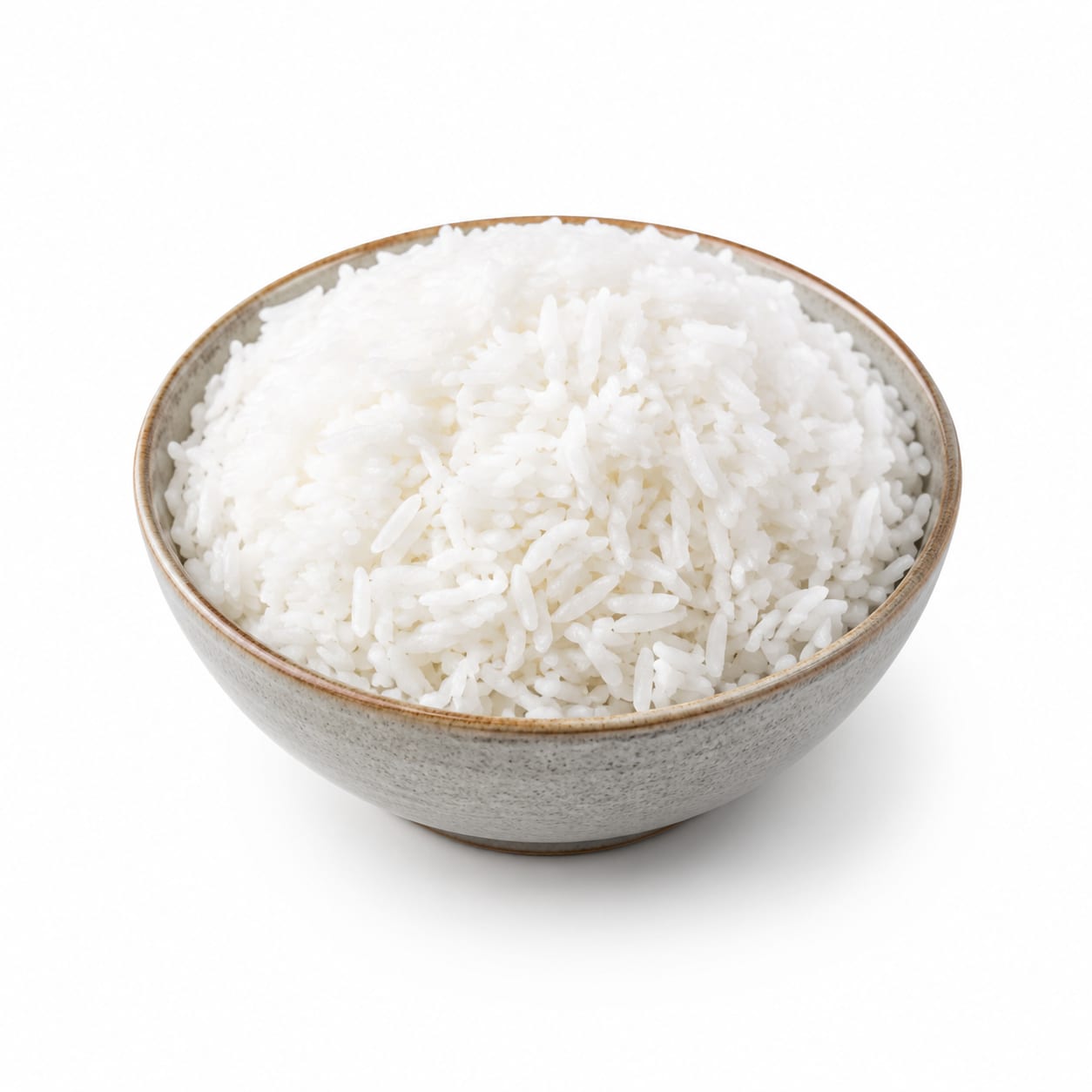
Jasmine Rice
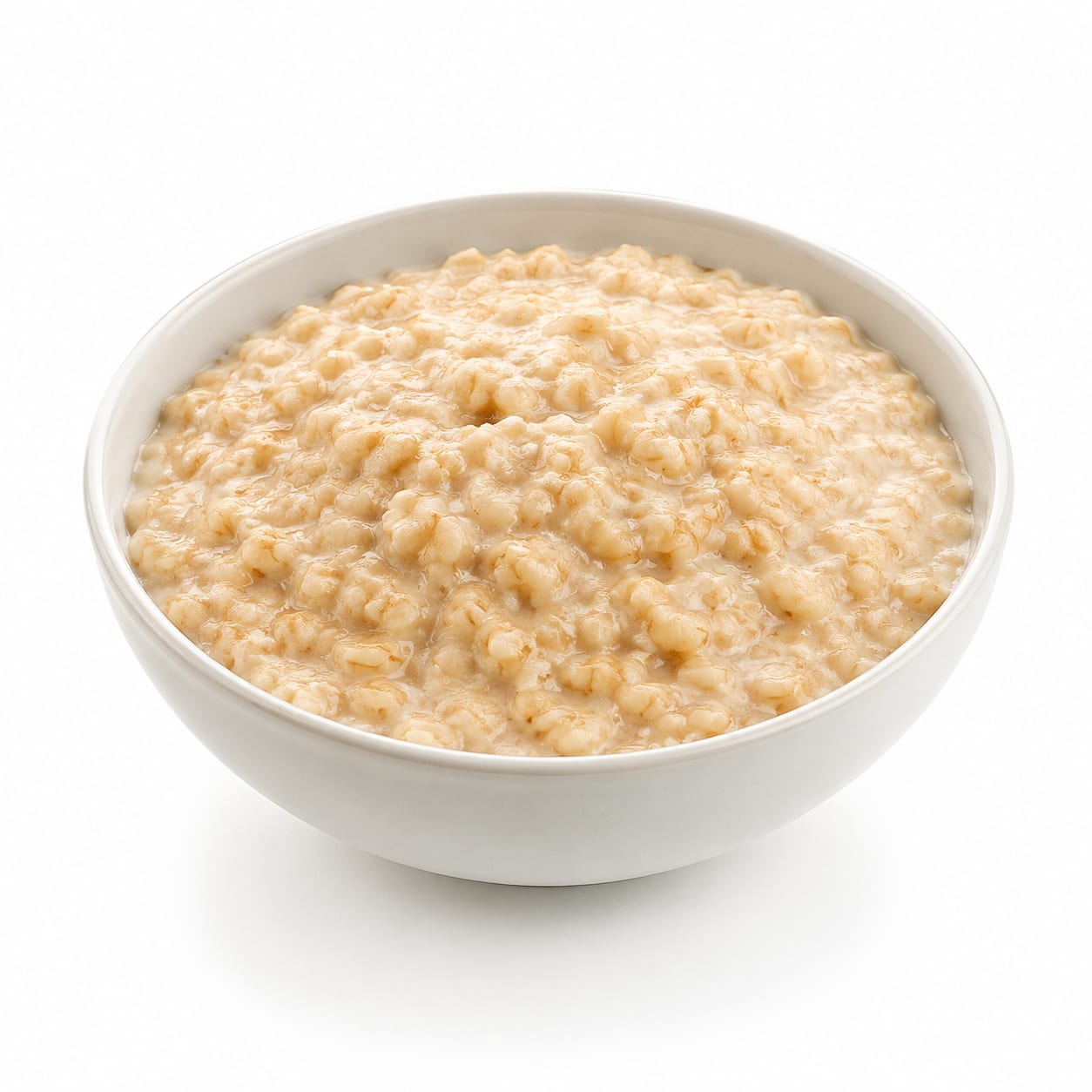
Oats
Oats dominate for daily health, satiety, and blood sugar stability, while Jasmine Rice serves as a quick-energy carb for active moments or gentle digestion.
Oats score significantly higher due to superior fiber, vitamin density, and blood sugar stability. Jasmine Rice scores lower because it acts as a refined carbohydrate with minimal satiety or micronutrients.
You trade the quick, light energy and easy digestion of Jasmine Rice for the long-lasting fullness and metabolic benefits of Oats.
At a glance
Executive summary
Overall
Oats
Healthier
Oats
More practical
Jasmine Rice
Daily use
Oats
Key comparison lenses
Blood sugar control and energy stability
Jasmine Rice causes rapid blood sugar spikes, while Oats provide slow, steady energy due to high fiber.
Satiety and weight management
Oats are far more filling, reducing the urge to snack, whereas Jasmine Rice is easy to overeat.
Digestive tolerance and workout fuel
Jasmine Rice is a low-fiber, quick-digesting carb ideal for pre-workout, while Oats can cause bloating if eaten right before intense exercise.
Heart health and cholesterol management
Oats contain beta-glucan which actively lowers cholesterol; Jasmine Rice offers no heart-health benefits.
Contaminant exposure (Arsenic vs Glyphosate)
Rice carries a higher risk of arsenic, while conventional oats often have glyphosate residues.
Best choice for
Jasmine Rice
- Pre-workout fuel for intense training
- Those needing a low-fiber diet for digestive flare-ups
- Quick post-workout glycogen replenishment
Oats
- Sustained morning energy without crashes
- Managing cholesterol or heart health
- Weight loss and appetite control
Least suitable for
Jasmine Rice
- People with diabetes or insulin resistance
- Those trying to lose weight
- Sedentary individuals eating large portions
Oats
- Right before a high-intensity workout (may cause bloating)
- Those with severe oat sensitivities or celiac disease (cross-contamination risk)
- Moments requiring rapid energy replenishment
Deep comparison
Dimension by dimension
Each lens scores both foods and breaks down who each option suits.
- Dimension 1 · Priority 95Oats
Blood Sugar & Energy Stability
Jasmine Rice · 25Oats · 90Jasmine Rice spikes blood sugar quickly and leads to crashes; Oats provide a slow, steady energy release.
Tradeoff
Jasmine Rice gives you immediate energy but leaves you tired an hour later. Oats take longer to kick in but keep you fueled for hours.
Why it matters
Frequent blood sugar spikes from Jasmine Rice increase cravings and long-term diabetes risk.
Real-world impact
Eating Jasmine Rice for breakfast often leads to an 11 AM energy crash and snack craving. Oats keep you focused until lunch.
Jasmine Rice
- Quick carb-loading before a race or heavy lift
Better for
- Sitting at a desk all day
- Managing diabetes
Worse for
Oats
- Stable energy for long workdays
- Preventing afternoon fatigue
Better for
- Needing immediate energy mid-workout
Worse for
- Dimension 2 · Priority 90Oats
Satiety & Fullness
Jasmine Rice · 20Oats · 92Oats are incredibly filling thanks to beta-glucan fiber, while Jasmine Rice digests rapidly and leaves you hungry sooner.
Tradeoff
Jasmine Rice feels lighter in the stomach, which is great if you hate feeling bloated, but you will get hungry again much faster.
Why it matters
Feeling full prevents overeating and helps maintain a healthy weight without counting calories.
Real-world impact
A bowl of Oats at 8 AM easily holds you until noon. A similar portion of Jasmine Rice might leave you reaching for a snack by 10 AM.
Jasmine Rice
- Pre-workout when you need an empty stomach quickly
- Recovering from stomach illness
Better for
- Controlling portion sizes
- Late-night snacking prevention
Worse for
Oats
- Weight loss diets
- Long meetings where you cannot snack
Better for
- Eating right before a run or intense workout
Worse for
- Dimension 3 · Priority 85Oats
Nutrient Density & Heart Health
Jasmine Rice · 15Oats · 95Oats are packed with fiber, manganese, and heart-protective compounds. Jasmine Rice is mostly empty starch with trace nutrients.
Tradeoff
Choosing Jasmine Rice means missing out on the cholesterol-lowering benefits of Oats, but gaining a neutral flavor base for savory dishes.
Why it matters
Daily intake of soluble fiber from Oats actively reduces LDL cholesterol and supports long-term cardiovascular health.
Real-world impact
Eating Oats regularly can visibly improve cholesterol panels over months. Jasmine Rice offers no such long-term health dividends.
Jasmine Rice
- Carb-loading without overwhelming the digestive system
Better for
- Supporting cardiovascular health
Worse for
Oats
- Lowering cholesterol naturally
- Improving gut microbiome diversity
Better for
- Those requiring a low-residue diet post-surgery
Worse for
- Dimension 4 · Priority 80Jasmine Rice
Digestive Comfort
Jasmine Rice · 88Oats · 55Jasmine Rice is very gentle on the digestive tract, while the high fiber in Oats can cause bloating in sensitive individuals.
Tradeoff
Jasmine Rice is soothing and easy to digest, but lacks the fiber needed for healthy bowel movements. Oats promote regularity but can cause gas initially.
Why it matters
People with IBS or digestive distress need easily digestible carbs, making Jasmine Rice a safer short-term choice.
Real-world impact
If your stomach is upset, Jasmine Rice is a comforting go-to. If you eat a huge bowl of Oats on a sensitive stomach, you might feel heavy and gassy.
Jasmine Rice
- Soothing an upset stomach
- Low-fiber diets for IBS flare-ups
Better for
- Promoting daily bowel regularity
Worse for
Oats
- Curing chronic constipation
- Feeding beneficial gut bacteria
Better for
- Acute gastrointestinal distress or nausea
Worse for
- Dimension 5 · Priority 75It depends
Safety & Contaminants
Jasmine Rice · 45Oats · 60Jasmine Rice carries a notable arsenic risk, while conventional Oats often contain glyphosate. Both require careful sourcing.
Tradeoff
Rice accumulates heavy metals from water, while Oats accumulate agricultural chemicals. Choosing organic Oats or thoroughly washing Rice mitigates both risks.
Why it matters
Long-term exposure to arsenic or glyphosate carries serious health risks, including cancer and endocrine disruption.
Real-world impact
Eating Jasmine Rice daily increases arsenic exposure, which is especially concerning for children. Non-organic Oats can expose you to weed killer residues.
Jasmine Rice
- Sourcing from regions with lower arsenic soil (like California)
Better for
- Daily consumption, especially for pregnant women and kids
Worse for
Oats
- Buying certified organic eliminates glyphosate concerns
Better for
- Conventional farming reliance on pre-harvest desiccants
Worse for
Timeline
Health impact over time
Short-term
Hours to days
Jasmine Rice
- Rapid blood sugar spike followed by an energy crash
- Quick relief from hunger but fast return of appetite
- Gentle on an upset stomach
Oats
- Sustained energy without the crash
- High feeling of fullness that reduces snacking
- Potential for temporary bloating if you are not used to fiber
Long-term
Months to years
Jasmine Rice
- Increased risk of type 2 diabetes with frequent consumption
- Potential for weight gain due to overeating and blood sugar volatility
- Higher arsenic exposure if consumed daily
Oats
- Lower risk of cardiovascular disease and lower LDL cholesterol
- Better weight management due to high satiety
- Improved gut health and digestion regularity
Risk profile
Safety & processing
White Jasmine Rice is a processed grain stripped of its bran and germ, leaving mostly starch. Oats are a whole grain, retaining their natural fiber and nutrients even when rolled or steel-cut.
Jasmine Rice
Inorganic Arsenic
highRice absorbs arsenic from soil and water more efficiently than other crops. Regular consumption can lead to toxic accumulation, particularly concerning for children and pregnant women.
Oats
Glyphosate Residue
mediumConventional oats are often sprayed with glyphosate as a pre-harvest desiccant. Choosing organic oats effectively eliminates this risk.
Gluten Cross-Contamination
lowWhile naturally gluten-free, oats are frequently processed in facilities that handle wheat, posing a risk for those with celiac disease.
Who wins for whom
Audience fit
Same foods, different winners depending on your goal.
children
OatsOats provide essential nutrients and sustained energy for growing bodies. Jasmine Rice poses an arsenic risk for children and lacks nutritional value.
daily consumption
OatsOats provide daily fiber, heart benefits, and stable energy. Daily Jasmine Rice consumption increases arsenic exposure and metabolic risk.
diabetes
OatsOats have a low glycemic index and high soluble fiber, preventing dangerous blood sugar spikes. Jasmine Rice is essentially pure fast-acting starch.
elderly
OatsOats support heart health and prevent constipation, which is common in older adults. Jasmine Rice offers little nutritional support for aging bodies.
muscle gain
Jasmine RiceJasmine Rice provides fast-digesting carbohydrates that spike insulin, shuttling nutrients into muscles quickly post-workout.
weight loss
OatsThe high fiber in Oats keeps you full for hours, naturally reducing overall calorie intake. Jasmine Rice is too easy to overeat.
Your move
Decision guide
Choose Jasmine Rice
- You need quick-digesting fuel right before or after a heavy workout
- You are recovering from a stomach bug and need a bland, low-fiber food
- You are making a savory Asian dish where a neutral carb base is essential
Choose Oats
- You want a filling breakfast that prevents mid-morning snacking
- You are trying to lower your cholesterol or manage your weight
- You need sustained energy for a long, busy day
Either works if
- You are mixing grains into a varied diet and eating them in moderation
- You are simply looking for a carbohydrate source to pair with a high-protein meal
Avoid both if
- You are on a strict ketogenic or very low-carb diet
Final recommendation
Make Oats your daily grain for breakfast and general health, but keep Jasmine Rice as a strategic tool for post-workout recovery or when your stomach needs a break. If you eat Jasmine Rice, wash it thoroughly and limit it to a few times a week to manage arsenic exposure.
Practical
Consumer tips
- 1
Cook Jasmine Rice like pasta (in excess water) and drain it to reduce arsenic levels by up to 60%.
- 2
Always buy certified organic Oats to avoid glyphosate residues from pre-harvest spraying.
- 3
Pair Jasmine Rice with healthy fats, protein, and vinegar-based dressings to blunt its blood sugar spike.
- 4
If Oats cause bloating, start with a small portion and soak them overnight to improve digestibility.