
Nutrition comparison
Jasmine Rice vs Couscous: Which Carb Is Better for You?
Compare Jasmine Rice and Couscous nutrition, glycemic index, gluten content, and cooking convenience. Find out which refined carb fits your diet and lifestyle better.
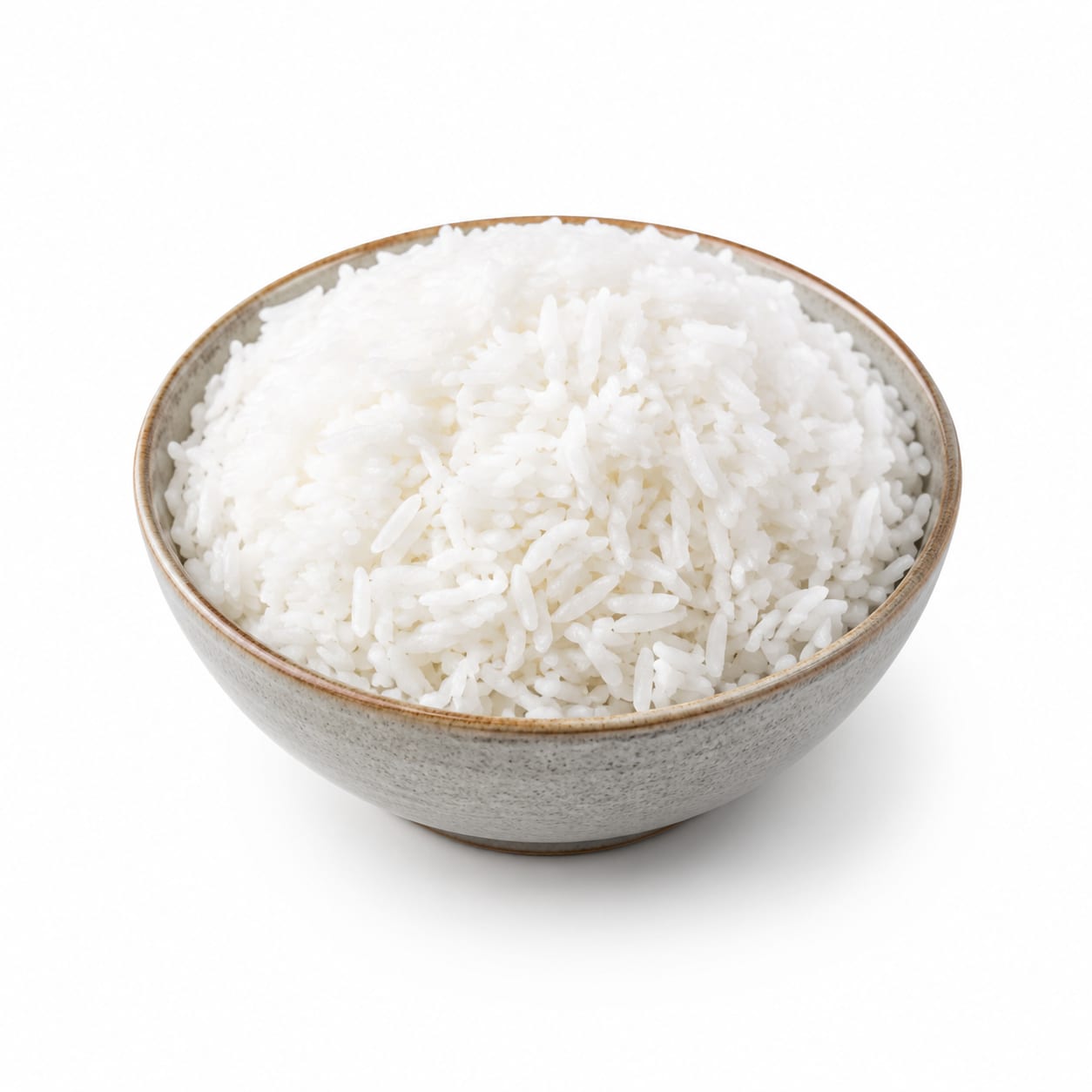
Jasmine Rice
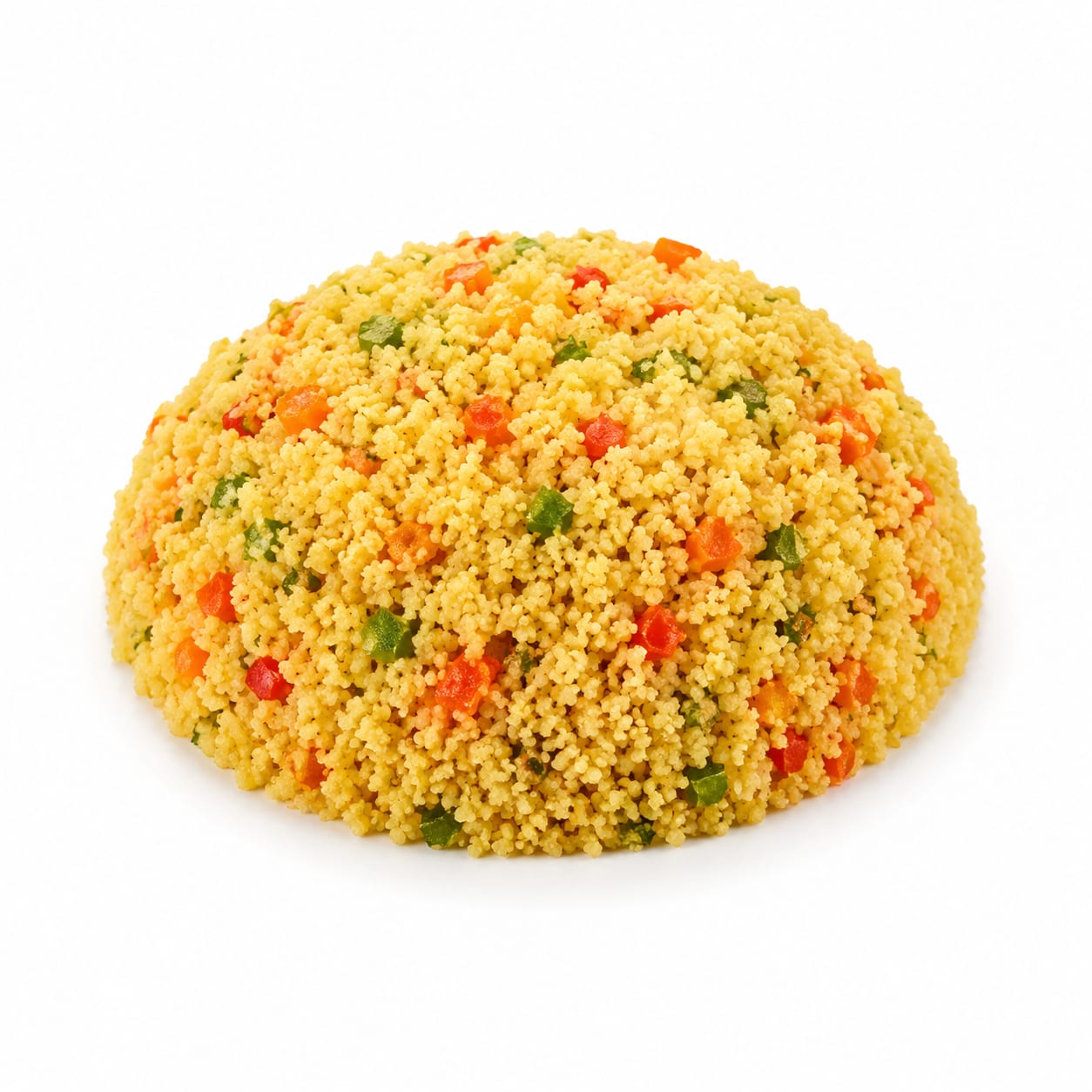
Couscous
Jasmine Rice wins for gluten-free diets and cleaner ingredient lists; Couscous wins for speed, slightly better blood sugar response, and a small protein edge.
Couscous edges ahead slightly due to marginally better blood sugar response and higher protein, but neither scores well overall because both are refined, low-fiber carbs. The close scores reflect that the real winner depends entirely on your dietary constraints, especially gluten tolerance.
Jasmine Rice is less processed and gluten-free but spikes blood sugar faster. Couscous cooks in a flash and has marginally more nutrients, but contains gluten and is technically a pasta, not a whole grain.
At a glance
Executive summary
Overall
It depends
Healthier
It depends
More practical
Couscous
Daily use
It depends
Key comparison lenses
blood sugar management
Both are high-glycemic refined carbs that spike blood sugar, making glycemic impact the most critical differentiator
gluten sensitivity and allergy avoidance
Couscous contains gluten while Jasmine Rice is naturally gluten-free, a decisive factor for many consumers
convenience and weeknight cooking
Couscous cooks in 5 minutes while Jasmine Rice takes 15-20, making convenience a real-world decision driver
weight management and satiety
Both are calorie-dense refined carbs with low fiber, so understanding which keeps you fuller longer matters for portion control
nutritional value beyond calories
Neither is a nutritional powerhouse, but subtle differences in selenium, B vitamins, and protein matter for daily accumulation
Best choice for
Jasmine Rice
- Anyone with celiac disease or gluten sensitivity
- People avoiding wheat-based products
- Those seeking a minimally processed side dish
- Fans of Southeast Asian and Thai cuisine
- Meal preppers who cook in batches
Couscous
- Busy home cooks needing dinner in 5 minutes
- People wanting slightly more protein from their carb base
- Mediterranean and North African recipe enthusiasts
- Those who prefer a lower glycemic option between the two
- Anyone looking for easy portion control with small granules
Least suitable for
Jasmine Rice
- People managing diabetes or insulin resistance
- Anyone on a low-carb or keto diet
- Those seeking high-fiber carbohydrates
- People who need quick-cooking weeknight sides
Couscous
- Anyone with celiac disease or wheat allergy
- People avoiding gluten for inflammatory reasons
- Those seeking whole grain or minimally processed options
- Individuals sensitive to wheat-based products
Deep comparison
Dimension by dimension
Each lens scores both foods and breaks down who each option suits.
- Dimension 1 · Priority 92Couscous
Blood Sugar Stability
Jasmine Rice · 18Couscous · 32Both spike blood sugar significantly, but Jasmine Rice hits harder and faster due to its very high glycemic index.
Tradeoff
Jasmine Rice delivers quick energy for athletes but causes sharper crashes. Couscous is still high-glycemic but slightly gentler on the rollercoaster.
Why it matters
If you sit at a desk after lunch, the Jasmine Rice crash will hit you mid-afternoon. Couscous is the lesser of two evils but still not ideal for blood sugar management.
Real-world impact
A Jasmine Rice lunch can leave you reaching for coffee at 2pm. Couscous buys you a little more time before the slump.
Jasmine Rice
- Post-workout carb replenishment when fast glycogen recovery matters
- Endurance athletes mid-event who need rapid fuel
Better for
- Anyone with diabetes or insulin resistance
- People prone to energy crashes after carb-heavy meals
Worse for
Couscous
- Sedentary office workers who want to avoid the afternoon crash
- Pre-diabetics choosing the less damaging option between the two
Better for
- Those who assume couscous is a low-glycemic whole grain and overeat it
Worse for
- Dimension 2 · Priority 88Jasmine Rice
Gluten and Allergen Safety
Jasmine Rice · 95Couscous · 10Jasmine Rice is naturally gluten-free. Couscous is made from wheat semolina and contains gluten.
Tradeoff
If gluten is a concern, this is a dealbreaker. Couscous offers no workaround — it is wheat. Jasmine Rice is one of the safest carb bases for gluten-sensitive individuals.
Why it matters
For the roughly 6% of people with gluten sensitivity and 1% with celiac, this alone determines the choice. Even for those without diagnosed issues, reducing wheat can ease bloating for some.
Real-world impact
Serving couscous to a gluten-sensitive friend guarantees discomfort. Jasmine Rice is a safe bet for mixed dietary gatherings.
Jasmine Rice
- Celiac disease management
- Gluten-free meal planning
- Reducing wheat-related bloating
- Inclusive dinner parties with unknown dietary needs
Better for
Couscous
- Anyone with celiac disease
- People with non-celiac gluten sensitivity
- Wheat allergy sufferers
Worse for
- Dimension 3 · Priority 80Couscous
Convenience and Cooking Speed
Jasmine Rice · 40Couscous · 90Couscous cooks in about 5 minutes with just boiling water. Jasmine Rice takes 15-20 minutes and requires more attention to get right.
Tradeoff
Couscous is essentially instant gratification for home cooks. Jasmine Rice rewards patience with a fluffier, more aromatic result.
Why it matters
On a Tuesday night when you're exhausted, the 15-minute difference is the difference between cooking and ordering takeout.
Real-world impact
Couscous is a weeknight hero — boil water, pour, cover, done. Jasmine Rice is a weekend luxury or meal-prep staple.
Jasmine Rice
- Meal prepping large batches for the week
- Cooking for gatherings where aroma matters
Better for
- Impatient cooks
- Time-pressed parents on weeknights
Worse for
Couscous
- Last-minute weeknight dinners
- College students with limited cooking time
- Anyone who has burned rice and wants a foolproof alternative
Better for
- Those who find the texture too paste-like when overcooked
Worse for
- Dimension 4 · Priority 70Couscous
Nutritional Density
Jasmine Rice · 25Couscous · 38Neither is impressive, but couscous provides slightly more protein, selenium, and B vitamins per serving.
Tradeoff
The nutritional gap is real but small. You would not choose either as a nutrient source — you choose them as a carb base and get nutrients elsewhere.
Why it matters
Over weeks and months, the extra selenium from couscous adds up for thyroid health. But one serving difference is negligible.
Real-world impact
If your meal is just couscous with steamed veggies, you get marginally more nutrition than the same meal with Jasmine Rice. Neither version is a health food.
Jasmine Rice
- Those relying on their carb base for any meaningful nutrition
Worse for
Couscous
- Selenium intake for thyroid support
- Slightly higher protein for vegetarian meal pairing
- B vitamin contribution from wheat semolina
Better for
- People who assume couscous is a whole grain with significant fiber
Worse for
- Dimension 5 · Priority 75It depends
Satiety and Fullness
Jasmine Rice · 35Couscous · 35Both are low-fiber refined carbs that digest quickly. Neither keeps you full for long.
Tradeoff
Jasmine Rice feels more substantial in volume per serving, while couscous can feel deceptively light, leading to larger portions.
Why it matters
Both foods are easy to overeat. Without fiber or fat built in, you will be hungry again within 2 hours regardless of which you choose.
Real-world impact
A cup of either leaves most people ready for a snack by mid-afternoon. Pairing with protein and healthy fats is essential for both.
Jasmine Rice
- Those who prefer feeling volume in their stomach after eating
Better for
- Emotional eaters who find fluffy rice too easy to keep eating
Worse for
Couscous
- People who prefer lighter-feeling meals
Better for
- Those who underestimate how much couscous they are consuming when it expands
Worse for
- Dimension 6 · Priority 65Jasmine Rice
Processing and Naturalness
Jasmine Rice · 55Couscous · 35Jasmine Rice is a whole grain milled and polished. Couscous is wheat flour mixed with water and rolled into tiny pasta granules.
Tradeoff
Jasmine Rice undergoes less transformation from its natural state. Couscous is more processed by definition — it is a manufactured pasta product.
Why it matters
If you are trying to eat closer to nature, rice is the simpler ingredient. Couscous is not a grain; it is a pasta pretending to be one.
Real-world impact
Reading the ingredient list: Jasmine Rice has one ingredient. Couscous typically has one too (semolina), but the manufacturing process is more involved.
Jasmine Rice
- Clean-eating enthusiasts
- People who prefer recognizable whole foods
- Those avoiding processed carbohydrate products
Better for
Couscous
- Those bothered by industrially shaped and processed carb products
Worse for
Timeline
Health impact over time
Short-term
Hours to days
Jasmine Rice
- Rapid blood sugar spike within 30-60 minutes of eating
- Quick energy surge followed by potential fatigue within 2 hours
- Easy to digest, gentle on the stomach for most people
- Can trigger hunger again quickly due to low fiber content
Couscous
- Moderate blood sugar rise, slightly slower than Jasmine Rice
- More sustained energy for 1-2 hours compared to rice
- Bloating possible for those sensitive to wheat or gluten
- Quick preparation encourages eating when very hungry, leading to overportioning
Long-term
Months to years
Jasmine Rice
- Regular consumption without portion control may contribute to insulin resistance
- Gluten-free nature makes it sustainable for those with celiac or sensitivity
- Low fiber intake if relied on as primary carb source
- Minimal inflammatory concern for most people
Couscous
- Chronic wheat consumption may aggravate low-grade inflammation in sensitive individuals
- Selenium contribution supports thyroid function over time
- Gluten exposure is continuous if used as a daily staple
- Similar insulin resistance risk as Jasmine Rice if portions are not managed
Risk profile
Safety & processing
Jasmine Rice is simply milled and polished rice — minimal intervention. Couscous is semolina wheat flour mixed with water, rolled into granules, and steamed dried. Both have clean ingredient lists, but couscous undergoes more manufacturing transformation. Neither contains artificial additives in their basic forms.
Jasmine Rice
Arsenic contamination
mediumRice can accumulate arsenic from soil and water. Jasmine Rice from Thailand generally has lower arsenic levels than US-grown rice, but regular consumption still warrants rinsing and varying grain choices.
Sporadic bacterial contamination in storage
lowCooked rice left at room temperature can harbor Bacillus cereus. Refrigerate promptly and avoid reheating multiple times.
Couscous
Gluten exposure for sensitive individuals
highCouscous is wheat-based and absolutely unsafe for anyone with celiac disease. Even trace cross-contamination in shared cooking equipment can trigger reactions.
Wheat allergen exposure
mediumWheat is a top 9 allergen. Couscous is not always immediately recognized as a wheat product, creating accidental exposure risk at restaurants or potlucks.
Who wins for whom
Audience fit
Same foods, different winners depending on your goal.
children
Jasmine RiceJasmine Rice is gluten-free, easy to digest, and less likely to trigger allergies. Its mild flavor and soft texture are kid-friendly. Lower allergen risk makes it safer for young children.
daily consumption
It dependsDepends entirely on gluten tolerance. For gluten-sensitive individuals, Jasmine Rice daily is fine. For others, couscous's slight nutritional edge and quicker cooking may make it more practical day-to-day.
diabetes
CouscousCouscous has a moderately lower glycemic index than Jasmine Rice, making it the lesser of two poor options. Neither should be a dietary staple for diabetics.
elderly
Jasmine RiceJasmine Rice is gentler on aging digestive systems, gluten-free, and lower in potential inflammatory triggers. Soft texture is easy to chew and digest.
muscle gain
Jasmine RiceJasmine Rice's faster glycemic response makes it slightly better for post-workout glycogen replenishment, though the difference is minimal.
weight loss
It dependsNeither supports weight loss well. Couscous has marginally more protein, but Jasmine Rice's gluten-free status may reduce bloating for some. Both require strict portion control.
Your move
Decision guide
Choose Jasmine Rice
- You have celiac disease, gluten sensitivity, or wheat allergy
- You want a cleaner, less processed carb base
- You are cooking Southeast Asian dishes where the floral aroma matters
- You are meal prepping and cooking large batches at once
- You have digestive issues that wheat aggravates
Choose Couscous
- You need dinner on the table in under 10 minutes
- You want slightly more protein and selenium from your carb side
- You are cooking Mediterranean or North African cuisine
- Blood sugar management matters but you are not gluten-sensitive
- You prefer the fluffy, pasta-like texture over rice grains
Either works if
- You are pairing with a protein-rich main and vegetables, making the carb base less nutritionally critical
- You are eating it occasionally rather than daily
- You are an active person who burns through carbs quickly
- You plan to add fiber-rich toppings like vegetables, beans, or nuts
Avoid both if
- You are on a low-carb or ketogenic diet
- You are managing diabetes and need low-glycemic carb sources like quinoa or lentils
- You are seeking high-fiber whole grains for digestive health
- You are trying to lose weight and struggle with portion control around refined carbs
Final recommendation
Let gluten tolerance decide for you. If you are gluten-sensitive, Jasmine Rice is your clear choice and a reliable staple. If wheat is fine, couscous offers slightly better nutrition and unbeatable convenience. For both, treat them as what they are — refined comfort carbs — not health foods. Pair generously with protein, healthy fats, and vegetables, and neither will derail your health goals.
Practical
Consumer tips
- 1
Rinse Jasmine Rice before cooking to reduce surface arsenic and improve texture
- 2
Couscous is not a whole grain — do not confuse it with one. Whole wheat couscous exists and is a better nutritional choice
- 3
For either food, add a tablespoon of olive oil or butter and a handful of vegetables to slow digestion and reduce blood sugar spikes
- 4
If choosing Jasmine Rice, consider brown Jasmine Rice for triple the fiber with similar aroma
- 5
Portion both into half-cup servings rather than filling the plate — visual portions are deceiving with both
- 6
Batch-cook Jasmine Rice and refrigerate — cooled rice develops resistant starch that feeds gut bacteria and lowers glycemic impact
- 7
Couscous absorbs flavors exceptionally well — use broth instead of water for a nutrient and flavor boost
- 8
Vary your carb bases throughout the week. Neither should be your only grain. Rotate in quinoa, farro, sweet potatoes, or lentils