
Nutrition comparison
Jasmine Rice vs Cauliflower Rice: Which is Healthier?
Compare Jasmine Rice and Cauliflower Rice for weight loss, blood sugar, and athletic performance. Discover the nutritional tradeoffs and find out which is right for your goals.
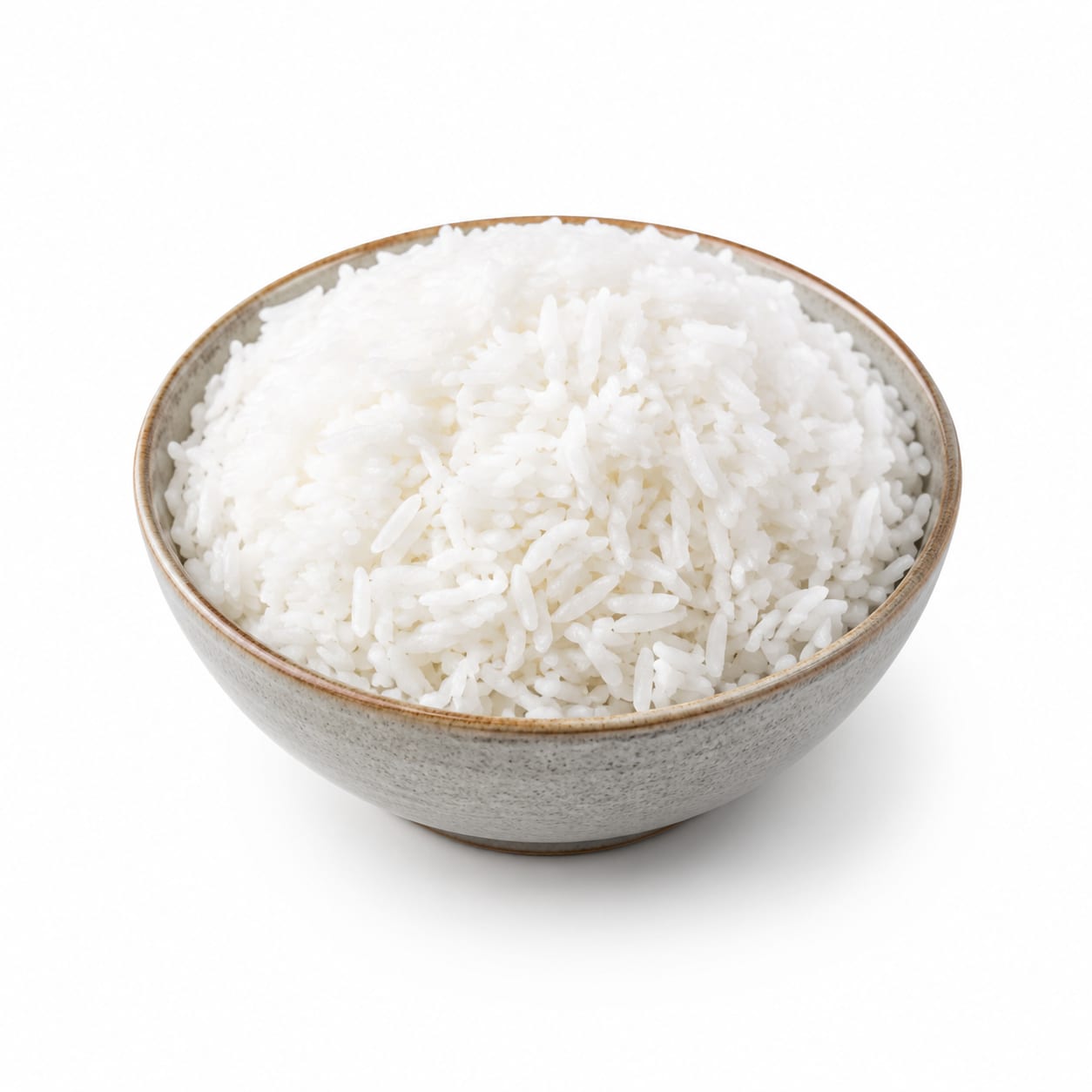
Jasmine Rice
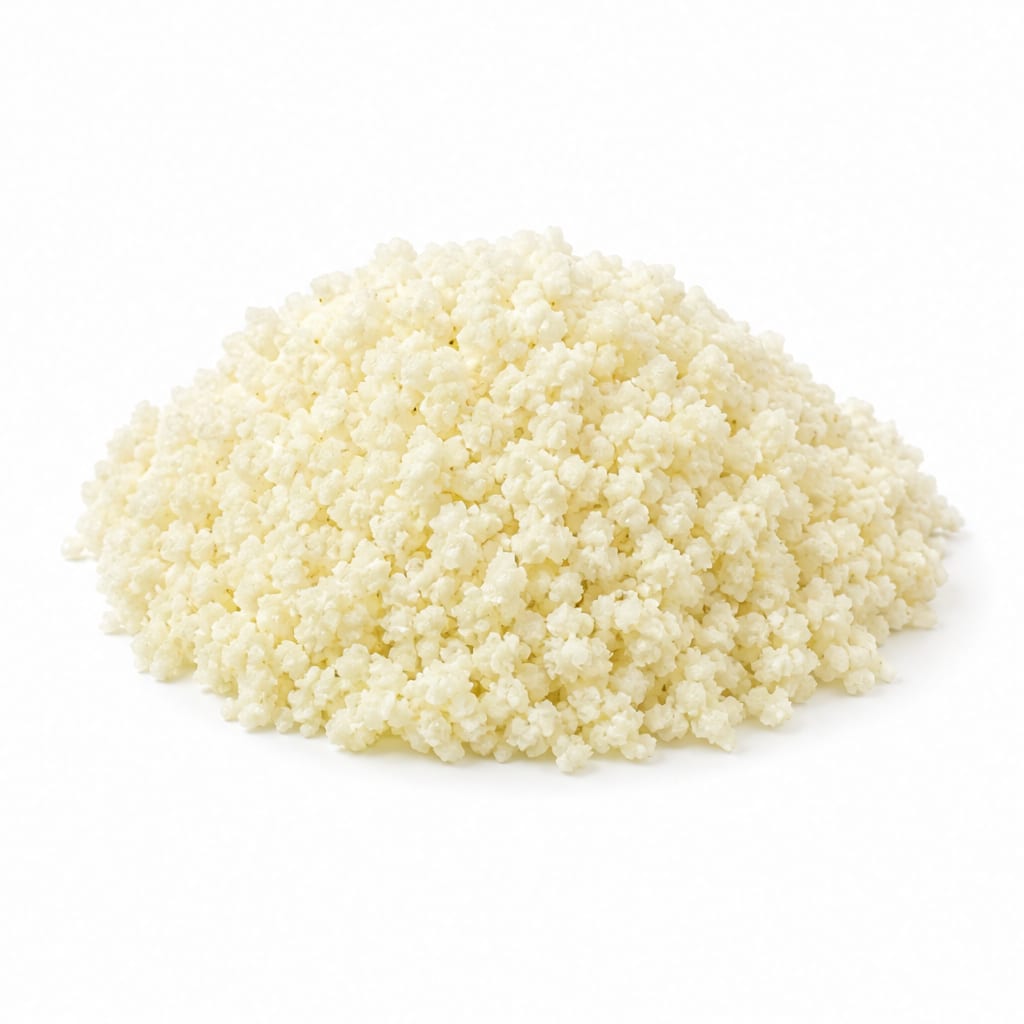
Cauliflower Rice
Jasmine Rice fuels performance and comforts the stomach, while Cauliflower Rice slashes calories and stabilizes blood sugar.
Cauliflower Rice scores higher due to its favorable impact on blood sugar and weight, but Jasmine Rice retains solid value for specific contexts like athletics and digestion.
Quick, satisfying energy versus low-calorie, blood-sugar-friendly volume.
At a glance
Executive summary
Overall
It depends
Healthier
Cauliflower Rice
More practical
Jasmine Rice
Daily use
Cauliflower Rice
Key comparison lenses
Weight management and calorie reduction
Cauliflower Rice is famously used as a low-calorie substitute for Jasmine Rice, making calorie density the primary decision factor.
Blood sugar control and diabetes risk
Jasmine Rice is a high-glycemic food that spikes blood sugar, while Cauliflower Rice has almost zero impact, making this a critical health tradeoff.
Athletic fueling and energy needs
Active individuals need the quick carbohydrates Jasmine Rice provides, whereas Cauliflower Rice cannot support high-intensity energy demands.
Digestive comfort and tolerance
Jasmine Rice is soothing and easy to digest, while Cauliflower Rice can cause bloating and gas due to its cruciferous fiber.
Best choice for
Jasmine Rice
- Post-workout recovery
- Hard gainers needing calories
- People with sensitive digestion
Cauliflower Rice
- Low-carb dieters
- Weight loss efforts
- Blood sugar management
Least suitable for
Jasmine Rice
- People with insulin resistance
- Sedentary lifestyles
- Low-carb diets
Cauliflower Rice
- Endurance athletes needing quick fuel
- People prone to bloating from cruciferous veggies
- Those needing calorie density
Deep comparison
Dimension by dimension
Each lens scores both foods and breaks down who each option suits.
- Dimension 1 · Priority 90Cauliflower Rice
Blood Sugar & Energy Stability
Jasmine Rice · 25Cauliflower Rice · 90Cauliflower Rice keeps blood sugar steady, while Jasmine Rice causes rapid spikes and crashes.
Tradeoff
You trade the immediate comforting energy spike of Jasmine Rice for long-lasting, crash-free energy with Cauliflower Rice.
Why it matters
Frequent blood sugar spikes from Jasmine Rice can lead to afternoon energy crashes and increased cravings.
Real-world impact
Eating Jasmine Rice at lunch might make you sleepy by 2 PM; Cauliflower Rice keeps you alert.
Jasmine Rice
- Quick pre-workout fuel
Better for
- Managing diabetes
- Preventing energy crashes
Worse for
Cauliflower Rice
- Steady desk-job energy
- Avoiding the afternoon slump
Better for
- Rapid glycogen replenishment after intense exercise
Worse for
- Dimension 2 · Priority 95Cauliflower Rice
Calorie Density & Weight Management
Jasmine Rice · 30Cauliflower Rice · 95Cauliflower Rice is a dieter's dream with a fraction of the calories, whereas Jasmine Rice is calorie-dense.
Tradeoff
You sacrifice the satisfying, filling heft of Jasmine Rice for the waistline-friendly lightness of Cauliflower Rice.
Why it matters
Eating large portions of Jasmine Rice easily leads to accidental calorie overconsumption.
Real-world impact
A massive bowl of Cauliflower Rice has fewer calories than a small scoop of Jasmine Rice, letting you eat more volume safely.
Jasmine Rice
- Bulking up
- Getting enough calories easily
Better for
- Calorie restriction
- Portion control
Worse for
Cauliflower Rice
- Cutting weight
- Eating large portions guilt-free
Better for
- Gaining healthy weight
- Endurance hiking fuel
Worse for
- Dimension 3 · Priority 80Jasmine Rice
Digestive Tolerance & Comfort
Jasmine Rice · 85Cauliflower Rice · 50Jasmine Rice is gentle and easy to digest, while Cauliflower Rice can cause bloating and gas.
Tradeoff
You trade the stomach-soothing simplicity of Jasmine Rice for the fibrous, sometimes irritating nature of Cauliflower Rice.
Why it matters
Cruciferous vegetables like cauliflower contain raffinose, which is notoriously hard to break down.
Real-world impact
A big serving of Cauliflower Rice might leave you bloated before a date or meeting; Jasmine Rice is a safe, comforting choice.
Jasmine Rice
- Upset stomach days
- IBS flare-ups
Better for
- Needing dietary fiber
Worse for
Cauliflower Rice
- Improving gut microbiome diversity
- Relieving constipation
Better for
- Sensitive digestion
- Date night
Worse for
- Dimension 4 · Priority 85Jasmine Rice
Athletic Performance & Recovery
Jasmine Rice · 90Cauliflower Rice · 40Jasmine Rice delivers fast-digesting carbs essential for muscle recovery, while Cauliflower Rice lacks the fuel athletes need.
Tradeoff
You trade the performance-enhancing carbs of Jasmine Rice for the low-carb profile of Cauliflower Rice.
Why it matters
After intense exercise, muscles crave glucose to replenish glycogen stores, which Jasmine Rice provides rapidly.
Real-world impact
Eating Jasmine Rice after a heavy lifting session speeds up recovery; Cauliflower Rice leaves you feeling sluggish the next day.
Jasmine Rice
- Post-workout meals
- Carb-loading before events
Better for
- Sedentary evenings
Worse for
Cauliflower Rice
- Rest days
- Light activity days
Better for
- Marathon training
- High-intensity sports
Worse for
Timeline
Health impact over time
Short-term
Hours to days
Jasmine Rice
- Quick energy surge
- Potential blood sugar crash
- Satisfying fullness
Cauliflower Rice
- Stable energy
- Possible bloating or gas
- Feeling light
Long-term
Months to years
Jasmine Rice
- Risk of insulin resistance if overconsumed
- Easy weight gain if inactive
- Consistent digestive comfort
Cauliflower Rice
- Better weight management
- Improved blood sugar control
- Increased cruciferous cancer-fighting compounds
Risk profile
Safety & processing
Both are whole foods at their core, though bagged Cauliflower Rice may undergo slight processing for chopping and freezing. Jasmine Rice is simply milled and polished.
Jasmine Rice
Arsenic exposure
mediumRice naturally accumulates more arsenic than other crops; varying your grains is a smart defense.
Cauliflower Rice
Pesticide residue
mediumCauliflower is a cruciferous vegetable that can retain pesticide residues; washing thoroughly or choosing organic helps.
Who wins for whom
Audience fit
Same foods, different winners depending on your goal.
children
Jasmine RiceJasmine Rice is gentle on developing stomachs and provides the energy kids need for growth and activity.
daily consumption
Cauliflower RiceFor the average sedentary to moderately active adult, the low-calorie and high-fiber profile of Cauliflower Rice supports long-term health better.
diabetes
Cauliflower RiceCauliflower Rice has minimal impact on blood sugar, preventing the dangerous spikes associated with white rice.
elderly
It dependsCauliflower Rice helps manage blood sugar and weight, but Jasmine Rice is easier to chew and digest if gastrointestinal issues are present.
muscle gain
Jasmine RiceJasmine Rice provides the easily accessible carbohydrates required to fuel heavy training and replenish glycogen.
weight loss
Cauliflower RiceCauliflower Rice allows massive portion sizes with minimal calories, making it far easier to maintain a deficit.
Your move
Decision guide
Choose Jasmine Rice
- You just finished a heavy workout and need fast recovery fuel.
- You have a sensitive stomach or are dealing with digestive distress.
- You are trying to gain weight or fuel high-endurance sports.
Choose Cauliflower Rice
- You want to lose weight or maintain a calorie deficit without feeling deprived of volume.
- You need to keep your blood sugar stable throughout the workday.
- You are following a keto or low-carb diet.
Either works if
- You are mixing them together to balance flavor, texture, and nutrition.
- You want a base for a stir-fry and are flexible on macros.
Avoid both if
- You have a severe allergy to rice or cruciferous vegetables.
Final recommendation
Mix them half-and-half. You get the satisfying texture and quick energy of Jasmine Rice with the blood sugar stability and calorie savings of Cauliflower Rice. It is the easiest compromise that requires zero sacrifice in enjoyment.
Practical
Consumer tips
- 1
Buy pre-riced Cauliflower Rice frozen for convenience, but check the ingredient list to ensure there are no added sauces or preservatives.
- 2
Rinse Jasmine Rice before cooking to reduce surface arsenic and improve texture.
- 3
Sauté Cauliflower Rice in a little oil and garlic to remove the bitter, raw flavor and mimic the richness of traditional rice.
- 4
If Cauliflower Rice leaves you hungry, add a healthy fat like avocado or olive oil to increase satiety without spiking blood sugar.