
Nutrition comparison
Jasmine Rice vs Brown Jasmine Rice: Which Is Healthier?
Complete nutrition comparison of Jasmine Rice and Brown Jasmine Rice covering blood sugar impact, fiber, arsenic risk, cooking time, and which one fits your health goals better.
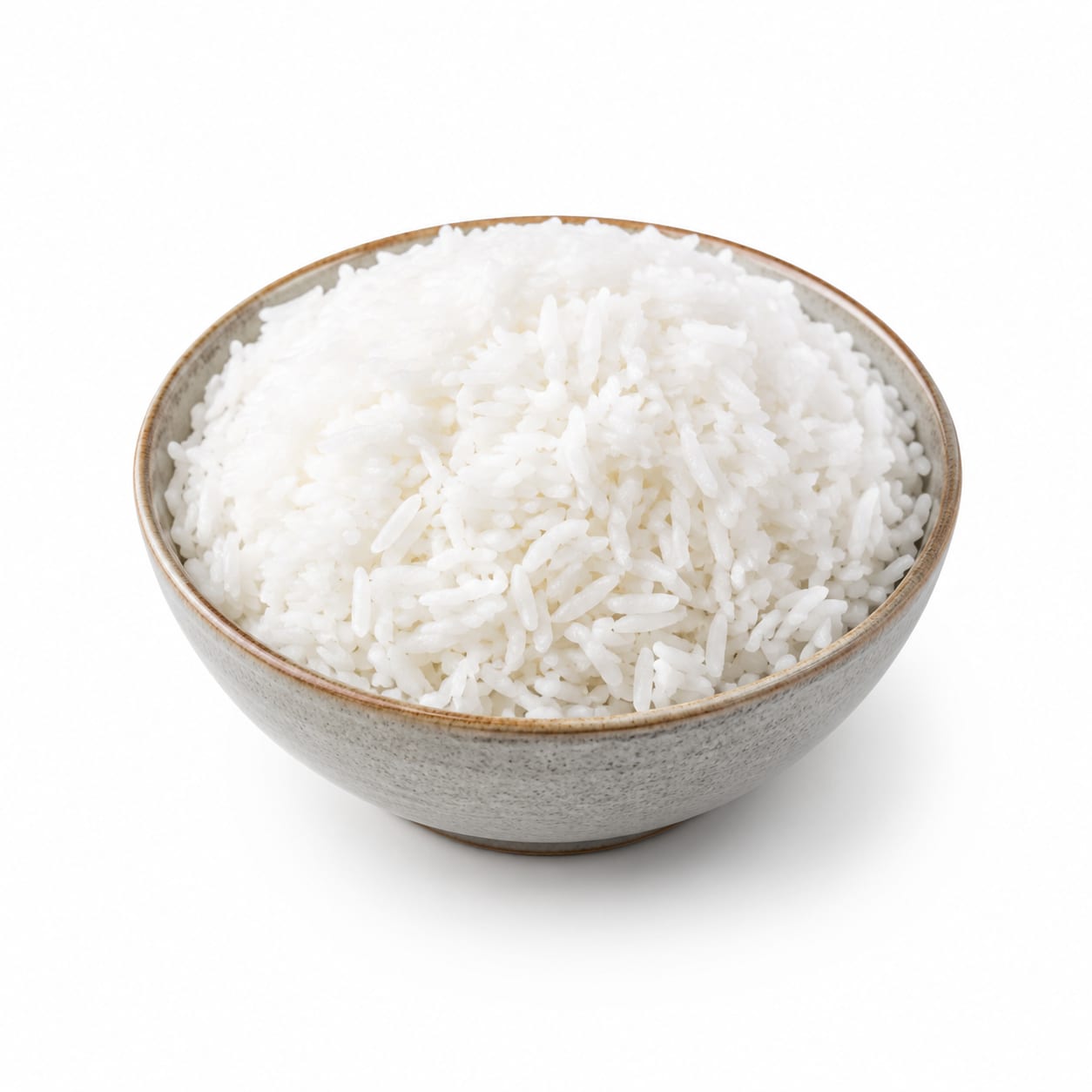
Jasmine Rice
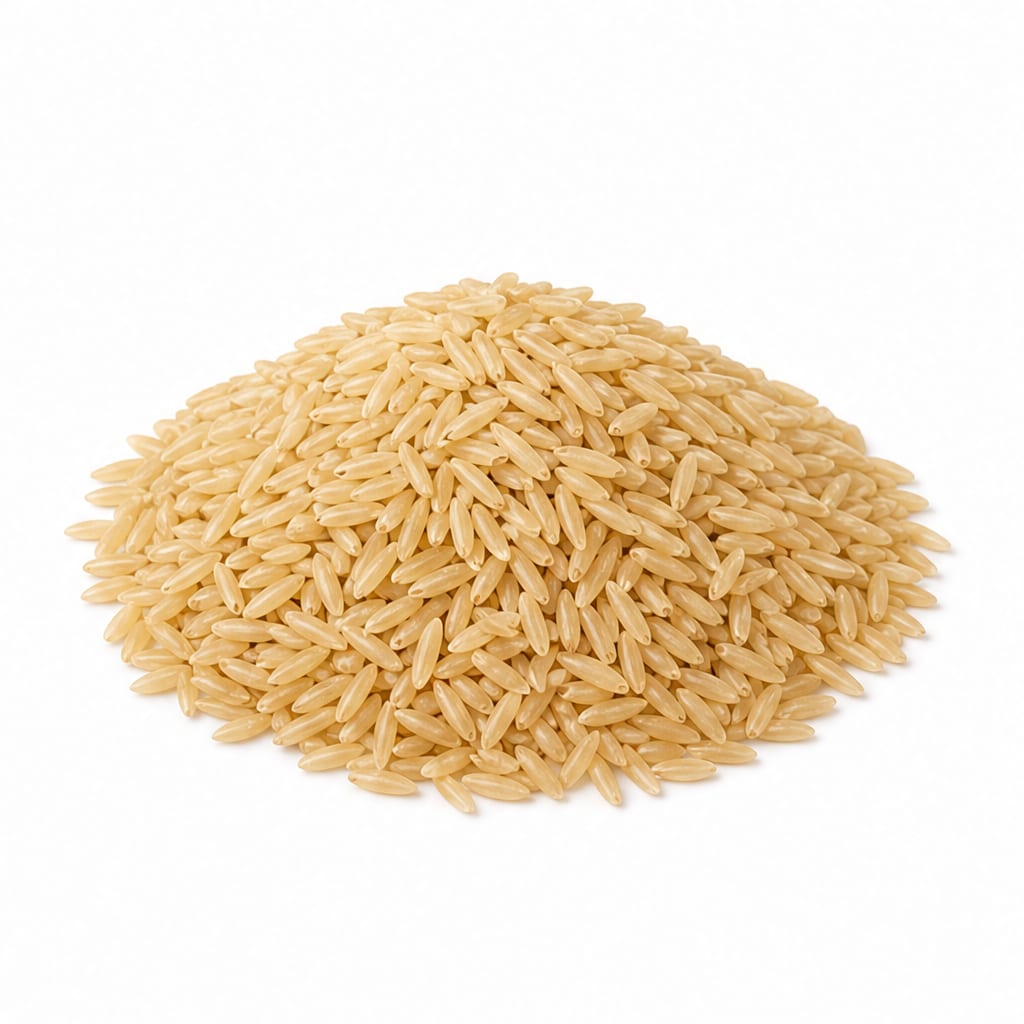
Brown Jasmine Rice
Brown Jasmine Rice wins on nutrition and blood sugar stability, but white Jasmine Rice wins on taste, speed, and digestibility. Your choice depends on what you prioritize at the table.
Brown Jasmine Rice scores notably higher due to superior fiber, mineral content, and glycemic control. White Jasmine Rice remains relevant for specific contexts like post-workout nutrition and digestive comfort, but for everyday eating the brown version offers more health value per calorie.
Fiber and steady energy versus fluffier texture and quicker cooking time.
At a glance
Executive summary
Overall
It depends
Healthier
Brown Jasmine Rice
More practical
Jasmine Rice
Daily use
Brown Jasmine Rice
Key comparison lenses
blood sugar management
The single biggest difference between these two is glycemic impact — white Jasmine Rice spikes blood sugar fast while the brown version digests noticeably slower
fiber and satiety comparison
Brown Jasmine Rice retains its bran layer, delivering significantly more fiber and keeping you fuller for longer
everyday meal compatibility
White Jasmine Rice is a staple in Asian households for its fluffy texture and quick cooking, while the brown version requires habit changes
nutrient density tradeoff
The refining process strips magnesium, B vitamins, and antioxidants from white Jasmine Rice, while brown retains them
digestive sensitivity
Some people find brown rice harder to digest, making white Jasmine Rice the better option for sensitive stomachs or recovery meals
Best choice for
Jasmine Rice
- Post-workout carb refueling when you need quick energy
- People with digestive sensitivity or recovering from illness
- Traditional Asian dishes where fluffy sticky texture matters
- Busy weeknights when cooking time is limited
Brown Jasmine Rice
- Sustained energy throughout the day without crashes
- Weight management through better fullness and portion control
- Diabetes or prediabetes blood sugar management
- Long-term heart and metabolic health optimization
Least suitable for
Jasmine Rice
- Anyone managing diabetes or insulin resistance
- Weight loss diets where satiety matters
- Those seeking nutrient-dense calories per bite
Brown Jasmine Rice
- People with IBS or difficulty digesting whole grains
- Meals where light fluffy rice texture is culturally expected
- Last-minute cooking when time is tight
Deep comparison
Dimension by dimension
Each lens scores both foods and breaks down who each option suits.
- Dimension 1 · Priority 95Brown Jasmine Rice
Blood Sugar Stability
Jasmine Rice · 30Brown Jasmine Rice · 72White Jasmine Rice has a high glycemic index around 89, causing rapid blood sugar spikes. Brown Jasmine Rice digests roughly twice as slowly, leading to gentler rises.
Tradeoff
You sacrifice the quick energy burst of white rice for steadier, crash-free energy with the brown version.
Why it matters
Frequent blood sugar spikes drive cravings, fatigue, and long-term metabolic risk. Brown Jasmine Rice helps avoid that rollercoaster.
Real-world impact
After a white Jasmine Rice lunch you may feel hungry again within two hours. Brown Jasmine Rice can keep you satisfied for three to four hours.
Jasmine Rice
- Athletes needing fast carb absorption within 30 minutes of intense training
Better for
- Prediabetics who experience energy crashes after carb-heavy meals
Worse for
Brown Jasmine Rice
- Office workers sitting through long afternoon meetings
- Anyone trying to reduce sugar cravings between meals
- People monitoring fasting blood sugar levels
Better for
- Endurance athletes mid-race who need immediate glucose availability
Worse for
- Dimension 2 · Priority 88Brown Jasmine Rice
Fiber and Satiety
Jasmine Rice · 15Brown Jasmine Rice · 75Brown Jasmine Rice provides roughly 2 to 3 grams of fiber per serving while the white version delivers less than 1 gram. That difference dramatically affects how full you feel.
Tradeoff
More fiber means better fullness but also a chewier, denser eating experience that some find less enjoyable.
Why it matters
Fiber slows digestion, feeds gut bacteria, and helps you eat less without feeling deprived — a quiet superpower for weight management.
Real-world impact
A bowl of brown Jasmine Rice with curry feels like a complete meal. The same portion of white Jasmine Rice leaves you reaching for seconds.
Jasmine Rice
- Light meals where you want to eat more volume without heaviness
Better for
- Chronic overeaters who find it easy to consume large portions
Worse for
Brown Jasmine Rice
- Anyone trying to lose weight without counting calories obsessively
- People who skip snacks between meals and need lunch to last
- Improving gut health through daily fiber intake
Better for
- Those unaccustomed to high fiber who may experience bloating initially
Worse for
- Dimension 3 · Priority 78Brown Jasmine Rice
Nutrient Density
Jasmine Rice · 25Brown Jasmine Rice · 78The bran and germ removed from white Jasmine Rice contain most of the magnesium, phosphorus, B vitamins, and beneficial plant compounds. Brown Jasmine Rice retains all of them.
Tradeoff
You get more micronutrients per calorie with brown, but the absolute amounts are still modest compared to vegetables and protein sources.
Why it matters
Rice is a daily staple for billions — even small nutrient differences compound over thousands of meals across years.
Real-world impact
Switching to brown Jasmine Rice adds roughly 40mg more magnesium per serving, which contributes meaningfully toward the 300-400mg daily target most people miss.
Jasmine Rice
- Situations where rice is just a calorie vehicle and nutrients come from other dishes
Better for
- People eating rice as their primary calorie source with limited dietary variety
Worse for
Brown Jasmine Rice
- Plant-based eaters relying on grains for mineral intake
- Older adults who need to maximize nutrition per bite
Better for
- Those already meeting micronutrient needs through diverse whole foods
Worse for
- Dimension 4 · Priority 80Jasmine Rice
Taste and Texture
Jasmine Rice · 88Brown Jasmine Rice · 55White Jasmine Rice is prized for its fragrant, slightly sweet flavor and soft sticky texture. Brown Jasmine Rice is chewier with a nuttier taste that does not pair as seamlessly with delicate dishes.
Tradeoff
The texture that makes white Jasmine Rice beloved is exactly what gets stripped away when you keep the bran intact.
Why it matters
Taste is the number one reason people abandon dietary changes. If brown rice feels like a chore, you will not stick with it.
Real-world impact
White Jasmine Rice with Thai green curry feels like comfort food. Brown Jasmine Rice with the same curry tastes healthy but slightly less indulgent.
Jasmine Rice
- Traditional Southeast Asian meals where rice texture is central to the experience
- Feeding picky eaters or children who resist whole grain textures
- Dinner parties where you want the food to feel special
Better for
- Those who want every meal to feel nutrient-rich rather than empty
Worse for
Brown Jasmine Rice
- Grain bowls and salads where a chewy nutty texture adds character
- People who have already acquired a taste for whole grains
Better for
- Anyone expecting the same soft fluffy result as white jasmine — it will disappoint
Worse for
- Dimension 5 · Priority 72Jasmine Rice
Cooking Convenience
Jasmine Rice · 90Brown Jasmine Rice · 45White Jasmine Rice cooks in 15 to 18 minutes. Brown Jasmine Rice takes 35 to 45 minutes and requires more water and attention.
Tradeoff
The bran layer that adds nutrition also creates a barrier that slows water absorption during cooking.
Why it matters
On a tired Tuesday night, a 15-minute rice wins over a 40-minute rice every time, regardless of nutrition goals.
Real-world impact
You can start white Jasmine Rice and have dinner on the table in 20 minutes. Brown Jasmine Rice requires planning ahead or using a rice cooker with a timer.
Jasmine Rice
- Weeknight cooking when time is limited
- Beginner cooks who want foolproof results
- Camping or travel cooking with limited fuel
Better for
- Those who prioritize batch cooking efficiency — the time difference matters less at scale
Worse for
Brown Jasmine Rice
- Weekend meal prep when you cook large batches for the week ahead
- Rice cooker owners who can set it and forget it
Better for
- Anyone who decides what to eat 20 minutes before dinner
Worse for
- Dimension 6 · Priority 70Jasmine Rice
Digestive Tolerance
Jasmine Rice · 82Brown Jasmine Rice · 50White Jasmine Rice is gentle on the digestive system and commonly recommended during illness recovery. Brown Jasmine Rice contains phytic acid and insoluble fiber that can irritate sensitive guts.
Tradeoff
The same fiber that feeds good gut bacteria can cause discomfort if your digestive system is not accustomed to it.
Why it matters
No amount of nutritional superiority matters if a food causes bloating, gas, or stomach pain after eating.
Real-world impact
After stomach flu or a flare-up, a plain bowl of white Jasmine Rice is soothing. Brown Jasmine Rice would feel heavy and irritating in the same situation.
Jasmine Rice
- Post-illness recovery meals
- People with IBS who tolerate low-fiber foods better
- Introductory solid food for toddlers
Better for
- Those relying on rice as a staple who need it to actively support digestive regularity
Worse for
Brown Jasmine Rice
- Healthy guts that benefit from prebiotic fiber feeding beneficial bacteria
- Chronic constipation relief through increased insoluble fiber
Better for
- Anyone in an active IBS flare or recovering from gastrointestinal illness
Worse for
Timeline
Health impact over time
Short-term
Hours to days
Jasmine Rice
- Quick energy within 20 to 40 minutes of eating
- Possible hunger return within 90 to 120 minutes
- Blood sugar spike followed by a mild crash in sensitive individuals
- Light comfortable feeling in the stomach
Brown Jasmine Rice
- Gradual energy release over 2 to 4 hours
- Stable fullness that reduces between-meal snacking
- Minimal blood sugar fluctuation after eating
- Mild bloating possible if your body is unaccustomed to higher fiber
Long-term
Months to years
Jasmine Rice
- Higher risk of developing insulin resistance with frequent large portions
- Lower overall fiber intake contributing to constipation and gut microbiome changes
- Easier weight gain potential due to low satiety per calorie
- Possible nutrient gaps if rice is a dominant calorie source without varied diet
Brown Jasmine Rice
- Better long-term blood sugar regulation reducing Type 2 diabetes risk
- Improved cholesterol markers from regular fiber intake
- Healthier gut microbiome diversity from prebiotic fiber
- Slightly higher arsenic exposure than white rice since arsenic concentrates in the bran layer
Risk profile
Safety & processing
Both are single-ingredient whole foods with no additives. The key difference is that Jasmine Rice has been milled to remove the bran and germ, making it a refined grain. Brown Jasmine Rice is the intact whole grain with only the inedible hull removed. Neither contains preservatives, artificial colors, or emulsifiers.
Jasmine Rice
Arsenic exposure
mediumAll rice contains some inorganic arsenic. Milling removes the bran where arsenic concentrates, so white Jasmine Rice has measurably less arsenic than brown. However, levels vary significantly by growing region.
Brown Jasmine Rice
Higher arsenic concentration
mediumArsenic accumulates in the bran layer, which is retained in Brown Jasmine Rice. This is a legitimate concern with daily heavy consumption, especially for children and pregnant women. Rinsing thoroughly and cooking with extra water reduces levels noticeably.
Rancidity
lowThe germ contains oils that can go rancid over time. Brown Jasmine Rice has a shorter shelf life than white and should be stored in a cool dark place or refrigerated if kept beyond a few months.
Who wins for whom
Audience fit
Same foods, different winners depending on your goal.
children
It dependsWhite Jasmine Rice is easier for small digestive systems and more likely to be eaten without complaint, but Brown Jasmine Rice provides more nutrition during critical growth years. A mix of both is often the most practical approach.
daily consumption
Brown Jasmine RiceFor people eating rice daily as a staple, the cumulative benefits of fiber, minerals, and glycemic control make Brown Jasmine Rice the smarter long-term default.
diabetes
Brown Jasmine RiceThe lower glycemic impact and higher fiber content help stabilize blood sugar, making it the clearly safer choice for anyone managing diabetes or insulin resistance.
elderly
It dependsThose with digestive issues or dental challenges may prefer the softness of white Jasmine Rice, while those focused on heart health and blood sugar benefit more from the brown version.
muscle gain
Jasmine RiceFast-digesting carbohydrates are advantageous post-workout when your muscles need quick glycogen replenishment to kickstart recovery.
weight loss
Brown Jasmine RiceHigher fiber and slower digestion make portions feel more satisfying, naturally reducing total calorie intake without conscious restriction.
Your move
Decision guide
Choose Jasmine Rice
- You are an athlete or highly active person who needs fast carbs around workouts
- You have a sensitive stomach, IBS, or are recovering from illness
- You are cooking traditional Thai or Southeast Asian dishes where texture matters deeply
- You need dinner on the table in under 20 minutes on busy nights
- You are introducing rice to a toddler who rejects chewier textures
Choose Brown Jasmine Rice
- You want steady energy without afternoon crashes
- You are managing weight, prediabetes, or Type 2 diabetes
- You eat rice daily and want each serving to contribute meaningful nutrition
- You are comfortable with longer cooking times or own a rice cooker
- You want to increase daily fiber intake without taking supplements
Either works if
- You eat rice only occasionally and the nutritional difference is negligible at low frequency
- You are mixing both in a single dish for balanced texture and nutrition
- You rotate between the two depending on the meal and your energy needs that day
Avoid both if
- You have a confirmed rice allergy or sensitivity
- You are on a strict very-low-carb or ketogenic diet
- You are concerned about arsenic and already consume significant rice products daily — consider alternating with quinoa, millet, or cauliflower rice
Final recommendation
Make Brown Jasmine Rice your default for everyday meals — the fiber, mineral content, and blood sugar stability compound meaningfully over time. Keep white Jasmine Rice as a strategic tool for post-workout meals, sick days, and special-occasion recipes where its signature texture truly shines. The best diet is one you enjoy enough to sustain, so if brown rice feels like a punishment, start by mixing both and gradually shifting the ratio as your palate adjusts.
Practical
Consumer tips
- 1
Reduce arsenic in Brown Jasmine Rice by rinsing thoroughly before cooking and using a 6-to-1 water-to-rice ratio, then draining excess water after cooking
- 2
Batch cook Brown Jasmine Rice on weekends and refrigerate or freeze portions — reheated brown rice works perfectly and saves time on busy days
- 3
Mix white and Brown Jasmine Rice in a 50-50 ratio as a transition strategy if the full switch feels too drastic
- 4
Cooling cooked rice in the fridge overnight increases resistant starch content, which lowers glycemic impact and feeds gut bacteria — this works for both varieties
- 5
Store Brown Jasmine Rice in the refrigerator or freezer to prevent the natural oils in the germ from going rancid
- 6
Check the country of origin — Jasmine Rice grown in Thailand generally has lower arsenic levels than rice grown in certain regions of the American South