
Nutrition comparison
Hyacinth Beans vs Fava Beans: Safety, Nutrition, and Which to Choose
Compare Hyacinth Beans and Fava Beans on nutrition, safety risks, protein quality, and daily usability. Learn which legume is safer, which has more folate and L-DOPA, and critical preparation warnings for both.
Overall winner · Fava Beans
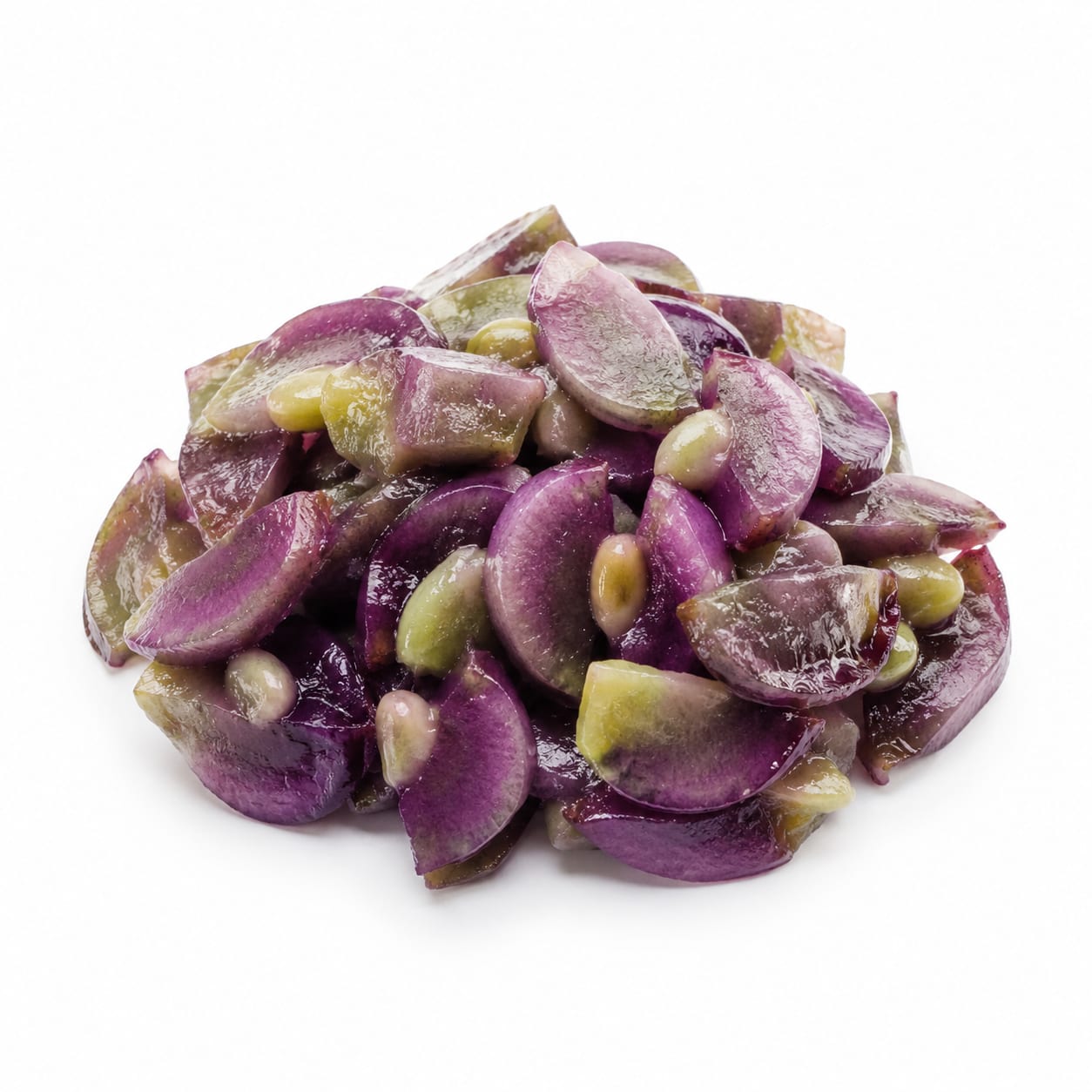
Hyacinth Bean
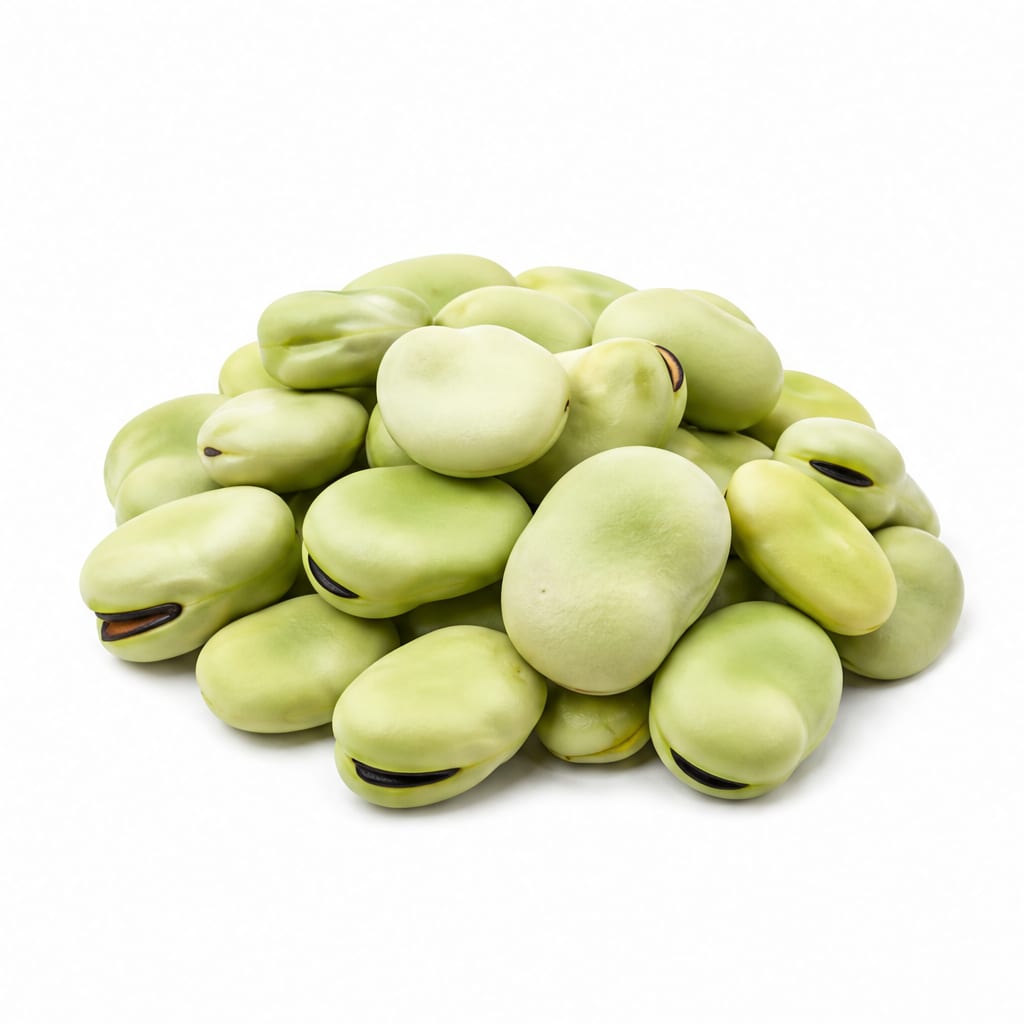
Fava Beans
Fava Beans edge ahead thanks to superior nutrient density, better-studied safety profile, and unique L-DOPA content — but both demand careful preparation and carry real toxicity risks that most people underestimate.
Fava Beans score notably higher due to better nutrient density, a more manageable safety profile for the general population, and unique functional compounds like L-DOPA. Hyacinth Beans lose ground primarily on safety — the cyanogenic glycoside risk is significant and preparation is non-negotiable. The confidence score reflects that both foods have less nutritional research than common legumes like lentils or chickpeas.
Hyacinth Beans offer slightly more fiber and iron, but Fava Beans deliver more folate, manganese, and a brain-supporting compound — with a safety profile that, while not perfect, is better understood and easier to manage for most people.
At a glance
Executive summary
Overall
Fava Beans
Healthier
Fava Beans
More practical
Fava Beans
Daily use
Fava Beans
Key comparison lenses
safety and toxicity
Both foods carry serious toxicity risks that demand attention — hyacinth beans contain cyanogenic glycosides, and fava beans can trigger favism in susceptible individuals
protein quality and plant based meal planning
Both are legumes frequently chosen as plant protein sources, so understanding which delivers better amino acid profiles matters
preparation convenience
Hyacinth beans require extensive cooking to detoxify, while fava beans need peeling and have favism risk — both demand more effort than typical legumes
nutrient density for daily use
Users choosing between these want to know which offers more vitamins, minerals, and functional compounds per serving
digestive tolerance
Both can cause digestive discomfort, but the nature and severity differ significantly
Best choice for
Hyacinth Bean
- People in regions where hyacinth beans are traditional and preparation methods are well-known
- Those specifically seeking higher iron intake from plant sources
- Gardeners in tropical climates where hyacinth beans thrive as a perennial crop
Fava Beans
- Most people looking for a nutrient-dense legume with broader culinary tradition
- Older adults who may benefit from natural L-DOPA for dopamine support
- Women of childbearing age needing folate-rich foods
- Anyone wanting a well-studied legume with clearer safety guidelines
Least suitable for
Hyacinth Bean
- Anyone unfamiliar with proper detoxification methods for toxic legumes
- Households with children who might eat raw beans from the garden
- People who want a grab-and-cook legume without extensive preparation
- Those with compromised detoxification pathways or liver conditions
Fava Beans
- People with G6PD deficiency — favism risk is serious and potentially life-threatening
- Those taking MAO inhibitors, as tyramine content can interact dangerously
- People who find the peeling and prep tedious and may skip proper preparation
Deep comparison
Dimension by dimension
Each lens scores both foods and breaks down who each option suits.
- Dimension 1 · Priority 95Fava Beans
toxicity_and_safety
Hyacinth Bean · 35Fava Beans · 60Hyacinth Beans contain cyanogenic glycosides that release hydrogen cyanide — improper cooking can cause acute poisoning. Fava Beans carry favism risk but only for the G6PD-deficient minority.
Tradeoff
Hyacinth Beans pose a universal toxicity risk requiring mandatory detoxification, while Fava Beans pose a severe but population-specific risk that can be screened for with a simple blood test.
Why it matters
Eating undercooked hyacinth beans can cause vomiting, respiratory distress, and even death. Fava bean favism causes hemolytic anemia but only in genetically susceptible individuals — roughly 400 million people worldwide carry G6PD deficiency.
Real-world impact
If you cook hyacinth beans incorrectly, anyone at the table could get sick. With fava beans, you can get tested once and know your risk permanently.
Hyacinth Bean
- Communities with traditional knowledge of proper preparation
Better for
- Casual cooks who might cut corners on preparation time
- Families with young children who might sample raw beans
Worse for
Fava Beans
- Anyone who can confirm they lack G6PD deficiency
- People who prefer a risk that can be screened for rather than a universal cooking-dependent risk
Better for
- People with undiagnosed G6PD deficiency — especially males of Mediterranean, African, or Southeast Asian descent
Worse for
- Dimension 2 · Priority 85Fava Beans
nutrient_density
Hyacinth Bean · 65Fava Beans · 80Fava Beans deliver substantially more folate, manganese, and copper, plus unique L-DOPA. Hyacinth Beans offer slightly more iron and comparable fiber.
Tradeoff
Hyacinth Beans win on iron, but Fava Beans provide a broader micronutrient profile with standout folate levels that matter especially for pregnant women and brain health.
Why it matters
Folate supports cell division, DNA repair, and mood regulation. L-DOPA is a direct dopamine precursor being studied for Parkinson's support. These functional nutrients give Fava Beans an edge beyond basic macros.
Real-world impact
A serving of Fava Beans covers roughly 40% of daily folate needs. That matters more than a small iron advantage for most people eating a varied diet.
Hyacinth Bean
- People with diagnosed iron deficiency seeking plant-based iron sources
- Those already getting ample folate from other foods
Better for
- Those relying on this legume as a primary folate source
Worse for
Fava Beans
- Women planning pregnancy or in early pregnancy
- Older adults interested in natural dopamine support
- Anyone wanting broader micronutrient coverage from a single legume
Better for
- People taking levodopa medication — dietary L-DOPA can complicate dosing
Worse for
- Dimension 3 · Priority 80Fava Beans
protein_quality_and_satiety
Hyacinth Bean · 62Fava Beans · 72Fava Beans provide slightly more protein per serving with a better amino acid profile, especially leucine, which drives muscle protein synthesis.
Tradeoff
The protein difference is modest — both are solid plant protein sources. Fava Beans pull ahead on leucine content and overall digestibility when properly prepared.
Why it matters
Leucine is the key amino acid triggering muscle building. For plant-based eaters, every gram of leucine matters more since overall intake tends to be lower.
Real-world impact
After a fava bean meal, you will likely feel full slightly longer and recover better from exercise compared to hyacinth beans, though both beat refined carbs handily.
Hyacinth Bean
- Those who find fava beans harder to digest and need an alternative
Better for
- Those seeking optimal muscle-supporting protein from legumes
Worse for
Fava Beans
- Athletes and active individuals prioritizing muscle recovery
- Plant-based eaters trying to maximize protein quality per calorie
Better for
- People who experience bloating or gas from higher-protein legume servings
Worse for
- Dimension 4 · Priority 75Fava Beans
preparation_convenience
Hyacinth Bean · 30Fava Beans · 55Neither bean is convenient, but Fava Beans have a clearer and less risky preparation path. Hyacinth Beans require specific multi-step detoxification that cannot be skipped.
Tradeoff
Hyacinth Beans demand boiling with water changes to remove cyanogenic compounds — a non-negotiable safety step. Fava Beans need soaking and ideally skin removal for texture, but the safety stakes are lower.
Why it matters
If preparation feels burdensome or risky, people avoid the food entirely. A legume you are afraid to cook wrong is a legume you will not eat.
Real-world impact
Fava Beans can be soaked overnight and cooked like most legumes. Hyacinth Beans require specific knowledge — get it wrong and the meal makes people sick.
Hyacinth Bean
- Experienced cooks in cultures where hyacinth bean preparation is standard knowledge
Better for
- Busy weeknight cooks who cannot manage multi-step detoxification
- Anyone who has ever skipped a cooking step thinking it was optional
Worse for
Fava Beans
- Home cooks wanting a legume with straightforward, forgiving preparation
- Anyone new to cooking heirloom or specialty legumes
Better for
- People who dislike the peeling step for fresh fava beans
- Those wanting a truly quick-cooking legume like lentils
Worse for
- Dimension 5 · Priority 70It depends
blood_sugar_stability
Hyacinth Bean · 70Fava Beans · 70Both beans have low glycemic indices and high fiber content, making them excellent for blood sugar management. Differences here are negligible.
Tradeoff
Hyacinth Beans have slightly more fiber, Fava Beans have slightly more protein — both contribute to steadier blood sugar in comparable ways.
Why it matters
For anyone managing diabetes or trying to avoid afternoon energy crashes, both options perform well compared to grains or starchy sides.
Real-world impact
Swapping either bean for rice or bread at lunch will give you noticeably steadier energy through the afternoon.
Hyacinth Bean
- Those prioritizing maximum fiber intake per serving
Better for
Fava Beans
- Those who find protein more satiating than fiber for blood sugar control
Better for
- Dimension 6 · Priority 65It depends
digestive_tolerance
Hyacinth Bean · 50Fava Beans · 50Both can cause significant gas and bloating. Hyacinth Beans may be slightly harder to digest due to antinutritional factors, while Fava Beans cause issues primarily from their oligosaccharide content.
Tradeoff
Neither is gentle on the gut if you are not used to high-fiber legumes. Gradual introduction helps with both equally.
Why it matters
If a food causes discomfort, people stop eating it regardless of nutritional merit. Tolerance is highly individual.
Real-world impact
Start with small portions of either bean and increase gradually. Soaking and thorough cooking reduce gas-producing compounds for both.
Hyacinth Bean
- People who tolerate hyacinth beans well due to regular consumption
Better for
- Those with sensitive digestion unaccustomed to high-fiber legumes
Worse for
Fava Beans
- People accustomed to fava beans from Mediterranean or Middle Eastern dietary traditions
Better for
- People with irritable bowel syndrome who react to oligosaccharides
Worse for
Timeline
Health impact over time
Short-term
Hours to days
Hyacinth Bean
- Potential cyanide poisoning symptoms if undercooked: nausea, headache, dizziness, vomiting
- Moderate satiety from protein and fiber content
- Possible digestive discomfort from antinutritional factors like phytic acid and tannins
Fava Beans
- In G6PD-deficient individuals: sudden fatigue, dark urine, jaundice within hours of consumption
- Good steady energy from low glycemic load
- Mild bloating or gas, especially when first introduced to the diet
Long-term
Months to years
Hyacinth Bean
- Iron contribution supports healthy blood if consumed regularly and properly prepared
- Consistent fiber intake supports gut microbiome diversity
- Chronic low-level cyanide exposure risk if preparation is consistently inadequate
Fava Beans
- Folate supports cardiovascular health and may reduce depression risk over time
- L-DOPA content may support dopamine-related brain health with regular consumption
- Consistent intake associated with lower cardiovascular disease risk in Mediterranean populations
Risk profile
Safety & processing
Both Hyacinth Beans and Fava Beans are whole, minimally processed foods when purchased dried or fresh. Neither typically contains additives. The real concern is not processing but proper preparation — both require specific cooking methods to be safe and digestible.
Hyacinth Bean
Cyanogenic glycoside poisoning
highRaw hyacinth beans contain cyanogenic glycosides that release hydrogen cyanide. Boiling in multiple changes of water is mandatory. Even properly cooked beans should not be consumed in large quantities daily.
Antinutritional factor interference
mediumPhytic acid, tannins, and trypsin inhibitors can reduce mineral absorption and protein digestibility. Soaking and thorough cooking mitigate but do not eliminate these entirely.
Fava Beans
Favism (G6PD deficiency reaction)
highIn people with G6PD deficiency, fava bean consumption triggers hemolytic anemia. This can be life-threatening. Males of Mediterranean, African, and Southeast Asian descent have higher carrier rates. A simple blood test identifies the deficiency.
Tyramine interaction with MAO inhibitors
mediumFava Beans contain tyramine, which can cause dangerous blood pressure spikes in people taking MAO inhibitor antidepressants.
Who wins for whom
Audience fit
Same foods, different winners depending on your goal.
children
Fava BeansFava Beans have a clearer safety margin when properly cooked. Hyacinth Beans carry cyanide risk that is harder to manage with children who might eat raw beans or refuse thoroughly cooked portions.
daily consumption
Fava BeansFava Beans have a more established safety profile for regular consumption in varied populations. Hyacinth Beans carry a caution against daily large servings even when properly prepared.
diabetes
It dependsBoth have low glycemic indices and high fiber. The difference is negligible — choose based on availability and personal tolerance.
elderly
Fava BeansL-DOPA content may support dopamine levels relevant to aging brains, and folate supports cardiovascular health. The favism risk is typically known by this age if relevant.
muscle gain
Fava BeansHigher leucine content and overall protein quality make Fava Beans more supportive of muscle protein synthesis.
weight loss
Fava BeansFava Beans offer slightly more protein and comparable fiber with better satiety per calorie, plus fewer safety concerns that might discourage regular consumption.
Your move
Decision guide
Choose Hyacinth Bean
- You have traditional knowledge of hyacinth bean preparation from your cultural background
- Iron deficiency is your primary nutritional concern and you want a plant-based boost
- You grow your own in a tropical climate and understand the detoxification process thoroughly
- Fava Beans are unavailable or you have confirmed G6PD deficiency making them dangerous for you
Choose Fava Beans
- You want a nutrient-dense legume with broader research backing its health benefits
- Folate intake matters to you — especially if you are a woman of childbearing age
- You are interested in the potential brain-health benefits of natural L-DOPA
- You have confirmed you do not have G6PD deficiency and want a safer everyday legume
- You follow Mediterranean dietary patterns and want authentic ingredients
Either works if
- Your primary goal is blood sugar management — both perform similarly
- You want a high-fiber, high-protein plant food and both are available
- You already eat a varied legume rotation and want to add diversity
Avoid both if
- You have G6PD deficiency — fava beans are dangerous, and hyacinth beans are not worth the preparation risk when safer legumes exist
- You want a quick-cooking weeknight protein — choose lentils or canned chickpeas instead
- You are new to cooking legumes and have not yet mastered soaking and thorough cooking techniques
- You have young children who might eat raw beans from the kitchen or garden
Final recommendation
For most people, Fava Beans are the better choice — they offer superior nutrient density, a more manageable safety profile, and unique brain-supporting compounds. Hyacinth Beans are not inherently bad, but their cyanide risk demands a level of preparation discipline that makes them impractical for casual use. If you grew up with hyacinth beans and know the preparation well, enjoy them. Otherwise, Fava Beans give you more nutritional return with less anxiety at the stove.
Practical
Consumer tips
- 1
Never eat either bean raw or undercooked — this is non-negotiable for both
- 2
If you have never been tested for G6PD deficiency, ask your doctor — it is a simple blood test and knowing your status permanently changes your legume safety calculus
- 3
For Hyacinth Beans: boil in plenty of water, discard the water, and boil again in fresh water. Never cook them in a slow cooker or pressure cooker without prior boiling
- 4
For Fava Beans: soaking overnight and peeling the outer skin improves both texture and digestibility significantly
- 5
Start with small portions of either bean — a quarter cup cooked — and increase gradually over weeks to let your gut adapt
- 6
If you feel unusually fatigued, notice dark urine, or develop jaundice after eating fava beans, seek medical attention immediately — this signals favism
- 7
Both beans freeze well after cooking, so make large batches with proper preparation and freeze portions for convenient future meals
- 8
Consider rotating both with safer legumes like lentils, chickpeas, and black beans to get variety without concentrating risk from any single legume