
Nutrition comparison
Hyacinth Bean vs Pinto Beans: Safety, Nutrition, and Which to Choose
Compare hyacinth beans and pinto beans on nutrition, safety, and everyday practicality. Learn why pinto beans are the safer daily choice and when hyacinth beans might be worth the extra care.
Overall winner · Pinto Beans
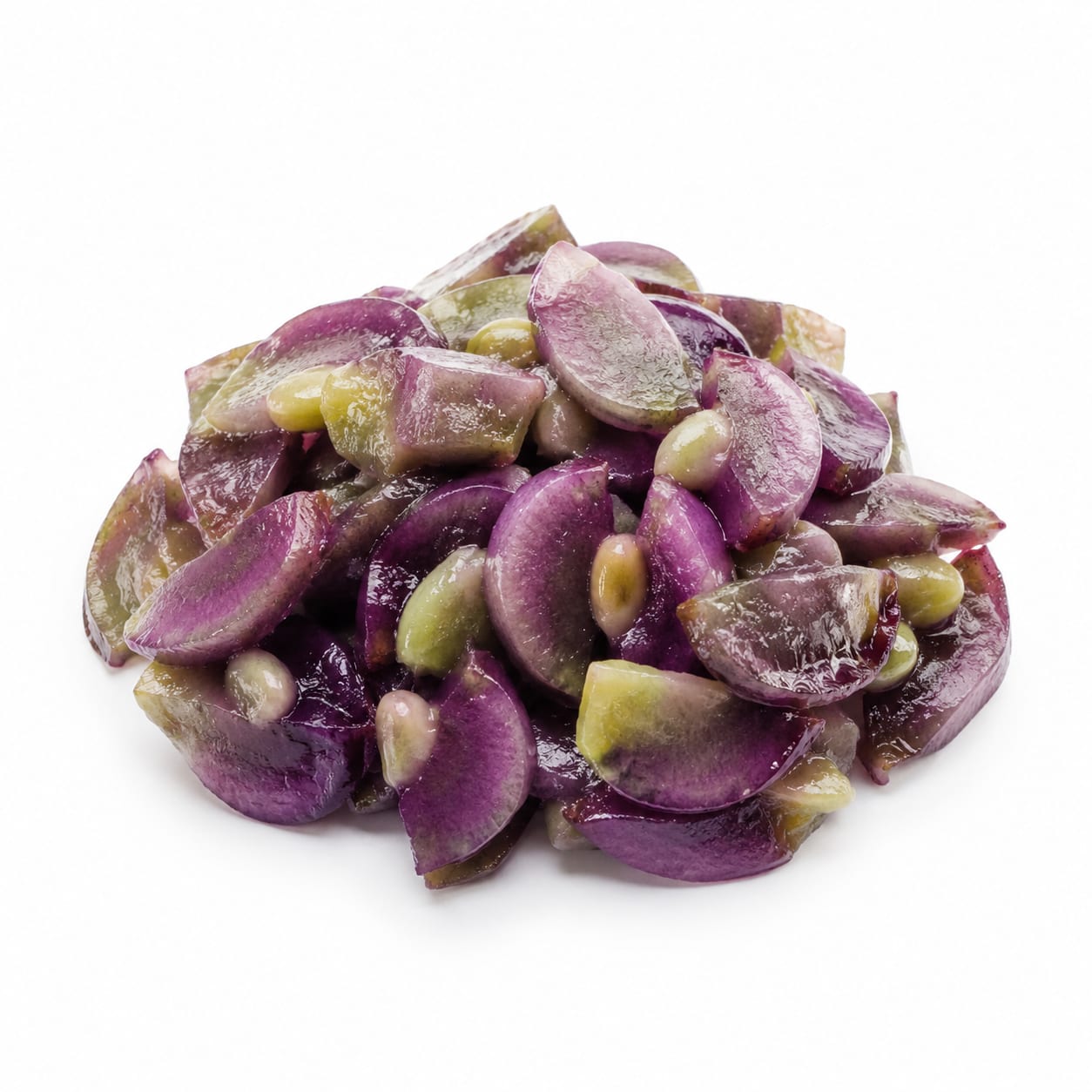
Hyacinth Bean
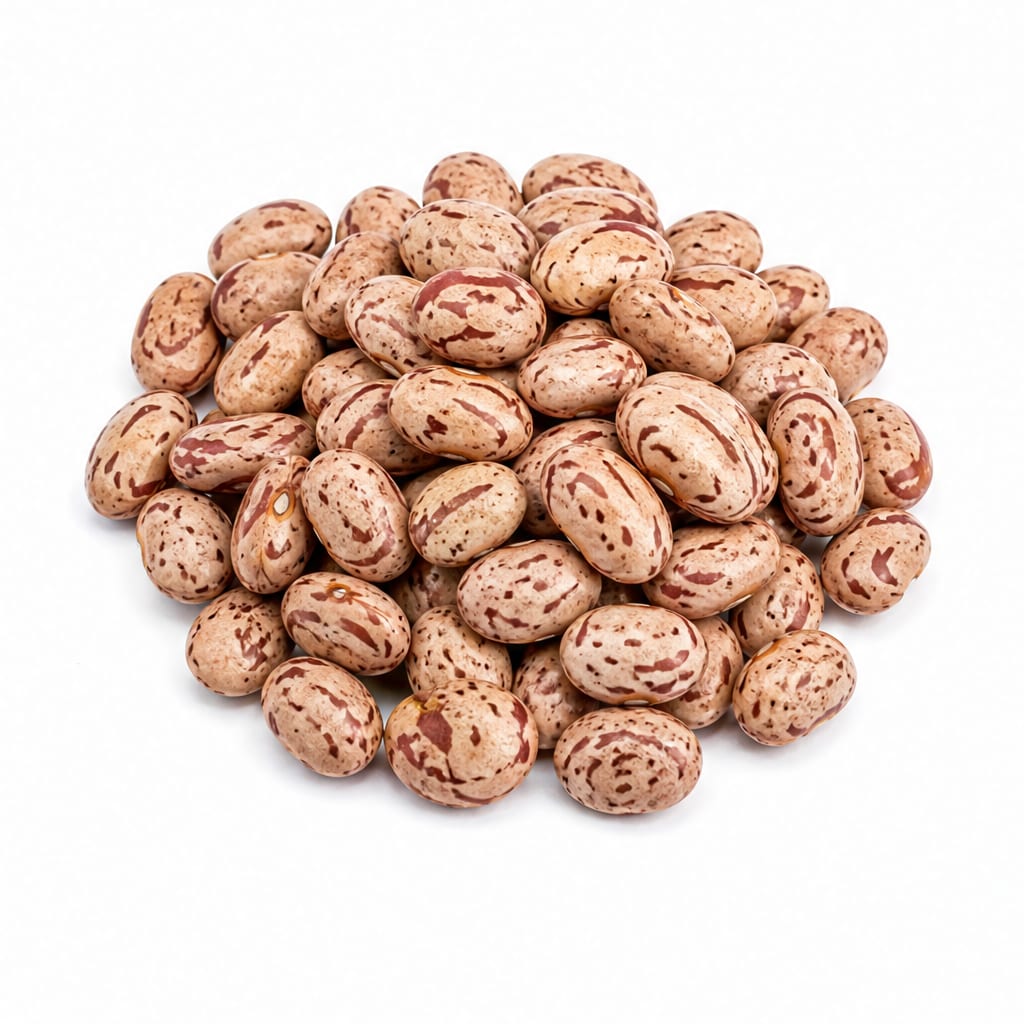
Pinto Beans
Pinto beans win on safety, availability, and everyday reliability, while hyacinth beans offer slightly more iron and unique phytonutrients but carry a real toxicity risk if improperly prepared.
Pinto beans score significantly higher due to superior safety, accessibility, and ease of use. Hyacinth beans lose substantial points on toxicity risk and limited availability, despite competitive nutrition.
Hyacinth beans deliver marginally higher mineral content and interesting bioactive compounds, but pinto beans are dramatically safer and far easier to incorporate into daily meals without special knowledge.
At a glance
Executive summary
Overall
Pinto Beans
Healthier
Pinto Beans
More practical
Pinto Beans
Daily use
Pinto Beans
Key comparison lenses
safety and toxicity
Hyacinth beans contain cyanogenic glycosides and require careful preparation to avoid poisoning, making this the dominant concern
everyday practicality
Pinto beans are widely available and familiar, while hyacinth beans are niche and require special handling knowledge
nutrient density comparison
Both are legumes with strong nutritional profiles, but users want to know which delivers more value per serving
digestive tolerance
Bean choices often hinge on gut comfort and gas production, a real-world concern for daily consumption
blood sugar management
Both beans appeal to people managing diabetes or seeking steady energy, so glycemic impact matters
Best choice for
Hyacinth Bean
- Adventurous cooks who understand proper detoxification methods
- People seeking traditional Asian or African recipe authenticity
- Those wanting slightly higher iron intake from legumes
Pinto Beans
- Families needing a safe, reliable staple bean
- Anyone meal-prepping on a budget
- People managing blood sugar who want a proven, low-risk option
Least suitable for
Hyacinth Bean
- Children and elderly who are more vulnerable to toxin exposure
- Anyone unfamiliar with proper bean preparation techniques
- Busy households that need quick, low-risk cooking
Pinto Beans
- People bored with common beans wanting novel flavors
- Those specifically seeking hyacinth bean's unique phytonutrients
Deep comparison
Dimension by dimension
Each lens scores both foods and breaks down who each option suits.
- Dimension 1 · Priority 95Pinto Beans
safety_and_toxicity
Hyacinth Bean · 35Pinto Beans · 90Hyacinth beans contain cyanogenic glycosides that release hydrogen cyanide if not properly detoxified through extended boiling with water changes. Pinto beans carry only standard lectin risks resolved by normal cooking.
Tradeoff
Hyacinth beans offer unique nutrients but demand expert-level preparation to eat safely. Pinto beans are forgiving and safe with basic cooking.
Why it matters
A single mistake preparing hyacinth beans can cause acute cyanide poisoning symptoms including nausea, vomiting, and in severe cases, neurological damage.
Real-world impact
Most home cooks can safely prepare pinto beans without special research. Hyacinth beans require specific knowledge that most people lack, creating genuine health risk.
Hyacinth Bean
- Experienced traditional cooks who learned preparation from family
Better for
- Novice cooks who might undercook or skip water changes
- People with compromised detoxification pathways
Worse for
Pinto Beans
- Anyone without specialized bean preparation training
- Households with children who might sample ingredients
- People who occasionally rush cooking steps
Better for
- No significant safety concerns beyond standard legume preparation
Worse for
- Dimension 2 · Priority 80Pinto Beans
protein_and_satiety
Hyacinth Bean · 72Pinto Beans · 80Pinto beans provide slightly more protein per serving and are more filling in practice due to their denser texture and higher starch content that slows digestion.
Tradeoff
Hyacinth beans have respectable protein but are less satisfying as a standalone meal component compared to the creamy, hearty texture of pinto beans.
Why it matters
More filling beans reduce snacking between meals and make it easier to maintain healthy portions without feeling deprived.
Real-world impact
A pinto bean bowl keeps you full for hours. Hyacinth beans in the same portion leave you reaching for a snack sooner.
Hyacinth Bean
- Lighter meals where you want less heaviness
Better for
- Those relying on beans as a primary protein source
Worse for
Pinto Beans
- Post-workout recovery meals
- Main dish beans where satiety is the goal
- Anyone trying to eat less between meals
Better for
- People wanting a lighter, less dense bean dish
Worse for
- Dimension 3 · Priority 72Hyacinth Bean
mineral_content
Hyacinth Bean · 82Pinto Beans · 74Hyacinth beans edge ahead on iron and provide notable manganese and magnesium levels, making them slightly more mineral-dense per serving.
Tradeoff
The mineral advantage is real but modest, and it comes with the safety tradeoff that overshadows this benefit for most users.
Why it matters
Iron deficiency is common, especially among women, and legumes are a key plant-based iron source.
Real-world impact
If you have borderline iron levels, hyacinth beans offer a slight edge, but only if you prepare them correctly. Otherwise, pinto beans with vitamin C are the safer iron-boosting strategy.
Hyacinth Bean
- People with diagnosed iron deficiency seeking dietary support
- Those already skilled in hyacinth bean preparation
Better for
- Those who cannot guarantee proper preparation every time
Worse for
Pinto Beans
- Anyone wanting reliable mineral intake without safety concerns
- People pairing beans with vitamin C foods for iron absorption
Better for
- People who need maximum iron density from every serving
Worse for
- Dimension 4 · Priority 68Pinto Beans
blood_sugar_stability
Hyacinth Bean · 73Pinto Beans · 82Pinto beans have a well-documented low glycemic index around 30-40 and strong clinical evidence for blood sugar management. Hyacinth beans likely have similar glycemic properties but lack equivalent research.
Tradeoff
Pinto beans are a proven choice for diabetes management with decades of data. Hyacinth beans are probably fine but come with less certainty and more preparation risk.
Why it matters
For people with diabetes, predictable blood sugar response is not optional. Uncertainty creates real health risk.
Real-world impact
Your doctor can confidently recommend pinto beans. Hyacinth beans would require a cautious conversation about preparation safety first.
Hyacinth Bean
- Those already monitoring blood sugar who want variety in their legume rotation
Better for
- Diabetics who cannot risk inconsistent meal preparation
Worse for
Pinto Beans
- People with diabetes needing a reliable, studied staple
- Anyone seeking steady energy without afternoon crashes
Better for
- No real downside for blood sugar management
Worse for
- Dimension 5 · Priority 85Pinto Beans
availability_and_convenience
Hyacinth Bean · 30Pinto Beans · 92Pinto beans are available in virtually every grocery store in multiple forms. Hyacinth beans are specialty items requiring Asian or African markets, online ordering, or home growing.
Tradeoff
You can decide to cook pinto beans tonight and have them. Hyacinth beans require planning, sourcing, and extra preparation time.
Why it matters
The healthiest food is the one you actually eat regularly. Availability directly impacts consistency.
Real-world impact
Pinto beans are a pantry staple you can always keep on hand. Hyacinth beans are a project ingredient you might use occasionally.
Hyacinth Bean
- People with access to specialty markets or who grow their own
- Adventurous eaters who enjoy sourcing unique ingredients
Better for
- Rural shoppers without specialty store access
- Anyone who needs dinner solutions on short notice
Worse for
Pinto Beans
- Anyone who shops at regular grocery stores
- People who want to meal prep without extra sourcing effort
- Those who value having backup protein always in the pantry
Better for
- Cooking enthusiasts who find everyday ingredients uninspiring
Worse for
- Dimension 6 · Priority 65Pinto Beans
digestive_tolerance
Hyacinth Bean · 55Pinto Beans · 68Both beans can cause gas and bloating initially, but pinto beans are widely consumed with well-understood digestive adaptation. Hyacinth beans have less community knowledge about tolerance and their toxin content adds digestive stress risk.
Tradeoff
Pinto beans cause familiar, manageable gas that decreases with regular consumption. Hyacinth beans add uncertainty about whether symptoms are normal gas or mild toxicity.
Why it matters
Digestive discomfort is the number one reason people abandon bean-heavy diets. Predictability helps you push through the adaptation period.
Real-world impact
With pinto beans, you know the gas will pass in a few weeks. With hyacinth beans, any stomach upset triggers worry about whether you cooked them enough.
Hyacinth Bean
- People already adapted to hyacinth beans through cultural familiarity
Better for
- Anxious eaters who would worry about symptoms
- Those with irritable bowel who need gentle foods
Worse for
Pinto Beans
- Anyone new to eating beans regularly
- People with sensitive digestion who need predictable outcomes
Better for
- No significant digestive disadvantage compared to hyacinth beans
Worse for
Timeline
Health impact over time
Short-term
Hours to days
Hyacinth Bean
- Risk of nausea, vomiting, or headache if undercooked due to cyanogenic glycosides
- Mild digestive adjustment similar to other legumes if properly prepared
- Slightly lighter post-meal feeling compared to denser beans
Pinto Beans
- Typical bean-related gas and bloating during first week of regular consumption
- Steady, sustained energy without blood sugar spikes
- Comforting fullness that reduces between-meal snacking
Long-term
Months to years
Hyacinth Bean
- Potential mineral status improvement from higher iron and manganese content
- Unique antioxidant compounds from anthocyanins in purple varieties
- Ongoing risk if preparation consistency ever lapses
Pinto Beans
- Well-documented cardiovascular benefits from regular legume consumption
- Improved blood sugar regulation over months of consistent intake
- Better gut microbiome diversity from reliable prebiotic fiber intake
Risk profile
Safety & processing
Both beans are whole, minimally processed foods when purchased dried. Canned pinto beans may contain added sodium, but rinsing removes most of it. Hyacinth beans are typically sold dried without additives.
Hyacinth Bean
Cyanogenic glycoside poisoning
highRaw or undercooked hyacinth beans contain compounds that release hydrogen cyanide. Symptoms range from nausea and dizziness to serious neurological effects. Requires thorough boiling with at least one water change.
Inconsistent preparation knowledge
mediumFew resources provide standardized detoxification instructions, and traditional methods vary, creating uncertainty about whether beans are truly safe.
Contamination in specialty supply chains
lowLess regulated import pathways for specialty beans may have weaker quality controls compared to mainstream legume distribution.
Pinto Beans
Lectin toxicity from undercooking
mediumLike all dried beans, raw pinto beans contain lectins that cause gastrointestinal distress. Standard boiling for 10-15 minutes after soaking fully resolves this.
Sodium in canned varieties
lowCanned pinto beans can contain 400-600mg sodium per serving. Rinsing reduces this by roughly 40%, or choose no-salt-added versions.
Who wins for whom
Audience fit
Same foods, different winners depending on your goal.
children
Pinto BeansChildren are more vulnerable to cyanogenic toxins and less likely to report early symptoms. Pinto beans are far safer for developing bodies.
daily consumption
Pinto BeansDaily consumption demands safety, availability, and digestive predictability. Pinto beans excel on all three counts.
diabetes
Pinto BeansWell-studied low glycemic index and proven blood sugar benefits with zero preparation safety concerns.
elderly
Pinto BeansOlder adults have reduced detoxification capacity and are more susceptible to foodborne risks. Pinto beans offer the same nutritional benefits without the danger.
muscle gain
Pinto BeansSlightly higher protein content and dramatically easier regular consumption make pinto beans more practical for supporting muscle recovery.
weight loss
Pinto BeansPinto beans provide more satiety per calorie and are easier to eat consistently, which matters more for weight loss than marginal nutrient differences.
Your move
Decision guide
Choose Hyacinth Bean
- You grew up cooking hyacinth beans and know the traditional preparation methods
- You want to explore unique cultural cuisines and can source them reliably
- You are specifically seeking higher iron content from legumes and can ensure proper cooking every time
Choose Pinto Beans
- You want a safe, affordable bean you can eat several times a week without worry
- You are feeding a family and need reliable, non-risky staples
- You are managing blood sugar, heart health, or weight and want proven results
- You value convenience and want beans available at any grocery store
Either works if
- You enjoy rotating different beans for nutrient diversity and gut microbiome variety
- You are comfortable cooking dried legumes and have time for proper preparation
Avoid both if
- You have a diagnosed legume allergy
- You experience severe digestive distress from all beans even after adaptation
Final recommendation
Pinto beans are the clear choice for almost everyone. They deliver excellent nutrition with proven health benefits, wide availability, and no unusual safety concerns. Hyacinth beans are worth trying only if you have cultural familiarity with their preparation or are an experienced cook seeking something new. The marginal nutrient advantages of hyacinth beans do not justify their toxicity risk for daily use.
Practical
Consumer tips
- 1
If you do cook hyacinth beans, boil them for at least 30 minutes after soaking, discard the cooking water at least once, and never eat them raw or lightly steamed
- 2
Soak pinto beans overnight and discard the water to reduce gas-causing oligosaccharides before cooking
- 3
Pair either bean with vitamin C-rich foods like tomatoes or bell peppers to boost iron absorption by 2-3 times
- 4
Start with small portions of any new bean and gradually increase over two weeks to let your gut adapt
- 5
Rinse canned pinto beans thoroughly to remove about 40% of the added sodium
- 6
If sourcing hyacinth beans, buy from reputable specialty suppliers who provide preparation instructions