
Nutrition comparison
Hyacinth Bean vs Mung Beans: Safety, Nutrition, and Which to Choose
Compare hyacinth beans and mung beans on safety, nutrition, digestibility, and ease of use. Learn why mung beans are the safer everyday choice and when hyacinth beans might be worth the extra effort.
Overall winner · Mung Beans
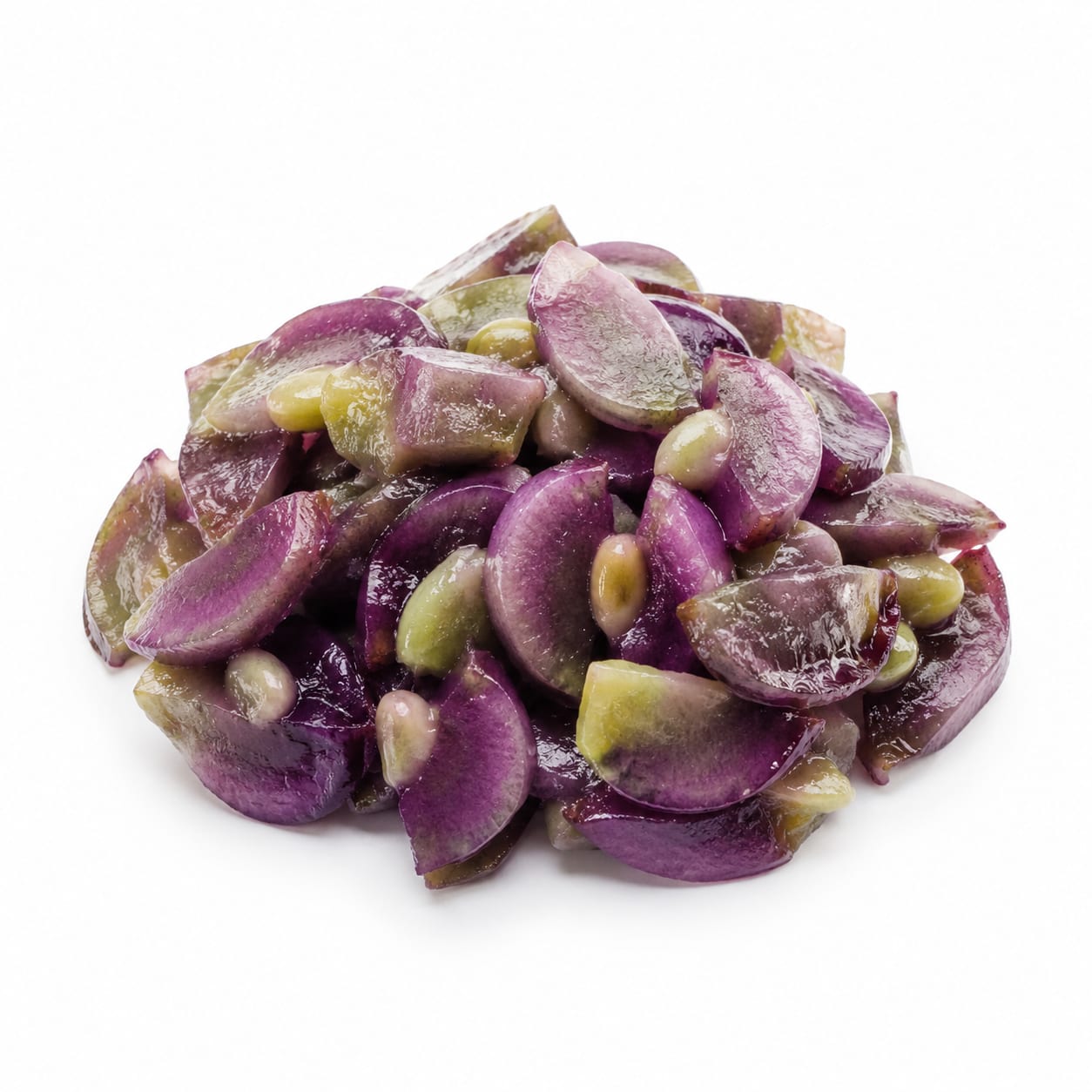
Hyacinth Bean
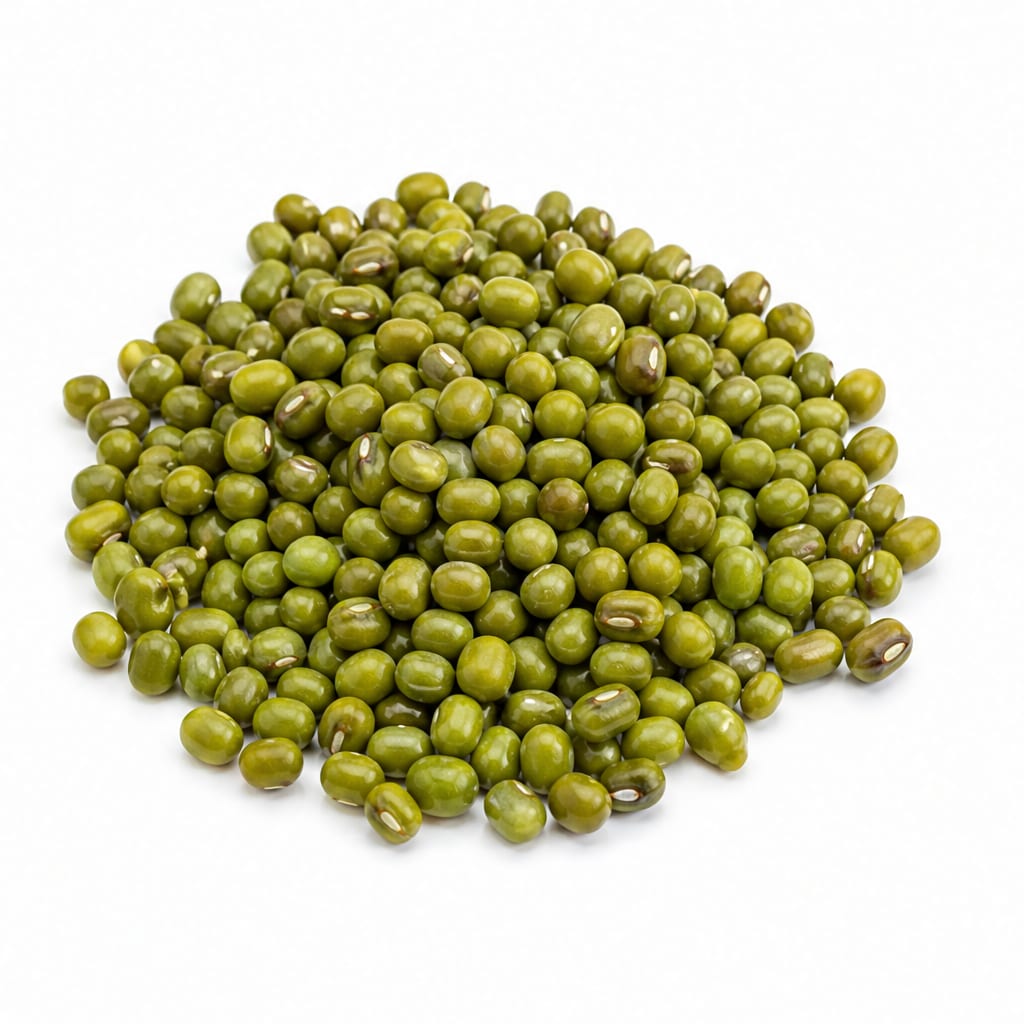
Mung Beans
Mung Beans win on safety, digestibility, and everyday practicality. Hyacinth Beans offer slightly more iron and zinc but carry a real toxicity risk if undercooked.
Mung Beans score significantly higher due to superior safety, digestibility, and ease of use. Hyacinth Beans lose substantial points on toxicity risk and preparation demands, though their mineral density partially compensates.
Hyacinth Beans provide denser mineral nutrition at the cost of mandatory careful preparation; Mung Beans sacrifice a small nutritional edge for reliable safety and easier digestion.
At a glance
Executive summary
Overall
Mung Beans
Healthier
Mung Beans
More practical
Mung Beans
Daily use
Mung Beans
Key comparison lenses
safety and toxicity
Hyacinth beans contain cyanogenic glycosides that require thorough cooking to neutralize, making safety the dominant concern in this comparison
digestive tolerance
Mung beans are famously easy to digest while hyacinth beans can cause digestive distress if improperly prepared
preparation ease
Hyacinth beans demand careful preparation to be safe; mung beans are forgiving and quick to cook
protein and nutrition density
Both are legumes with strong nutritional profiles but differ in mineral density and protein usability
everyday practicality
Users need to know which bean fits realistically into weekly meal routines without extra hassle or risk
Best choice for
Hyacinth Bean
- People seeking higher iron and zinc from plant sources
- Traditional cuisines where hyacinth bean preparation knowledge exists
- Experienced cooks comfortable with toxin-neutralizing techniques
Mung Beans
- Daily legume consumption without safety worries
- People with sensitive digestion or IBS
- Anyone new to cooking legumes at home
- Families with children who need foolproof ingredients
Least suitable for
Hyacinth Bean
- Inexperienced cooks unfamiliar with proper bean preparation
- Households with children where cooking mistakes are more likely
- People with compromised digestion who need gentle foods
- Anyone meal-prepping in bulk with limited attention to each batch
Mung Beans
- Those specifically seeking the highest possible iron density from a single legume
- Cuisines or recipes that specifically require hyacinth bean texture and flavor
Deep comparison
Dimension by dimension
Each lens scores both foods and breaks down who each option suits.
- Dimension 1 · Priority 95Mung Beans
safety_and_toxicity
Hyacinth Bean · 35Mung Beans · 92Hyacinth Beans contain cyanogenic glycosides that can release hydrogen cyanide if not thoroughly boiled. Mung Beans have no significant toxicity concerns.
Tradeoff
Hyacinth Beans reward careful cooking with rich nutrition but punish mistakes with real poisoning risk. Mung Beans offer peace of mind with no special handling needed.
Why it matters
A single undercooked batch of hyacinth beans can cause nausea, vomiting, and serious illness. This is not a theoretical risk—it is well-documented.
Real-world impact
If you are distracted while cooking or short on time, hyacinth beans become dangerous. Mung beans remain safe even with imperfect cooking.
Hyacinth Bean
- Experienced cooks who follow traditional multi-step preparation methods
Better for
- Children who might eat undercooked portions
- Elderly who may have reduced stomach acid to neutralize residual toxins
- Anyone using slow cookers without pre-boiling
Worse for
Mung Beans
- Families
- Busy weeknight cooking
- Anyone who occasionally multitasks while cooking
Better for
- Dimension 2 · Priority 85Mung Beans
digestive_tolerance
Hyacinth Bean · 45Mung Beans · 88Mung Beans are among the most easily digested legumes. Hyacinth Beans are harder on the stomach and more likely to cause bloating even when properly cooked.
Tradeoff
Choosing hyacinth beans means accepting more gas and potential discomfort for slightly more minerals. Mung beans are gentle enough for sensitive stomachs.
Why it matters
If legumes already cause you bloating, hyacinth beans will worsen that experience. Mung beans are the legume most dietitians recommend first for sensitive digestion.
Real-world impact
After a mung bean meal you feel light and comfortable. After hyacinth beans, you may feel heavy and bloated for hours.
Hyacinth Bean
- People with very robust digestion who tolerate all legumes well
Better for
- People prone to bloating
- Those new to high-fiber diets
Worse for
Mung Beans
- IBS sufferers
- Older adults with slower digestion
- Anyone transitioning to more plant-based eating
- Post-illness recovery meals
Better for
- Dimension 3 · Priority 70Hyacinth Bean
mineral_density
Hyacinth Bean · 82Mung Beans · 68Hyacinth Beans deliver more iron and zinc per serving than mung beans, making them a stronger mineral source for plant-based diets.
Tradeoff
You get more iron and zinc from hyacinth beans but must work harder to safely unlock those nutrients. Mung beans provide less but with near-zero effort.
Why it matters
Iron and zinc are the two minerals plant-based eaters struggle with most. Hyacinth beans are genuinely helpful here if you can prepare them correctly.
Real-world impact
Over months, consistent hyacinth bean consumption could meaningfully improve iron status—but only if you actually cook and eat them regularly, which the safety hassle makes less likely.
Hyacinth Bean
- Vegans and vegetarians needing iron support
- Women with higher iron requirements
Better for
- Anyone who avoids the beans due to safety concerns and thus gets zero mineral benefit
Worse for
Mung Beans
- Those who get minerals from varied sources and do not rely on one legume
Better for
- Plant-based eaters relying heavily on a single legume for iron
Worse for
- Dimension 4 · Priority 65Mung Beans
protein_quality
Hyacinth Bean · 62Mung Beans · 74Both provide solid plant protein, but mung beans have a slightly more favorable amino acid profile and better protein digestibility.
Tradeoff
Hyacinth beans have decent protein content but anti-nutritional factors reduce how much your body actually absorbs. Mung beans let you use more of the protein you eat.
Why it matters
Protein on paper matters less than protein your body can actually use. Mung beans win on usable protein.
Real-world impact
After a mung bean meal your muscles get more usable amino acids than the same gram count from hyacinth beans would provide.
Hyacinth Bean
- Anyone counting protein grams without accounting for digestibility losses
Worse for
Mung Beans
- Athletes tracking protein absorption
- Older adults preserving muscle mass
- Recovery meals after training
Better for
- Dimension 5 · Priority 80Mung Beans
preparation_ease
Hyacinth Bean · 30Mung Beans · 85Mung Beans cook quickly, sprout easily, and forgive mistakes. Hyacinth Beans require soaking, extended boiling, and water discarding to be safe.
Tradeoff
Hyacinth beans demand respect and time. Mung beans are ready when you are.
Why it matters
The harder a food is to prepare correctly, the less often you will actually eat it. Preparation friction kills dietary consistency.
Real-world impact
Mung beans can go from pantry to plate in 20-30 minutes. Hyacinth beans need planning, soaking, and careful boiling—realistically an hour or more of attentive cooking.
Hyacinth Bean
- Weekend cooking projects with full attention available
Better for
- Last-minute meals
- Anyone using a pressure cooker without understanding toxin neutralization requirements
Worse for
Mung Beans
- Weeknight dinners
- Meal prep sessions
- Sprouting at home
- Soups and stews where you just toss them in
Better for
- Dimension 6 · Priority 60Mung Beans
versatility
Hyacinth Bean · 45Mung Beans · 88Mung Beans work in soups, curries, salads, sprouts, desserts, and porridges. Hyacinth Beans are more limited by their stronger flavor and safety constraints.
Tradeoff
Mung beans quietly fit into almost any dish. Hyacinth beans assert themselves and restrict what you can make.
Why it matters
A versatile ingredient gets eaten more often and wasted less. That matters more than marginal nutritional differences.
Real-world impact
You can use mung beans five different ways in a week without getting bored. Hyacinth beans are more of an occasional specialty ingredient.
Hyacinth Bean
- Specific traditional recipes where nothing else substitutes
Better for
- Anyone wanting one legume that does everything
Worse for
Mung Beans
- Batch cooking with varied recipes
- Sweet and savory dishes alike
- Sprouting for salads and sandwiches
Better for
Timeline
Health impact over time
Short-term
Hours to days
Hyacinth Bean
- Risk of nausea, vomiting, or cyanide poisoning symptoms if undercooked
- Bloating and gas more likely than with mung beans
- Steady energy from complex carbs when properly prepared
Mung Beans
- Comfortable digestion with minimal gas
- Steady blood sugar without spikes
- Light but satisfying fullness after meals
Long-term
Months to years
Hyacinth Bean
- Improved iron and zinc status with regular correct consumption
- Potential for chronic low-level toxin exposure if preparation is consistently imperfect
- Strong fiber benefits for gut health when cooked properly
Mung Beans
- Consistent gut health improvement from well-tolerated fiber
- Stable blood sugar management over months and years
- Reliable plant protein source supporting muscle maintenance
Risk profile
Safety & processing
Both are whole, minimally processed legumes sold dried with no additives. The naturalness is identical—the difference is that hyacinth beans' natural toxins require active neutralization.
Hyacinth Bean
Cyanogenic glycoside toxicity
highRaw or undercooked hyacinth beans contain compounds that release hydrogen cyanide. Symptoms range from nausea and dizziness to serious poisoning. Thorough boiling with water discarded is essential.
Anti-nutritional factors reducing nutrient absorption
mediumPhytic acid and trypsin inhibitors reduce mineral and protein absorption. Proper soaking and cooking mitigate but do not fully eliminate these.
Mung Beans
Mild anti-nutritional factors
lowMung beans contain some phytic acid but at lower levels than most legumes. Soaking further reduces this. No toxicity risk exists.
Who wins for whom
Audience fit
Same foods, different winners depending on your goal.
children
Mung BeansZero toxicity risk and gentle digestion make mung beans the clear choice. Children are more vulnerable to cyanogenic compounds and less likely to report early symptoms.
daily consumption
Mung BeansDaily use demands safety, easy preparation, and digestive comfort. Mung beans excel at all three; hyacinth beans create friction at each step.
diabetes
Mung BeansMung beans have a well-documented low glycemic index and excellent blood sugar stabilization. Hyacinth beans also have a low GI but are less studied and harder to prepare consistently.
elderly
Mung BeansOlder adults have more sensitive digestion and reduced ability to neutralize residual toxins. Mung beans are safer and gentler.
muscle gain
Mung BeansHigher protein digestibility means more usable amino acids for muscle repair, even though total protein content is similar.
weight loss
Mung BeansMung beans are more filling per calorie, easier to digest, and more likely to be eaten consistently—all critical for sustainable weight loss.
Your move
Decision guide
Choose Hyacinth Bean
- You are an experienced cook with knowledge of traditional hyacinth bean preparation
- You have a specific iron or zinc deficiency and want a dense plant-based source
- You are cooking traditional South Asian or African dishes where hyacinth beans are essential
Choose Mung Beans
- You want a reliable daily legume without safety concerns
- You or your family members have sensitive digestion
- You value quick preparation and versatility in the kitchen
- You are new to cooking legumes at home
- You meal-prep in batches and need consistency
Either works if
- You enjoy legumes and want variety in your weekly rotation
- You have no digestive issues and can follow careful cooking instructions
- You want to alternate between different mineral profiles
Avoid both if
- You have a diagnosed legume allergy
- You are on a very low-fiber diet for medical reasons
Final recommendation
Make Mung Beans your everyday legume. They are safe, digestible, versatile, and easy to prepare. If you are curious about Hyacinth Beans, try them occasionally as a specialty dish—but only after learning proper preparation from a trusted source. The small mineral advantage of hyacinth beans is not worth the daily safety and convenience cost for most people.
Practical
Consumer tips
- 1
If cooking hyacinth beans, always soak for at least 8 hours, boil vigorously for at least 30 minutes, and discard all cooking water—never use a slow cooker alone
- 2
Mung beans sprout easily at home in just 2-3 days, adding fresh crunch to salads and sandwiches
- 3
For maximum iron absorption from either bean, pair with vitamin C-rich foods like tomatoes or citrus
- 4
If you experience unusual bitterness when tasting hyacinth beans, stop eating immediately—it signals inadequate toxin removal
- 5
Mung beans cook in 20-30 minutes without soaking, making them one of the fastest dried legumes to prepare