
Nutrition comparison
Hyacinth Bean vs Lima Beans: Safety, Nutrition, and Which to Choose
Hyacinth Beans and Lima Beans compared on nutrition, safety, and practicality. Learn which legume is better for your health goals and why preparation matters.
Overall winner · Lima Beans
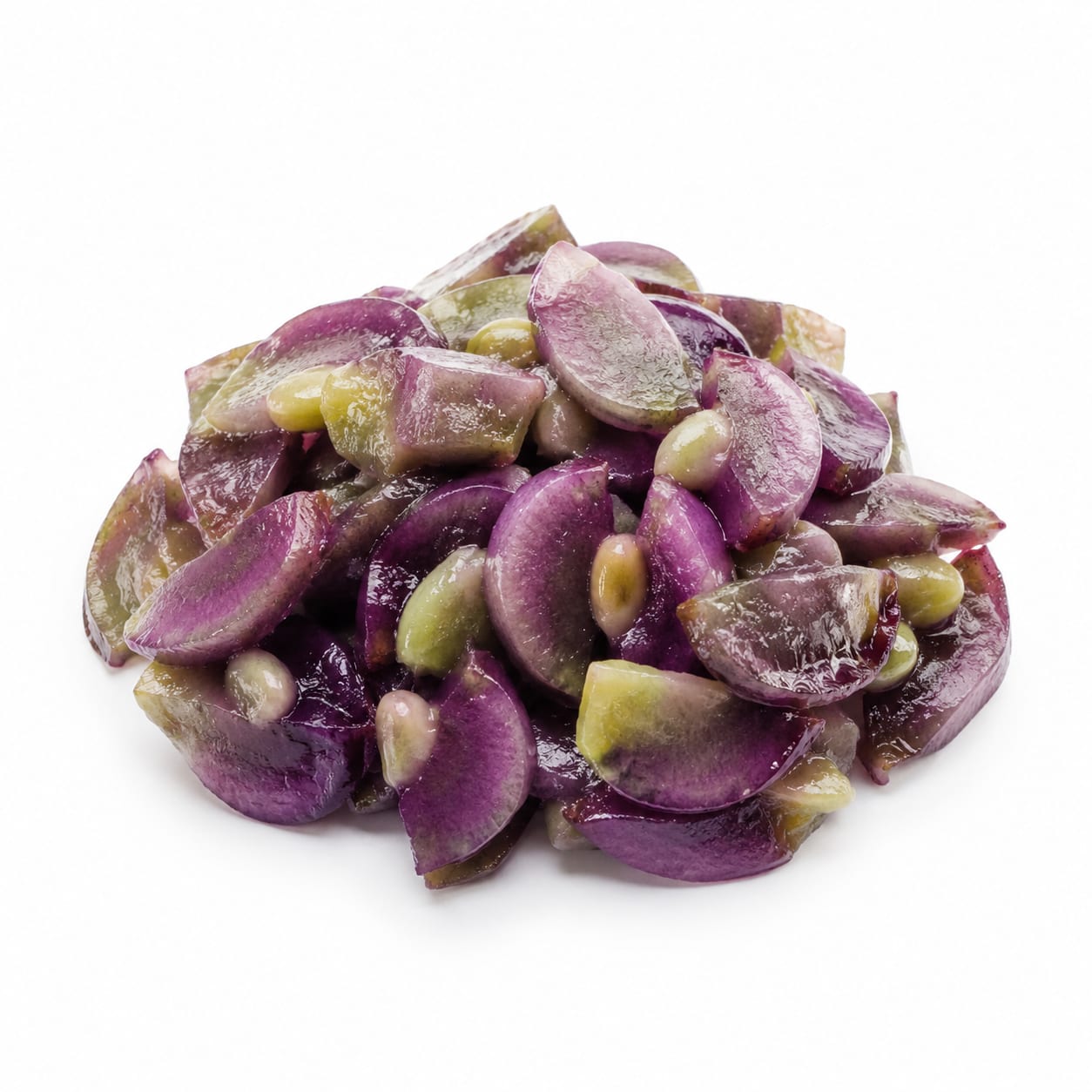
Hyacinth Bean
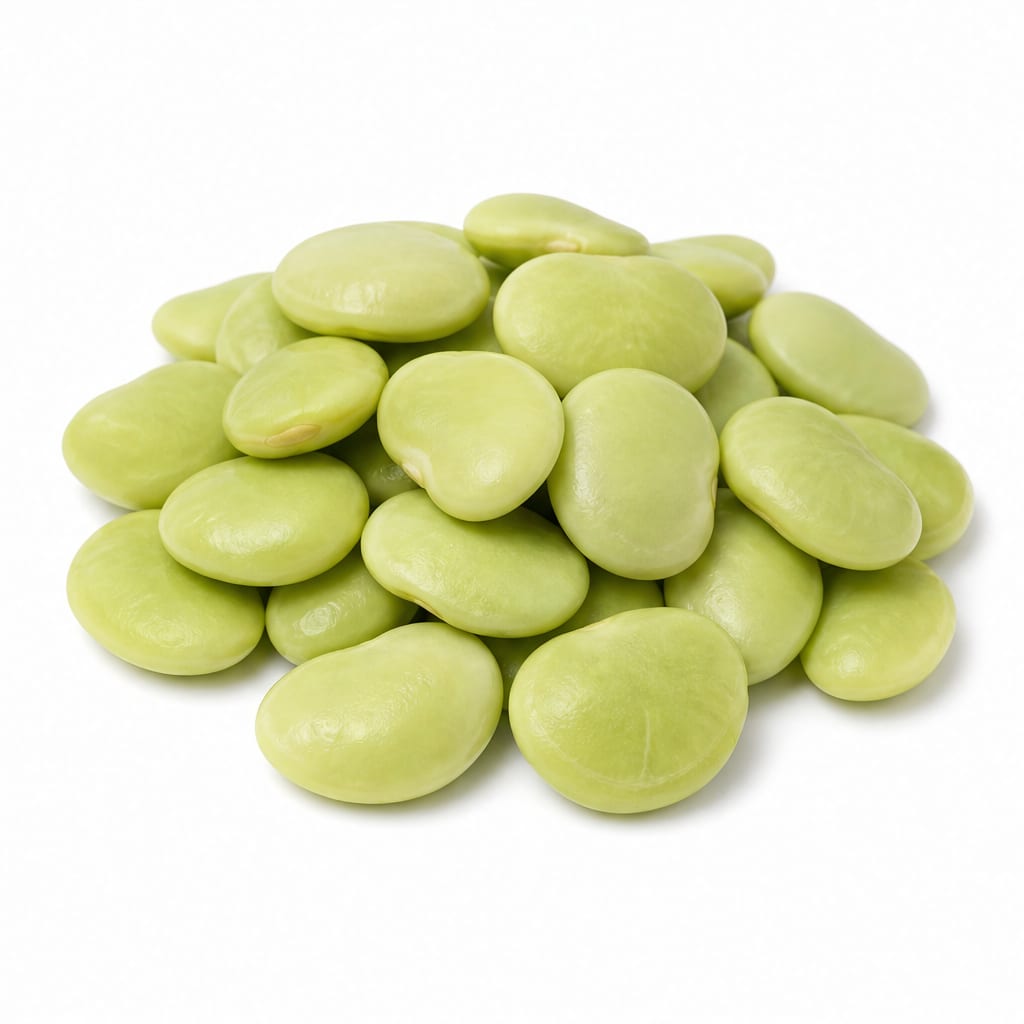
Lima Beans
Lima Beans win on safety, availability, and ease of use. Hyacinth Beans offer slightly more protein and iron but carry significantly higher toxicity risks if undercooked.
Lima Beans score notably higher due to superior safety margins, widespread availability, and easier preparation. Hyacinth Beans lose significant points on toxicity risk and accessibility despite slightly better micronutrient density.
Hyacinth Beans have a nutritional edge but demand careful preparation to avoid cyanide poisoning. Lima Beans deliver similar benefits with far less risk and effort.
At a glance
Executive summary
Overall
Lima Beans
Healthier
Lima Beans
More practical
Lima Beans
Daily use
Lima Beans
Key comparison lenses
safety and toxicity
Both beans contain cyanogenic glycosides, but Hyacinth Beans are significantly more toxic when improperly prepared, making safety the dominant concern
nutritional value comparison
Users comparing legumes want to know which delivers more protein, fiber, and micronutrients per serving
accessibility and practicality
Lima Beans are widely available in grocery stores while Hyacinth Beans are specialty items requiring effort to source
digestive tolerance
Both are legumes with potential gas and bloating concerns, but preparation difficulty affects digestibility
culinary versatility
Users want to know which bean fits more recipes and cooking styles
Best choice for
Hyacinth Bean
- Experienced cooks seeking nutrient-dense specialty legumes
- Traditional South Asian and African cuisine enthusiasts
- Home gardeners growing their own legume supply
Lima Beans
- Families wanting a safe, reliable legume option
- Meal preppers who value convenience and consistency
- Anyone new to cooking dried beans
Least suitable for
Hyacinth Bean
- Households with children who might sample raw beans
- Inexperienced cooks unfamiliar with toxin-removal techniques
- Anyone seeking quick weeknight meal solutions
Lima Beans
- People strictly avoiding nightshade-adjacent legumes due to sensitivities
- Those seeking the absolute highest iron content from a single legume serving
Deep comparison
Dimension by dimension
Each lens scores both foods and breaks down who each option suits.
- Dimension 1 · Priority 95Lima Beans
safety_and_toxicity
Hyacinth Bean · 35Lima Beans · 72Hyacinth Beans contain dangerous levels of cyanogenic glycosides that require prolonged boiling with water changes. Lima Beans have much lower toxin levels, especially common US varieties.
Tradeoff
Hyacinth Beans reward careful preparation with rich nutrition, but the consequences of cutting corners are severe. Lima Beans are far more forgiving.
Why it matters
Cyanide poisoning from undercooked beans causes headaches, nausea, vomiting, and in extreme cases can be life-threatening. This is not a theoretical risk.
Real-world impact
A busy parent who slightly undercooks Hyacinth Beans could make their family ill. Lima Beans are far more forgiving of imperfect cooking.
Hyacinth Bean
- Experienced cooks who follow traditional multi-step preparation methods
Better for
- Anyone who might skip soaking or change water during cooking
Worse for
Lima Beans
- Families with children
- Careless or rushed cooks
- Anyone who occasionally undercooks beans
Better for
- People who assume all beans are equally safe and skip cooking steps entirely
Worse for
- Dimension 2 · Priority 80Hyacinth Bean
protein_and_iron_density
Hyacinth Bean · 82Lima Beans · 74Hyacinth Beans edge out Lima Beans on protein and iron content per serving, making them slightly more nutrient-dense for their calories.
Tradeoff
You gain roughly 10-15% more protein and iron with Hyacinth Beans, but the safety preparation overhead may not justify this small margin for most people.
Why it matters
For plant-based eaters relying on legumes as a primary protein source, every gram matters. But the difference is modest, not dramatic.
Real-world impact
Over a week of meals, choosing Hyacinth Beans over Lima Beans might add a few extra grams of protein and iron — noticeable but not transformative.
Hyacinth Bean
- Vegans and vegetarians maximizing nutrient density per calorie
- People with mild iron deficiency seeking dietary support
Better for
- Anyone who would skip eating beans altogether due to preparation complexity
Worse for
Lima Beans
- Those who already meet protein needs through varied sources
Better for
- Plant-based eaters trying to squeeze maximum iron from every meal
Worse for
- Dimension 3 · Priority 70It depends
fiber_and_digestive_health
Hyacinth Bean · 76Lima Beans · 78Both beans are excellent fiber sources. Lima Beans have slightly more soluble fiber, which feeds gut bacteria. Hyacinth Beans have marginally more total fiber.
Tradeoff
The fiber difference is negligible. Both will keep you full and support healthy digestion. Lima Beans may cause slightly less bloating for some people due to their creamier texture when cooked.
Why it matters
Fiber is the main reason legumes are health-promoting. Both deliver impressively here.
Real-world impact
Either bean will help you feel full for hours and support regular digestion. The practical difference in your gut is minimal.
Hyacinth Bean
- Those wanting maximum insoluble fiber for bowel regularity
Better for
- Anyone prone to bloating from high-fiber legumes
Worse for
Lima Beans
- People with sensitive digestion who prefer creamier, easier-to-break-down textures
Better for
- No significant downside here — both are strong fiber sources
Worse for
- Dimension 4 · Priority 75Lima Beans
availability_and_convenience
Hyacinth Bean · 25Lima Beans · 88Lima Beans are available in virtually any grocery store, often canned for instant use. Hyacinth Beans are specialty items requiring ethnic markets or online ordering.
Tradeoff
You can have Lima Beans tonight. Hyacinth Beans might require a special shopping trip plus extended soaking and cooking with water changes.
Why it matters
The healthiest food is the one you actually eat. Availability dramatically affects real-world nutrition outcomes.
Real-world impact
Most people will simply never cook Hyacinth Beans regularly due to sourcing friction. Lima Beans can become a weekly staple with zero effort.
Hyacinth Bean
- Home gardeners in warm climates who can grow their own supply
Better for
- Rural dwellers without specialty market access
- Anyone unwilling to plan meals days around bean sourcing
Worse for
Lima Beans
- Busy professionals
- Suburban shoppers with standard grocery access
- Anyone who values having a reliable pantry staple
Better for
- No real downside — Lima Beans are among the most accessible legumes
Worse for
- Dimension 5 · Priority 65It depends
blood_sugar_stability
Hyacinth Bean · 77Lima Beans · 75Both beans have low glycemic loads due to high fiber and protein content. Neither will spike blood sugar significantly when properly prepared.
Tradeoff
Hyacinth Beans have a slight edge from higher protein content, but the difference is too small to influence real blood sugar outcomes.
Why it matters
For people managing diabetes or metabolic syndrome, legumes are among the best carbohydrate sources available.
Real-world impact
Either bean eaten as part of a balanced meal will support steady blood sugar for hours. Choose based on other factors.
Hyacinth Bean
- Diabetics who also want to maximize iron intake
Better for
- Anyone who might undercook and experience digestive distress that destabilizes eating patterns
Worse for
Lima Beans
- Diabetics who prioritize consistent, safe meal preparation
Better for
- No meaningful downside for blood sugar management
Worse for
Timeline
Health impact over time
Short-term
Hours to days
Hyacinth Bean
- Potential cyanide poisoning symptoms if undercooked: headache, nausea, dizziness
- High satiety from protein and fiber combination
- Possible gas and bloating typical of all legumes
Lima Beans
- Mild digestive adjustment if your body is unaccustomed to high fiber
- Steady energy without blood sugar crashes
- Comforting, filling meals that reduce snacking urges
Long-term
Months to years
Hyacinth Bean
- Iron and protein support if consumed regularly and safely prepared
- Risk of chronic low-level cyanide exposure if preparation is consistently sloppy
- Excellent cardiovascular support from fiber and mineral content
Lima Beans
- Consistent heart health benefits from soluble fiber and potassium
- Steady iron and folate intake supporting energy and blood health
- Reliable digestive regularity from sustained high fiber intake
Risk profile
Safety & processing
Both beans are whole, minimally processed foods when purchased dried. Canned Lima Beans may contain added sodium, so check labels. Neither carries concerns about artificial additives when bought in their natural dried form.
Hyacinth Bean
Cyanogenic glycoside poisoning
highRaw Hyacinth Beans contain significant levels of cyanide-producing compounds. Must be soaked, boiled thoroughly with water changes, and never eaten raw or undercooked. Dark-seeded varieties are especially dangerous.
Inconsistent toxin levels across varieties
mediumToxin concentration varies widely between cultivars. Without knowing your specific variety, you cannot accurately gauge risk level.
Lima Beans
Cyanogenic glycoside poisoning
lowCommon US Lima Bean varieties have been bred for low toxin levels. Large lima beans sold in American grocery stores are generally safe with standard cooking. Wild or heirloom varieties may carry higher risk.
Sodium in canned varieties
lowCanned Lima Beans can contain 300-500mg sodium per serving. Rinsing helps but does not eliminate all added salt.
Who wins for whom
Audience fit
Same foods, different winners depending on your goal.
children
Lima BeansChildren are more vulnerable to cyanogenic glycosides and more likely to eat undercooked portions. Lima Beans are dramatically safer for young, developing bodies.
daily consumption
Lima BeansDaily use demands safety, convenience, and reliable access. Lima Beans excel on all three. Hyacinth Beans require too much caution for relaxed daily eating.
diabetes
Lima BeansBoth support stable blood sugar, but Lima Beans offer the same benefits without the anxiety of potential toxin exposure. Stress and inconsistent eating patterns from complicated prep harm blood sugar management.
elderly
Lima BeansOlder adults often have reduced stomach acid and slower digestion, making them more susceptible to foodborne toxins. Lima Beans are gentler and safer.
muscle gain
Hyacinth BeanHyacinth Beans have slightly more protein per serving, though the difference is modest. For muscle gain, the food you can eat in larger quantities matters more — and Lima Beans are easier to eat regularly.
weight loss
Lima BeansBoth are similarly satiating per calorie, but Lima Beans are easier to incorporate consistently. Consistency drives weight loss results more than marginal nutrient differences.
Your move
Decision guide
Choose Hyacinth Bean
- You are an experienced cook confident in traditional toxin-removal techniques
- You have access to a reliable specialty market or grow your own supply
- You want to explore traditional South Asian or African recipes where Hyacinth Beans are the authentic ingredient
- You are specifically seeking the highest iron content available from a legume
Choose Lima Beans
- You want a safe, family-friendly legume you can cook without anxiety
- You value convenience and want beans available at any grocery store
- You are meal prepping and need something reliable and forgiving
- You are new to cooking dried beans and want a beginner-friendly option
Either works if
- You simply want more plant-based protein and fiber in your diet
- You are comfortable with legumes and enjoy variety in your meals
- Blood sugar management is your primary concern — both perform similarly
Avoid both if
- You have a diagnosed legume allergy or sensitivity
- You experience severe digestive distress from all beans despite proper preparation
- You are on a very low-fiber diet for medical reasons such as post-surgical recovery
Final recommendation
Choose Lima Beans for everyday eating. They deliver nearly identical nutritional benefits with far less risk and effort. Save Hyacinth Beans for special occasions when you have the time and knowledge to prepare them properly. The small nutritional advantage of Hyacinth Beans is not worth the safety tradeoff for most people.
Practical
Consumer tips
- 1
If cooking Hyacinth Beans, soak for at least 12 hours, discard the soak water, then boil vigorously for at least 30 minutes with at least one water change during cooking
- 2
Buy dried Lima Beans in bulk — they store for over a year in airtight containers and are far cheaper than canned
- 3
Rinse canned Lima Beans under running water to remove roughly 30-40% of added sodium
- 4
Never cook Hyacinth Beans in a slow cooker — the low temperature fails to destroy cyanogenic glycosides and can actually concentrate them
- 5
If growing Hyacinth Beans, choose white-seeded varieties which typically have lower toxin levels than dark-seeded types
- 6
Add a strip of kombu seaweed when cooking either bean to help reduce gas-producing compounds