
Nutrition comparison
Hyacinth Bean vs Lentils: Safety, Nutrition, and Which Legume to Choose
Compare hyacinth beans and lentils on safety, protein, fiber, and cooking convenience. Learn why lentils are the safer daily choice and when hyacinth beans might be worth the extra preparation effort.
Overall winner · Lentils
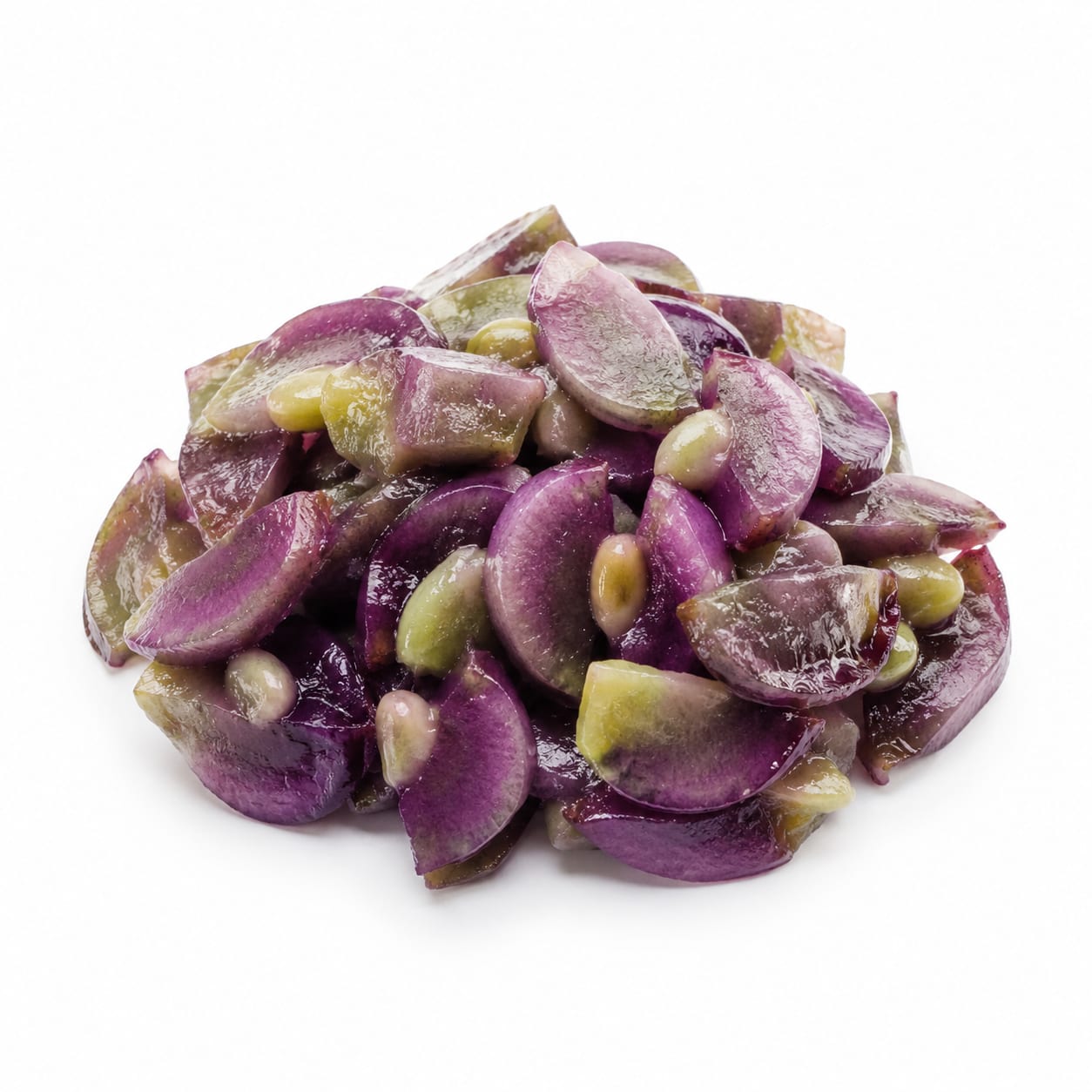
Hyacinth Bean
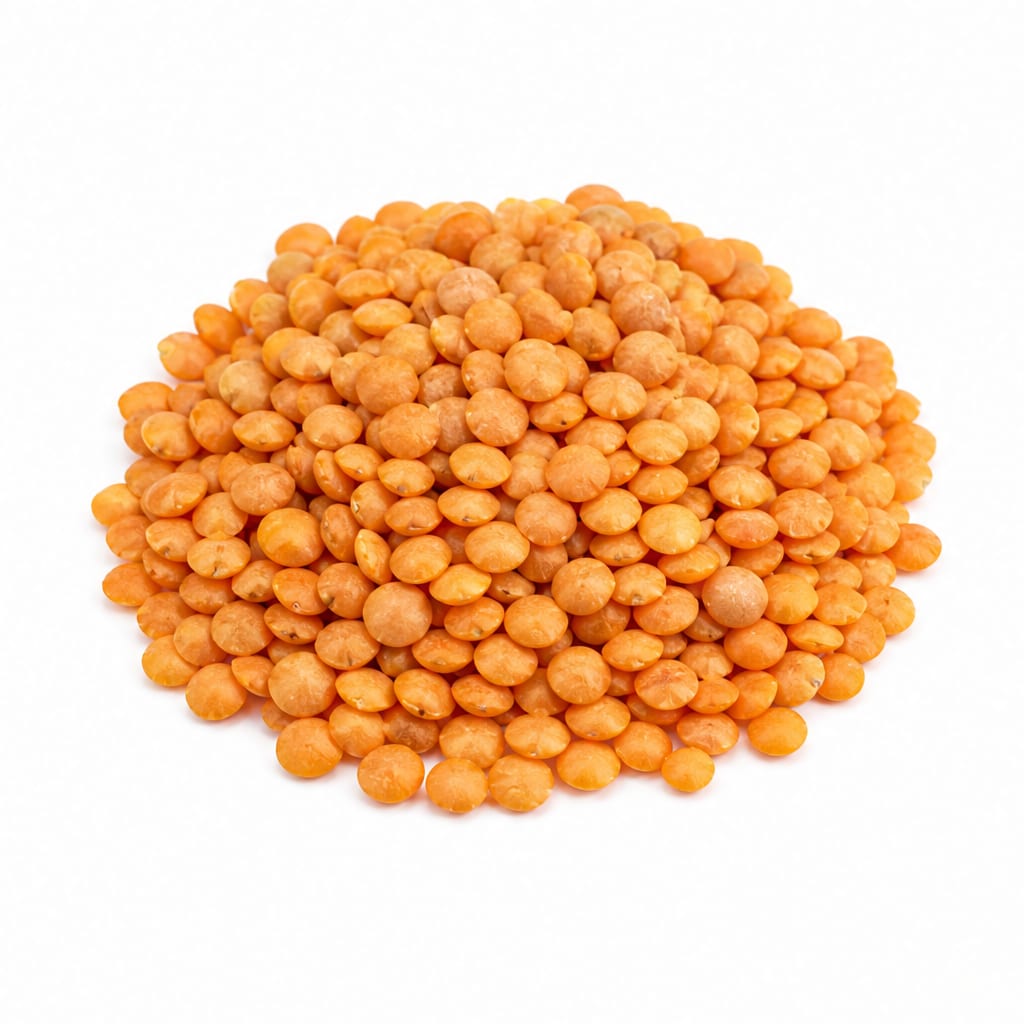
Lentils
Lentils win decisively due to superior safety, convenience, and research-backed health benefits, while hyacinth beans require careful preparation to avoid toxicity.
Lentils score dramatically higher because hyacinth beans carry a significant safety penalty that offsets their nutritional merits. Even when properly prepared, hyacinth beans offer no clear nutritional advantage over lentils while demanding far more caution.
Hyacinth beans offer interesting cultural cuisine and unique phytonutrients, but lentils deliver similar nutrition without the safety risks and preparation burden.
At a glance
Executive summary
Overall
Lentils
Healthier
Lentils
More practical
Lentils
Daily use
Lentils
Key comparison lenses
safety and toxicity
Hyacinth beans contain cyanogenic glycosides that require thorough cooking to neutralize, making safety the dominant concern in this comparison
everyday practicality
Lentils cook quickly and are widely available, while hyacinth beans demand special preparation that limits daily usability
plant protein quality
Both are legumes valued for protein, so users want to know which delivers better protein nutrition
digestive tolerance
Legumes affect digestion differently, and hyacinth beans carry additional gut risk if undercooked
long term health sustainability
Users choosing between staple legumes need to know which supports consistent long-term health
Best choice for
Hyacinth Bean
- Exploring traditional Asian or African cuisine
- Adding variety to a legume rotation already heavy in lentils
- Access to properly prepared hyacinth bean products from trusted sources
Lentils
- Reliable daily plant protein
- Quick weeknight meals
- Heart health and blood sugar management
- Anyone wanting safe, foolproof legume preparation
Least suitable for
Hyacinth Bean
- Children and elderly due to toxicity risk if undercooked
- Busy households needing fast meal prep
- Anyone unfamiliar with proper detoxifying preparation methods
- Meal prepping in bulk without careful temperature control
Lentils
- Those with specific lentil allergies
- People strictly avoiding lectins despite proper cooking
Deep comparison
Dimension by dimension
Each lens scores both foods and breaks down who each option suits.
- Dimension 1 · Priority 95Lentils
safety_and_toxicity
Hyacinth Bean · 25Lentils · 95Hyacinth beans contain cyanogenic glycosides that release hydrogen cyanide if not thoroughly cooked, while lentils are safe with standard cooking.
Tradeoff
Hyacinth beans require boiling in multiple changes of water to detoxify, adding complexity and risk that most home cooks find unnecessary when lentils exist.
Why it matters
A single undercooked batch of hyacinth beans can cause cyanide poisoning symptoms including nausea, vomiting, and in severe cases respiratory failure.
Real-world impact
Most people skip hyacinth beans entirely because the preparation stakes are too high for everyday cooking, whereas lentils are a low-stress pantry staple.
Hyacinth Bean
- Experienced cooks who follow traditional preparation methods passed down through generations
Better for
- Novice cooks
- Anyone distracted while cooking
- People using slow cookers without pre-boiling
Worse for
Lentils
- Families with children
- Elderly individuals
- Anyone who wants peace of mind at dinner
- Meal preppers who cook in large batches
Better for
- Those with rare lentil-specific allergies
Worse for
- Dimension 2 · Priority 82Lentils
protein_content_and_quality
Hyacinth Bean · 68Lentils · 85Lentils provide roughly 18g of protein per cooked cup with well-documented amino acid profiles, while hyacinth beans offer slightly less protein with less research validation.
Tradeoff
Both are solid plant protein sources, but lentils have been extensively studied for protein quality and digestibility, giving them a reliability edge.
Why it matters
For vegetarians and vegans, consistent protein quality matters more than small quantity differences between legumes.
Real-world impact
A lentil-based meal gives you predictable, reliable protein intake. Hyacinth beans can match this nutritionally but with less certainty about absorption.
Hyacinth Bean
- Diets seeking diverse amino acid sources from less common legumes
Better for
- Precision nutrition tracking due to variable nutrient databases
Worse for
Lentils
- Athletes tracking protein intake precisely
- Vegans relying on legumes as a primary protein source
- Anyone building muscle on a plant-based diet
Better for
- No significant downside for protein needs
Worse for
- Dimension 3 · Priority 88Lentils
convenience_and_cooking_practicality
Hyacinth Bean · 20Lentils · 90Red lentils cook in 15 minutes, green and brown in 20-25 minutes. Hyacinth beans require soaking, multiple water changes, and extended boiling to ensure safety.
Tradeoff
The time and attention hyacinth beans demand makes them impractical for weeknight cooking, while lentils are one of the fastest-cooking legumes available.
Why it matters
Convenience determines whether a food actually gets eaten regularly or sits forgotten in the pantry.
Real-world impact
Lentils can go from pantry to plate in under 30 minutes with zero pre-planning. Hyacinth beans require advance soaking and careful cooking that most people skip.
Hyacinth Bean
- Weekend cooking projects with traditional recipes
- Cultural dishes where the unique flavor is irreplaceable
Better for
- Quick meals
- Spontaneous cooking
- Anyone with limited kitchen time
Worse for
Lentils
- Busy weeknight dinners
- Meal prepping on Sundays
- Last-minute protein additions to soups and salads
- Anyone without hours to monitor cooking
Better for
- Dishes specifically requiring hyacinth bean texture and flavor
Worse for
- Dimension 4 · Priority 75Lentils
fiber_and_digestive_health
Hyacinth Bean · 70Lentils · 85Lentils deliver about 15g of fiber per cooked cup with a well-studied prebiotic effect. Hyacinth beans also provide good fiber but carry digestive risk if undercooked.
Tradeoff
Both support gut health when properly prepared, but hyacinth beans have a narrow margin between beneficial fiber and digestive distress from residual toxins.
Why it matters
Fiber only helps if the food delivering it does not also deliver gut irritation or worse.
Real-world impact
Lentils reliably improve digestion and feed beneficial gut bacteria. Hyacinth beans can do the same but with a risk profile that makes consistent consumption stressful.
Hyacinth Bean
- Traditional diets where gut microbiomes have adapted over generations
Better for
- Sensitive stomachs still adjusting to legumes
- Anyone who has experienced food poisoning anxiety
Worse for
Lentils
- Anyone building fiber intake gradually
- People with sensitive digestion starting with legumes
- Consistent daily gut health support
Better for
- No significant digestive downside when properly cooked
Worse for
- Dimension 5 · Priority 70It depends
nutrient_density_and_micronutrients
Hyacinth Bean · 72Lentils · 80Lentils are rich in folate, iron, manganese, and thiamine with extensive nutrient databases. Hyacinth beans contain iron, potassium, and unique phytonutrients but have less reliable nutritional data.
Tradeoff
Lentils offer proven, well-documented micronutrient density. Hyacinth beans may have interesting compounds but lack the research depth to confirm advantages.
Why it matters
Nutrient density matters most when you can trust the data behind it.
Real-world impact
With lentils, you know exactly what you are getting nutritionally. Hyacinth beans carry more uncertainty, which matters for anyone managing specific deficiencies.
Hyacinth Bean
- Diets valuing phytonutrient diversity from less common plants
- Traditional food systems where hyacinth beans are culturally embedded
Better for
- Precision micronutrient targeting due to incomplete data
Worse for
Lentils
- Pregnant women needing reliable folate
- Anyone managing iron deficiency
- Evidence-based nutrition planning
Better for
- Diets already heavy in common legumes seeking novel nutrients
Worse for
- Dimension 6 · Priority 72Lentils
blood_sugar_stability
Hyacinth Bean · 65Lentils · 88Lentils have a glycemic index around 32 and extensive research confirming their blood sugar benefits. Hyacinth beans likely have similar effects but lack equivalent clinical evidence.
Tradeoff
Both being legumes, both should stabilize blood sugar, but only lentils have the clinical trials to prove it.
Why it matters
For diabetics and prediabetics, choosing foods with proven glycemic benefits is not academic but protective.
Real-world impact
A lentil lunch keeps blood sugar steady for hours with high confidence. Hyacinth beans probably do the same, but probably is not enough for medical decisions.
Hyacinth Bean
- Non-diabetic users seeking general blood sugar support
Better for
- Medical nutrition therapy where evidence certainty matters
Worse for
Lentils
- Type 2 diabetics making evidence-based food choices
- Prediabetics working with healthcare providers
- Anyone monitoring glucose responses systematically
Better for
- No real downside for blood sugar management
Worse for
Timeline
Health impact over time
Short-term
Hours to days
Hyacinth Bean
- Potential cyanide poisoning symptoms if undercooked: nausea, headache, vomiting
- Moderate satiety from protein and fiber when properly prepared
- Possible digestive discomfort during initial consumption if gut is unaccustomed
Lentils
- Reliable satiety within 30-60 minutes of eating
- Steady energy without blood sugar spikes
- Initial gas or bloating for those new to high-fiber legumes, typically resolving within days
Long-term
Months to years
Hyacinth Bean
- Potential chronic low-level cyanide exposure risk if preparation is inconsistent
- Possible benefits from unique antioxidant compounds in hyacinth beans
- Nutritional benefits similar to other legumes when consistently well-prepared
Lentils
- Reduced cardiovascular disease risk supported by multiple large-scale studies
- Improved gut microbiome diversity from consistent prebiotic fiber intake
- Better long-term blood sugar regulation and type 2 diabetes risk reduction
- Sustained healthy weight management due to high satiety per calorie
Risk profile
Safety & processing
Both foods are whole, minimally processed legumes. The concern with hyacinth beans is not processing but inherent natural toxicity that requires careful cooking to neutralize.
Hyacinth Bean
Cyanogenic glycoside toxicity
highRaw or undercooked hyacinth beans contain cyanogenic glycosides that release hydrogen cyanide. Symptoms range from nausea and dizziness to potentially fatal respiratory failure at high doses. Thorough boiling in multiple water changes is essential.
Inconsistent preparation risk
mediumEven experienced cooks can undercook hyacinth beans, especially when using slow cookers or insufficient boiling times. There is no visual indicator confirming complete detoxification.
Variable toxin levels between varieties
mediumDifferent hyacinth bean cultivars contain different levels of cyanogenic glycosides, making it hard to standardize safe cooking times without knowing the specific variety.
Lentils
Lectin content in undercooked lentils
lowRaw lentils contain lectins that can cause digestive distress, but standard cooking completely neutralizes them. The risk is minimal compared to hyacinth bean cyanide risk.
Phytic acid reducing mineral absorption
lowLentils contain phytic acid that can reduce iron and zinc absorption. Soaking mitigates this, and the effect is minor for most people eating a varied diet.
Who wins for whom
Audience fit
Same foods, different winners depending on your goal.
children
LentilsChildren are more vulnerable to cyanide toxicity from hyacinth beans and less likely to eat thoroughly cooked legumes, making lentils the clearly safer option.
daily consumption
LentilsDaily consumption demands a food that is safe, easy to prepare, and nutritionally reliable. Lentils meet all three criteria; hyacinth beans meet none consistently.
diabetes
LentilsLentils have extensive clinical evidence for blood sugar regulation and a proven low glycemic index, making them a trusted choice for diabetic meal planning.
elderly
LentilsElderly individuals have reduced toxin clearance capacity and may have difficulty ensuring thorough hyacinth bean preparation, making lentils far safer.
muscle gain
LentilsLentils offer reliable, well-documented protein content that athletes can track precisely, with easier preparation supporting consistent meal timing.
weight loss
LentilsLentils provide high satiety per calorie with proven weight management benefits and zero safety concerns that might disrupt consistent eating patterns.
Your move
Decision guide
Choose Hyacinth Bean
- You are cooking traditional recipes from cultures with generations of hyacinth bean preparation expertise
- You want to explore unique flavors and phytonutrients not found in common legumes
- You have reliable access to properly prepared hyacinth bean products from trusted suppliers
- You are an experienced cook confident in detoxifying preparation methods
Choose Lentils
- You want a safe, reliable daily legume with no toxicity concerns
- You value quick cooking and meal prep convenience
- You are managing blood sugar, heart health, or weight with evidence-based choices
- You are cooking for children, elderly family members, or anyone vulnerable to foodborne risks
- You want extensive nutritional data and clinical evidence behind your food choices
Either works if
- You simply want more plant protein and fiber in your diet
- You enjoy rotating different legumes for nutrient diversity
- You are comfortable cooking legumes from scratch either way
Avoid both if
- You have a diagnosed legume allergy
- You are in the early stages of a low-FODMAP elimination diet
- You experience severe digestive distress from all legumes despite proper preparation
Final recommendation
Choose lentils for everyday eating. They match or exceed hyacinth beans nutritionally while being dramatically safer and more convenient. Save hyacinth beans for special traditional dishes when you have the time, knowledge, and attention to prepare them correctly. The small culinary adventure of hyacinth beans is not worth the daily risk and hassle when lentils deliver everything you need with none of the worry.
Practical
Consumer tips
- 1
If you do cook hyacinth beans, boil them for at least 30 minutes in plenty of water, drain, then repeat with fresh water before finishing the dish
- 2
Never cook hyacinth beans in a slow cooker without pre-boiling them thoroughly first, as low temperatures do not destroy cyanogenic glycosides
- 3
Start with red lentils if you are new to legumes — they cook in just 15 minutes and have the mildest flavor
- 4
Rinse lentils before cooking and check for small stones, but no special safety preparation is needed beyond standard cooking
- 5
If you want hyacinth bean flavor without the risk, look for commercially prepared products from reputable brands that have already been properly detoxified
- 6
Soak lentils for 8 hours if you want to reduce phytic acid and improve mineral absorption, though this is optional for most people