
Nutrition comparison
Hyacinth Bean vs Kidney Beans: Safety, Nutrition & Taste Comparison
Compare Hyacinth Beans and Kidney Beans on nutrition, safety risks, and cooking requirements. Learn which bean is safer, more nutritious, and better for your diet.
Overall winner · Kidney Beans
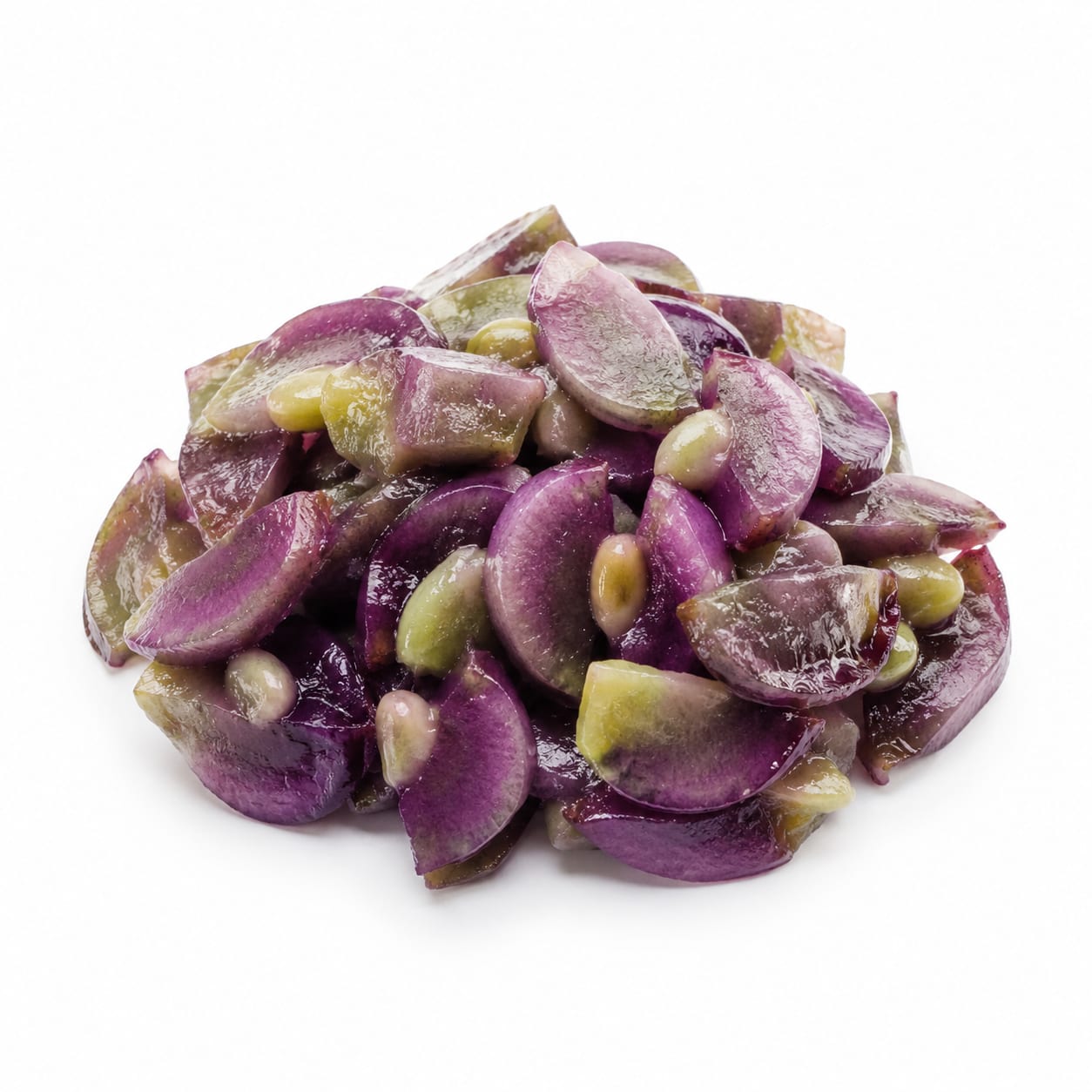
Hyacinth Bean
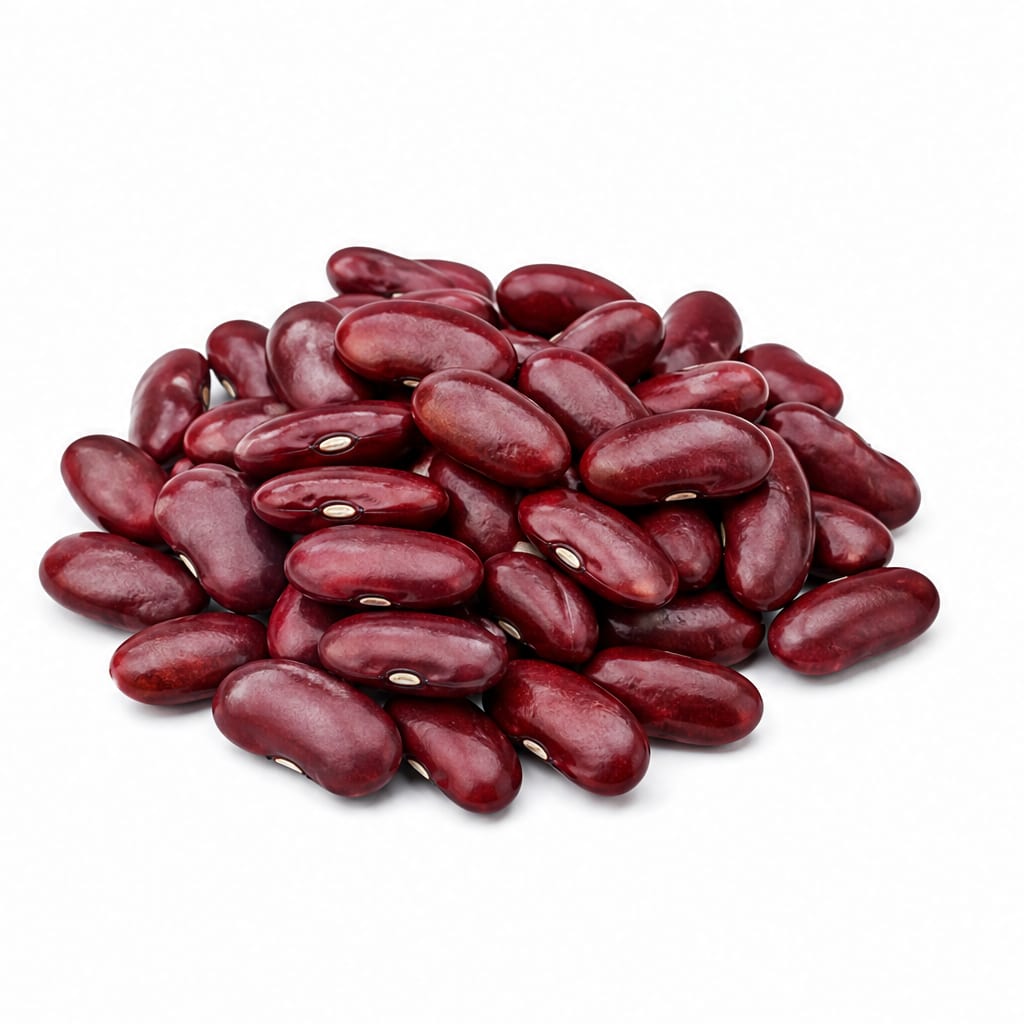
Kidney Beans
Kidney Beans are the more practical and nutrient-dense everyday choice, though Hyacinth Beans offer a lighter alternative for adventurous cooks willing to navigate their strict preparation requirements.
Kidney Beans score significantly higher due to widespread availability, familiar preparation methods, and a superior folate and iron profile. Hyacinth Beans lose points primarily on accessibility and the higher barrier to safe preparation.
Kidney Beans provide higher folate and easier access, while Hyacinth Beans offer a slightly lower calorie load but demand much more effort to source and safely prepare.
At a glance
Executive summary
Overall
Kidney Beans
Healthier
Kidney Beans
More practical
Kidney Beans
Daily use
Kidney Beans
Key comparison lenses
Toxicity and safe preparation requirements
Both foods are highly toxic if eaten raw or improperly cooked, making safety the primary concern for any consumer.
Everyday accessibility and convenience
Kidney Beans are a pantry staple found in any grocery store, while Hyacinth Beans are specialty items requiring dedicated sourcing.
Protein and fiber density for satiety
Both are relied upon as hearty plant-based staples, so their ability to keep you full is a key decision factor.
Micronutrient profile for anemia and energy
Consumers often choose legumes for iron and folate, making the mineral density comparison highly relevant.
Best choice for
Hyacinth Bean
- Experienced cooks seeking culinary variety
- Those wanting a lower-calorie legume option
- Home gardeners looking to grow their own protein source
Kidney Beans
- Busy families needing reliable pantry staples
- Meal preppers making large batches of chili or stew
- Anyone needing a high-folate, iron-rich dietary staple
Least suitable for
Hyacinth Bean
- Inexperienced cooks unaware of raw bean toxicity
- People who rely on slow cookers for meal prep
- Shoppers with limited access to specialty or international markets
Kidney Beans
- People strictly monitoring purine intake
- Those prone to severe flatulence from high-fiber foods
- Anyone unwilling to boil beans thoroughly before consuming
Deep comparison
Dimension by dimension
Each lens scores both foods and breaks down who each option suits.
- Dimension 1 · Priority 98It depends
Safety and Toxicity Risk
Hyacinth Bean · 40Kidney Beans · 45Both are dangerous if raw, but the toxins differ. Kidney Beans contain PHA, while Hyacinth Beans contain cyanogenic glycosides.
Tradeoff
Kidney Beans must be boiled to destroy lectins, while Hyacinth Beans require extensive boiling to remove cyanide compounds. Neither can be safely cooked in a slow cooker.
Why it matters
Eating just a few raw or undercooked beans of either type can cause severe vomiting, nausea, and abdominal pain.
Real-world impact
If you rely on a slow cooker for convenience, both beans are a hard no unless you boil them fully on the stove first.
Hyacinth Bean
- Those who thoroughly boil and drain water multiple times
Better for
- Anyone simmering without prior boiling
- People unfamiliar with cyanogenic glycoside risks
Worse for
Kidney Beans
- Those who follow standard 10-minute boiling rules before slow cooking
Better for
- People using slow cookers without pre-boiling
- Those who soak but skip the hard boil step
Worse for
- Dimension 2 · Priority 85Kidney Beans
Nutrient Density and Satiety
Hyacinth Bean · 72Kidney Beans · 88Kidney Beans pack more protein, fiber, and essential minerals per serving, making them more filling and nutritionally robust.
Tradeoff
Hyacinth Beans are slightly lighter in calories and carbs, but Kidney Beans deliver a stronger punch of iron and folate.
Why it matters
Higher protein and fiber keep you satisfied longer, reducing the urge to snack between meals.
Real-world impact
A bowl of Kidney Bean chili will keep you full for hours, while a Hyacinth Bean dish might leave you looking for a snack sooner.
Hyacinth Bean
- Those wanting a lighter, less calorie-dense side dish
Better for
- Those needing heavy caloric intake on a budget
- People relying on beans as a primary iron source
Worse for
Kidney Beans
- Athletes needing higher protein recovery meals
- Anyone managing hunger for weight loss
- Pregnant women needing high folate intake
Better for
- People strictly limiting carbohydrate intake
Worse for
- Dimension 3 · Priority 90Kidney Beans
Accessibility and Convenience
Hyacinth Bean · 30Kidney Beans · 95Kidney Beans are available in every supermarket, often pre-cooked in cans. Hyacinth Beans are rare and usually require specialty shopping.
Tradeoff
Choosing Hyacinth Beans means committing to finding them, soaking them, and carefully cooking them from scratch.
Why it matters
Convenience often dictates what we actually eat day-to-day. Hard-to-find ingredients rarely become dietary staples.
Real-world impact
You can make a quick Kidney Bean meal in 5 minutes with a can opener. Hyacinth Beans require a dedicated grocery trip and hours of prep.
Hyacinth Bean
- Home gardeners in warm climates who grow their own
- Cooks exploring specific regional Asian or African recipes
Better for
- Last-minute meal preppers
- People in areas without international markets
Worse for
Kidney Beans
- Busy professionals needing quick weeknight dinners
- Anyone shopping at standard grocery stores
- People who value canned convenience
Better for
- Those trying to avoid BPA-lined canned goods without time to cook dried beans
Worse for
- Dimension 4 · Priority 70It depends
Digestive Tolerance
Hyacinth Bean · 55Kidney Beans · 50Both are high in fiber and can cause gas, but individual tolerance varies. Kidney Beans are notoriously gassy for many people.
Tradeoff
Kidney Beans have slightly more fiber, which is great for the gut but tough on sensitive stomachs. Hyacinth Beans may be marginally easier on digestion if cooked thoroughly.
Why it matters
Digestive discomfort can ruin the benefit of a healthy food, making tolerance a key factor in daily sustainability.
Real-world impact
Eating a large portion of Kidney Beans at lunch might lead to afternoon bloating, whereas Hyacinth Beans might be slightly gentler in smaller portions.
Hyacinth Bean
- Those who find Kidney Beans specifically cause bloating
Better for
- Those unaccustomed to high-fiber diets
Worse for
Kidney Beans
- People who tolerate high-fiber legumes well
Better for
- People with irritable bowel syndrome triggered by specific legumes
Worse for
Timeline
Health impact over time
Short-term
Hours to days
Hyacinth Bean
- Severe nausea and vomiting if undercooked due to cyanogenic glycosides
- Moderate increase in digestive regularity from fiber
- Steady, light energy without a heavy sluggish feeling
Kidney Beans
- Extreme gastrointestinal distress if undercooked due to phytohaemagglutinin
- Strong feeling of fullness and satiety after meals
- Potential for gas and bloating as gut bacteria adjust to high fiber
Long-term
Months to years
Hyacinth Bean
- Improved iron status if consumed regularly and properly prepared
- Better blood sugar management from complex carbohydrates
- Risk of chronic toxicity if preparation habits are consistently careless
Kidney Beans
- Significant reduction in heart disease risk from high soluble fiber
- Support for healthy pregnancy outcomes due to high folate content
- Improved long-term gut microbiome diversity
Risk profile
Safety & processing
Both dried beans are whole, unprocessed foods. However, canned Kidney Beans often contain added salt, which is a minor processing concern easily mitigated by rinsing or buying no-salt-added varieties.
Hyacinth Bean
Cyanogenic glycoside poisoning
highRaw Hyacinth Beans contain compounds that release cyanide. They must be soaked and boiled vigorously in plenty of water to ensure safety.
Kidney Beans
Phytohaemagglutinin (PHA) toxicity
highRaw or undercooked Kidney Beans contain a toxic lectin that causes extreme vomiting and diarrhea. Slow cooking raw beans actually increases toxicity; they must be boiled for at least 10 minutes first.
Who wins for whom
Audience fit
Same foods, different winners depending on your goal.
children
Kidney BeansCanned Kidney Beans are easy to mash and serve safely, whereas the strict preparation requirements for Hyacinth Beans pose an unnecessary risk for kids.
daily consumption
Kidney BeansAccessibility, familiar preparation, and a robust nutritional profile make Kidney Beans a far more sustainable daily staple.
diabetes
Kidney BeansKidney Beans have a very low glycemic index and high fiber content, which slows glucose absorption and stabilizes blood sugar more effectively.
elderly
Kidney BeansThe high folate and iron content in Kidney Beans supports cardiovascular health and prevents anemia, and the soft texture when cooked is easy to chew.
muscle gain
Kidney BeansKidney Beans provide a higher concentration of protein per serving, which is essential for muscle repair and growth.
weight loss
Kidney BeansKidney Beans offer higher fiber and protein per calorie, which provides a stronger feeling of fullness and makes it easier to control overall calorie intake.
Your move
Decision guide
Choose Hyacinth Bean
- You are an experienced cook looking to explore new flavors and cuisines
- You grow your own Hyacinth Beans and understand the proper preparation methods
- You want a slightly lighter bean for delicate soups or stews
Choose Kidney Beans
- You want a reliable, nutrient-dense staple for weekly meal prep
- You are making chili, salads, or tacos and need a hearty texture
- You prefer the convenience of canned beans for quick dinners
Either works if
- You are strictly seeking plant-based protein and fiber sources
- You are willing to soak and boil dried beans thoroughly before eating
- You want to improve your daily fiber intake for gut health
Avoid both if
- You refuse to boil beans thoroughly and insist on using only a slow cooker for raw beans
- You have a severe legume allergy
Final recommendation
Make Kidney Beans your everyday legume for their nutritional density and convenience. Save Hyacinth Beans for occasional culinary adventures, ensuring you rigorously boil them first to neutralize toxins.
Practical
Consumer tips
- 1
Never use a slow cooker for raw Kidney Beans or Hyacinth Beans; always boil them vigorously on the stove first.
- 2
Rinse canned Kidney Beans under cold water to remove up to 40% of the added sodium.
- 3
If cooking dried Hyacinth Beans, change the water during boiling to help leach out the bitter and toxic compounds.
- 4
Soak dried beans overnight and discard the soaking water to reduce cooking time and improve digestibility.
- 5
Add a piece of kombu seaweed to the cooking water for either bean to help break down gas-causing compounds.