
Nutrition comparison
Hyacinth Bean vs Green Peas: Safety, Nutrition, and Which to Choose
Compare hyacinth beans and green peas on protein, fiber, safety, and everyday practicality. Learn why green peas win for most people and when hyacinth beans are worth the extra effort.
Overall winner · Green Peas
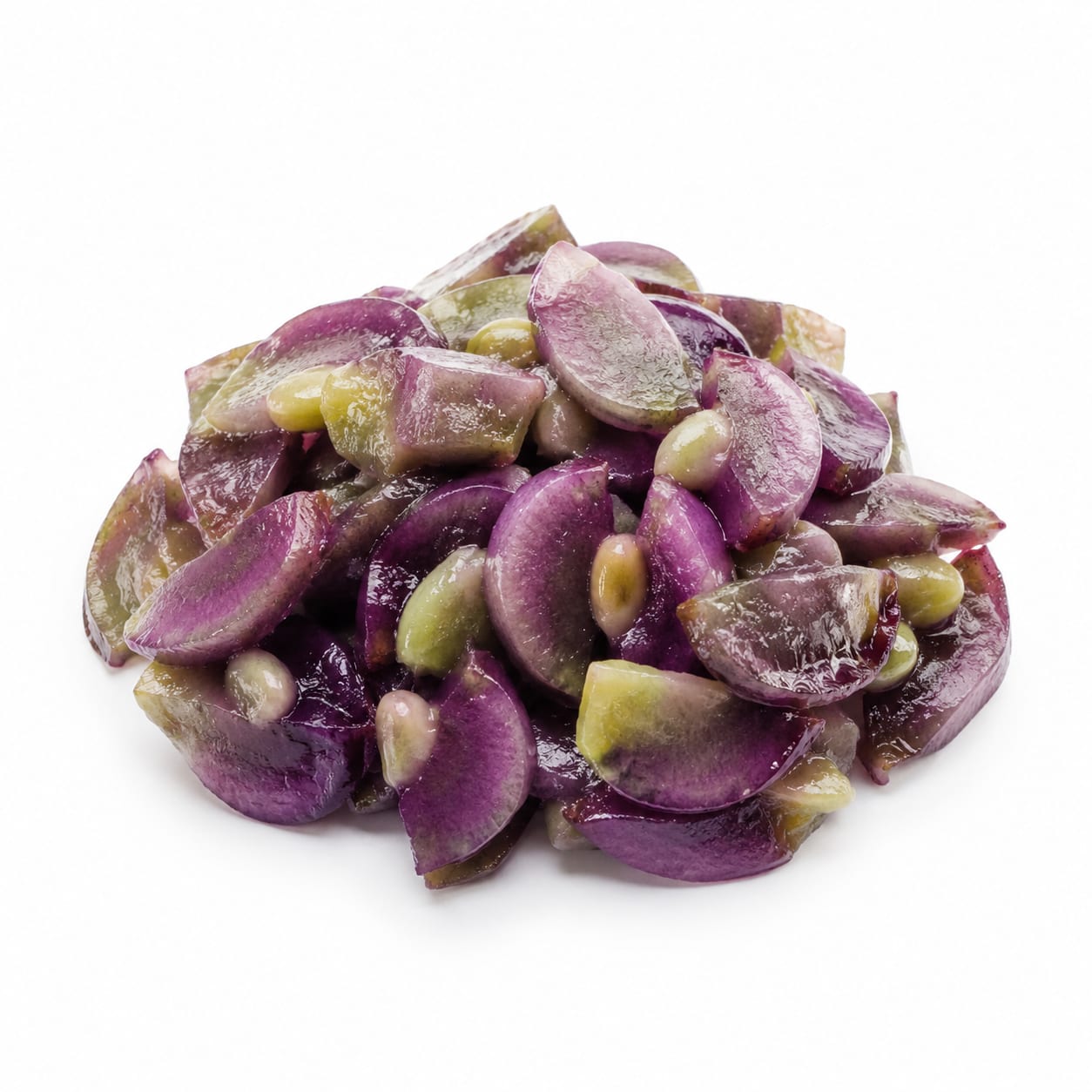
Hyacinth Bean
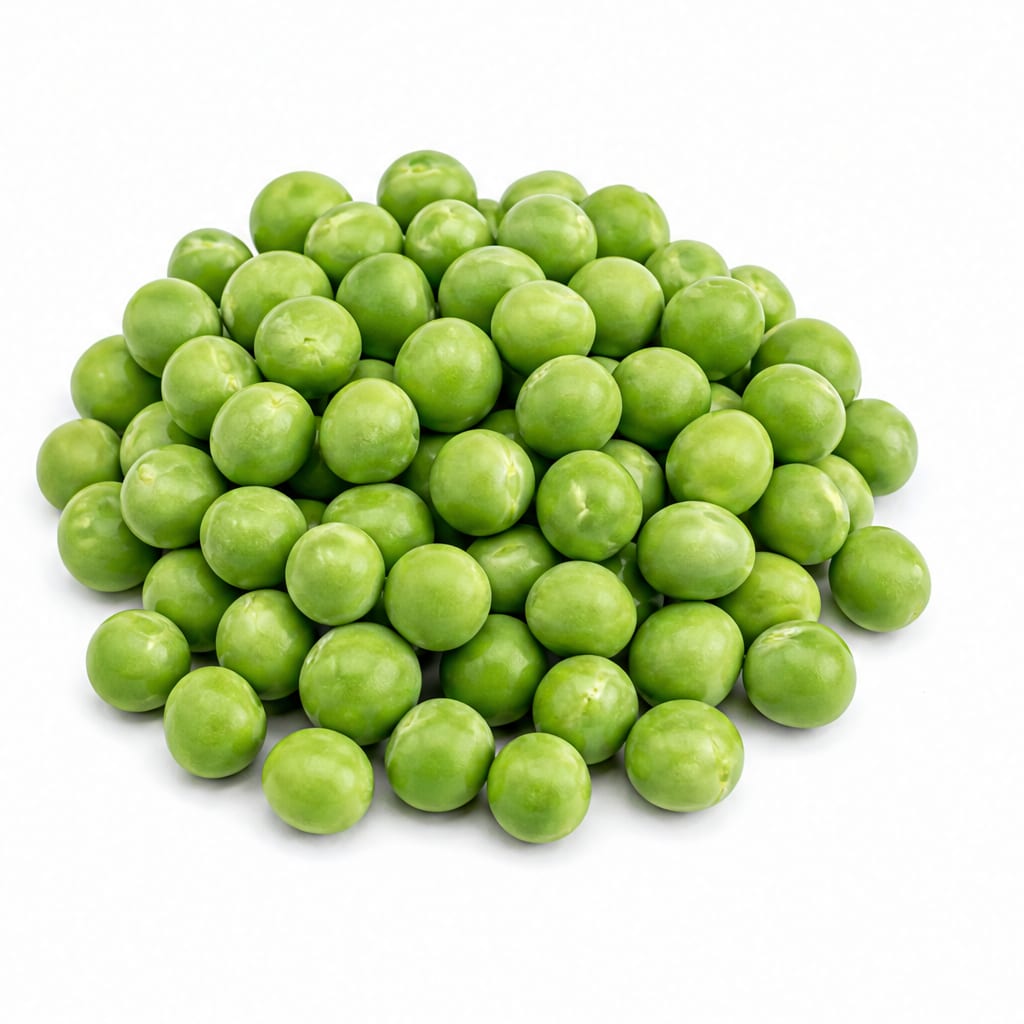
Green Peas
Green peas win on safety, convenience, and everyday reliability, while hyacinth beans offer superior iron and mineral density for those willing to prepare them correctly.
Green peas score significantly higher due to safety, accessibility, and ease of use. Hyacinth beans have strong nutritional merits but the preparation risk and limited availability meaningfully reduce their everyday viability.
Hyacinth beans deliver more minerals per bite but carry a real toxicity risk if undercooked, whereas green peas are safe, familiar, and effortless by comparison.
At a glance
Executive summary
Overall
Green Peas
Healthier
Green Peas
More practical
Green Peas
Daily use
Green Peas
Key comparison lenses
safety and toxicity
Hyacinth beans contain cyanogenic glycosides and must be thoroughly cooked to avoid poisoning — this is the single most critical factor in this comparison
everyday practicality
Green peas are universally available and easy to prepare, while hyacinth beans require special sourcing and careful preparation
protein and fiber quality
Both are legumes with strong plant protein and fiber profiles, but users want to know which delivers more nutritional value per serving
micronutrient density
Hyacinth beans offer impressive iron and mineral content, while green peas excel in vitamins C and K — different strengths for different needs
digestive tolerance
Both can cause bloating, but improperly prepared hyacinth beans pose genuine gastrointestinal danger beyond typical legume discomfort
Best choice for
Hyacinth Bean
- People with iron deficiency seeking plant-based mineral boosts
- Adventurous home cooks comfortable with careful legume preparation
- Those following traditional South Asian or African cuisines where hyacinth beans are staple ingredients
- Anyone wanting higher calorie density from a legume source
Green Peas
- Families wanting a safe, kid-friendly legume
- Busy people who need quick, no-fuss meal additions
- Anyone prioritizing vitamin C and K intake
- Meal preppers who want reliable, consistent results
Least suitable for
Hyacinth Bean
- Children — the toxicity risk from undercooking is too dangerous
- Inexperienced cooks unfamiliar with proper legume preparation
- Anyone meal-prepping in bulk where thorough cooking might be inconsistent
- People with anxiety about food safety
Green Peas
- Those specifically seeking high iron intake from plant sources
- People looking for calorie-dense legumes for weight gain
- Anyone bored with common legumes wanting culinary novelty
Deep comparison
Dimension by dimension
Each lens scores both foods and breaks down who each option suits.
- Dimension 1 · Priority 95Green Peas
safety_and_toxicity
Hyacinth Bean · 35Green Peas · 95Raw hyacinth beans contain cyanogenic glycosides that can cause serious poisoning, while green peas are safe even raw.
Tradeoff
Hyacinth beans reward careful cooking with rich nutrition, but one shortcut can lead to nausea, vomiting, or worse.
Why it matters
This is not a minor concern — improperly prepared hyacinth beans have sent people to the hospital. Green peas carry no such risk.
Real-world impact
If you rush dinner and undercook hyacinth beans, you could get genuinely sick. Green peas forgive almost any cooking mistake.
Hyacinth Bean
- Experienced cooks who always follow soaking and boiling protocols
Better for
- Distracted or impatient cooks
- Anyone using a slow cooker without pre-boiling
Worse for
Green Peas
- Anyone who occasionally cuts corners in the kitchen
- Households with children who might snack on raw legumes
- People new to cooking legumes
Better for
- Dimension 2 · Priority 75Hyacinth Bean
protein_and_fiber
Hyacinth Bean · 82Green Peas · 74Hyacinth beans edge out green peas on both protein and fiber per serving, making them slightly more filling.
Tradeoff
The satiety advantage is real but modest — you gain maybe 2-3g of protein per cup compared to green peas.
Why it matters
If you rely on legumes as a primary protein source, every gram counts, especially on plant-based diets.
Real-world impact
A bowl of hyacinth beans keeps you full a bit longer after lunch, but the difference is noticeable only if you eat legumes daily.
Hyacinth Bean
- Vegans and vegetarians maximizing protein from each meal
- Athletes needing sustained energy from high-fiber sources
Better for
Green Peas
- People who prefer lighter meals without feeling overly full
Better for
- Those counting on legumes as their main protein source who want maximum output per serving
Worse for
- Dimension 3 · Priority 70Hyacinth Bean
micronutrient_density
Hyacinth Bean · 80Green Peas · 72Hyacinth beans are notably richer in iron, magnesium, and zinc, while green peas shine in vitamin C, vitamin K, and folate.
Tradeoff
Hyacinth beans win on minerals, green peas win on vitamins — your choice depends on what your diet lacks most.
Why it matters
Iron deficiency is the world's most common nutrient gap, and hyacinth beans are genuinely helpful there. But vitamin C from green peas helps you absorb iron from other foods.
Real-world impact
If you feel sluggish from low iron, hyacinth beans are the stronger ally. If you want immune support and bone health, green peas deliver more.
Hyacinth Bean
- Women with low iron levels
- Anyone on a mostly plant-based diet needing mineral support
Better for
- Those who get plenty of minerals from other sources already
Worse for
Green Peas
- People wanting immune and bone support from vitamin C and K
- Pregnant women needing folate
Better for
- Anyone specifically trying to correct iron deficiency through food
Worse for
- Dimension 4 · Priority 85Green Peas
convenience_and_accessibility
Hyacinth Bean · 30Green Peas · 90Green peas are available in every grocery store, frozen or fresh, and cook in minutes. Hyacinth beans require specialty shops and long preparation.
Tradeoff
You can have green peas on your plate tonight with zero planning. Hyacinth beans need soaking, sourcing, and careful cooking — a weekend project, not a Tuesday dinner.
Why it matters
The best nutritious food is the one you actually eat regularly. Accessibility often beats nutritional superiority.
Real-world impact
Green peas are a grab-and-go staple. Hyacinth beans are a specialty ingredient you plan around.
Hyacinth Bean
- People near Asian or African specialty markets
- Home cooks who enjoy slow, intentional meal preparation
Better for
- Rural shoppers with limited store access
- Anyone cooking on a tight weeknight schedule
Worse for
Green Peas
- Anyone shopping at standard grocery stores
- Busy parents needing quick side dishes
- People who want healthy food without extra effort
Better for
- Dimension 5 · Priority 65Hyacinth Bean
blood_sugar_stability
Hyacinth Bean · 78Green Peas · 72Both are low-glycemic legumes, but hyacinth beans have slightly more fiber and complex carbohydrates that slow glucose absorption.
Tradeoff
The difference is small — both are excellent choices compared to refined carbs. Hyacinth beans just offer a slight edge.
Why it matters
For people managing diabetes or prediabetes, every small glycemic advantage compounds over months and years.
Real-world impact
After eating hyacinth beans, your blood sugar might rise slightly less and return to baseline slightly faster — but both options beat rice or bread by a wide margin.
Hyacinth Bean
- People with diabetes seeking the lowest glycemic legume options
- Those prone to afternoon energy crashes after carb-heavy meals
Better for
Green Peas
- Anyone who finds green peas more enjoyable and therefore easier to eat consistently
Better for
- Dimension 6 · Priority 60Green Peas
digestive_tolerance
Hyacinth Bean · 50Green Peas · 68Both cause typical legume bloating, but hyacinth beans carry additional risk of gastrointestinal distress from residual toxins if not perfectly cooked.
Tradeoff
Green peas give you predictable gas. Hyacinth beans might give you gas plus the lingering worry of whether you cooked them enough.
Why it matters
Digestive comfort affects whether you actually want to eat a food again. Uncertainty ruins the experience.
Real-world impact
After green peas, you might reach for antacids. After undercooked hyacinth beans, you might reach for a phone to call a doctor.
Hyacinth Bean
- People with iron stomachs who tolerate all legumes well
Better for
- Those with IBS or sensitive stomachs
- Anyone anxious about foodborne illness
Worse for
Green Peas
- Anyone with a sensitive digestive system
- People who have experienced food poisoning and are cautious
Better for
Timeline
Health impact over time
Short-term
Hours to days
Hyacinth Bean
- Provides sustained energy from complex carbohydrates and high fiber
- Can cause nausea, vomiting, or dizziness if undercooked due to cyanogenic compounds
- More filling per serving than most common legumes
Green Peas
- Quick and gentle energy without blood sugar spikes
- May cause mild bloating or gas, especially if you are not used to high-fiber foods
- Vitamin C content supports immediate immune function
Long-term
Months to years
Hyacinth Bean
- Excellent iron and mineral intake supports energy and prevents anemia over time
- Consistent consumption requires disciplined cooking habits to avoid cumulative low-level toxin exposure
- High fiber supports gut health and cholesterol management when prepared correctly
Green Peas
- Regular intake supports heart health through fiber and antioxidants
- Consistent vitamin K consumption contributes to bone density over decades
- Low risk profile makes daily consumption sustainable long-term
Risk profile
Safety & processing
Both are whole, natural legumes with minimal processing concerns. Dried hyacinth beans and dried or frozen green peas are equally clean choices. The real difference is that canned green peas may contain added sodium, while hyacinth beans are rarely found canned.
Hyacinth Bean
Cyanogenic glycoside poisoning
highRaw or undercooked hyacinth beans contain toxins that release cyanide. Symptoms range from nausea and dizziness to severe poisoning. Thorough boiling after adequate soaking neutralizes the risk.
Inconsistent preparation guidance
mediumCooking instructions vary across sources, and there is no universally agreed minimum cooking time, which increases the chance of error.
Potential confusion with ornamental varieties
mediumSome ornamental hyacinth bean varieties may have higher toxin levels than culinary strains, and misidentification is possible if sourcing informally.
Green Peas
Pesticide residue on conventionally grown peas
lowGreen peas typically rank moderate on pesticide residue lists. Choosing organic or frozen reduces exposure. Washing helps but does not eliminate all residues.
Added sodium in canned varieties
lowCanned green peas often contain significant sodium. Rinsing helps, but frozen or fresh peas avoid this entirely.
Who wins for whom
Audience fit
Same foods, different winners depending on your goal.
children
Green PeasGreen peas are safe, familiar, and easy for kids to eat. Hyacinth beans carry a toxicity risk that makes them inappropriate for children without absolute cooking certainty.
daily consumption
Green PeasGreen peas can be eaten daily without special preparation or worry. Hyacinth beans require consistent careful cooking, making daily use impractical and risky for most people.
diabetes
Hyacinth BeanThe higher fiber content and slightly lower glycemic impact of hyacinth beans provide a marginal but meaningful advantage for blood sugar management.
elderly
Green PeasOlder adults benefit from the vitamin K in green peas for bone health, and the safety margin is critical for those with weaker digestive systems.
muscle gain
Hyacinth BeanHyacinth beans offer slightly more protein and significantly more iron per serving, supporting muscle recovery and oxygen transport during training.
weight loss
Green PeasGreen peas are lower in calories per cup and easier to portion consistently, making them a more reliable choice for calorie-controlled diets.
Your move
Decision guide
Choose Hyacinth Bean
- You are an experienced cook confident in proper legume preparation techniques
- You have access to culinary-grade hyacinth beans from a trusted source
- You are specifically trying to boost iron and mineral intake through food
- You enjoy exploring traditional cuisines where hyacinth beans are a heritage ingredient
Choose Green Peas
- You want a safe, reliable legume you can eat every day without worry
- You are feeding children or elderly family members
- You value convenience and can find green peas at any grocery store
- You want strong vitamin C and K intake alongside your plant protein
Either works if
- You simply want more plant protein and fiber in your diet
- You are looking for alternatives to meat-based meals
- You enjoy legumes and want variety in your weekly rotation
Avoid both if
- You have a diagnosed legume allergy
- You are on a very low-fiber diet for medical reasons such as post-surgical recovery
- You experience severe digestive distress from all beans and lentils
Final recommendation
Green peas are the smarter everyday choice for nearly everyone — safe, accessible, and nutritionally solid. Hyacinth beans are worth exploring if you are a confident cook seeking mineral density and culinary adventure, but their toxicity risk demands respect and preparation discipline. If you try hyacinth beans, always soak for at least 8 hours and boil vigorously for at least 30 minutes before any other cooking method.
Practical
Consumer tips
- 1
Never cook hyacinth beans in a slow cooker without pre-boiling them for at least 30 minutes — slow cookers do not reach high enough temperatures to destroy cyanogenic glycosides
- 2
Frozen green peas are often more nutritious than fresh peas sitting on a shelf, since freezing locks in nutrients at peak ripeness
- 3
If sourcing hyacinth beans, buy from reputable food suppliers rather than garden or ornamental seed sources, which may have higher toxin levels
- 4
Rinsing canned green peas removes about 40% of added sodium, but frozen peas remain the cleaner option
- 5
Soaking hyacinth beans overnight and discarding the soak water reduces toxin levels significantly before cooking
- 6
If you feel dizzy, nauseous, or headachy after eating hyacinth beans, seek medical attention promptly — these are early signs of cyanogenic poisoning