
Nutrition comparison
Hyacinth Bean vs Edamame: Safety, Protein, and Nutrition Compared
Hyacinth beans vs edamame — which is healthier? Edamame wins on safety, complete protein, and convenience. Hyacinth beans offer more iron but require careful detoxification cooking. Full comparison inside.
Overall winner · Edamame
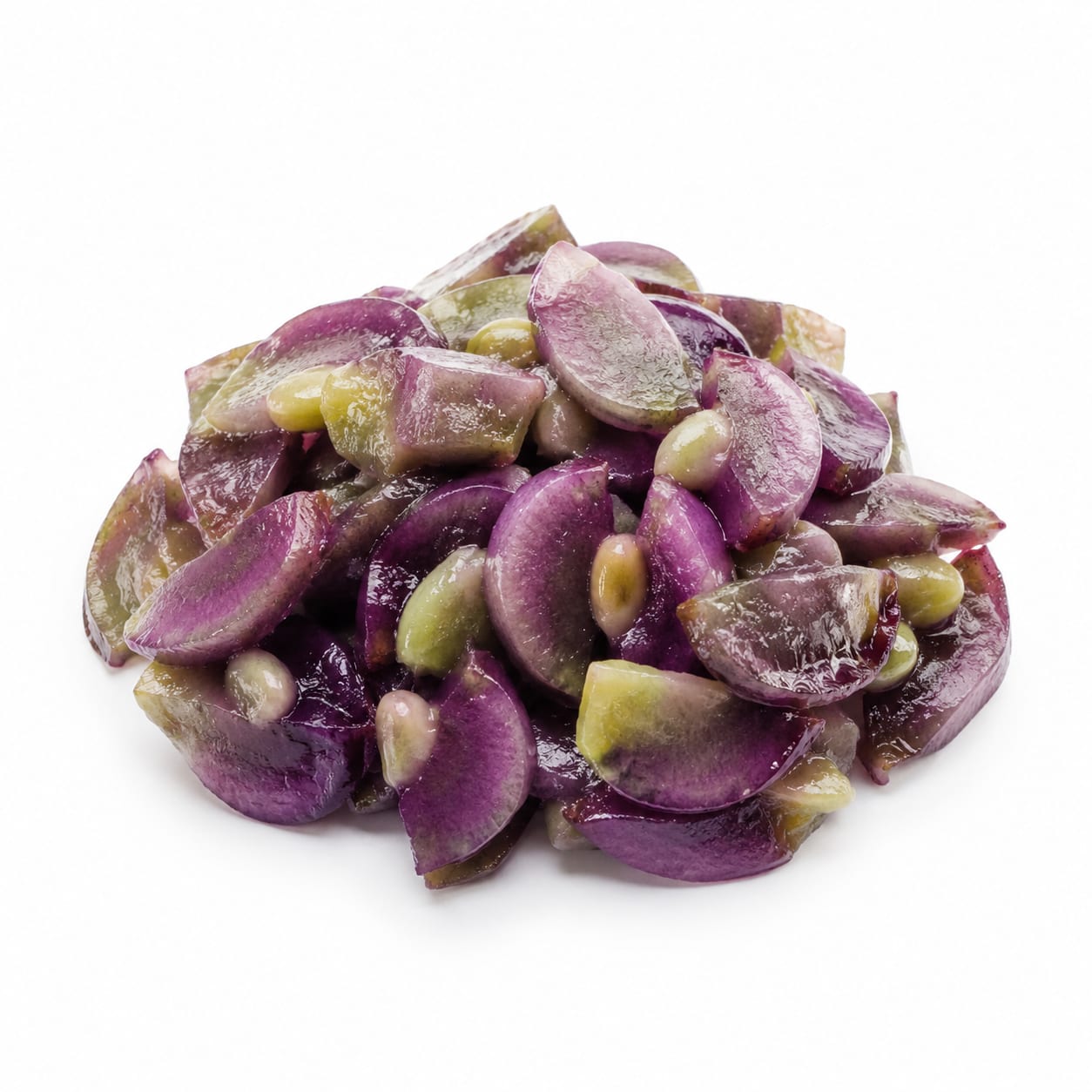
Hyacinth Bean
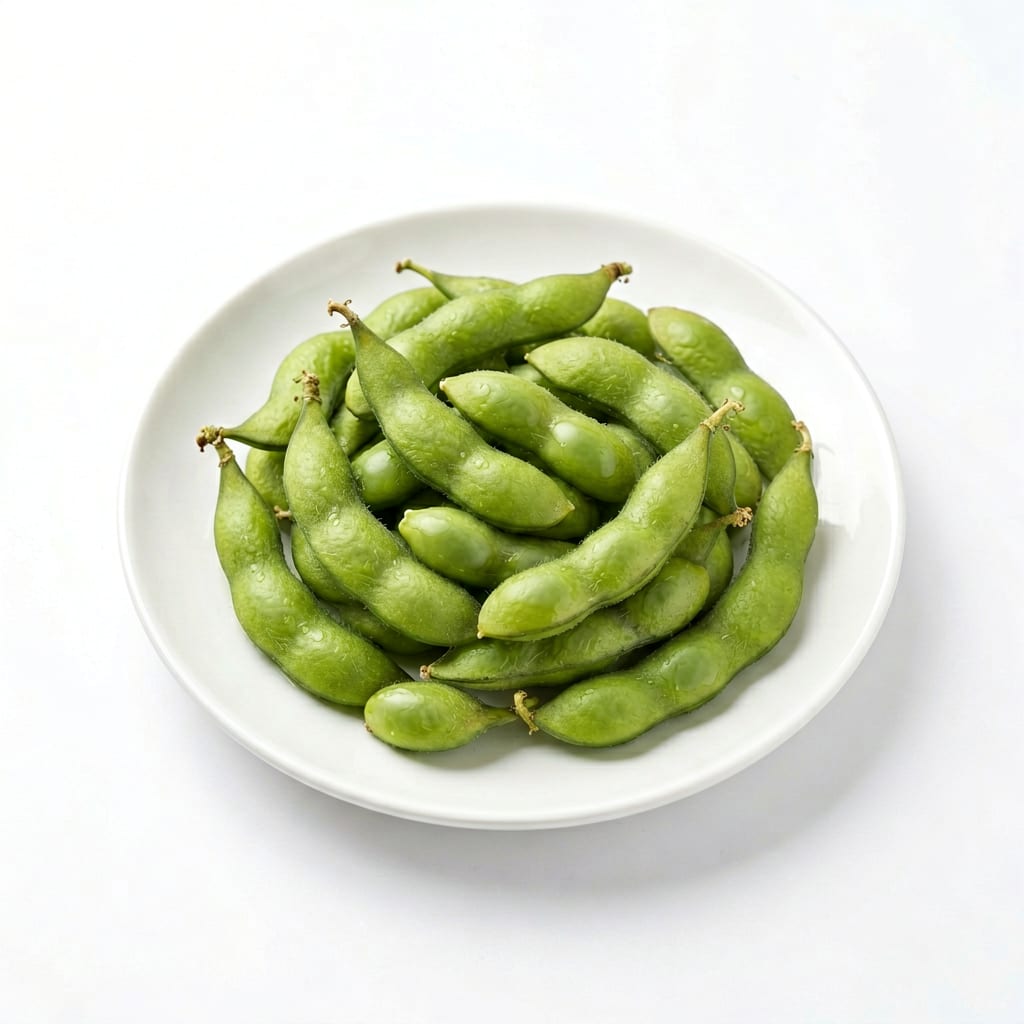
Edamame
Edamame wins decisively due to its complete protein, superior safety profile, and effortless preparation — hyacinth beans require careful detoxifying cooking to avoid poisoning.
Edamame scores significantly higher primarily due to its safety profile, complete protein, and convenience. Hyacinth beans are nutritious but penalized heavily for their cyanogenic glycoside content requiring careful preparation, lower protein quality, and limited availability.
Hyacinth beans offer unique cultural cuisine and slightly more iron per serving, but edamame delivers safer, more convenient, and more complete nutrition with far less effort.
At a glance
Executive summary
Overall
Edamame
Healthier
Edamame
More practical
Edamame
Daily use
Edamame
Key comparison lenses
safety and toxicity
Hyacinth beans contain cyanogenic glycosides and require thorough cooking to be safe, making toxicity the single most critical factor in this comparison
protein quality and completeness
Edamame provides complete protein with all essential amino acids, while hyacinth bean protein is incomplete — a key differentiator for plant-based eaters
preparation convenience
Hyacinth beans demand extensive soaking and cooking to detoxify, whereas edamame is ready in minutes, creating a major practical gap
nutrient density comparison
Both are nutrient-rich legumes but with different mineral and vitamin profiles worth examining
digestive tolerance
Hyacinth beans have more anti-nutritional factors that can cause digestive distress, while edamame is generally gentler
Best choice for
Hyacinth Bean
- Traditional South Asian and African cuisine enthusiasts
- Those seeking higher iron intake from plant sources
- Home cooks comfortable with lengthy detoxification procedures
- Diversifying legume variety beyond common options
Edamame
- Plant-based eaters needing complete protein
- Busy people wanting a quick, nutritious snack
- Anyone prioritizing food safety and simplicity
- Athletes and fitness-focused individuals
Least suitable for
Hyacinth Bean
- Children and elderly due to toxicity risks from improper preparation
- Anyone unfamiliar with detoxification cooking methods
- People with sensitive digestion or IBS
- Those seeking quick meal solutions
Edamame
- People with soy allergies
- Those avoiding phytoestrogens for medical reasons
- Individuals on strict low-purine diets
Deep comparison
Dimension by dimension
Each lens scores both foods and breaks down who each option suits.
- Dimension 1 · Priority 95Edamame
Safety and Toxicity Risk
Hyacinth Bean · 30Edamame · 90Hyacinth beans contain cyanogenic glycosides that release hydrogen cyanide if not properly cooked — edamame has no such danger.
Tradeoff
Hyacinth beans reward careful traditional preparation with unique flavor, but one mistake in cooking can cause serious illness.
Why it matters
Cyanide poisoning symptoms range from headache and nausea to potentially fatal respiratory failure, especially in children.
Real-world impact
If you rush cooking hyacinth beans or skip soaking, you risk acute poisoning. Edamame poses no such threat even if slightly undercooked.
Hyacinth Bean
- Experienced traditional cooks who follow time-tested preparation methods
Better for
- Households with young children who might eat raw or undercooked beans
- Anyone distracted or rushed during cooking
Worse for
Edamame
- Families with children
- Casual home cooks
- Anyone who values peace of mind at mealtime
Better for
- People with severe soy allergies only
Worse for
- Dimension 2 · Priority 85Edamame
Protein Quality and Completeness
Hyacinth Bean · 45Edamame · 92Edamame is a rare plant source of complete protein with all nine essential amino acids. Hyacinth bean protein is incomplete and lower in methionine.
Tradeoff
Hyacinth beans still provide respectable protein quantity but need to be paired with grains to achieve a complete amino acid profile.
Why it matters
Complete protein matters especially for vegetarians and vegans who cannot easily combine foods at every meal.
Real-world impact
A bowl of edamame after a workout gives you muscle-building amino acids directly. Hyacinth beans need rice or another grain to match that benefit.
Hyacinth Bean
- Meals already paired with complementary grains like rice
Better for
- Standalone snacking for protein needs
Worse for
Edamame
- Post-workout recovery snacks
- Standalone protein source for vegetarians
- Quick protein boost between meals
Better for
- Soy-allergic individuals needing plant protein
Worse for
- Dimension 3 · Priority 80Edamame
Preparation Convenience
Hyacinth Bean · 20Edamame · 88Edamame steams in 5 minutes from frozen. Hyacinth beans require overnight soaking plus 30-45 minutes of boiling with water changes to detoxify.
Tradeoff
The extra effort for hyacinth beans is non-negotiable for safety — it is not optional care, it is essential detoxification.
Why it matters
Convenience determines whether a food actually gets eaten regularly or sits forgotten in the pantry.
Real-world impact
Edamame can be a weeknight side dish on impulse. Hyacinth beans require planning a day ahead and dedicated cooking time.
Hyacinth Bean
- Weekend cooking projects
- Meal prep sessions with planned leftovers
Better for
- Last-minute meal needs
- Anyone with limited cooking time
Worse for
Edamame
- Weeknight dinners
- Quick lunch additions
- Impromptu snacking
Better for
- Situations where soy is unavailable
Worse for
- Dimension 4 · Priority 75It depends
Micronutrient Density
Hyacinth Bean · 72Edamame · 78Hyacinth beans edge ahead in iron and zinc, while edamame dominates in folate, vitamin K, and manganese.
Tradeoff
Hyacinth beans are better for iron-deficient individuals, but edamame offers broader micronutrient coverage overall.
Why it matters
Iron deficiency is the world's most common nutrient gap, making hyacinth beans genuinely useful despite their other drawbacks.
Real-world impact
If you are anemic or borderline iron-deficient, hyacinth beans could meaningfully help — but you must prepare them safely.
Hyacinth Bean
- People with iron deficiency or at risk of anemia
- Those needing extra zinc for immune support
Better for
- Those relying on a single legume for broad nutrition
Worse for
Edamame
- Pregnant women needing folate
- People seeking bone-supportive vitamin K
- Those wanting broader micronutrient coverage
Better for
- Individuals specifically targeting iron deficiency
Worse for
- Dimension 5 · Priority 70Edamame
Digestive Tolerance
Hyacinth Bean · 40Edamame · 68Hyacinth beans contain more anti-nutritional factors like trypsin inhibitors and tannins that can cause bloating and reduce nutrient absorption.
Tradeoff
Proper cooking reduces but does not eliminate all anti-nutrients in hyacinth beans, while edamame is generally easier on the gut.
Why it matters
Digestive discomfort discourages consistent healthy eating and can mask the benefits of otherwise nutritious foods.
Real-world impact
Even properly cooked hyacinth beans may cause gas or bloating in sensitive people. Edamame is usually tolerated better, though not perfectly.
Hyacinth Bean
- People with robust digestion accustomed to high-fiber legumes
Better for
- IBS sufferers
- People new to high-fiber diets
Worse for
Edamame
- Those with sensitive stomachs
- People gradually increasing fiber intake
- Casual legume eaters
Better for
- Those with soy intolerance
Worse for
- Dimension 6 · Priority 65Edamame
Availability and Accessibility
Hyacinth Bean · 25Edamame · 90Edamame is available in nearly every grocery store frozen section. Hyacinth beans are specialty items found mainly in Asian or African markets.
Tradeoff
Choosing hyacinth beans means committing to specialty shopping or online ordering, which limits spontaneous meal planning.
Why it matters
The healthiest food is the one you can actually buy and eat consistently.
Real-world impact
Edamame is a freezer staple you can restock anywhere. Hyacinth beans may require a dedicated shopping trip or online order with shipping costs.
Hyacinth Bean
- People living near well-stocked international markets
- Online shoppers comfortable with bulk ordering
Better for
- Rural communities without specialty markets
- Budget-conscious shoppers facing shipping costs
Worse for
Edamame
- Suburban and rural shoppers
- Anyone who values one-stop grocery trips
- People who buy ingredients on the same day they cook
Better for
- Regions where soy products are restricted or unavailable
Worse for
Timeline
Health impact over time
Short-term
Hours to days
Hyacinth Bean
- Risk of cyanide poisoning if undercooked — symptoms include dizziness, headache, nausea, and vomiting
- Potential for significant bloating and gas due to anti-nutritional factors
- Satiety from high fiber and protein content when properly prepared
Edamame
- Quick satiety from complete protein and fiber with minimal digestive discomfort for most people
- Mild bloating possible in those unaccustomed to soy fiber
- Steady energy without blood sugar spikes
Long-term
Months to years
Hyacinth Bean
- Iron status improvement with regular consumption, beneficial for those at risk of anemia
- Chronic digestive irritation possible if anti-nutrients are not adequately reduced
- Persistent anxiety about proper preparation may reduce consumption frequency
Edamame
- Consistent complete protein intake supporting muscle maintenance and metabolic health
- Isoflavones may offer cardiovascular and bone health benefits over time
- Soy phytoestrogens remain debated but current evidence supports moderate consumption as safe for most people
Risk profile
Safety & processing
Both foods are whole, minimally processed legumes. Frozen edamame may have a slight processing footprint from blanching and freezing, but this preserves nutrients without adding concerning additives. Hyacinth beans sold dried are as natural as it gets — the concern is not processing but inherent natural toxicity.
Hyacinth Bean
Cyanogenic glycoside poisoning
highRaw or undercooked hyacinth beans contain linamarin and lotaustralin, which release hydrogen cyanide. Boiling in ample water with at least one water change is mandatory. Never cook in a slow cooker or with minimal water.
Anti-nutrient interference with nutrient absorption
mediumTrypsin inhibitors and tannins reduce protein digestibility and mineral absorption. Adequate cooking reduces but does not fully eliminate these compounds.
Contamination in informal markets
lowHyacinth beans sold in unpackaged bulk at international markets may have variable quality and storage conditions.
Edamame
Soy allergy reaction
highSoy is a top 9 allergen. Reactions can range from hives to anaphylaxis in sensitive individuals. Always check when serving to others.
GMO and pesticide exposure
lowMost edamame sold for direct consumption is non-GMO, but conventional soy crops are heavily sprayed. Choosing organic eliminates this concern.
Phytoestrogen effects in sensitive populations
lowCurrent evidence supports moderate soy intake as safe, but those with hormone-sensitive conditions should consult their doctor.
Who wins for whom
Audience fit
Same foods, different winners depending on your goal.
children
EdamameSafety is paramount for children — edamame poses no toxicity risk and is easy to prepare correctly. Hyacinth beans' cyanogenic glycosides make them too risky for households with young kids.
daily consumption
EdamameDaily use demands safety, convenience, and consistent nutrition — edamame delivers all three. Hyacinth beans are better reserved as an occasional dish.
diabetes
EdamameEdamame has a lower glycemic load and provides steadier blood sugar support. Hyacinth beans are also reasonable but their anti-nutrient profile may slightly impair carbohydrate metabolism.
elderly
EdamameOlder adults benefit from edamame's complete protein for muscle preservation and vitamin K for bone health, without the safety concerns of hyacinth bean preparation.
muscle gain
EdamameComplete protein with high leucine content makes edamame directly useful for muscle protein synthesis without needing complementary foods.
weight loss
EdamameEdamame's complete protein and fiber create stronger satiety with fewer cravings, and portion control is easier with a ready-to-eat snack.
Your move
Decision guide
Choose Hyacinth Bean
- You are an experienced cook familiar with traditional hyacinth bean preparation methods
- You have iron deficiency and want a plant-based iron boost alongside complementary grains
- You are exploring diverse global cuisines and can source quality beans
- You enjoy weekend cooking projects and do not mind the extra preparation effort
Choose Edamame
- You want a safe, quick, complete protein source for everyday eating
- You are plant-based and need reliable essential amino acids without food combining
- You have children or elderly family members and cannot risk preparation errors
- You value convenience and want something healthy you will actually eat regularly
Either works if
- You enjoy legume variety and want to rotate between different beans for nutrient diversity
- You have no soy allergy or sensitivity concerns
- You are comfortable cooking and want to explore both options
Avoid both if
- You have severe legume allergies
- You are on a very low-fiber diet for medical reasons
- You have acute digestive conditions requiring low-residue eating
Final recommendation
Make edamame your everyday legume — it is safe, complete, and convenient. Save hyacinth beans for occasional traditional dishes when you have the time and knowledge to prepare them correctly. The safety gap alone makes this a clear daily-choice decision, not a close call.
Practical
Consumer tips
- 1
If cooking hyacinth beans, always soak overnight, discard the soak water, boil in generous water for at least 30 minutes, and ideally change the water once during cooking — never use a slow cooker
- 2
Choose organic edamame to avoid pesticide residue and guarantee non-GMO soy
- 3
If you are new to either bean, start with small portions to assess digestive tolerance before making it a regular food
- 4
Pair hyacinth beans with rice or another grain to compensate for their incomplete amino acid profile
- 5
Keep frozen edamame on hand as a versatile staple — it thaws quickly for salads, stir-fries, or snacking
- 6
If you have a history of anemia, hyacinth beans can be a useful iron source but should not replace medically supervised treatment