
Nutrition comparison
Hyacinth Bean vs Chickpeas: Safety, Nutrition, and Which Legume to Choose
Hyacinth beans contain natural cyanide compounds requiring careful preparation, while chickpeas offer safe, reliable plant protein. Full comparison of nutrition, safety risks, and practical recommendations.
Overall winner · Chickpeas
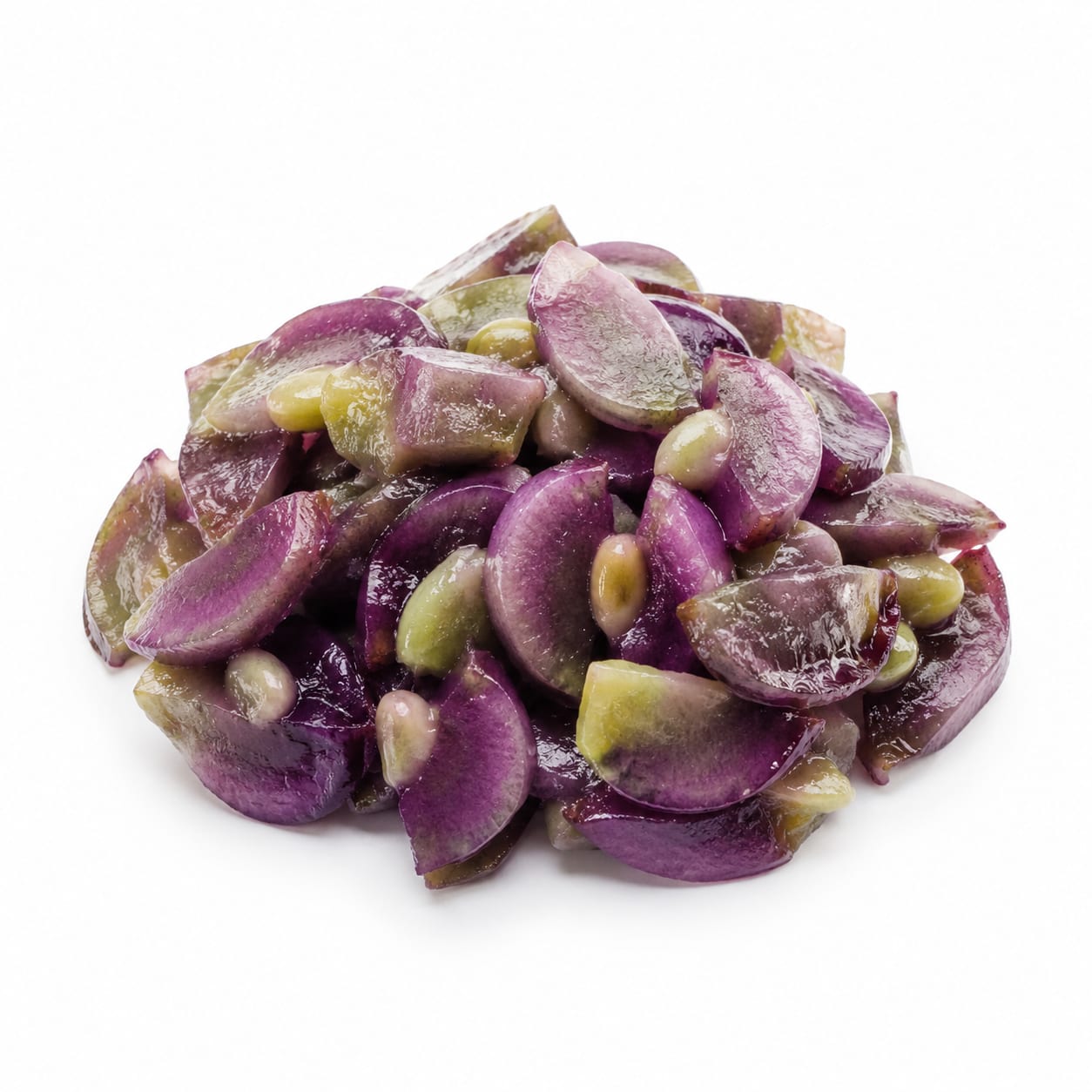
Hyacinth Bean
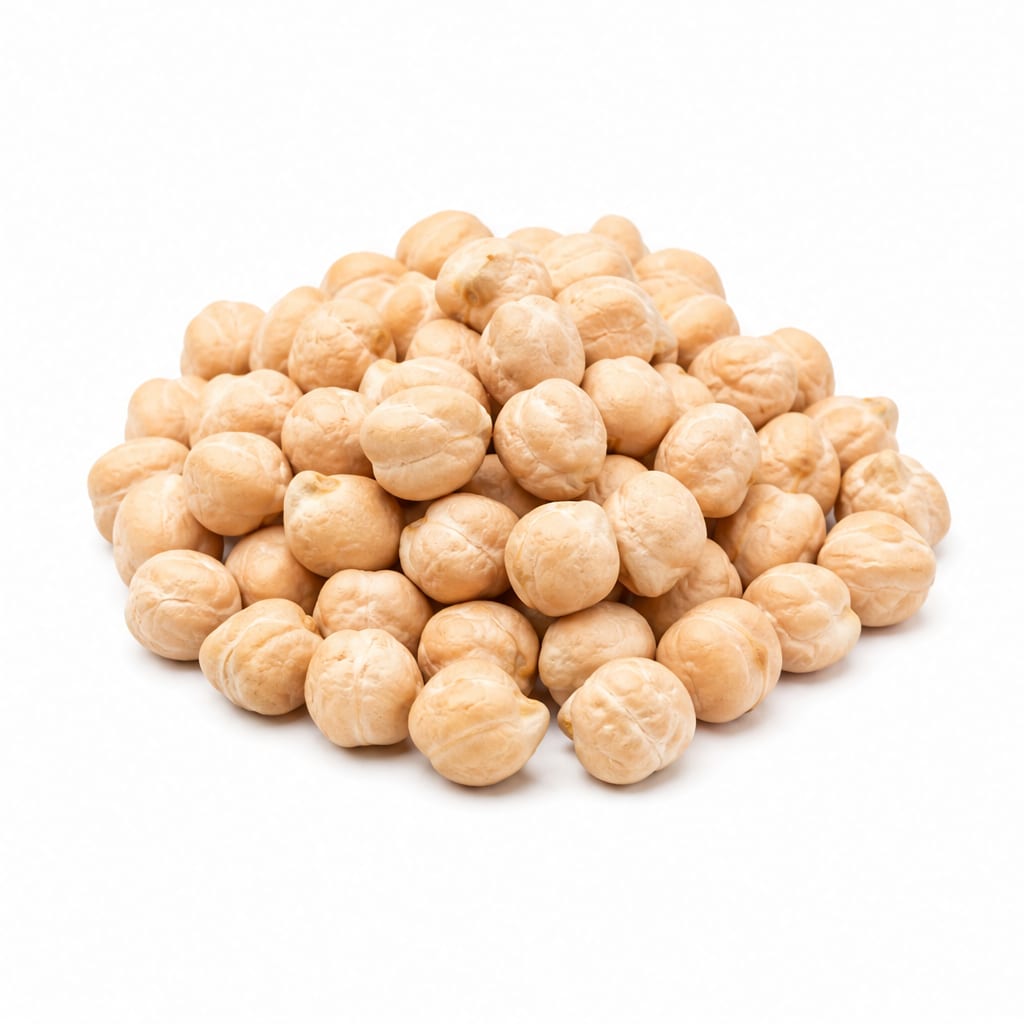
Chickpeas
Chickpeas win decisively due to superior safety, accessibility, and research backing, while hyacinth beans carry serious toxicity risks if improperly prepared.
Chickpeas score dramatically higher because hyacinth beans carry a significant safety penalty. Even though hyacinth beans have respectable nutrition when properly prepared, the cyanogenic glycoside risk and limited availability make them impractical for most consumers. The score gap reflects real-world usability, not just nutrient content.
Hyacinth beans offer interesting micronutrient diversity and regional culinary tradition, but require expert-level preparation to avoid cyanide poisoning — chickpeas deliver reliable nutrition with minimal risk.
At a glance
Executive summary
Overall
Chickpeas
Healthier
Chickpeas
More practical
Chickpeas
Daily use
Chickpeas
Key comparison lenses
safety and toxicity
Hyacinth beans contain cyanogenic glycosides that can release hydrogen cyanide if not properly prepared, making safety the dominant concern in this comparison
everyday practicality
Chickpeas are widely available and familiar, while hyacinth beans are niche and require special handling knowledge
plant protein quality
Both are legumes competing as protein sources, so users want to know which delivers better nutrition per serving
digestive tolerance
Legumes are notorious for causing bloating, and the safety concerns with hyacinth beans add another layer of digestive risk
long term dietary sustainability
Users evaluating legumes for daily diets need to know which is easier to stick with safely and consistently
Best choice for
Hyacinth Bean
- Experienced cooks familiar with traditional toxin-removal techniques
- Regional cuisines where hyacinth bean preparation knowledge is common
- Agricultural contexts where hyacinth beans are a drought-resistant crop
Chickpeas
- Everyday home cooks wanting safe, reliable plant protein
- Meal preppers building weekly legume routines
- Anyone new to legumes or plant-based eating
- Families cooking for children or elderly members
Least suitable for
Hyacinth Bean
- Children and pregnant women due to cyanide risk
- Inexperienced cooks unfamiliar with proper detoxification
- Anyone meal-prepping in bulk where preparation vigilance may slip
Chickpeas
- People with severe chickpea allergies or chickpea-specific sensitivities
- Those strictly limiting carbohydrate intake
Deep comparison
Dimension by dimension
Each lens scores both foods and breaks down who each option suits.
- Dimension 1 · Priority 95Chickpeas
safety_and_toxicity
Hyacinth Bean · 25Chickpeas · 90Hyacinth beans contain cyanogenic glycosides that can release hydrogen cyanide — a potentially lethal toxin — if the beans are not boiled in multiple changes of water for extended periods.
Tradeoff
Hyacinth beans reward careful traditional preparation with unique nutrients, but one shortcut or mistake can cause acute cyanide poisoning symptoms including nausea, dizziness, and in severe cases, death.
Why it matters
This is not a theoretical risk. Improperly prepared hyacinth beans have caused documented poisonings. Chickpeas have no such toxicity concern — their worst side effect is bloating.
Real-world impact
A busy parent cooking dinner after a long workday is far more likely to cut corners on multi-step boiling procedures. With chickpeas, that shortcut means slightly firmer beans. With hyacinth beans, it could mean a hospital visit.
Hyacinth Bean
- Communities with generational knowledge of safe preparation
Better for
- Novice cooks experimenting with unfamiliar legumes
- Anyone using slow cookers or pressure cookers without prior boiling
Worse for
Chickpeas
- Households with children
- Pregnant women
- Anyone cooking on autopilot
- Meal preppers making large batches
Better for
- People with specific chickpea allergies
Worse for
- Dimension 2 · Priority 78Chickpeas
protein_and_nutrition
Hyacinth Bean · 65Chickpeas · 80Chickpeas provide slightly more protein per serving along with better-studied amino acid profiles, while hyacinth beans offer competitive iron and some unique micronutrients.
Tradeoff
Hyacinth beans have interesting micronutrient diversity including good iron and zinc content, but chickpeas deliver more consistent, well-documented protein with established digestibility scores.
Why it matters
When choosing a legume as a protein staple, reliability matters. Chickpeas have decades of nutritional research confirming their amino acid profile and bioavailability. Hyacinth bean data is far more limited.
Real-world impact
If you are relying on legumes as a primary protein source, chickpeas give you a predictable, well-understood nutritional foundation. Hyacinth beans are more of an adventurous supplement than a reliable staple.
Hyacinth Bean
- Diets seeking iron diversity beyond common legumes
- Traditional food systems in tropical regions
Better for
- Precision nutrition tracking due to limited data
Worse for
Chickpeas
- Plant-based eaters needing dependable protein
- Athletes tracking macronutrients precisely
- Anyone building meals around a known nutritional profile
Better for
- Those specifically seeking novel micronutrient sources
Worse for
- Dimension 3 · Priority 72Chickpeas
fiber_and_digestive_health
Hyacinth Bean · 60Chickpeas · 78Chickpeas provide robust soluble and insoluble fiber with well-documented prebiotic benefits, while hyacinth beans offer decent fiber but with the added variable of potential digestive distress from residual toxins.
Tradeoff
Even properly prepared hyacinth beans may retain trace compounds that irritate sensitive digestive systems, whereas chickpeas cause predictable and manageable bloating that most people adapt to over time.
Why it matters
Gut health benefits depend on consistent, comfortable consumption. If a food causes anxiety about digestive reactions, people stop eating it — defeating the purpose entirely.
Real-world impact
Chickpeas might make you gassy for the first week of regular consumption, but your body adapts. Hyacinth beans keep you guessing whether that stomach discomfort is normal bloating or a sign of inadequate toxin removal.
Hyacinth Bean
- Those already accustomed to hyacinth beans with no digestive issues
Better for
- People with sensitive digestion or anxiety about food safety
Worse for
Chickpeas
- Anyone building a consistent high-fiber routine
- People with irritable bowel syndrome who need predictable reactions
- Gradual fiber increase strategies
Better for
- Those who cannot tolerate any FODMAPs
Worse for
- Dimension 4 · Priority 68Chickpeas
blood_sugar_stability
Hyacinth Bean · 62Chickpeas · 75Both legumes have low glycemic indices and support steady blood sugar, but chickpeas have far more clinical evidence demonstrating glycemic benefits.
Tradeoff
Hyacinth beans likely have similar glycemic properties to other legumes, but the lack of specific research means less confidence in exact glycemic load calculations.
Why it matters
For people managing diabetes or metabolic syndrome, confidence in blood sugar predictions is not optional — it is safety-critical.
Real-world impact
A diabetic tracking post-meal glucose knows exactly what chickpeas do to their numbers. With hyacinth beans, they are running an experiment every time.
Hyacinth Bean
- Cultural contexts where hyacinth beans are a traditional diabetes-friendly food
Better for
- Data-driven blood sugar managers
Worse for
Chickpeas
- Diabetics who need predictable glycemic responses
- Anyone wearing a continuous glucose monitor and correlating food data
Better for
- Those who have personally found chickpeas spike their glucose
Worse for
- Dimension 5 · Priority 85Chickpeas
accessibility_and_convenience
Hyacinth Bean · 20Chickpeas · 92Chickpeas are available in virtually every grocery store worldwide in canned, dried, and flour forms. Hyacinth beans are specialty items requiring specialty stores or online ordering in most regions.
Tradeoff
Hyacinth beans can be grown in harsh tropical conditions where chickpeas struggle, making them regionally important — but for most global consumers, they are simply hard to find.
Why it matters
The healthiest food is the one you can actually buy and eat regularly. Exotic nutrition means nothing if you cannot source it consistently.
Real-world impact
You can find chickpeas at a gas station. Finding hyacinth beans might require a specialty international market, online order, or growing them yourself — and then you still have to prepare them safely.
Hyacinth Bean
- Tropical agricultural communities growing them locally
Better for
- Anyone without access to specialty markets
- People who do not plan meals weeks in advance
Worse for
Chickpeas
- Urban dwellers shopping at regular grocery stores
- Anyone who values convenience alongside nutrition
- People who cook based on what is available, not what requires a quest
Better for
- Those in regions where chickpeas are imported and expensive
Worse for
Timeline
Health impact over time
Short-term
Hours to days
Hyacinth Bean
- Risk of acute cyanide poisoning if undercooked — symptoms include headache, nausea, dizziness, and rapid breathing
- Potential for severe digestive distress even with adequate cooking if personal sensitivity exists
- Moderate satiety from protein and fiber content when properly prepared
Chickpeas
- Temporary bloating and gas as gut microbiome adapts to increased fiber
- Steady energy without blood sugar spikes due to low glycemic load
- Satisfying fullness that reduces between-meal snacking
Long-term
Months to years
Hyacinth Bean
- Chronic exposure to trace cyanogenic compounds from repeated consumption of marginally prepared beans could stress the liver and thyroid over time
- Possible iron and zinc benefits if consumed regularly and safely
- Unreliable long-term dietary foundation due to preparation complexity and sourcing difficulty
Chickpeas
- Well-established cardiovascular benefits from regular legume consumption
- Improved gut microbiome diversity from consistent prebiotic fiber intake
- Better weight management outcomes linked to high satiety and stable blood sugar
- Reduced colorectal cancer risk associated with long-term high-fiber legume diets
Risk profile
Safety & processing
Both foods are whole, minimally processed legumes when purchased dried. However, canned chickpeas may contain added sodium, which is a manageable concern compared to the natural toxin risk in hyacinth beans. A natural food is not automatically a safer food — hyacinth beans prove this dramatically.
Hyacinth Bean
Cyanogenic glycoside poisoning
highRaw or undercooked hyacinth beans contain linamarin and lotaustralin, which convert to hydrogen cyanide in the body. Multiple extended boilings with water changes are mandatory. Even dried beans require thorough cooking.
Inconsistent toxin levels between varieties
mediumCyanogen content varies significantly between hyacinth bean cultivars. Some are bred for lower toxicity, but consumers rarely know which variety they are purchasing.
Misinformation about preparation methods
mediumOnline recipes may not adequately emphasize the critical importance of multiple water changes during boiling. Slow cookers and pressure cookers alone may not neutralize toxins without prior boiling.
Chickpeas
Bacterial contamination of canned chickpeas
lowRare but possible if cans are damaged or improperly sealed. Standard food safety practices like inspecting cans before use eliminate most risk.
Cross-contamination in facilities processing multiple allergens
lowDried chickpeas from facilities handling multiple legumes or allergens may carry trace contaminants. Relevant only for highly sensitive individuals.
Who wins for whom
Audience fit
Same foods, different winners depending on your goal.
children
ChickpeasChildren are particularly vulnerable to cyanogenic glycoside poisoning due to lower body weight. Chickpeas are safe, familiar, and widely recommended as an early legume introduction.
daily consumption
ChickpeasDaily consumption demands safety, convenience, and predictability. Chickpeas excel on all three. Hyacinth beans require vigilance that is difficult to maintain every single day.
diabetes
ChickpeasChickpeas have extensively studied low glycemic index properties and predictable blood sugar impact, which is critical for diabetes management.
elderly
ChickpeasOlder adults may have reduced digestive resilience and should avoid foods with toxin risk. Chickpeas offer gentle fiber and well-tolerated protein for aging bodies.
muscle gain
ChickpeasChickpeas offer more consistent and well-documented protein content per serving, making it easier to hit daily protein targets predictably.
weight loss
ChickpeasChickpeas provide reliable high-fiber satiety that reduces overeating, with none of the safety anxiety that might lead to avoiding legumes entirely.
Your move
Decision guide
Choose Hyacinth Bean
- You grew up cooking hyacinth beans and have inherited reliable preparation techniques
- You live in a tropical region where hyacinth beans are a standard, well-understood food crop
- You are an adventurous cook who researches thoroughly and follows traditional detoxification methods precisely
Choose Chickpeas
- You want a safe, reliable legume you can eat multiple times per week without worry
- You are feeding children, elderly family members, or pregnant women
- You value convenience and the ability to find your food at any grocery store
- You are building a long-term plant-based eating pattern that needs to be sustainable
Either works if
- You want more legume variety in your diet and can safely prepare both
- You are rotating through different legumes for microbiome diversity
Avoid both if
- You have a general legume allergy
- You are strictly limiting carbohydrates and cannot accommodate the carb content of any legume
Final recommendation
Choose chickpeas as your everyday legume. They are safe, accessible, well-researched, and versatile enough for hummus, curries, salads, and roasted snacks. If you are curious about hyacinth beans, treat them as an occasional culinary adventure — not a dietary staple — and only after thoroughly researching proper preparation. The nutrition gap between these two foods is small, but the safety gap is enormous.
Practical
Consumer tips
- 1
If you do cook hyacinth beans, always boil them in at least two changes of water for 20-30 minutes each before any other preparation method
- 2
Never cook hyacinth beans directly in a slow cooker or pressure cooker without prior extended boiling in multiple water changes
- 3
Canned chickpeas are a perfectly healthy shortcut — just rinse them well to remove about 40% of the added sodium
- 4
If chickpeas cause bloating, start with small portions and increase gradually over two weeks. Your gut adapts.
- 5
Roasted chickpeas with olive oil and spices are one of the easiest high-protein snacks you can make at home
- 6
Store dried chickpeas in airtight containers — they last over a year and are far cheaper than canned versions