
Nutrition comparison
Hyacinth Bean vs Black Beans: Safety, Nutrition, and Which to Eat Daily
Compare Hyacinth Beans and Black Beans on safety, protein, fiber, and everyday practicality. Learn why Black Beans are the safer daily choice and when Hyacinth Beans might be worth the extra care.
Overall winner · Black Beans
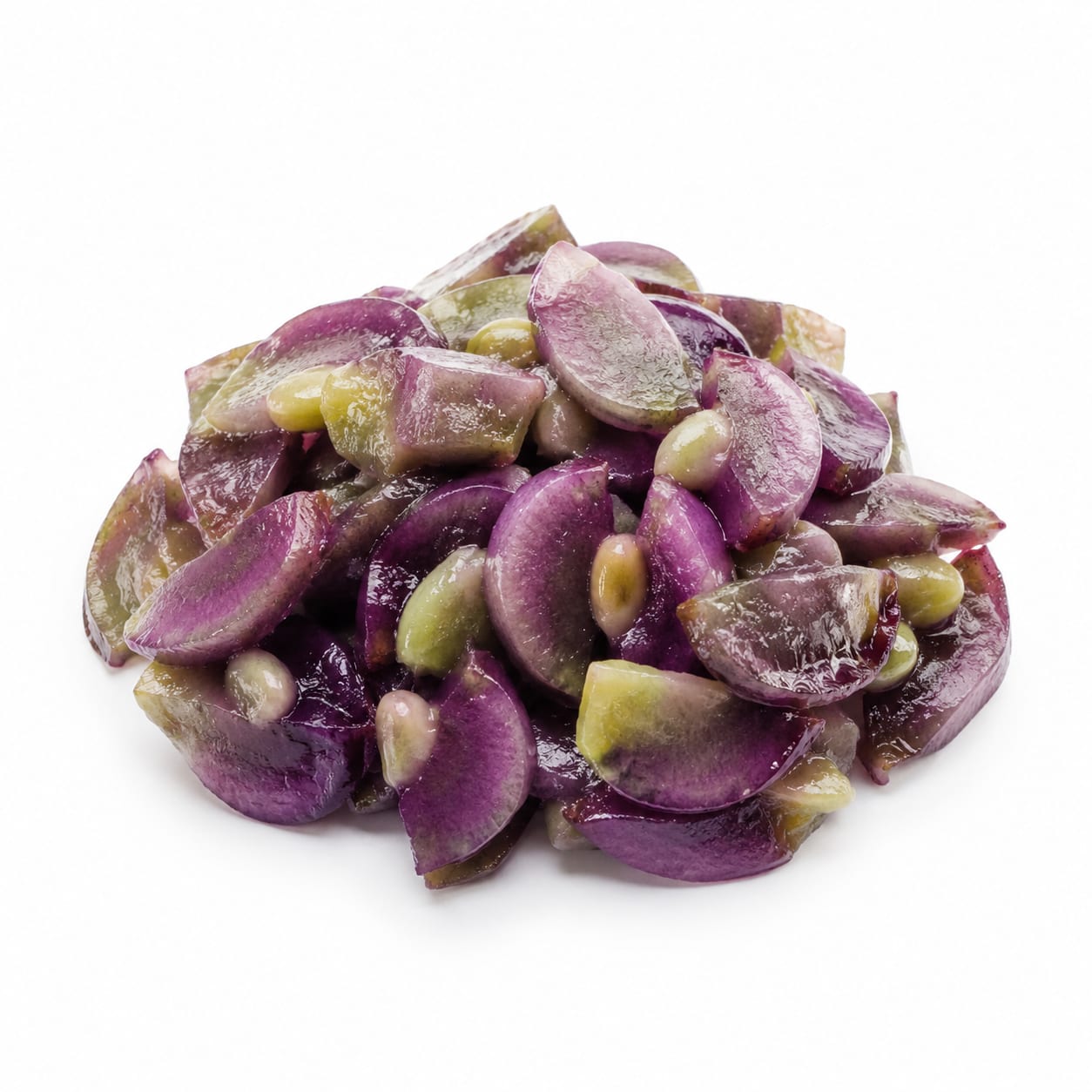
Hyacinth Bean
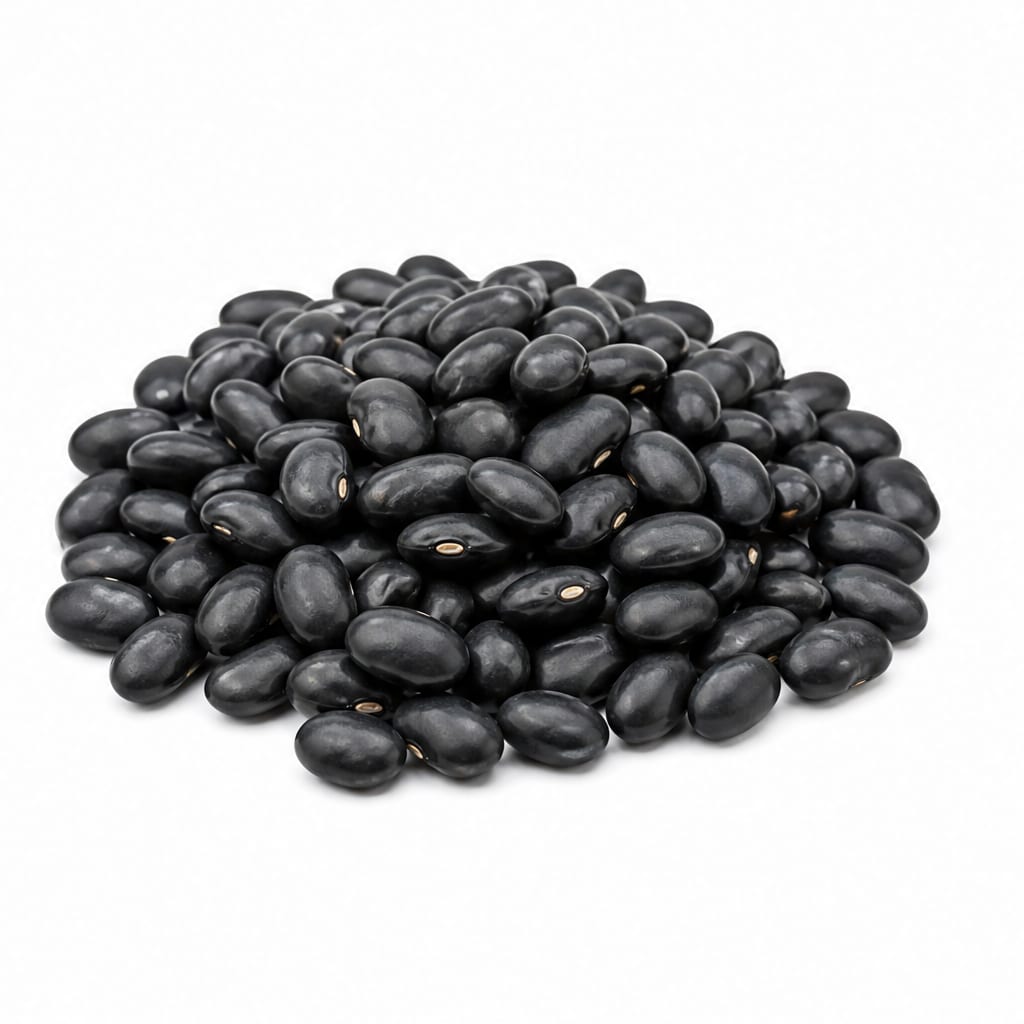
Black Beans
Black beans win on safety, convenience, and reliability. Hyacinth beans offer interesting nutrition but carry a real toxicity risk if undercooked.
Black beans score significantly higher due to superior safety, accessibility, and ease of use. Hyacinth beans lose substantial ground on toxicity risk and practical barriers. The gap would narrow if hyacinth beans were always perfectly prepared, but real-world cooking introduces risk.
Hyacinth beans provide cultural uniqueness and decent nutrition, but Black beans deliver similar benefits without the cyanide risk and with far easier access.
At a glance
Executive summary
Overall
Black Beans
Healthier
Black Beans
More practical
Black Beans
Daily use
Black Beans
Key comparison lenses
safety and toxicity
Hyacinth beans contain cyanogenic glycosides that can release hydrogen cyanide if improperly prepared, making safety the dominant concern in this comparison
everyday practicality and accessibility
Black beans are universally available and easy to cook, while hyacinth beans require special sourcing and careful preparation
protein and fiber quality
Both are legumes with strong protein and fiber profiles, so subtle differences in digestibility and nutrient density matter
long term dietary sustainability
A bean you can eat confidently every day beats one that demands constant caution
antioxidant and micronutrient profile
Black beans offer well-documented anthocyanin benefits, while hyacinth bean micronutrient data is less established
Best choice for
Hyacinth Bean
- Culinary adventurers exploring traditional Asian or African cuisine
- Gardeners growing their own heirloom legumes
- Those seeking regional dietary diversity beyond common beans
Black Beans
- Anyone wanting a safe, reliable daily legume
- Families cooking for children or elderly members
- Meal preppers who batch-cook beans weekly
- People managing blood sugar or heart health long-term
Least suitable for
Hyacinth Bean
- Households with children who might eat raw or undercooked beans
- Anyone unfamiliar with proper detoxifying preparation methods
- People who want grab-and-cook convenience
Black Beans
- Those with specific black bean allergies or sensitivities
- People seeking novel or exotic legume varieties
Deep comparison
Dimension by dimension
Each lens scores both foods and breaks down who each option suits.
- Dimension 1 · Priority 95Black Beans
safety_and_toxicity
Hyacinth Bean · 35Black Beans · 92Hyacinth beans contain cyanogenic glycosides that can produce hydrogen cyanide. Thorough boiling reduces this, but the risk never fully disappears for careless cooks.
Tradeoff
Hyacinth beans reward careful preparation with decent nutrition, but one shortcut can lead to nausea, vomiting, or worse. Black beans carry no such risk.
Why it matters
A food that can poison you if slightly undercooked demands a level of vigilance most home cooks cannot sustain daily.
Real-world impact
Distracted cooking, uneven heat, or skipping a step with hyacinth beans could mean a sick evening. Black beans forgive almost any cooking mistake.
Hyacinth Bean
- Experienced cooks who follow traditional multi-step preparation faithfully
Better for
- Anyone who might rush or skip boiling steps
- Households where different people share cooking duties inconsistently
Worse for
Black Beans
- Families with kids
- Elderly households
- Anyone who multitasks while cooking
- Beginner home cooks
Better for
- Those with rare legume allergies specific to black beans
Worse for
- Dimension 2 · Priority 88Black Beans
availability_and_convenience
Hyacinth Bean · 25Black Beans · 93Black beans are in every grocery store. Hyacinth beans require specialty shops, online ordering, or home growing.
Tradeoff
Choosing hyacinth beans means planning ahead and paying more for less convenience. Black beans are available canned, dried, or frozen almost anywhere.
Why it matters
The best healthy food is the one you actually eat regularly. Accessibility drives consistency.
Real-world impact
You can decide to make black bean tacos tonight and have ingredients in 15 minutes. Hyacinth beans might require a week of sourcing.
Hyacinth Bean
- Home gardeners in warm climates who grow their own supply
- Shoppers near Asian or African specialty markets
Better for
- Rural shoppers without specialty store access
- Anyone who needs dinner ingredients tonight
Worse for
Black Beans
- Anyone shopping at standard grocery stores
- People who value spontaneous meal decisions
- Budget-conscious shoppers comparing price per serving
Better for
- Those specifically seeking rare or heritage legume varieties
Worse for
- Dimension 3 · Priority 75It depends
protein_and_fiber_content
Hyacinth Bean · 72Black Beans · 78Both deliver strong plant protein and fiber. Black beans hold a slight edge in fiber density and more reliable nutritional data.
Tradeoff
Hyacinth beans offer competitive protein but less well-documented fiber and micronutrient profiles. Black beans have decades of nutritional research behind them.
Why it matters
For daily legume consumption, consistency and predictability in macros matter for meal planning.
Real-world impact
A cup of black beans gives you roughly 15g protein and 15g fiber with well-known calorie counts. Hyacinth bean data varies more by source and variety.
Hyacinth Bean
- Those rotating through diverse legume types for broad amino acid coverage
Better for
- Precision dieters who need exact macro data
Worse for
Black Beans
- Anyone tracking macros precisely
- Meal preppers who need reliable nutrition labels
Better for
- Those who eat only one bean type and want maximum variety
Worse for
- Dimension 4 · Priority 60Black Beans
antioxidant_and_micronutrient_profile
Hyacinth Bean · 58Black Beans · 80Black beans are rich in anthocyanins from their dark seed coat, with proven antioxidant benefits. Hyacinth bean micronutrient data is thinner and less studied.
Tradeoff
Black beans offer well-documented antioxidant and anti-inflammatory compounds. Hyacinth beans likely have some phytonutrient benefits but lack the research depth.
Why it matters
Long-term health protection from food depends on compounds science has actually measured and validated.
Real-world impact
Regular black bean consumption is linked to reduced inflammation and better heart health markers in published studies. Hyacinth beans cannot make the same evidence-based claim yet.
Hyacinth Bean
- Those interested in under-studied traditional foods that may have undiscovered benefits
Better for
- Those who want proven, measurable health outcomes from their food choices
Worse for
Black Beans
- Anyone prioritizing evidence-based antioxidant intake
- People focused on heart and brain health through diet
Better for
- People who assume all beans are nutritionally interchangeable
Worse for
- Dimension 5 · Priority 72It depends
blood_sugar_stability
Hyacinth Bean · 70Black Beans · 76Both beans have low glycemic loads and support steady blood sugar. Black beans have more consistent data confirming this effect.
Tradeoff
Any properly cooked legume will help stabilize blood sugar better than refined carbs. The difference between these two is small in practice.
Why it matters
For diabetes management or energy stability, both work well. The safety concern with hyacinth beans is the bigger variable.
Real-world impact
After a black bean meal, you get hours of steady energy. Hyacinth beans likely do the same, but the preparation anxiety can undercut the experience.
Hyacinth Bean
- Those already comfortable with hyacinth bean preparation seeking glycemic benefits
Better for
- Diabetics who cannot afford any digestive disruption from potential undercooking
Worse for
Black Beans
- Diabetics who want a worry-free staple legume
- Anyone prone to afternoon energy crashes who needs reliable slow carbs
Better for
- Those who experience gas from black beans specifically
Worse for
- Dimension 6 · Priority 65Black Beans
digestive_tolerance
Hyacinth Bean · 50Black Beans · 68Both can cause gas initially, but black beans are more predictable. Hyacinth beans add the variable of potential cyanogenic compound irritation even at low exposure.
Tradeoff
Black bean gas is annoying but harmless. Hyacinth bean digestive issues could stem from either fiber or residual toxins, making them harder to troubleshoot.
Why it matters
If a food makes you feel unwell, you stop eating it regardless of its theoretical nutrition.
Real-world impact
With black beans, gradual introduction solves most gut issues. With hyacinth beans, you may never be sure if discomfort is normal bean gas or a mild toxic reaction.
Hyacinth Bean
- Those already adapted to hyacinth beans through cultural dietary exposure
Better for
- Anyone with irritable bowel who cannot distinguish bean gas from toxin symptoms
Worse for
Black Beans
- Anyone new to legumes who needs a gentle introduction
- People with sensitive digestion who need predictable outcomes
Better for
- Those who find black beans specifically cause bloating regardless of preparation
Worse for
Timeline
Health impact over time
Short-term
Hours to days
Hyacinth Bean
- Potential nausea, headache, or vomiting if undercooked due to cyanogenic glycosides
- Normal legume satiety and fullness when properly prepared
- Possible digestive adjustment period similar to other beans
Black Beans
- Reliable satiety and steady energy for hours after eating
- Initial gas or bloating that decreases with regular consumption
- Stable blood sugar without crashes
Long-term
Months to years
Hyacinth Bean
- Chronic low-level cyanide exposure risk if consistently slightly undercooked
- Potential benefits of dietary diversity if properly prepared long-term
- Unknown long-term effects due to limited population studies
Black Beans
- Well-documented cardiovascular benefits from regular consumption
- Improved gut microbiome diversity from consistent fiber intake
- Lower inflammation markers associated with long-term legume diets
Risk profile
Safety & processing
Both are whole, minimally processed legumes when bought dried. Canned black beans may contain added sodium, but rinsing removes most of it. Hyacinth beans are typically sold dried with no additives. Both score well on naturalness.
Hyacinth Bean
Cyanogenic glycoside toxicity
highRaw or undercooked hyacinth beans contain compounds that release hydrogen cyanide. Symptoms range from nausea and dizziness to severe poisoning. Prolonged boiling in ample water with water changes is essential.
Inconsistent preparation guidance
mediumCooking instructions vary across sources, and there is no universally agreed safe minimum cooking time. This ambiguity increases real-world risk.
Varietal toxicity differences
mediumSome hyacinth bean varieties contain higher cyanogenic glycoside levels than others, and consumers rarely know which variety they have purchased.
Black Beans
Phytohaemagglutinin toxicity from raw beans
mediumAll raw kidney-bean-family legumes contain lectins that can cause gastrointestinal distress. Proper cooking eliminates this. Black beans require standard boiling with no special steps.
Canned sodium content
lowCanned black beans can be high in sodium. Rinsing reduces sodium by roughly 40 percent. Choosing low-sodium or no-salt-added versions avoids this entirely.
Who wins for whom
Audience fit
Same foods, different winners depending on your goal.
children
Black BeansChildren are more vulnerable to cyanogenic compounds and less likely to report early symptoms. Black beans are far safer for young, developing bodies.
daily consumption
Black BeansA daily staple must be safe, accessible, and forgiving. Black beans meet all three criteria. Hyacinth beans fail on safety margin and convenience.
diabetes
Black BeansBoth have low glycemic loads, but Black beans offer proven blood sugar stability without the added variable of potential digestive disruption from residual toxins.
elderly
Black BeansOlder adults have reduced detoxification capacity and more fragile digestion. The cyanide risk from hyacinth beans is disproportionately dangerous for this group.
muscle gain
Black BeansBoth offer similar plant protein, but Black beans are easier to eat in larger quantities consistently, which matters more for muscle support than marginal protein differences.
weight loss
Black BeansBlack beans provide reliable high fiber and protein with low calorie density, and their safety profile means you can eat them daily without worry. Consistency drives weight loss results.
Your move
Decision guide
Choose Hyacinth Bean
- You are an experienced cook familiar with traditional hyacinth bean preparation methods
- You grow your own hyacinth beans and know your specific variety
- You want to explore traditional Asian or African recipes that specifically call for them
- You are comfortable with the extra preparation steps and will never rush cooking
Choose Black Beans
- You want a safe, reliable legume you can eat several times per week
- You cook for children, elderly family members, or anyone with sensitive digestion
- You value convenience and grocery store accessibility
- You are meal prepping and need consistent, predictable nutrition
- You are managing a health condition like diabetes or heart disease
Either works if
- You simply want more plant protein and fiber in your diet
- You enjoy rotating through different bean varieties for dietary diversity
- You are comfortable cooking dried legumes from scratch
Avoid both if
- You have a diagnosed legume allergy
- You experience severe gastrointestinal distress from all beans despite gradual introduction
- You are on a very low-fiber diet for medical reasons
Final recommendation
Choose Black beans for daily eating. They match or exceed Hyacinth beans on every practical dimension while eliminating the cyanide risk entirely. If you are curious about Hyacinth beans, treat them as an occasional culinary adventure with careful preparation, not a dietary staple.
Practical
Consumer tips
- 1
If you do cook Hyacinth beans, boil them in plenty of water for at least 30 minutes, drain, and repeat. Never cook them in a slow cooker without pre-boiling.
- 2
Soak dried Black beans overnight and discard the soaking water to reduce gas-causing oligosaccharides.
- 3
Rinse canned Black beans thoroughly to remove approximately 40 percent of the added sodium.
- 4
If growing Hyacinth beans, research your specific variety. Dark-seeded types often have higher cyanogenic glycoside content than white-seeded types.
- 5
Introduce any new bean gradually. Start with a quarter cup serving and increase over two weeks to let your gut adapt.
- 6
Pair either bean with a vitamin C source like tomatoes or bell peppers to boost iron absorption from the plant-based non-heme iron.