
Nutrition comparison
Honeydew vs Pineapple: Which Fruit Is Healthier for You?
Compare honeydew and pineapple on sugar, vitamins, anti-inflammatory benefits, and digestion. Find out which tropical fruit fits your health goals better.
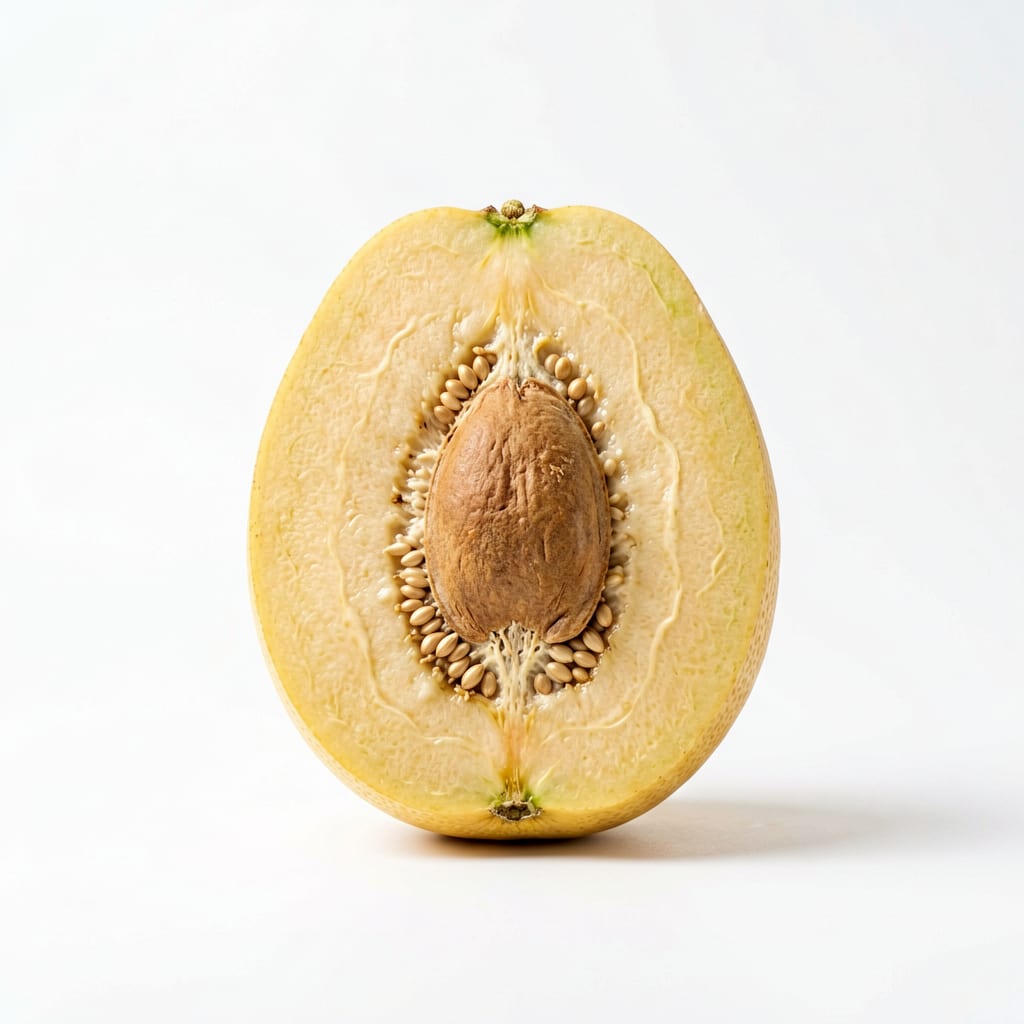
Honeydew

Pineapple
Pineapple wins on nutrients and anti-inflammatory power, but honeydew wins on sugar control and gentle digestion.
Pineapple scores higher due to superior vitamin C, manganese, and bromelain content. Honeydew remains competitive through lower sugar, fewer calories, and broader daily usability.
More vitamins and healing enzymes in pineapple versus steadier blood sugar and easier snacking in honeydew.
At a glance
Executive summary
Overall
It depends
Healthier
Pineapple
More practical
Honeydew
Daily use
Honeydew
Key comparison lenses
sugar and blood sugar management
Both are sweet fruits with notably different sugar loads and glycemic impacts, a primary concern for most users comparing tropical fruits
anti inflammatory and immune benefits
Pineapple's bromelain enzyme creates a unique anti-inflammatory advantage that honeydew cannot match
vitamin and antioxidant density
Pineapple delivers significantly more vitamin C and manganese, making nutrient density a key differentiator
weight management and calorie control
Honeydew's lower calorie and sugar profile makes it more suitable for calorie-conscious snacking
digestive tolerance
Pineapple's bromelain can cause mouth irritation and digestive discomfort in sensitive individuals
Best choice for
Honeydew
- People managing blood sugar or diabetes
- Calorie-conscious snackers
- Those with sensitive stomachs or mouth soreness
- Anyone wanting a light, hydrating fruit
Pineapple
- People seeking immune support and vitamin C
- Those with inflammation or joint issues
- Active individuals needing post-workout recovery
- Anyone wanting digestive enzyme support
Least suitable for
Honeydew
- People needing high vitamin C intake
- Those seeking anti-inflammatory benefits from food
- Anyone looking for bold flavor in recipes
Pineapple
- People strictly limiting sugar intake
- Those with oral sensitivity or mouth sores
- Anyone on blood-thinning medications
Deep comparison
Dimension by dimension
Each lens scores both foods and breaks down who each option suits.
- Dimension 1 · Priority 92Honeydew
sugar_and_blood_sugar_impact
Honeydew · 82Pineapple · 58Honeydew has roughly half the sugar per serving, making it far easier on blood sugar.
Tradeoff
You sacrifice vitamin C and flavor intensity for steadier energy and fewer glucose spikes.
Why it matters
For anyone watching blood sugar, the difference between 8g and 16g of sugar per cup is significant.
Real-world impact
Honeydew won't leave you reaching for another snack 30 minutes later. Pineapple might.
Honeydew
- Steady energy without crashes
- Diabetic-friendly snacking
- Late-night fruit without guilt
Better for
- Less satisfying sweet tooth hit
Worse for
Pineapple
- Quick energy before exercise
- Natural sweetness for desserts
Better for
- Blood sugar spikes in sensitive individuals
- Harder to fit into low-carb plans
Worse for
- Dimension 2 · Priority 88Pineapple
vitamin_and_antioxidant_density
Honeydew · 55Pineapple · 90Pineapple delivers dramatically more vitamin C and is one of the best fruit sources of manganese.
Tradeoff
You get more micronutrients but also more sugar as part of the package.
Why it matters
One cup of pineapple covers over 100% of daily vitamin C needs versus about 30% from honeydew.
Real-world impact
Eating pineapple regularly can meaningfully support immune function and skin health in a way honeydew cannot match.
Honeydew
- Mild hydration-focused nutrition
Better for
- Unlikely to move the needle on vitamin C intake
Worse for
Pineapple
- Strong immune system support
- Better collagen production for skin
- Manganese for bone health
Better for
- Nutrient density comes with higher sugar
Worse for
- Dimension 3 · Priority 86Pineapple
anti_inflammatory_and_therapeutic_value
Honeydew · 35Pineapple · 88Bromelain gives pineapple a unique anti-inflammatory advantage that almost no other common fruit offers.
Tradeoff
Therapeutic enzyme benefits come with potential mouth irritation and medication interactions.
Why it matters
Bromelain has clinical evidence for reducing sinus inflammation, joint pain, and muscle soreness.
Real-world impact
After intense exercise or during allergy season, pineapple can act like a mild natural anti-inflammatory.
Honeydew
- No risk of enzyme-related side effects
Better for
- No meaningful anti-inflammatory enzyme content
Worse for
Pineapple
- Post-workout muscle recovery
- Sinus and respiratory support
- Joint discomfort relief
Better for
- Bromelain can interact with blood thinners
- Mouth and tongue irritation in sensitive people
Worse for
- Dimension 4 · Priority 78Honeydew
digestive_tolerance_and_comfort
Honeydew · 85Pineapple · 60Honeydew is gentle and well-tolerated. Pineapple's bromelain can irritate the mouth and stomach in some people.
Tradeoff
The same enzyme that heals can also irritate, depending on your sensitivity.
Why it matters
If you've ever felt a raw sensation after eating pineapple, that's bromelain actively breaking down tissue.
Real-world impact
Honeydew is a safe bet for sensitive stomachs, kids, and anyone recovering from illness.
Honeydew
- Safe for sensitive stomachs
- No mouth or tongue irritation
- Gentle after illness or surgery
Better for
- No digestive enzyme benefit
Worse for
Pineapple
- Bromelain aids protein digestion when tolerated
Better for
- Common mouth tingling or soreness
- Can aggravate acid reflux
- Uncomfortable for some children
Worse for
- Dimension 5 · Priority 75Honeydew
hydration_and_calorie_efficiency
Honeydew · 88Pineapple · 68Honeydew provides more water and fewer calories per cup, making it a more efficient hydrating snack.
Tradeoff
Fewer calories means fewer nutrients too, so you need volume to match pineapple's micronutrient punch.
Why it matters
At about 60 calories per cup versus 82 for pineapple, honeydew lets you eat more volume for less caloric cost.
Real-world impact
On hot days or during calorie deficits, honeydew feels lighter and more refreshing per bite.
Honeydew
- Lower calorie snacking
- Better volume-to-calorie ratio
- Refreshing in hot weather
Better for
- Lower nutrient density per serving
Worse for
Pineapple
- More nutrients per calorie if you can afford the extra energy
Better for
- Higher calorie cost for the same volume
Worse for
- Dimension 6 · Priority 70Pineapple
culinary_versatility_and_flavor
Honeydew · 55Pineapple · 85Pineapple's bold flavor and enzyme activity make it far more versatile in cooking, baking, and marinades.
Tradeoff
Stronger flavor means pineapple dominates dishes, while honeydew fades into the background.
Why it matters
Bromelain tenderizes meat, pineapple caramelizes beautifully, and its acidity balances rich foods.
Real-world impact
Pineapple works in stir-fries, salsas, smoothies, grilled dishes, and desserts. Honeydew is mostly a standalone snack.
Honeydew
- Neutral flavor pairs with anything
- Easy addition to fruit salads without overpowering
Better for
- Boring in cooked applications
- Does not contribute much to complex dishes
Worse for
Pineapple
- Marinades and tenderizing
- Bold smoothie flavor
- Grilled or caramelized applications
- Salsas and savory pairings
Better for
- Can overpower delicate flavors
- Enzymes prevent gelatin from setting
Worse for
Timeline
Health impact over time
Short-term
Hours to days
Honeydew
- Quick hydration without sugar crash
- Gentle on empty stomach
- Unlikely to cause digestive discomfort
Pineapple
- Rapid blood sugar increase from higher sugar content
- Possible mouth or tongue tingling from bromelain
- Immediate immune support from high vitamin C
Long-term
Months to years
Honeydew
- Consistent low-sugar fruit option supports metabolic health
- Potassium helps maintain healthy blood pressure
- Unlikely to contribute to sugar-related health issues
Pineapple
- Regular bromelain intake may reduce chronic inflammation
- Sustained high vitamin C supports skin and immune health
- Manganese contributes to bone density over time
- Higher sugar load requires mindful portion control
Risk profile
Safety & processing
Both fruits are consumed in their natural state with minimal processing. Canned pineapple often adds syrup, so choose fresh or packed in juice.
Honeydew
Salmonella on rind
lowSurface contamination can transfer to flesh when cutting. Always wash the rind before slicing.
Pineapple
Bromelain irritation
mediumCan cause mouth burning, tongue soreness, or digestive upset. Cooking or grilling neutralizes the enzyme.
Blood thinner interaction
mediumBromelain has mild anticoagulant effects. Consult a doctor if taking warfarin or similar medications.
Oral allergy syndrome
lowSome individuals with latex allergy experience cross-reactive itching or swelling with pineapple.
Who wins for whom
Audience fit
Same foods, different winners depending on your goal.
children
HoneydewMilder flavor and no mouth irritation risk make honeydew more kid-friendly and easier for young digestive systems.
daily consumption
HoneydewLower sugar and fewer side effects make honeydew easier to eat every day without accumulation concerns.
diabetes
HoneydewRoughly half the sugar per serving and a gentler glycemic impact make honeydew the safer choice for blood sugar management.
elderly
It dependsHoneydew is gentler on digestion, but pineapple's anti-inflammatory and immune benefits are valuable for aging bodies. Choose based on individual tolerance.
muscle gain
PineappleMore vitamin C for collagen synthesis and bromelain for post-workout inflammation reduction support recovery better.
weight loss
HoneydewLower calories and sugar per cup make honeydew easier to fit into a calorie deficit without triggering cravings.
Your move
Decision guide
Choose Honeydew
- You are managing blood sugar, diabetes, or insulin resistance
- You want a low-calorie hydrating snack
- You or your kids have sensitive mouths or stomachs
- You eat fruit multiple times daily and need a low-sugar option
Choose Pineapple
- You want maximum vitamin C and immune support
- You struggle with inflammation, joint pain, or sinus issues
- You need a flavorful cooking ingredient for savory or sweet dishes
- You are an active person wanting natural recovery support
Either works if
- You simply want refreshing fruit on a hot day
- You are rotating fruits for dietary variety
- You have no specific health concerns and enjoy both flavors
Avoid both if
- You are on a strict very-low-carb or ketogenic diet
- You have fructose intolerance or malabsorption issues
- You need high-protein snacks for satiety
Final recommendation
Keep both in rotation. Use honeydew for everyday low-sugar snacking and hydration. Reach for pineapple when you need immune support, anti-inflammatory benefits, or bold flavor in cooking. If you must pick one for daily use, honeydew is the safer long-term choice.
Practical
Consumer tips
- 1
Choose honeydew that feels heavy for its size and has a smooth, pale rind with slight softness at the blossom end
- 2
Look for pineapple with a sweet smell at the base and leaves that pull out easily when ripe
- 3
If pineapple makes your mouth sore, try grilling it or soaking chunks in salt water to neutralize bromelain
- 4
Canned pineapple loses most bromelain during processing, so choose fresh for anti-inflammatory benefits
- 5
Freeze honeydew cubes for a refreshing low-sugar alternative to popsicles in summer
- 6
Pair pineapple with protein like Greek yogurt to blunt the blood sugar spike from its higher sugar content