
Nutrition comparison
Honeydew vs Pear: Which Fruit Is Better for Weight Loss, Satiety, and Blood Sugar?
Compare honeydew and pear on fiber, calories, hydration, and blood sugar impact. Find out which fruit keeps you full longer and which is better for your specific health goals.
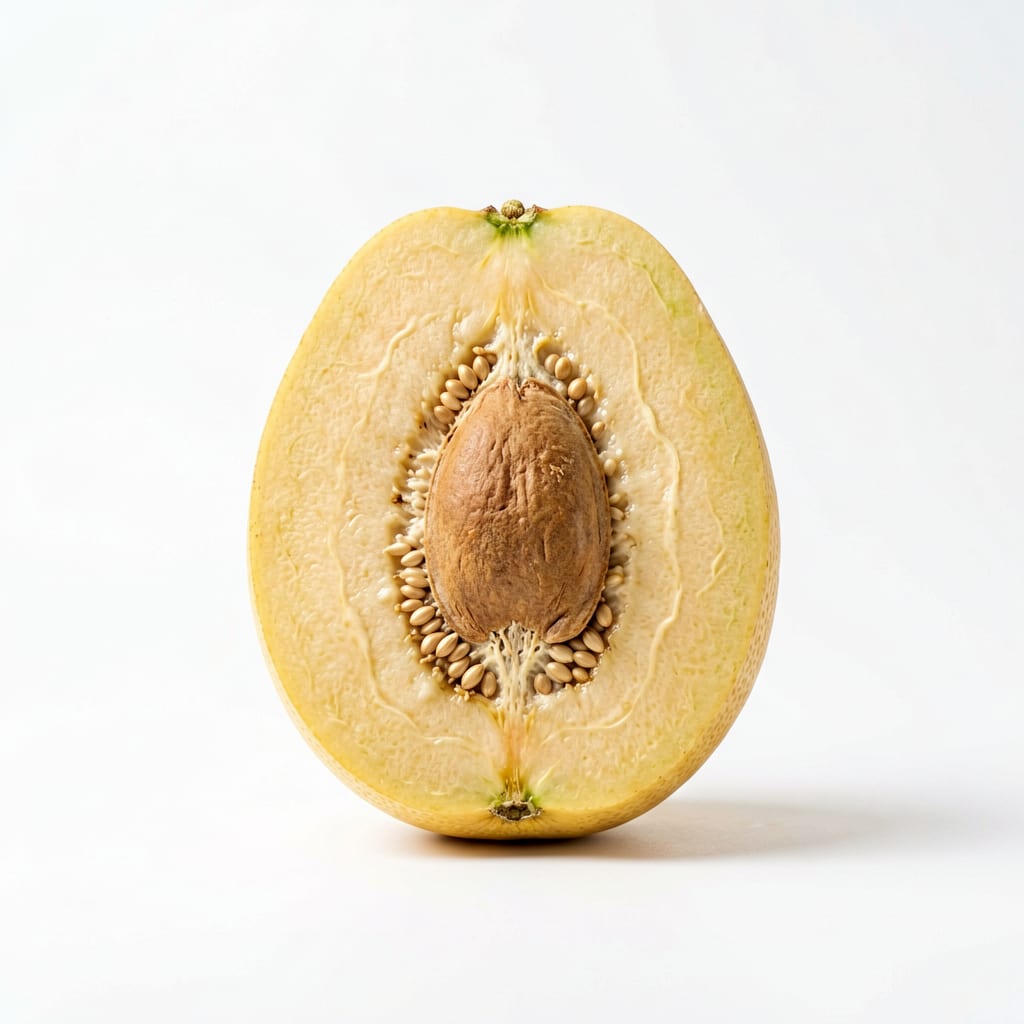
Honeydew
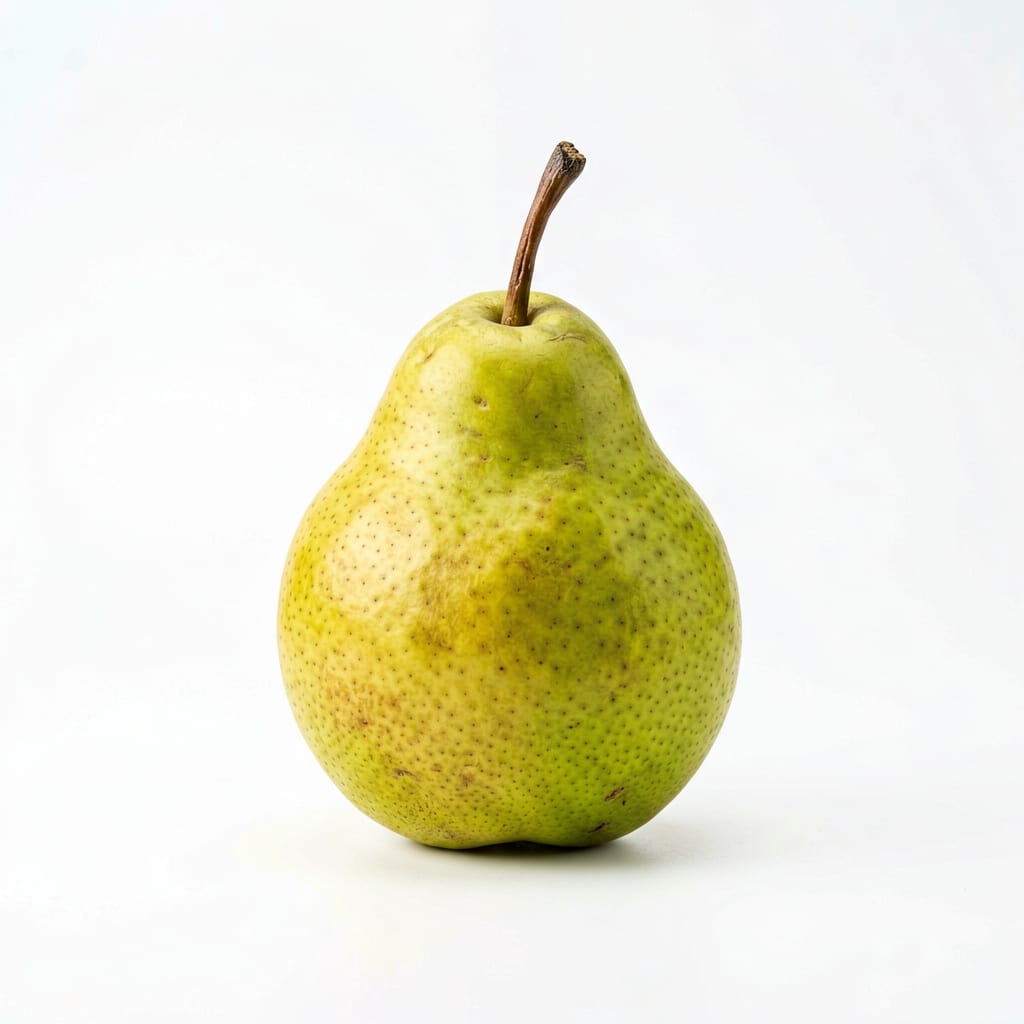
Pear
Pears fill you up longer and support digestion; honeydew is lighter, more hydrating, and lower in calories per bite.
Pears score higher overall due to superior fiber, satiety, and digestive benefits. Honeydew remains strong for hydration and low calorie density but is less nutritionally complete per serving.
Satiety and fiber versus hydration and lower calorie density — pears keep you full, honeydew keeps you refreshed.
At a glance
Executive summary
Overall
It depends
Healthier
Pear
More practical
Pear
Daily use
Pear
Key comparison lenses
Which fruit is better for weight loss and satiety
Both are popular snack fruits, but fiber and calorie density differ significantly, directly impacting fullness and portion control
Blood sugar management and diabetes-friendliness
Sugar content and fiber ratios differ enough to matter for anyone monitoring glucose
Digestive health and gut regularity
Pear's fiber advantage makes it notably better for digestion and gut health
Hydration and light snacking
Honeydew is exceptionally water-rich, making it a unique choice for hot weather or post-exercise refreshment
Everyday convenience and portability
Whole pears travel well; honeydew requires cutting and refrigeration
Best choice for
Honeydew
- People wanting a low-calorie, hydrating snack
- Hot weather or post-workout refreshment
- Those who find high-fiber foods uncomfortable
- Anyone counting calories closely
- People who prefer lighter, less filling snacks between meals
Pear
- People prioritizing digestive regularity
- Anyone needing long-lasting satiety from a snack
- Those managing blood sugar who benefit from fiber slowing glucose absorption
- People seeking a portable, no-prep fruit
- Anyone wanting to feel full on fewer total daily calories
Least suitable for
Honeydew
- People who need a snack that actually keeps them full for hours
- Anyone prone to overeating because they did not feel satisfied
- Those looking for significant fiber intake from fruit
Pear
- People with sensitive digestion who find high-fiber fruits cause bloating
- Those wanting maximum volume for minimum calories
- Anyone who finds pears too filling or heavy as a light snack
Deep comparison
Dimension by dimension
Each lens scores both foods and breaks down who each option suits.
- Dimension 1 · Priority 95Pear
Satiety & Fullness
Honeydew · 45Pear · 82Pears are significantly more filling thanks to roughly six times more fiber per serving. Honeydew's high water content fills your stomach temporarily but that fullness fades quickly.
Tradeoff
Honeydew feels light and refreshing but you will be hungry again sooner. Pears keep you satisfied for much longer but may feel heavy if you want something light.
Why it matters
Satiety is the single biggest factor in whether a snack actually prevents overeating later. A fruit that leaves you hungry in 30 minutes can backfire.
Real-world impact
Eat honeydew at 3pm and you may be raiding the pantry by 3:45. Eat a pear and you will likely make it to dinner without thinking about food.
Honeydew
- Light snacking when you do not want to feel heavy
- Post-meal refreshment rather than hunger prevention
Better for
- Replacing a substantive snack when you are genuinely hungry
Worse for
Pear
- Bridging long gaps between meals
- Preventing afternoon energy crashes and cravings
Better for
- Moments when you want something light and easy on the stomach
Worse for
- Dimension 2 · Priority 88Pear
Blood Sugar Stability
Honeydew · 55Pear · 72Pears have more sugar per serving but also much more fiber, which slows sugar absorption. Honeydew has less sugar but almost no fiber to buffer the glucose response.
Tradeoff
Less total sugar in honeydew but faster absorption. More sugar in pears but significantly slower release into the bloodstream.
Why it matters
Fiber-to-sugar ratio matters more than total sugar alone. A high-fiber fruit with more sugar often causes a gentler blood sugar curve than a low-fiber fruit with less sugar.
Real-world impact
Honeydew can cause a quicker blood sugar rise and drop, leaving you tired 45 minutes later. A pear gives you steadier energy for longer.
Honeydew
- Small portions when blood sugar is already stable
- Quick energy before short activity
Better for
- Large portions on an empty stomach for blood sugar-sensitive people
Worse for
Pear
- Sustained energy without the crash
- Diabetes-friendly snacking with fiber buffering
Better for
- Very large ripe pears can still spike sugar despite the fiber
Worse for
- Dimension 3 · Priority 78Honeydew
Hydration & Refreshment
Honeydew · 90Pear · 55Honeydew is roughly 90% water and feels like eating flavored hydration. Pears are moist but not in the same league for water content.
Tradeoff
Honeydew excels at hydration but delivers less nutrition per bite. Pears are denser in nutrients but will not quench thirst the same way.
Why it matters
In hot weather or after exercise, a water-rich fruit can supplement fluid intake meaningfully. This is honeydew's strongest advantage.
Real-world impact
After a summer run, a bowl of cold honeydew feels like recovery. A pear feels like a snack.
Honeydew
- Post-workout refreshment
- Hot weather snacking
- Increasing daily fluid intake through food
Better for
- When you need caloric and nutritional substance, not just water
Worse for
Pear
- Situations where hydration from food is not a priority
Better for
- Rehydration after sweating or heat exposure
Worse for
- Dimension 4 · Priority 82Pear
Digestive Health
Honeydew · 35Pear · 85A single pear provides about 5-6 grams of fiber, roughly a fifth of your daily needs. Honeydew provides less than 1 gram per serving, making it nearly irrelevant for digestive health.
Tradeoff
Pears actively support gut health and regularity. Honeydew is gentle on the stomach but does not contribute meaningfully to fiber goals.
Why it matters
Most people are chronically under-consuming fiber. Choosing a high-fiber fruit daily can compound into real digestive improvements over weeks and months.
Real-world impact
Eat a pear a day and you may notice more regular digestion within a week. Eat honeydew daily and your fiber intake barely changes.
Honeydew
- People with irritable bowel who need low-fiber options during flare-ups
Better for
- Contributing to chronic low fiber intake
Worse for
Pear
- Anyone struggling with irregularity
- Building daily fiber intake toward recommended levels
- Gut microbiome support through prebiotic fiber
Better for
- Acute digestive sensitivity when fiber is irritating
Worse for
- Dimension 5 · Priority 72Honeydew
Calorie Efficiency
Honeydew · 82Pear · 62Honeydew delivers more volume and water per calorie, making it feel like you are eating more for less. Pears are denser — more nutritious but more caloric per bite.
Tradeoff
Honeydew lets you eat a larger volume for fewer calories. Pears give you more nutrition per calorie but less total volume.
Why it matters
For strict calorie counters, volume eating can psychologically feel more satisfying even if physical satiety is lower.
Real-world impact
You can eat two cups of honeydew for roughly the same calories as one medium pear. The honeydew looks like more food on the plate.
Honeydew
- Volume eaters who want large portions
- Strict calorie budgeting
Better for
- High volume without lasting satisfaction can lead to eating again sooner
Worse for
Pear
- Getting more total nutrition within a reasonable calorie budget
Better for
- Feeling like a small snack for the calorie cost
Worse for
- Dimension 6 · Priority 65Pear
Convenience & Portability
Honeydew · 40Pear · 80Whole pears go in a bag and travel well. Honeydew must be cut, stored, and kept cold — it is messy and impractical on the go.
Tradeoff
Pears are grab-and-go. Honeydew requires preparation and refrigeration, limiting when and where you can eat it.
Why it matters
The best snack is the one you actually eat. Convenience often determines whether a healthy choice happens at all.
Real-world impact
Toss a pear in your work bag in the morning and it is ready at noon. Honeydew needs a container, a fridge, and a spoon.
Honeydew
- Home snacking with refrigeration available
- Pre-planned meals and fruit salads
Better for
- On-the-go lifestyles
- Anyone who will not prep fruit in advance
Worse for
Pear
- Commuting and travel
- Office snacks without prep
- Packing in lunchboxes
Better for
- Situations where you have no access to fresh whole fruit
Worse for
Timeline
Health impact over time
Short-term
Hours to days
Honeydew
- Quick hydration boost after exercise or heat exposure
- Light refreshing feeling without heaviness
- Possible faster blood sugar rise if eaten in large amounts on empty stomach
- Hunger returning within 30-60 minutes
Pear
- Noticeable fullness within 15-20 minutes
- Steadier energy without sharp crashes
- Possible mild bloating if you are not used to high-fiber foods
- Reduced urge to snack for 2-3 hours
Long-term
Months to years
Honeydew
- Chronic low fiber intake if relied on as primary fruit
- Good hydration habits supporting kidney and skin health
- Lower total calorie intake if replacing higher-calorie snacks
- Possible persistent hunger patterns leading to overeating other foods
Pear
- Improved digestive regularity within weeks
- Better blood sugar management over months
- Higher daily fiber intake supporting heart health and cholesterol
- More stable appetite patterns reducing overall calorie intake
Risk profile
Safety & processing
Both honeydew and pears are whole, unprocessed fruits with no additives. Neither has processing concerns. The only consideration is that pre-cut honeydew from stores may have reduced vitamin C content from oxidation.
Honeydew
Surface contamination from cutting
mediumHoneydew requires cutting through a rind that can carry bacteria. Pre-cut melon has been linked to foodborne illness outbreaks more than most fruits.
Pesticide residue
lowHoneydew rind is not eaten, reducing exposure. Still, washing before cutting is important.
Pear
Pesticide residue on skin
mediumPears often appear on updated dirty dozen lists. If you eat the skin, which you should for fiber, choosing organic reduces exposure significantly.
Bruising and spoilage
lowPears bruise easily and overripe pears can ferment, causing minor digestive discomfort.
Who wins for whom
Audience fit
Same foods, different winners depending on your goal.
children
PearPears are easier for kids to hold, eat, and pack for school. Honeydew needs cutting and is messier. Both are kid-friendly in taste, but pears win on practicality.
daily consumption
PearDaily pear consumption builds fiber intake and supports regularity. Daily honeydew is pleasant but does not move the needle on fiber or sustained satiety.
diabetes
PearPear's fiber significantly slows sugar absorption, leading to a gentler glycemic response. Honeydew's low fiber means sugar enters the bloodstream more quickly despite having less total sugar.
elderly
PearOlder adults benefit most from fiber for digestive regularity. Pears deliver this consistently. Honeydew's soft texture is also easy to eat but does not address the fiber gap common in elderly diets.
muscle gain
It dependsNeither fruit is relevant for muscle gain. Both provide minimal protein. Choose based on personal preference for carb energy around workouts.
weight loss
PearPears keep you full longer, which prevents compensatory snacking. Honeydew's low calories look good on paper but the hunger rebound can undermine weight loss efforts.
Your move
Decision guide
Choose Honeydew
- You want maximum hydration and refreshment, especially in warm weather
- You are counting calories strictly and prefer volume eating
- You find high-fiber fruits cause bloating or discomfort
- You are eating fruit as a light palate cleanser after a meal, not as a hunger solution
Choose Pear
- You want a snack that actually keeps you full for hours
- You are trying to increase your daily fiber intake meaningfully
- You need a portable fruit that requires zero preparation
- You are managing blood sugar and want slower glucose absorption
- You want one fruit a day that supports digestive regularity
Either works if
- You just want a healthy whole fruit and both are available
- You are rotating fruits for dietary variety, which is ideal
- Neither choice is bad — both are whole, unprocessed foods
Avoid both if
- You need a protein-rich snack and are treating fruit as a meal replacement
- You have fructose intolerance and react to both fruits similarly
- You are on a very low-carb or ketogenic diet
Final recommendation
Make pears your everyday fruit for fiber, fullness, and blood sugar stability. Add honeydew when you specifically want hydration and refreshment, especially in summer. If you can only pick one for daily eating, pears deliver more that your body actually needs long-term.
Practical
Consumer tips
- 1
Wash honeydew rind thoroughly before cutting — bacteria on the surface can be pushed into the flesh by the knife
- 2
Choose organic pears if you eat the skin, which you should for maximum fiber benefit
- 3
Let pears ripen at room temperature until slightly soft near the stem, then refrigerate to hold ripeness
- 4
Pre-cut honeydew loses vitamin C quickly — cut it fresh when possible
- 5
Pair honeydew with a protein source like cottage cheese to compensate for its low satiety
- 6
A slightly underripe pear has a lower glycemic impact and more resistant starch, which feeds gut bacteria