
Nutrition comparison
Honeydew vs Papaya: Which Fruit Is Healthier for You?
Compare honeydew and papaya nutrition, digestion benefits, vitamin content, and safety. Find out which tropical fruit better fits your health goals and lifestyle.
Overall winner · Papaya
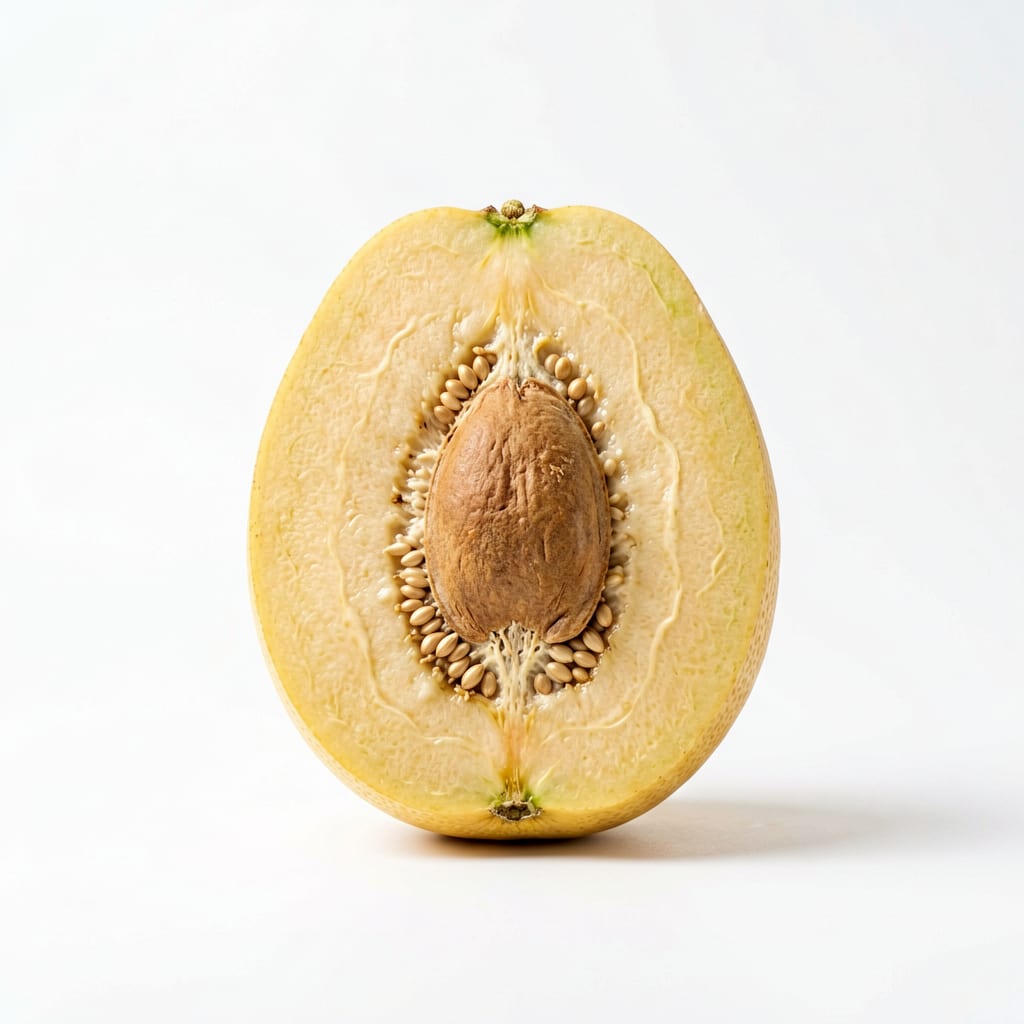
Honeydew
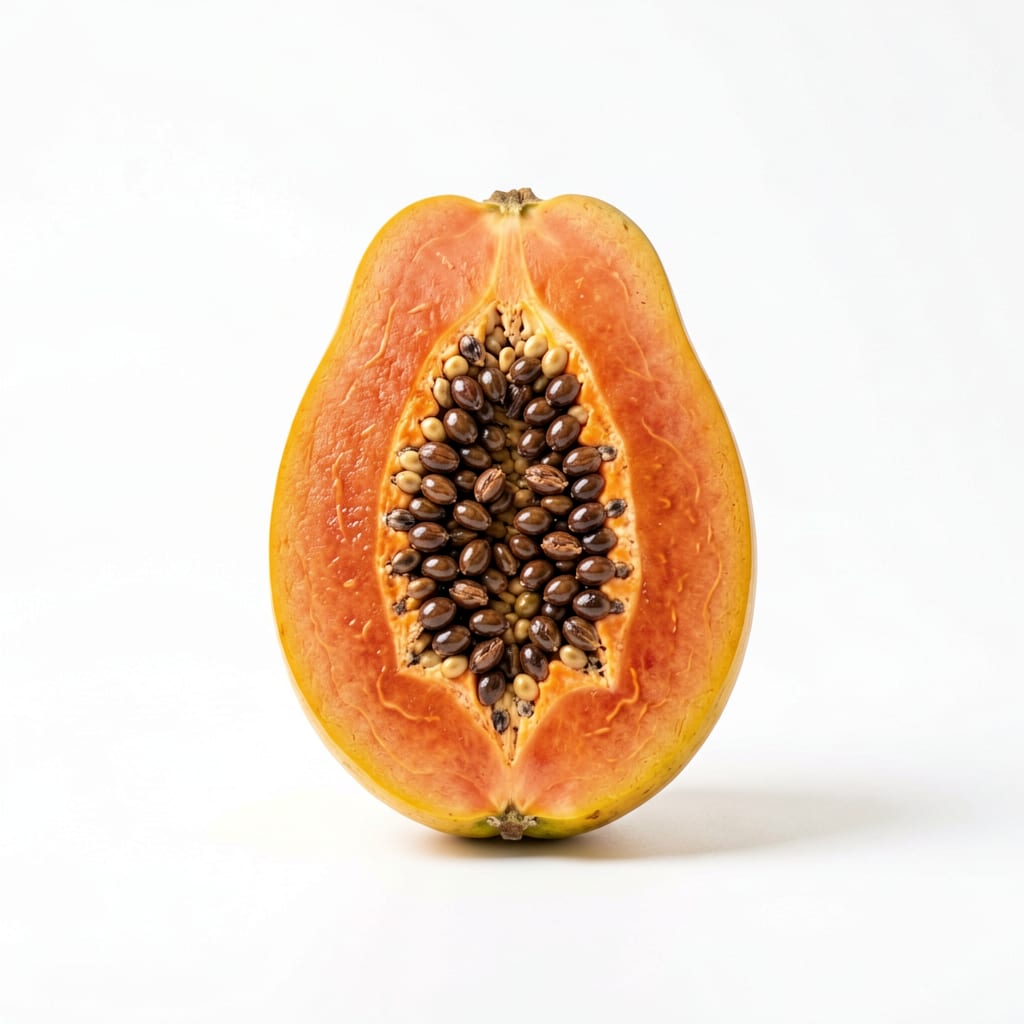
Papaya
Papaya wins on nutritional firepower and digestive benefits, while honeydew offers a lighter, more hydrating experience with fewer allergy concerns.
Papaya scores notably higher due to its superior vitamin content, digestive enzymes, and antioxidant density. Honeydew remains a solid choice for hydration and safety but offers less nutritional impact per serving.
Papaya gives you far more vitamins, enzymes, and antioxidants but carries latex-allergy risk and GMO uncertainty. Honeydew is safer and more hydrating but nutritionally milder.
At a glance
Executive summary
Overall
Papaya
Healthier
Papaya
More practical
Honeydew
Daily use
It depends
Key comparison lenses
digestive health
Papaya contains papain, a powerful digestive enzyme that honeydew lacks, making this a key differentiator for gut-sensitive users
vitamin density
Papaya delivers dramatically more vitamin C and vitamin A, while honeydew offers milder nutrition with higher water content
low calorie snacking
Both are low-calorie fruits, but honeydew's slightly lower calorie count and higher water content make it a go-to for volume eaters
allergy and safety
Papaya carries latex-allergy cross-reactivity risk and GMO concerns that honeydew does not
antioxidant protection
Papaya's lycopene and beta-carotene content far exceeds honeydew's antioxidant profile
Best choice for
Honeydew
- People with latex allergies who need to avoid cross-reactive fruits
- Volume eaters wanting maximum food quantity for minimal calories
- Those seeking a mild-flavored hydrating fruit for hot weather
- Anyone wanting a simple, low-risk everyday snack
Papaya
- People with digestive issues who benefit from natural enzymes
- Anyone wanting to boost vitamin C and A intake significantly
- Those focused on anti-inflammatory and antioxidant protection
- Post-meal fruit eaters looking to ease digestion
Least suitable for
Honeydew
- People needing digestive enzyme support
- Anyone looking to maximize vitamin intake per calorie
- Those wanting strong antioxidant protection from fruit
Papaya
- People with latex-fruit syndrome or latex allergies
- Those avoiding GMO foods without verified organic sourcing
- Anyone sensitive to tropical fruit sugars
Deep comparison
Dimension by dimension
Each lens scores both foods and breaks down who each option suits.
- Dimension 1 · Priority 92Papaya
digestive_support
Honeydew · 45Papaya · 93Papaya contains papain, a proteolytic enzyme that breaks down protein and eases digestion. Honeydew offers no comparable digestive benefit.
Tradeoff
Honeydew is gentler and less likely to cause any digestive upset, while papaya actively improves digestion but may cause discomfort if eaten in excess.
Why it matters
If you regularly feel bloated after meals, papaya after eating can meaningfully reduce discomfort. Honeydew simply won't provide that benefit.
Real-world impact
Eating papaya after a heavy protein meal can reduce that stuffed, sluggish feeling within 20-30 minutes. Honeydew would just add water volume.
Honeydew
- People with extremely sensitive digestion who react to enzymes
- Anyone wanting a neutral stomach-friendly fruit
Better for
- Active digestive support is absent
Worse for
Papaya
- Post-meal digestive support
- Anyone with occasional bloating
- People with low stomach acid
Better for
- Overconsumption may cause loose stools
Worse for
- Dimension 2 · Priority 88Papaya
vitamin_and_antioxidant_density
Honeydew · 48Papaya · 91Papaya delivers over 3x more vitamin C, significantly more vitamin A, and notable lycopene. Honeydew provides modest vitamin C and potassium but lacks the antioxidant depth.
Tradeoff
Papaya packs far more immune-supporting and anti-inflammatory nutrients per serving. Honeydew is nutritionally adequate but unremarkable.
Why it matters
One cup of papaya covers your entire daily vitamin C needs. You would need over three cups of honeydew to match that.
Real-world impact
During cold season, a daily papaya serving gives your immune system real material to work with. Honeydew keeps you hydrated but won't move the needle on immunity.
Honeydew
- Those who get vitamins from other sources and just want light hydration
Better for
- Low overall vitamin impact per serving
Worse for
Papaya
- Immune system support
- Skin health through vitamin C and A
- Anti-inflammatory diets
- Antioxidant protection against cellular stress
Better for
- Vitamin A content may be excessive if already supplementing
Worse for
- Dimension 3 · Priority 75Honeydew
hydration_and_calorie_efficiency
Honeydew · 84Papaya · 72Honeydew has slightly fewer calories per cup and higher water content, making it more efficient for volume eating and hydration.
Tradeoff
Honeydew lets you eat more volume for fewer calories but delivers less nutritional value per bite. Papaya is slightly denser but far more nutrient-rich per calorie.
Why it matters
If you are counting calories and want to feel full on fruit alone, honeydew gives you more physical food per calorie.
Real-world impact
A large bowl of honeydew cubes feels like a substantial snack for under 60 calories. The same volume of papaya costs more calories but pays you back in vitamins.
Honeydew
- Volume eaters on calorie budgets
- Hot weather hydration
- Large portion snackers
Better for
- Lower nutrient return per calorie
Worse for
Papaya
- Nutrient-per-calorie optimizers
- Smaller portion eaters who need density
Better for
- Slightly higher calorie cost for the same volume
Worse for
- Dimension 4 · Priority 70Honeydew
allergy_and_safety_profile
Honeydew · 88Papaya · 58Honeydew has minimal allergy risk. Papaya cross-reacts with latex allergies and many commercial papayas are GMO, raising concerns for some consumers.
Tradeoff
Honeydew is the safer bet for allergy-prone individuals and those avoiding GMOs. Papaya requires more careful sourcing and awareness.
Why it matters
If you have a latex allergy, eating papaya can trigger oral allergy syndrome or worse. This is not a theoretical risk for affected individuals.
Real-world impact
Someone with latex allergy could experience mouth itching or swelling from papaya. Honeydew poses virtually no such risk.
Honeydew
- Latex-allergy sufferers
- GMO-avoidant consumers without organic access
- People with multiple fruit allergies
Better for
- No significant safety downsides
Worse for
Papaya
- Non-allergic individuals with no latex sensitivity
Better for
- Latex-fruit syndrome cross-reactivity
- GMO concerns with conventional Hawaiian papaya
- Possible digestive overstimulation
Worse for
- Dimension 5 · Priority 65It depends
blood_sugar_impact
Honeydew · 70Papaya · 68Both fruits have moderate glycemic loads and are generally blood-sugar friendly. Papaya has slightly more fiber which helps, but also slightly more sugar per serving.
Tradeoff
The difference is minimal. Papaya's extra fiber slightly offsets its higher sugar content. Neither fruit causes dramatic blood sugar spikes in normal portions.
Why it matters
For most people watching blood sugar, both fruits are safe in reasonable portions. The distinction only matters at the margins.
Real-world impact
A cup of either fruit paired with a protein source creates a balanced snack. Neither will cause a crash on its own for most people.
Honeydew
- Those who prefer slightly lower sugar per serving
- People who eat fruit alone without pairing
Better for
- Less fiber to slow sugar absorption
Worse for
Papaya
- Those who pair fruit with protein or fat, negating the small sugar difference
Better for
- Slightly higher sugar content per serving
Worse for
Timeline
Health impact over time
Short-term
Hours to days
Honeydew
- Quick hydration from high water content
- Mild blood sugar rise that settles fairly fast
- Light, refreshing feeling without digestive stimulation
Papaya
- Noticeable digestive easing after protein-heavy meals
- Rapid vitamin C absorption supporting immediate immune function
- Possible mild stomach upset if eaten in large quantities on an empty stomach
Long-term
Months to years
Honeydew
- Consistent hydration support for skin and kidney health
- Modest potassium intake supporting blood pressure maintenance
- Low risk of any adverse accumulation or sensitivity
Papaya
- Sustained anti-inflammatory benefits from lycopene and beta-carotene
- Improved digestive regularity from papain and fiber combined
- Potential immune resilience from consistently high vitamin C intake
- Latex allergy sensitization risk with frequent exposure in susceptible individuals
Risk profile
Safety & processing
Both honeydew and papaya are whole, unprocessed fruits typically eaten raw. Neither carries processing concerns unless purchased pre-cut, which introduces oxidation and potential surface contamination.
Honeydew
Surface contamination from pre-cut packaging
mediumPre-cut honeydew has been linked to listeria outbreaks. Whole melon with washed rind is significantly safer.
Pesticide residue on rind
lowHoneydew rind can trap pesticide residue. Washing before cutting reduces transfer to flesh.
Papaya
Latex-fruit syndrome cross-reactivity
highPapaya contains chitinase enzymes that cross-react with latex antibodies. Reactions range from oral itching to anaphylaxis in severely allergic individuals.
GMO papaya exposure
mediumMost Hawaiian papaya is Rainbow GMO variety. While deemed safe by regulators, some consumers prefer to avoid GMOs. Organic or Caribbean papaya avoids this concern.
Unripe papaya latex concerns
mediumUnripe papaya contains high concentrations of papaya latex which can stimulate uterine contractions. Pregnant women should avoid unripe papaya specifically.
Who wins for whom
Audience fit
Same foods, different winners depending on your goal.
children
HoneydewHoneydew's milder flavor, lower allergy risk, and gentle digestion make it a safer introduction fruit for kids. Papaya's stronger taste and latex cross-reactivity add unnecessary risk.
daily consumption
It dependsHoneydew is safer for daily use if you have any latex sensitivity. Papaya is more beneficial daily if you tolerate it well and want the enzyme and vitamin advantages.
diabetes
It dependsBoth have similar glycemic impacts. Papaya's extra fiber offers a slight advantage, but honeydew's marginally lower sugar content balances the comparison. Portion control matters more than fruit choice.
elderly
PapayaPapaya's digestive enzymes help offset age-related digestive decline, and its superior vitamin content supports immune function and eye health in older adults.
muscle gain
It dependsNeither fruit is a muscle-building food. Papaya's digestive enzymes may slightly improve protein absorption from meals, but the difference is marginal.
weight loss
HoneydewHoneydew's lower calorie density and higher water content allow larger portions for fewer calories, making it easier to stay in a deficit while feeling satisfied.
Your move
Decision guide
Choose Honeydew
- You have a latex allergy or sensitivity to tropical fruits
- You want maximum food volume for minimum calories
- You prefer mild, refreshing flavors over tropical intensity
- You are feeding fruit to young children
- You want a low-risk everyday fruit without research required
Choose Papaya
- You struggle with digestion or bloating after meals
- You want to maximize your vitamin C and A intake from food
- Anti-inflammatory and antioxidant benefits are a priority
- You enjoy bold tropical flavor and can source organic papaya
- You are elderly and want digestive and immune support
Either works if
- You just want a hydrating, low-calorie afternoon snack
- Blood sugar management is your main concern, as both are comparable
- You already eat a varied fruit diet and rotate options
Avoid both if
- You are on a strict very-low-carb or ketogenic diet
- You have fructose intolerance or malabsorption issues
- You need high-protein foods and are filling up on fruit instead
Final recommendation
Choose papaya if you tolerate it well, as its digestive enzymes, vitamin density, and antioxidant profile make it the more impactful fruit for daily health. Opt for honeydew if you have latex allergy concerns, prefer lighter eating, or want a safer fruit for children. Both are excellent choices that outperform most processed snacks.
Practical
Consumer tips
- 1
Buy whole honeydew instead of pre-cut to avoid listeria risk and save money
- 2
Wash honeydew rind thoroughly before cutting to prevent pesticide transfer
- 3
Choose organic or Caribbean papaya if you want to avoid GMO varieties
- 4
Let papaya ripen fully before eating for best flavor and lowest latex content
- 5
Pair either fruit with a handful of nuts or Greek yogurt to stabilize blood sugar
- 6
Pregnant women should only eat fully ripe papaya and avoid unripe green papaya entirely
- 7
Freeze papaya chunks for smoothies that deliver enzyme benefits in blended form