
Nutrition comparison
Honeydew vs Mango: Which Fruit Is Better for Your Health Goals?
Compare honeydew and mango on sugar, calories, vitamins, and more. Find out which fruit fits your diet — whether you're watching blood sugar, counting calories, or maximizing nutrients.

Honeydew
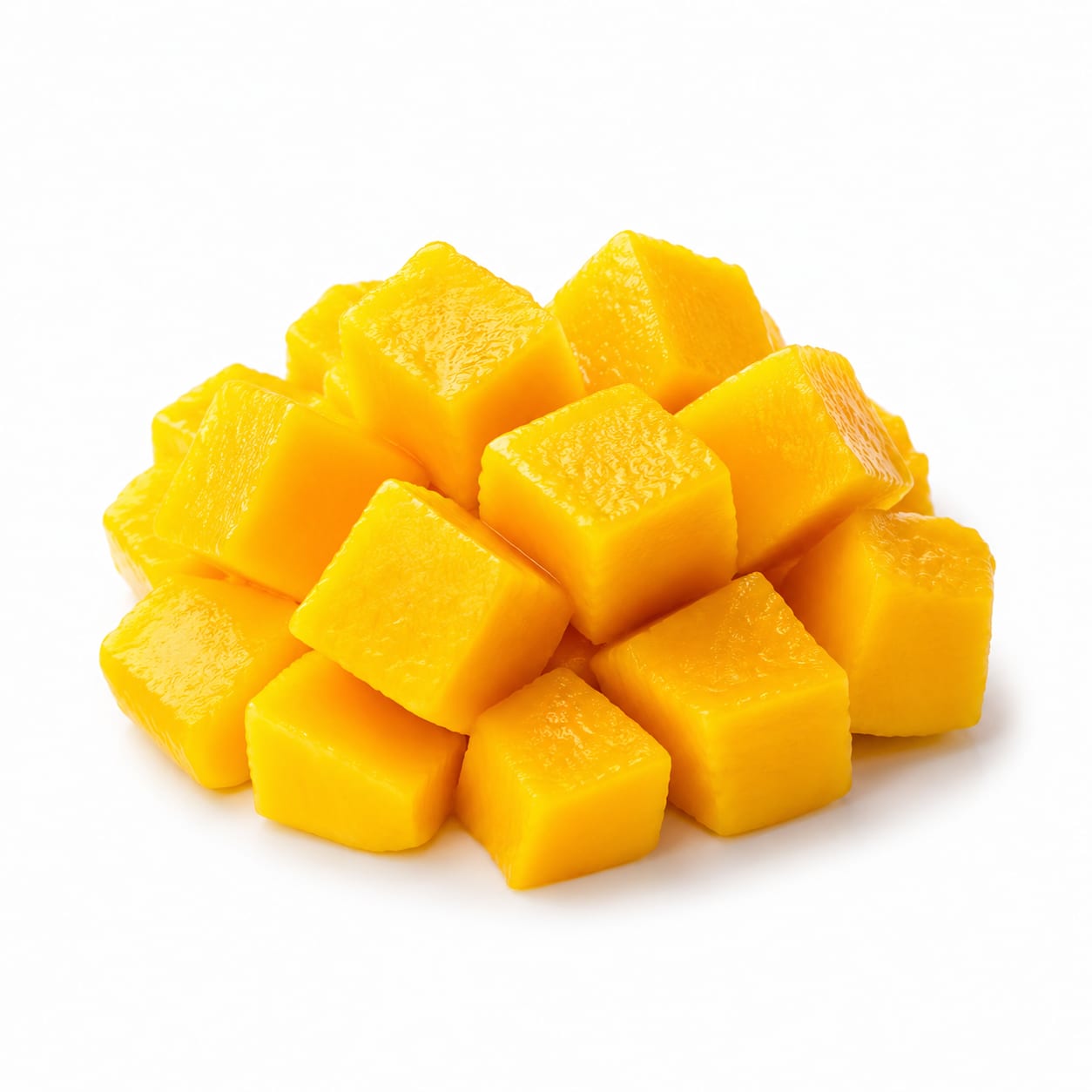
Mango
Mango wins on nutrients and flavor satisfaction; honeydew wins on low sugar, hydration, and calorie control.
Mango scores higher overall due to superior nutrient density and satisfaction value, but honeydew stays competitive because of its low sugar and calorie advantage. The right pick depends entirely on your priorities.
Mango gives you more vitamins, antioxidants, and indulgence but at nearly double the sugar and calories. Honeydew is the lighter, safer daily pick but nutritionally thinner.
At a glance
Executive summary
Overall
It depends
Healthier
It depends
More practical
Honeydew
Daily use
Honeydew
Key comparison lenses
sugar and blood sugar management
Mango has significantly more sugar per serving, making glycemic impact the most critical differentiator for everyday fruit choices
vitamin and antioxidant density
Mango delivers far more vitamin A, folate, and unique antioxidants, while honeydew offers more vitamin K — a clear nutrient tradeoff
calorie efficiency for weight management
Honeydew is roughly half the calories per cup, which matters for anyone tracking intake
hydration and light snacking
Honeydew's higher water content makes it the go-to for refreshing, light eating
flavor satisfaction and cravings
Mango's intense sweetness and richness can satisfy dessert cravings more effectively than honeydew's mild profile
Best choice for
Honeydew
- People watching their sugar intake
- Anyone counting calories
- Those who prefer light, hydrating snacks
- People with diabetes or insulin resistance
- Anyone eating fruit multiple times per day
Mango
- People needing more vitamin A for eye health
- Anyone wanting a satisfying dessert alternative
- Pregnant women needing folate
- Those seeking antioxidant-rich foods
- Active individuals who can afford the extra calories
Least suitable for
Honeydew
- People looking for rich, indulgent fruit flavor
- Anyone needing high vitamin A intake
- Those recovering from illness needing calorie-dense foods
- People who find mild fruit unappealing and may skip fruit altogether
Mango
- People strictly limiting sugar
- Anyone on a low-calorie diet
- Those with diabetes who need low-glycemic options
- People prone to overeating sweet foods
Deep comparison
Dimension by dimension
Each lens scores both foods and breaks down who each option suits.
- Dimension 1 · Priority 92Honeydew
sugar_and_blood_sugar_impact
Honeydew · 82Mango · 55Honeydew has roughly 40% less sugar per serving than mango, making it far easier on blood sugar.
Tradeoff
You sacrifice the rich sweetness and some antioxidants for steadier energy and fewer glucose spikes.
Why it matters
For anyone monitoring blood sugar — whether diabetic, prediabetic, or just avoiding afternoon crashes — this is the deciding factor.
Real-world impact
A cup of honeydew won't give you that sugar rush and dip that a cup of mango can, especially on an empty stomach.
Honeydew
- Steadier energy throughout the day
- Safer for people with diabetes or insulin resistance
- Easier to pair with protein without spiking blood sugar
Better for
- Less effective as a pre-workout energy source
- May feel underwhelming if you're craving something sweet
Worse for
Mango
- Quick energy before or after exercise
- More satisfying sweet tooth fix
Better for
- Can cause blood sugar spikes in sensitive individuals
- Harder to fit into low-carb or keto-adjacent eating
Worse for
- Dimension 2 · Priority 88Mango
vitamin_and_antioxidant_density
Honeydew · 52Mango · 90Mango is a nutritional powerhouse with far more vitamin A, folate, and unique antioxidants like mangiferin. Honeydew is no slouch on vitamin C and potassium but lacks the depth.
Tradeoff
You get significantly more micronutrients from mango but at the cost of more sugar and calories.
Why it matters
If you're only eating one or two fruit servings a day, mango gives you more nutritional bang per bite.
Real-world impact
A single cup of mango covers over 60% of your daily vitamin A needs, while honeydew covers less than 5%.
Honeydew
- Good vitamin K source that mango lacks
- Decent potassium for blood pressure support
Better for
- Very low in vitamin A compared to mango
- Fewer unique antioxidant compounds
Worse for
Mango
- Exceptional vitamin A for eye and immune health
- Strong folate content important during pregnancy
- Unique polyphenols like mangiferin with anti-inflammatory potential
- Higher overall antioxidant capacity
Better for
- Virtually no vitamin K
Worse for
- Dimension 3 · Priority 80Honeydew
calorie_efficiency
Honeydew · 88Mango · 62Honeydew delivers more volume and hydration per calorie than mango, making it better for weight management.
Tradeoff
Fewer calories also means fewer nutrients per serving — you're eating more water, less substance.
Why it matters
If you're trying to lose or maintain weight, being able to eat a larger volume of food for fewer calories helps with satiety.
Real-world impact
A full cup of honeydew is about 60 calories; the same cup of mango is roughly 100. That difference adds up over a week.
Honeydew
- More food volume per calorie
- Better for calorie-counting diets
- Easier to eat larger portions without guilt
Better for
- Lower nutrient density per serving
- May leave you hungry sooner
Worse for
Mango
- More nutrient-dense per calorie if you can afford the extra energy
- Better for people who need to gain weight healthfully
Better for
- Calories add up quickly if you eat large portions
- Less volume per calorie means less physical fullness
Worse for
- Dimension 4 · Priority 75Honeydew
hydration_and_refreshment
Honeydew · 90Mango · 65Honeydew is about 90% water with a crisp, clean mouthfeel. Mango is denser and richer, less hydrating.
Tradeoff
Maximum refreshment versus maximum flavor impact.
Why it matters
On hot days, after exercise, or when you're genuinely thirsty, honeydew feels more like eating water. Mango feels more like eating food.
Real-world impact
Chilled honeydew on a summer afternoon is closer to a drink than a snack. Mango is more like a dessert.
Honeydew
- Superior post-workout hydration
- More refreshing in hot weather
- Lighter feel when you don't want something heavy
Better for
- Can feel watery and bland if you're craving richness
Worse for
Mango
- More satisfying when you want something substantial
Better for
- Less effective for hydration
- Heavier feeling in the stomach
Worse for
- Dimension 5 · Priority 70Mango
flavor_satisfaction_and_cravings
Honeydew · 50Mango · 88Mango's intense tropical sweetness and creamy texture make it one of the most satisfying fruits. Honeydew is pleasant but mild.
Tradeoff
Mango satisfies cravings more effectively but can trigger overeating. Honeydew is easier to stop eating but may not hit the spot.
Why it matters
If fruit is your substitute for dessert, mango actually works. Honeydew might leave you reaching for something else.
Real-world impact
A bowl of mango can genuinely replace a sweet treat. A bowl of honeydew might just make you want chocolate afterward.
Honeydew
- Easier to eat moderately without triggering more cravings
- Less likely to become a trigger food for sugar-sensitive people
Better for
- May not satisfy when you genuinely want something sweet
- Risk of seeking additional snacks after eating
Worse for
Mango
- Far more effective dessert replacement
- Satisfies sweet cravings with whole food instead of processed alternatives
- Rich mouthfeel feels indulgent
Better for
- The deliciousness can make portion control harder
- May trigger wanting more sweet foods
Worse for
- Dimension 6 · Priority 65Honeydew
digestive_tolerance
Honeydew · 82Mango · 68Honeydew is gentler on digestion for most people. Mango contains more fiber and fermentable carbs that can bother sensitive stomachs.
Tradeoff
Mango's fiber is beneficial long-term but can cause short-term bloating in sensitive individuals.
Why it matters
If you have IBS or fructose sensitivity, mango's higher sugar and fiber load can trigger symptoms more easily.
Real-world impact
Honeydew is a safer bet before a run or on a sensitive stomach day. Mango is better when digestion is strong and you want the fiber benefit.
Honeydew
- Gentler on sensitive stomachs
- Lower fructose load per serving
- Less likely to cause bloating
Better for
- Less fiber means less long-term gut health benefit
Worse for
Mango
- More fiber supports regular digestion long-term
- Better for building gut health over time
Better for
- Higher fructose can trigger IBS symptoms
- More likely to cause gas or bloating in sensitive people
Worse for
Timeline
Health impact over time
Short-term
Hours to days
Honeydew
- Quick hydration boost after exercise or heat exposure
- Minimal blood sugar disruption
- Light feeling in the stomach — won't weigh you down
Mango
- Noticeable energy boost from natural sugars
- Possible blood sugar spike if eaten alone in large amounts
- More immediate satiety from richer texture and fiber
Long-term
Months to years
Honeydew
- Consistent low-sugar fruit intake supports stable blood sugar over time
- Adequate but not exceptional vitamin intake
- Easy to sustain as a daily habit due to low calorie cost
Mango
- Higher antioxidant intake may reduce inflammation over years
- Strong vitamin A supports long-term eye and skin health
- Risk of excess sugar intake if portions are not managed
Risk profile
Safety & processing
Both honeydew and mango are whole, unprocessed fruits with no additives when purchased fresh. Neither has processing concerns. The only difference is that frozen or dried mango products often contain added sugar, while honeydew is less commonly sold in altered forms.
Honeydew
Pesticide residue on conventional rind
mediumWhile you don't eat the rind, cross-contamination during cutting is possible. Washing before cutting reduces this significantly.
Foodborne illness from improper handling
lowPre-cut honeydew has been linked to salmonella outbreaks. Buy whole melons and cut fresh when possible.
Mango
Pesticide residue on skin
mediumConventional mangoes often have pesticide residues on the skin. Though the skin is typically discarded, washing before peeling is wise.
Allergic contact dermatitis from mango skin
mediumMango skin contains urushiol, the same compound in poison ivy. Peeling carefully and washing hands after handling prevents reactions.
Who wins for whom
Audience fit
Same foods, different winners depending on your goal.
children
MangoKids are more likely to enjoy mango's sweet, vibrant flavor, which encourages fruit eating. The folate and vitamin A also support growth.
daily consumption
HoneydewLower sugar and calorie load make honeydew easier to eat every day without accumulating excess sugar intake.
diabetes
HoneydewSignificantly less sugar and a gentler glycemic impact make honeydew the safer choice for blood sugar management.
elderly
It dependsHoneydew is easier to chew and gentler on digestion, but mango's superior vitamin A and folate are more valuable for aging bodies. Choose based on individual health priorities.
muscle gain
MangoMango's higher carb content provides more readily available energy around workouts, and the extra calories support a surplus.
weight loss
HoneydewHoneydew's lower calorie density lets you eat more volume for fewer calories, which helps with satiety and adherence.
Your move
Decision guide
Choose Honeydew
- You're watching your sugar or carb intake
- You want a low-calorie fruit you can eat generously
- You need something hydrating and refreshing
- You have blood sugar concerns
- You eat fruit multiple times daily and need a lighter option
Choose Mango
- You want maximum nutrition per serving
- You're using fruit as a dessert substitute
- You need more vitamin A or folate in your diet
- You're active and can handle the extra calories
- You're pregnant or trying to conceive
Either works if
- You just want a healthy whole fruit snack
- You're eating a varied diet with plenty of other nutrient sources
- You rotate fruits seasonally anyway
Avoid both if
- You have a severe fructose intolerance
- You're on a strict very-low-carb diet
- You have oral allergy syndrome triggered by either fruit
Final recommendation
Keep both in rotation. Use honeydew as your everyday, eat-as-much-as-you-want fruit, and save mango for when you need more nutrients, more satisfaction, or a natural dessert. If you must pick one for daily use, honeydew is the safer long-term choice. If you must pick one for nutritional impact, mango wins.
Practical
Consumer tips
- 1
Wash both fruits thoroughly before cutting, even though you discard the rind and skin
- 2
Choose honeydew that feels heavy for its size — that means more water and better flavor
- 3
A ripe mango should yield slightly to pressure like a peach, not feel mushy
- 4
Freeze mango chunks for smoothies — it freezes beautifully and adds creamy texture
- 5
Pre-cut versions of both fruits lose vitamin C quickly; cut fresh when possible
- 6
If mango's sugar concerns you, pair it with a protein or fat source like Greek yogurt to blunt the glycemic response
- 7
Honeydew benefits from a squeeze of lime juice to brighten its mild flavor