
Nutrition comparison
Honeydew vs Grapes: Which Fruit Is Healthier for Daily Snacking?
Compare honeydew and grapes on sugar, hydration, antioxidants, and portion control. Find out which fruit is better for weight loss, blood sugar, and everyday eating.
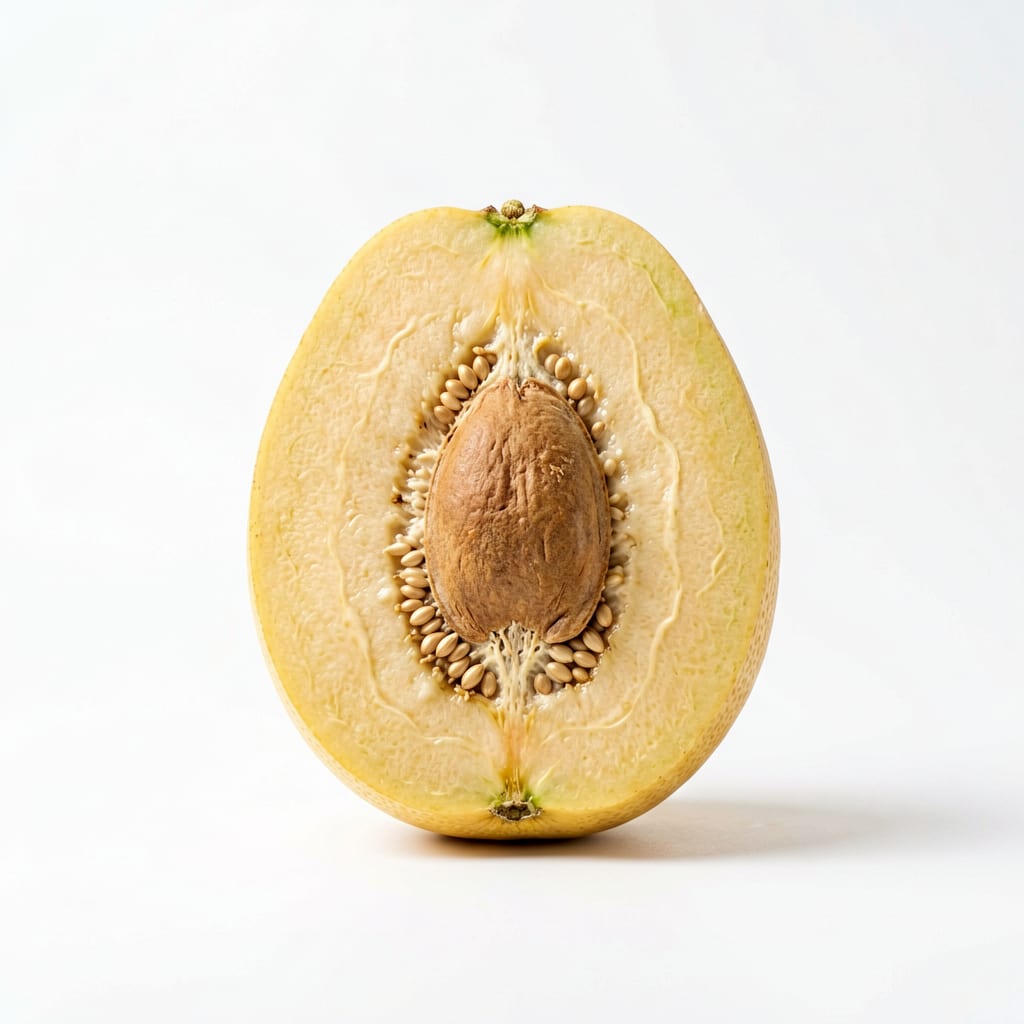
Honeydew
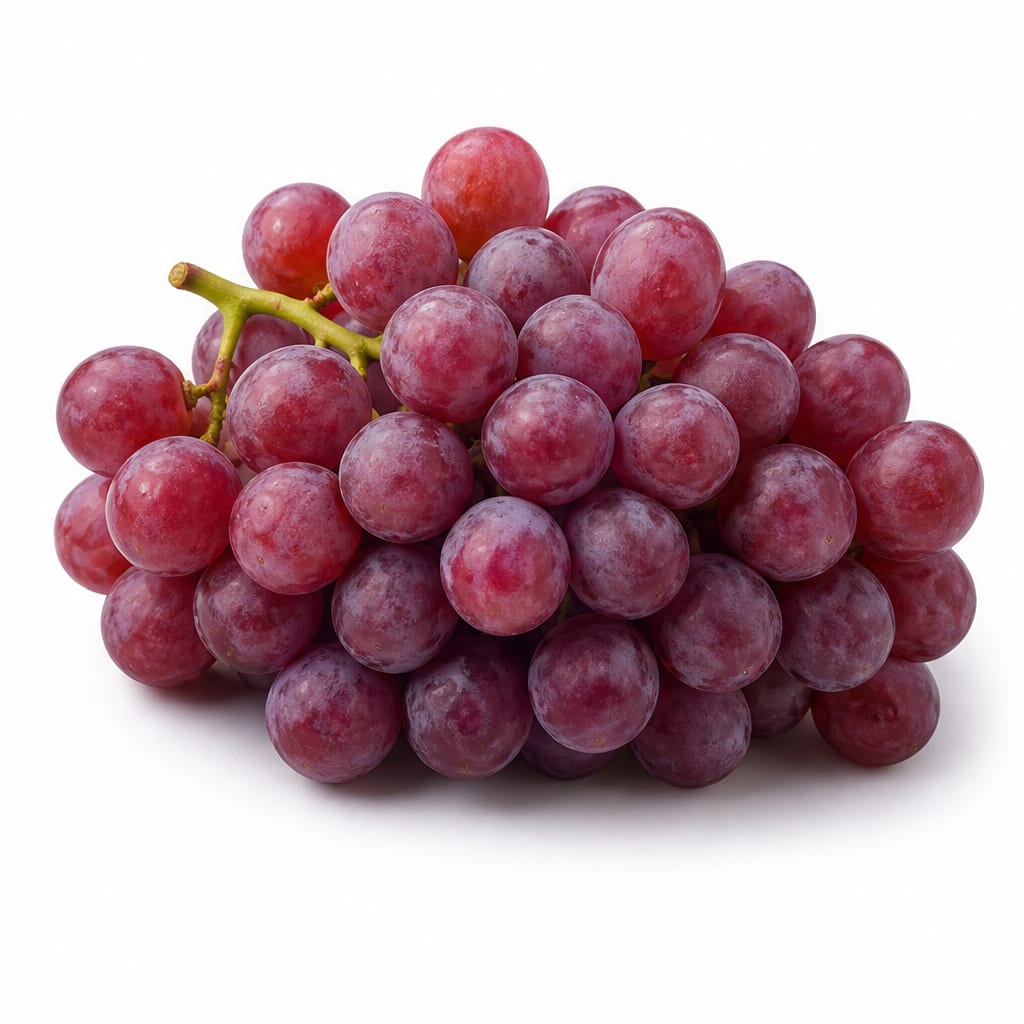
Grapes
Honeydew is the lighter, more hydrating choice with better blood sugar behavior. Grapes deliver more antioxidants and convenience but come with higher sugar density and overeating risk.
Honeydew edges ahead due to lower sugar density, superior hydration, and easier portion control. Grapes score well for antioxidants and convenience but lose ground on overeating risk and pesticide concerns. The gap is moderate because both are whole fruits with genuine nutritional value.
Volume and hydration versus antioxidant potency and grab-and-go ease
At a glance
Executive summary
Overall
It depends
Healthier
Honeydew
More practical
Grapes
Daily use
Honeydew
Key comparison lenses
sugar and blood sugar management
Both are sweet fruits with notably different sugar densities, making glycemic impact a primary concern for most users
weight management and portion control
Grapes are famously easy to overeat due to their small size and pop-ability, while honeydew requires cutting and is more filling per calorie
hydration and volume eating
Honeydew is one of the most water-dense fruits available, making it a standout for people who eat for volume
antioxidant and longevity benefits
Grapes, especially darker varieties, offer resveratrol and polyphenols that honeydew cannot match
pesticide exposure risk
Grapes consistently appear on the EWG Dirty Dozen list while honeydew has a thicker rind that reduces pesticide penetration
Best choice for
Honeydew
- People watching their sugar intake
- Anyone trying to lose weight through volume eating
- Those seeking better hydration from food
- People prone to blood sugar spikes
- Anyone who struggles with portion control
Grapes
- People prioritizing antioxidant intake
- Athletes needing quick natural energy
- Anyone wanting a no-prep portable snack
- Those seeking heart-health polyphenols
- People who find fruit boring and want more flavor intensity
Least suitable for
Honeydew
- People who need quick on-the-go snacks
- Anyone wanting maximum antioxidants per bite
- Those who find melon textures unappealing
Grapes
- People with diabetes or insulin resistance
- Anyone prone to mindless snacking
- Those strictly limiting sugar even from whole foods
- People concerned about pesticide exposure who cannot buy organic
Deep comparison
Dimension by dimension
Each lens scores both foods and breaks down who each option suits.
- Dimension 1 · Priority 92Honeydew
sugar_and_blood sugar_impact
Honeydew · 78Grapes · 48Honeydew has roughly half the sugar density of grapes, making it significantly gentler on blood sugar.
Tradeoff
Grapes provide faster energy when you need it, but that same sugar density becomes a liability for sedentary snacking.
Why it matters
A bowl of grapes can deliver 20+ grams of sugar before you feel full, while honeydew's water volume naturally limits intake.
Real-world impact
That afternoon grape snack can cause a blood sugar spike and crash, while honeydew provides steadier, more sustained energy.
Honeydew
- Steadier energy without the crash
- Easier blood sugar management
- Less likely to trigger sugar cravings after eating
Better for
- Less energy available per serving for active people
Worse for
Grapes
- Quick pre-workout fuel
- More immediate energy when genuinely depleted
Better for
- Easy to consume 30+ grams of sugar mindlessly
- Higher glycemic load per typical serving
Worse for
- Dimension 2 · Priority 85Honeydew
hydration_and_satiety
Honeydew · 90Grapes · 55Honeydew is approximately 90% water and physically fills you up far more per calorie than grapes.
Tradeoff
You feel more satisfied after honeydew but may get hungry again sooner due to lower calorie density. Grapes pack more energy per bite but less physical fullness.
Why it matters
Volume eaters and anyone trying to lose weight benefit enormously from foods that fill the stomach without filling the calorie budget.
Real-world impact
Two cups of honeydew feels like a substantial snack for roughly 120 calories. Two cups of grapes delivers over 200 calories and still feels like you could keep eating.
Honeydew
- Much more physically filling per calorie
- Contributes meaningfully to daily hydration
- Natural built-in portion control from volume
Better for
- May not feel satisfying enough for very active people
Worse for
Grapes
- More calorie-dense for when you actually need the energy
Better for
- Easy to overeat without realizing it
- Less hydrating per serving
Worse for
- Dimension 3 · Priority 80Grapes
antioxidant_and_phytonutrient_density
Honeydew · 42Grapes · 82Grapes, especially red and black varieties, deliver resveratrol, quercetin, and anthocyanins that honeydew simply cannot match.
Tradeoff
You gain meaningful longevity-linked compounds with grapes but absorb more sugar as the delivery vehicle. Honeydew offers vitamin C and potassium but fewer protective phytonutrients.
Why it matters
Resveratrol and grape polyphenols have consistent research linking them to cardiovascular and cellular health benefits.
Real-world impact
Regular grape consumption, particularly darker varieties, contributes to long-term heart and brain health in ways honeydew does not.
Honeydew
- More vitamin C per serving
- Higher potassium content
Better for
- Relatively limited phytonutrient diversity
- Fewer researched longevity compounds
Worse for
Grapes
- Resveratrol for cardiovascular protection
- Anthocyanins that support brain health
- Broader spectrum of protective polyphenols
Better for
- Antioxidant benefits are dose-dependent, and eating more grapes means more sugar
Worse for
- Dimension 4 · Priority 88Honeydew
portion_control_and_overeating_risk
Honeydew · 85Grapes · 40Grapes are one of the easiest fruits to overeat. Honeydew requires preparation and naturally slows consumption.
Tradeoff
Grapes' convenience is also their danger. Honeydew's preparation barrier is actually a hidden advantage for portion control.
Why it matters
Real-world eating behavior matters more than theoretical nutrition. The food you cannot stop eating is rarely the healthier choice in practice.
Real-world impact
A bag of grapes can disappear during a TV show without any awareness. Nobody accidentally eats an entire honeydew melon.
Honeydew
- Cutting required creates a natural pause before eating
- High water volume creates physical fullness quickly
- Harder to mindlessly consume
Better for
- Preparation time can be a barrier to choosing fruit at all
Worse for
Grapes
- No preparation needed means you actually eat the fruit instead of reaching for junk food
Better for
- Grazing behavior leads to significant calorie intake
- No natural stopping point in a grape cluster
- Sweet taste reinforces continued eating
Worse for
- Dimension 5 · Priority 70Honeydew
pesticide_and_contamination_risk
Honeydew · 80Grapes · 45Grapes rank consistently on the EWG Dirty Dozen list with high pesticide residue. Honeydew's thick rind provides significant protection.
Tradeoff
Organic grapes resolve the pesticide issue but cost substantially more. Honeydew offers lower risk even in conventional form.
Why it matters
Chronic low-dose pesticide exposure from daily fruit consumption is a genuine concern for hormone-sensitive individuals and children.
Real-world impact
If you eat grapes daily and cannot afford organic, you are getting a measurable pesticide load. Honeydew is the safer conventional choice.
Honeydew
- Thick inedible rind blocks most pesticide penetration
- Not on high-pesticide produce lists
- Safer to buy conventional
Better for
- No significant contamination concerns
Worse for
Grapes
- Organic grapes are widely available if budget allows
Better for
- Consistently high pesticide residue scores
- Thin skin absorbs and retains sprays
- Non-organic grapes are among the riskiest conventional fruits
Worse for
- Dimension 6 · Priority 65Grapes
convenience_and_practical_eating
Honeydew · 40Grapes · 88Grapes are the ultimate grab-and-go fruit. Honeydew requires cutting, seeding, and refrigeration.
Tradeoff
Convenience drives real food choices. The fruit you actually eat always beats the fruit that sits on the counter.
Why it matters
When hunger strikes, people reach for whatever is easiest. Grapes win this moment every time.
Real-world impact
Grapes can be packed in a lunch, eaten during a commute, or grabbed from the fridge with zero effort. Honeydew demands a cutting board and planning.
Honeydew
- No significant convenience advantages
Better for
- Must be cut and portioned before eating
- Leaks juice when cut and stored
- Shorter fridge life once opened
Worse for
Grapes
- Zero preparation required
- Naturally portable and mess-free
- Easy to pack for work or school
- No utensils needed
Better for
- Can get crushed in bags
- Stems require disposal
Worse for
Timeline
Health impact over time
Short-term
Hours to days
Honeydew
- Provides gentle, steady energy without a sugar rush
- Physically filling due to high water content
- Mildly cooling and hydrating, especially in hot weather
Grapes
- Delivers quick energy that can spike then drop blood sugar
- Easy to eat beyond hunger cues before feeling full
- Refreshing but less hydrating per serving than expected
Long-term
Months to years
Honeydew
- Consistent consumption supports healthy blood pressure through potassium intake
- Low sugar density makes it sustainable for daily eating without metabolic concern
- Vitamin C contributes to skin and immune health over time
Grapes
- Polyphenols from darker grapes support cardiovascular and cognitive health long-term
- Daily grape consumption without portion awareness can contribute to excess sugar intake
- Resveratrol may offer anti-aging cellular benefits when consumed regularly
Risk profile
Safety & processing
Both honeydew and grapes are whole, unprocessed fruits as typically consumed. Neither carries additive concerns in fresh form. The only processing consideration is that grapes are more commonly dried into raisins or juiced, which dramatically changes their nutritional profile. Stick with fresh versions of either fruit for the best outcomes.
Honeydew
Surface bacteria from cutting
lowLike all melons, honeydew rind can carry bacteria that transfer to the flesh during cutting. Wash the exterior before slicing.
Foodborne illness from improper storage
lowCut melon left at room temperature for over 2 hours can harbor listeria. Refrigerate promptly after cutting.
Grapes
Pesticide residue
mediumGrapes consistently test high for pesticide residues. Washing helps but does not fully remove embedded residues. Organic significantly reduces this risk.
Mold and fungal contamination
lowDamaged grapes can develop mold quickly. Inspect clusters and remove any soft or broken grapes before storing.
Who wins for whom
Audience fit
Same foods, different winners depending on your goal.
children
GrapesKids love the sweet taste and fun size of grapes, and they require no cutting. Just slice grapes lengthwise for children under 4 to prevent choking.
daily consumption
HoneydewHoneydew's lower sugar load and higher satiety make it more sustainable as a daily fruit without metabolic consequences. Grapes are fine daily in strict moderation but most people struggle with portion control.
diabetes
HoneydewHoneydew's lower sugar density and higher water volume result in a gentler glycemic impact. Grapes can cause sharper blood sugar rises, especially in typical portion sizes.
elderly
HoneydewHoneydew is softer and easier to chew, provides more hydration which elderly people often lack, and delivers potassium for blood pressure management without excess sugar.
muscle gain
GrapesGrapes provide more carbohydrate energy per serving, which supports training fuel and glycogen replenishment better than honeydew's lower calorie density.
weight loss
HoneydewHoneydew's high water content and low calorie density let you eat a satisfying volume while staying in a deficit. Grapes' sugar density and overeating potential make them riskier for weight loss.
Your move
Decision guide
Choose Honeydew
- You are watching your sugar intake or managing blood sugar
- You tend to overeat sweet foods and need built-in portion control
- You want maximum fullness from minimal calories
- You are concerned about pesticide exposure and buy conventional produce
- You struggle to drink enough water and want hydrating food
Choose Grapes
- You want potent antioxidants and are okay with the sugar that carries them
- You need quick pre- or post-workout energy from whole food
- You rarely have time to prepare snacks and need grab-and-go options
- You can consistently control your portions and stop at one serving
- You buy organic produce and want to avoid pesticide concerns
Either works if
- You simply want a refreshing whole fruit snack
- You rotate fruits regularly and do not eat the same one daily
- You have no specific blood sugar or weight concerns
Avoid both if
- You are on a very low-carb or ketogenic diet
- You have a severe fructose intolerance
- You need high-protein snacks and are using fruit as your primary food source
Final recommendation
For most people most of the time, honeydew is the smarter daily fruit. It hydrates, fills you up, and keeps sugar intake in check without requiring willpower. Grapes are the better choice when you specifically want their antioxidant benefits or need convenient energy, but treat them like nature's candy rather than an unlimited snack. If you choose grapes, pre-portion them into a small bowl and put the bag away.
Practical
Consumer tips
- 1
Always wash honeydew rind before cutting to prevent bacterial transfer to the flesh
- 2
Pre-portion grapes into small containers immediately after buying to prevent mindless grazing
- 3
Choose red or black grapes over green for significantly more antioxidants
- 4
Buy organic grapes when possible due to their high pesticide residue rankings
- 5
Store cut honeydew in an airtight container and consume within 3 days for best quality
- 6
Freeze grapes for a naturally sweet, long-lasting treat that forces slower eating
- 7
Pick honeydew that feels heavy for its size and has a subtle sweet smell at the stem end for best ripeness