
Nutrition comparison
Honeydew vs Cucumber: Which Is Better for Weight Loss, Hydration, and Snacking?
Compare honeydew and cucumber on calories, sugar, hydration, and nutrition. Find out which is better for weight loss, blood sugar, and daily snacking.
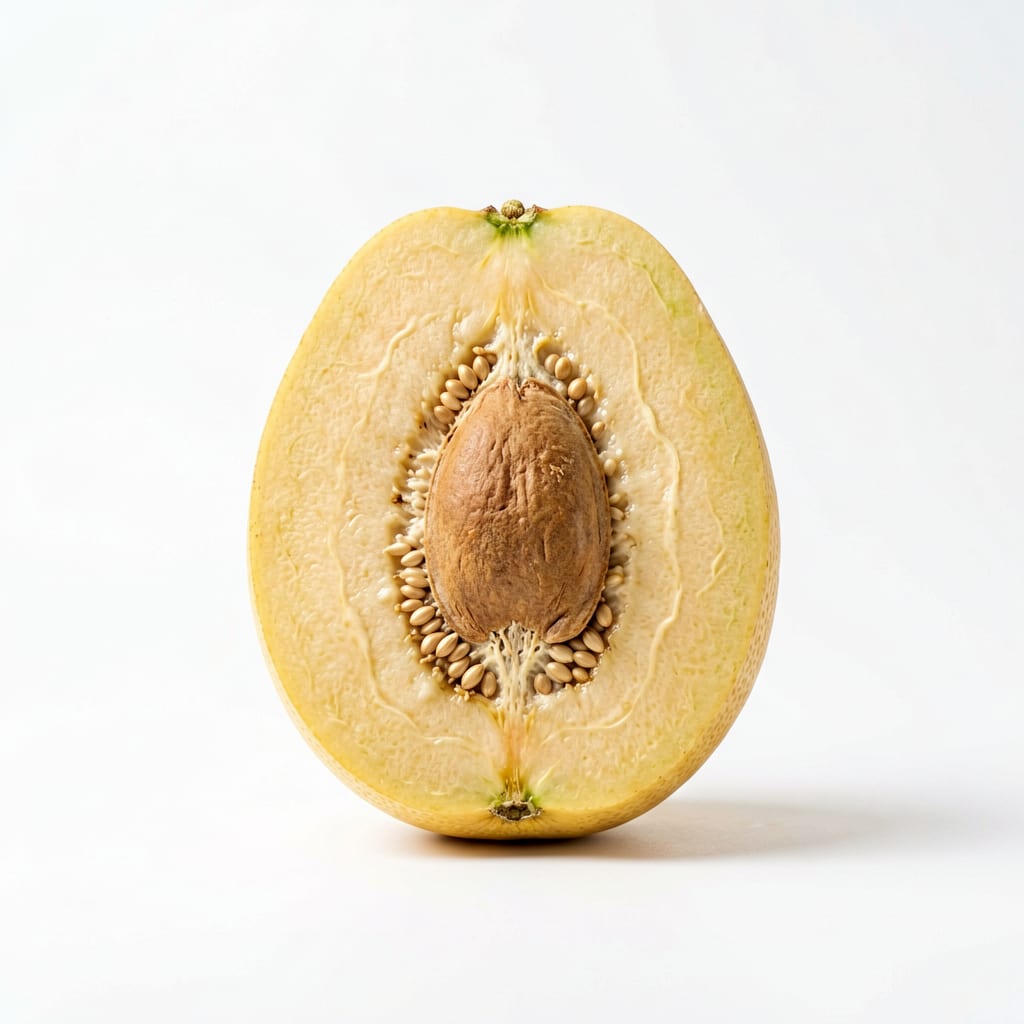
Honeydew
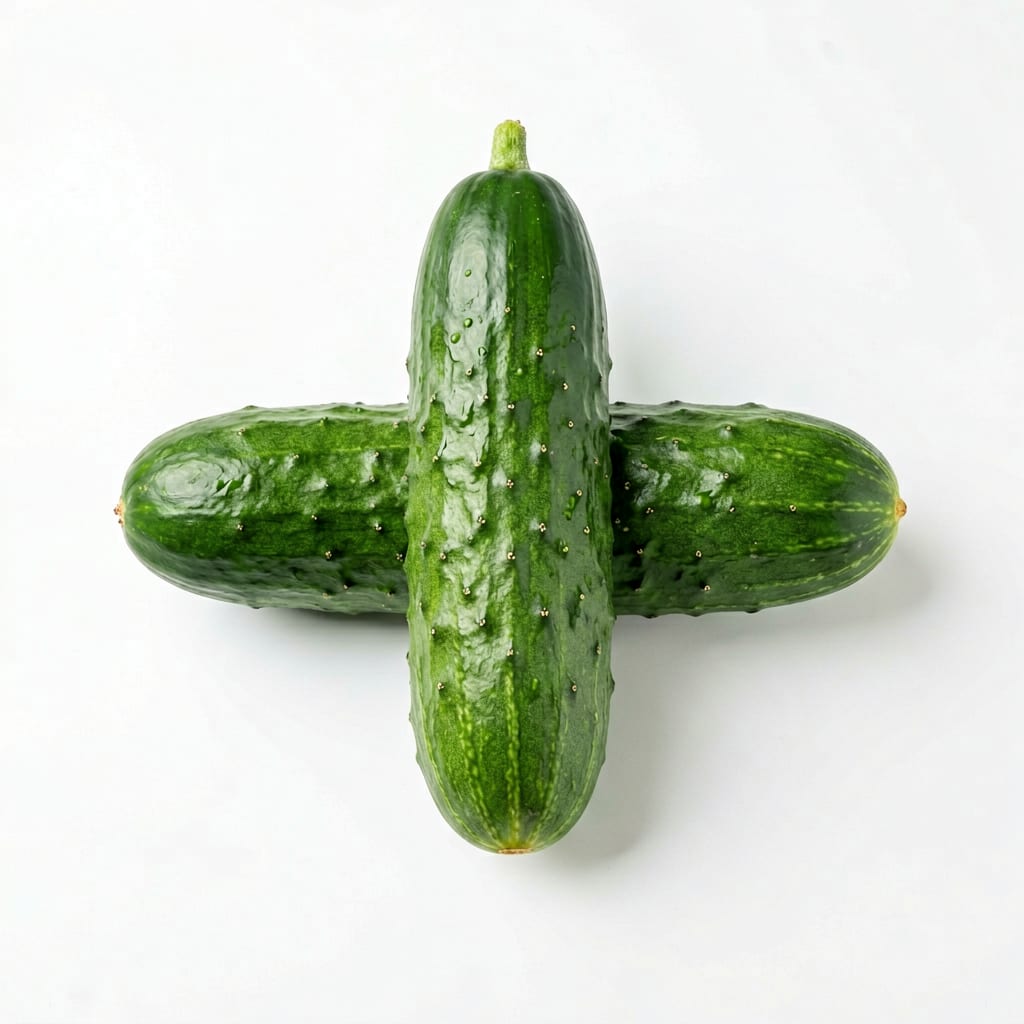
Cucumber
Cucumber wins for pure low-calorie hydration and blood sugar control, while honeydew delivers more vitamins and a satisfying sweet snack experience.
Cucumber scores higher overall due to its near-zero calorie cost and blood sugar neutrality, making it the safer daily default. Honeydew remains valuable for its micronutrients and satisfaction factor but carries a sugar and calorie tradeoff that narrows its ideal use cases.
Calories and sugar versus flavor satisfaction and micronutrients — honeydew nourishes more, cucumber costs almost nothing calorically.
At a glance
Executive summary
Overall
It depends
Healthier
It depends
More practical
Cucumber
Daily use
Cucumber
Key comparison lenses
Low-calorie snacking and weight management
Both foods are popular light snack options, but their calorie and sugar differences significantly impact weight loss decisions
Hydration and refreshment
Both are high-water-content foods often chosen for cooling refreshment, making hydration a key comparison point
Blood sugar management
Honeydew's natural sugars create a meaningful glycemic difference compared to cucumber's near-zero sugar content
Nutrient density per calorie
Users choosing between these often want to know which delivers more nutrition alongside hydration
Best choice for
Honeydew
- People needing more potassium and vitamin C in their diet
- Active individuals wanting a sweet, energizing snack
- Those struggling to eat enough fruit daily
- Anyone seeking a more satisfying between-meal option
Cucumber
- People strictly managing calorie intake
- Anyone monitoring blood sugar closely
- Those wanting unlimited snacking without guilt
- Meal prep enthusiasts needing a versatile low-calorie base
Least suitable for
Honeydew
- People on very low-carb or keto diets
- Those managing diabetes who need to minimize sugar spikes
- Anyone counting every calorie strictly
Cucumber
- Children who need calorie-dense nutrition for growth
- Anyone looking for a filling, energy-providing snack
- People needing significant vitamin intake from produce
Deep comparison
Dimension by dimension
Each lens scores both foods and breaks down who each option suits.
- Dimension 1 · Priority 94Cucumber
Caloric Efficiency
Honeydew · 45Cucumber · 98Cucumber delivers maximum volume for minimal calories, while honeydew costs roughly 4 times more per cup.
Tradeoff
Honeydew provides energy and satisfaction that cucumber simply cannot match, but at a real calorie price.
Why it matters
If you snack frequently throughout the day, choosing cucumber frees up hundreds of calories for more nutrient-dense foods elsewhere.
Real-world impact
A large cucumber costs about 30 calories. The same volume of honeydew runs about 60-70 calories with sugar that may trigger more snacking.
Honeydew
- Pre-workout energy when you need carbs
- Replacing higher-calorie desserts
Better for
- Strict calorie-cutting phases
Worse for
Cucumber
- Unlimited grazing without budget stress
- Late-night snacking with zero regret
Better for
- Recovering after intense exercise when you need energy
Worse for
- Dimension 2 · Priority 86Cucumber
Blood Sugar Stability
Honeydew · 48Cucumber · 96Cucumber has virtually no sugar and no glycemic impact. Honeydew contains moderate natural sugars that can raise blood glucose.
Tradeoff
Honeydew's sweetness is real and satisfying but comes with a glycemic cost that cucumber entirely avoids.
Why it matters
For anyone with insulin resistance, prediabetes, or energy crash issues, this difference is daily-life significant.
Real-world impact
Eating honeydew alone on an empty stomach may cause a quicker blood sugar rise and subsequent dip. Cucumber won't trigger that cycle at all.
Honeydew
- Quick energy before physical activity
Better for
- Mid-afternoon energy crashes if eaten alone
Worse for
Cucumber
- Steady energy throughout the afternoon
- Diabetes-friendly snacking
- Breaking the sugar-craving cycle
Better for
- Situations where you need quick fuel
Worse for
- Dimension 3 · Priority 78Honeydew
Micronutrient Density
Honeydew · 72Cucumber · 38Honeydew provides meaningful vitamin C, potassium, and B vitamins. Cucumber offers trace amounts of several nutrients but nothing substantial.
Tradeoff
You get more actual nutrition per bite from honeydew, but you pay for it with sugar calories.
Why it matters
If your diet lacks fresh fruit, honeydew contributes real vitamin C and potassium. Cucumber's nutritional contribution is minimal.
Real-world impact
A cup of honeydew covers about half your daily vitamin C needs. You would need to eat an impractical amount of cucumber to match that.
Honeydew
- Boosting immune-supporting nutrients
- Adding potassium for blood pressure management
Better for
- When you are already meeting nutrient needs from other foods
Worse for
Cucumber
- Situations where nutrients come from other meals anyway
Better for
- Diets relying heavily on these foods for nutrition
Worse for
- Dimension 4 · Priority 82Cucumber
Hydration Value
Honeydew · 80Cucumber · 90Both are excellent hydrators, but cucumber edges ahead with slightly higher water content and electrolyte-friendly minimal sugar.
Tradeoff
Honeydew hydrates well and adds electrolytes like potassium, but its sugar slightly reduces its net hydration efficiency.
Why it matters
In hot weather or after exercise, both work well, but cucumber acts more like edible water without any sugar overhead.
Real-world impact
Adding cucumber to a water pitcher is a common hydration hack for good reason — it flavors water without adding sugar. Honeydew cannot play that role.
Honeydew
- Post-workout rehydration where electrolytes matter
Better for
- When you want pure hydration without any glycemic response
Worse for
Cucumber
- All-day sipping and snacking in hot weather
- Infusing water for flavor without sugar
Better for
- Recovery situations requiring electrolyte replenishment
Worse for
- Dimension 5 · Priority 76Honeydew
Snack Satisfaction and Cravings
Honeydew · 78Cucumber · 42Honeydew's natural sweetness makes it far more satisfying as a standalone snack. Cucumber often feels like eating water.
Tradeoff
Satisfaction matters for adherence. A snack that actually satisfies may prevent overeating later, even if it costs more calories upfront.
Why it matters
If you reach for a snack and it leaves you wanting more, you may end up eating more total calories than if you had chosen something satisfying initially.
Real-world impact
A bowl of honeydew cubes can genuinely replace a sweet craving. Cucumber slices often leave you reaching for something else within 20 minutes.
Honeydew
- Satisfying a sweet tooth without turning to candy
- Afternoon snack that actually feels like a treat
Better for
- Triggering a desire for more sweet foods in some people
Worse for
Cucumber
- Mindless munching while watching TV
- Adding crunch to salads without adding desire for more food
Better for
- Leaving you unsatisfied and hunting for another snack
Worse for
- Dimension 6 · Priority 70Cucumber
Culinary Versatility
Honeydew · 50Cucumber · 82Cucumber works in salads, sandwiches, smoothies, infused water, and savory dishes. Honeydew is mostly limited to fruit bowls and desserts.
Tradeoff
Cucumber blends into almost any meal seamlessly. Honeydew has a narrower role but excels in its sweet fruit niche.
Why it matters
A food you can use in multiple meals throughout the week is easier to keep stocked and waste less.
Real-world impact
Cucumber can appear at breakfast, lunch, and dinner. Honeydew is typically a once-a-day fruit snack or breakfast side.
Honeydew
- Fruit salads and dessert platters
- Breakfast fruit bowls
Better for
- Savory cooking applications
Worse for
Cucumber
- Adding to any savory meal for crunch
- Smoothie base that adds volume without sweetness
- Greek yogurt topping without sugar overload
Better for
- Dessert recipes or sweet treats
Worse for
Timeline
Health impact over time
Short-term
Hours to days
Honeydew
- Quick energy boost from natural sugars
- Possible blood sugar spike if eaten alone in large amounts
- Refreshing hydration on hot days
Cucumber
- Near-zero impact on blood sugar
- Very filling volume with minimal calorie cost
- Mild diuretic effect from high water content
Long-term
Months to years
Honeydew
- Consistent vitamin C and potassium intake supports immune and cardiovascular health
- Regular fruit sugar consumption may affect insulin sensitivity if overconsumed
- Better diet adherence due to satisfaction and enjoyment
Cucumber
- Excellent for maintaining caloric deficit long-term
- Supports hydration habits without sugar dependency
- Minimal nutritional contribution if relied on too heavily as a primary vegetable
Risk profile
Safety & processing
Both honeydew and cucumber are whole, unprocessed foods as typically consumed. Neither carries additive concerns unless purchased pre-cut in packaging with preservatives.
Honeydew
Pesticide residue on rind
mediumHoneydew rind can trap pesticide residues. While you discard the rind, cross-contamination during cutting is possible. Washing before cutting reduces this significantly.
Bacterial contamination on rind surface
mediumMelons grow on the ground and their rind can harbor bacteria like Salmonella. Always wash the exterior before slicing, even though you never eat the rind.
Cucumber
Pesticide residue on skin
mediumCucumbers are frequently on the EWG's Dirty Dozen list. The skin is edible and often eaten, so choosing organic or peeling reduces exposure.
Wax coating on conventional cucumbers
lowNon-organic cucumbers often have edible wax to retain moisture. While generally recognized as safe, some consumers prefer to peel or buy organic to avoid it.
Who wins for whom
Audience fit
Same foods, different winners depending on your goal.
children
HoneydewChildren benefit from honeydew's vitamins, potassium, and natural sweetness that makes fruit appealing. Cucumber is safe but nutritionally thin for growing bodies.
daily consumption
CucumberCucumber can be eaten in large quantities multiple times daily without calorie, sugar, or blood sugar concerns. Honeydew is best enjoyed in moderation due to sugar content.
diabetes
CucumberCucumber has essentially no sugar and no glycemic impact, making it completely safe for blood sugar management. Honeydew's natural sugars require portion control.
elderly
HoneydewOlder adults often need more potassium and vitamin C, both of which honeydew provides in meaningful amounts. Cucumber's hydration is helpful but nutritionally insufficient alone.
muscle gain
It dependsNeither food directly supports muscle gain meaningfully. Honeydew provides slightly more carbs for training energy, but both are hydration tools rather than muscle-building foods.
weight loss
CucumberCucumber's near-zero calorie density allows unlimited consumption without threatening a caloric deficit. Honeydew's sugar content requires portion awareness.
Your move
Decision guide
Choose Honeydew
- You want a sweet, satisfying snack that still feels light
- You need more vitamin C and potassium in your diet
- You are active and can use the natural carbs for energy
- You are replacing higher-sugar desserts and need a stepping stone
Choose Cucumber
- You want to snack freely without tracking calories or portions
- You are managing blood sugar or following a low-carb approach
- You need a versatile ingredient for salads, sandwiches, and meals
- You tend to overeat sweet foods and want to break that pattern
Either works if
- You simply want a hydrating, refreshing food on a hot day
- You are building a balanced snack plate with protein and fat
- You want more whole foods in your diet regardless of type
Avoid both if
- You need a protein-rich or fat-rich snack to stabilize blood sugar
- You are looking for sustained energy that lasts more than 30 minutes
Final recommendation
Keep both in your kitchen but assign them different roles. Use cucumber as your default daily grazer — something you can eat freely anytime. Save honeydew for when you need sweetness, satisfaction, or a nutrient boost. This way you get cucumber's discipline and honeydew's joy without overdoing either.
Practical
Consumer tips
- 1
Wash honeydew rind thoroughly before cutting to prevent bacterial transfer from the surface to the flesh
- 2
Choose organic cucumbers when possible since they are consistently high in pesticide residues and you eat the skin
- 3
Pair honeydew with a protein source like cottage cheese to blunt its blood sugar impact and increase satiety
- 4
Use cucumber slices as a carrier for hummus or guacamole to turn a near-zero-calorie food into a balanced snack
- 5
Store cut honeydew in an airtight container and consume within 3 days for best flavor and nutrient retention
- 6
Peel conventional cucumbers if you want to avoid wax coatings and reduce pesticide exposure