
Nutrition comparison
Honeydew vs Banana: Which Fruit Is Better for Your Goals?
Compare honeydew and banana on calories, sugar, blood sugar impact, satiety, and convenience. Find out which fruit fits your weight loss, fitness, or daily snacking needs.
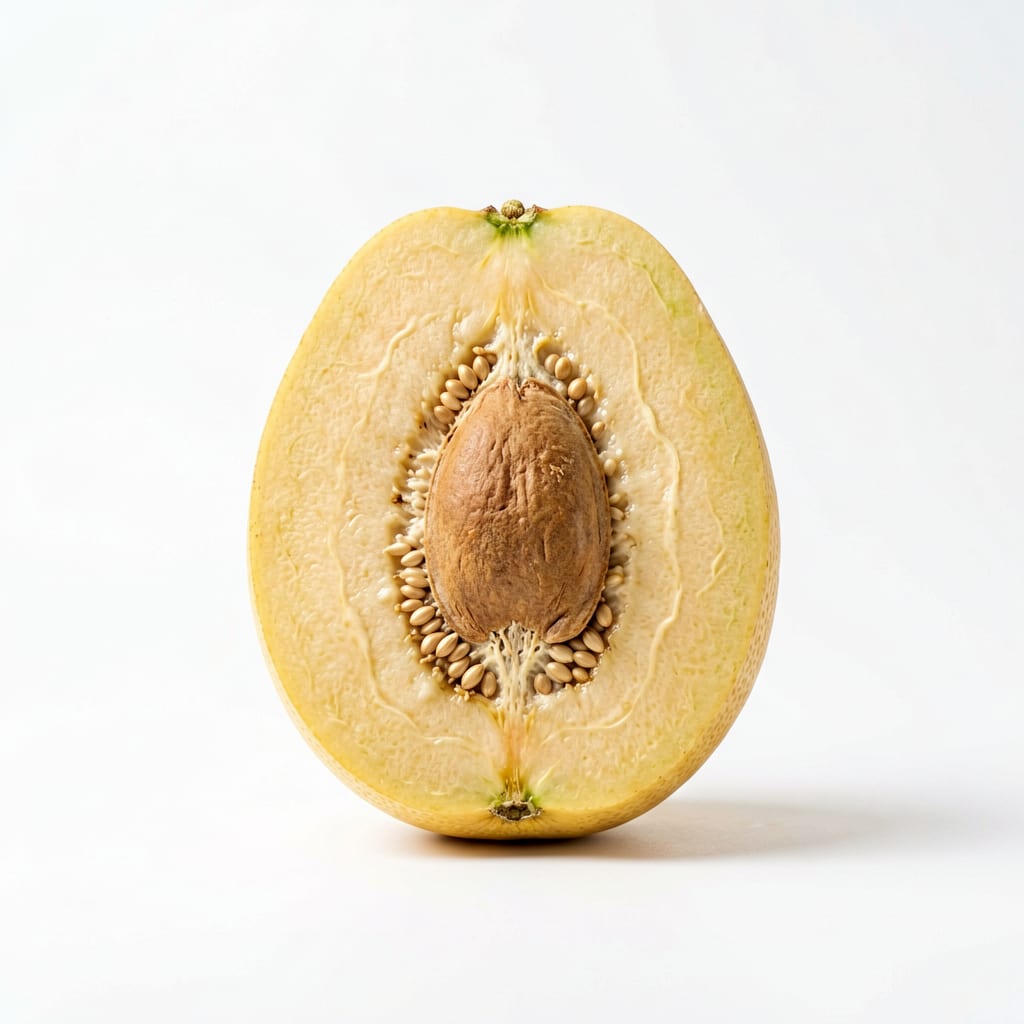
Honeydew
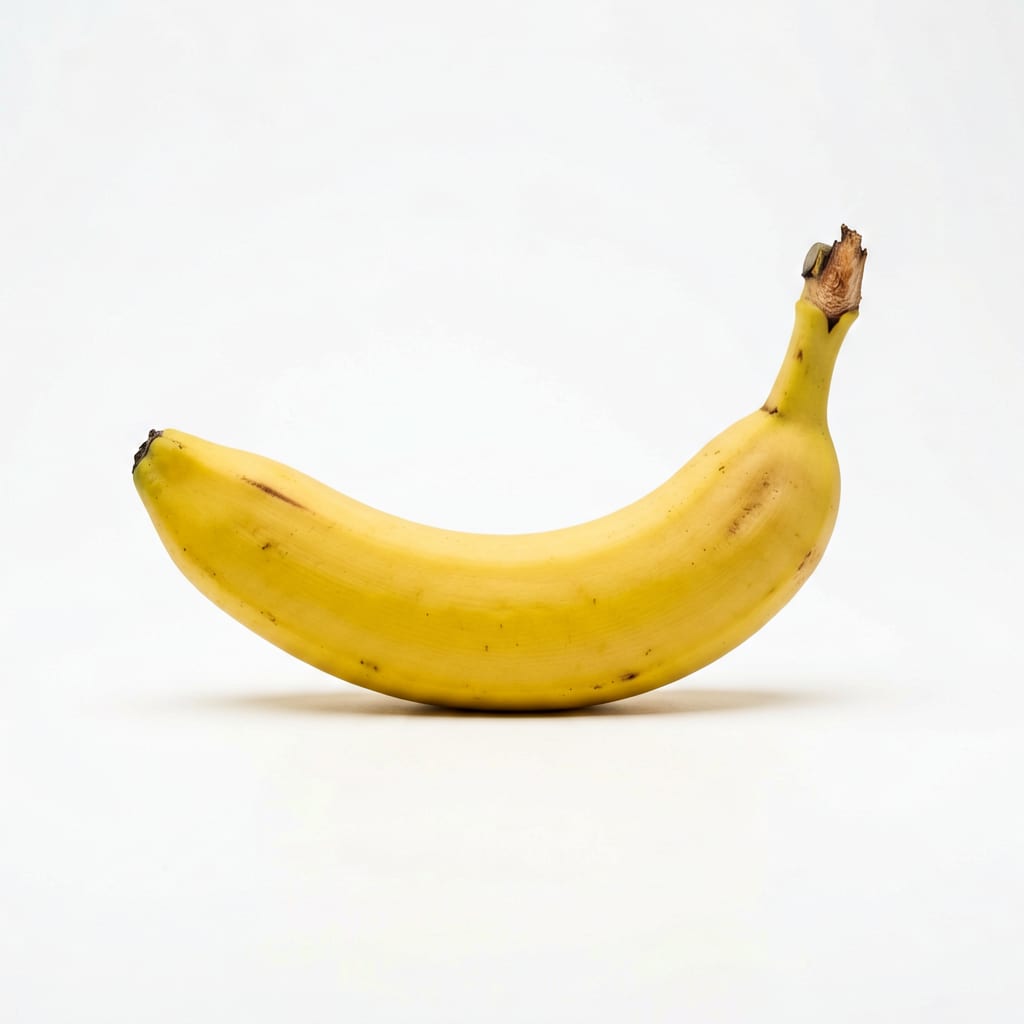
Banana
Banana fills you up and fuels activity better; honeydew hydrates and satisfies sweet cravings with fewer calories.
Banana edges ahead on satiety, potassium, and convenience, making it more practical for daily life. Honeydew wins on hydration and lower calorie density but falls short on filling power and portability.
Banana offers more substance and potassium but packs more sugar and calories. Honeydew is lighter and more hydrating but less filling.
At a glance
Executive summary
Overall
It depends
Healthier
It depends
More practical
Banana
Daily use
Banana
Key comparison lenses
blood sugar management
Both are sweet fruits with different glycemic impacts, a top concern for many users comparing fruits
weight loss snacking
Calorie and sugar differences make this a common decision point for people managing weight
pre-workout fuel
Banana is a classic exercise snack; users often wonder if honeydew works as well
everyday convenience
Portability and storage differ significantly between these two fruits
hydration and refreshment
Honeydew's high water content makes it uniquely thirst-quenching compared to banana
Best choice for
Honeydew
- People counting calories who want a larger portion size
- Hot weather snacking where hydration matters
- Those managing blood sugar who want less carbohydrate load per serving
- Anyone wanting a refreshing, light dessert alternative
Banana
- Athletes needing quick pre-workout energy
- People wanting a filling on-the-go snack
- Those needing potassium for muscle cramp prevention
- Busy mornings when you need sustained fuel
Least suitable for
Honeydew
- People needing a portable, non-messy snack
- Athletes looking for concentrated carb fuel
- Anyone wanting long-lasting satiety from a single fruit
Banana
- People strictly limiting carbohydrate or sugar intake
- Those watching calorie density who prefer larger food volumes
- Anyone with latex-fruit syndrome (cross-reactivity allergy)
Deep comparison
Dimension by dimension
Each lens scores both foods and breaks down who each option suits.
- Dimension 1 · Priority 90Honeydew
blood sugar stability
Honeydew · 72Banana · 58Honeydew has a lower glycemic load per serving, making it gentler on blood sugar than a ripe banana.
Tradeoff
Banana provides faster energy when you need it, but ripe bananas spike blood sugar more sharply.
Why it matters
If you're watching blood sugar or prone to afternoon energy crashes, honeydew creates a smoother ride.
Real-world impact
A honeydew snack at 3pm is less likely to leave you reaching for more food an hour later compared to a ripe banana.
Honeydew
- People with insulin resistance or prediabetes
- Those who experience sugar crashes after sweet snacks
- Anyone eating fruit close to bedtime
Better for
- Situations requiring rapid energy replenishment
Worse for
Banana
- Endurance athletes needing quick glucose availability
- Hypoglycemic individuals needing fast blood sugar recovery
Better for
- Sedentary snacking where sugar spikes are unwanted
- Late evening eating
Worse for
- Dimension 2 · Priority 88Banana
satiety and fullness
Honeydew · 48Banana · 76Banana is significantly more filling due to higher fiber and denser calorie content.
Tradeoff
Honeydew lets you eat more volume for fewer calories, but you'll feel hungry again sooner.
Why it matters
If a snack doesn't hold you, you end up eating more overall anyway.
Real-world impact
A banana at 10am typically carries you to lunch. Honeydew at 10am often needs a protein pairing to avoid the mid-morning rumble.
Honeydew
- People who prefer grazing over meal-like snacks
- Those already pairing fruit with protein or fat
Better for
- Stand-alone snacking when you need lasting fullness
Worse for
Banana
- Anyone needing one snack to last 2-3 hours
- People trying to reduce overall snacking frequency
Better for
- People who find dense foods too heavy between meals
Worse for
- Dimension 3 · Priority 75Honeydew
hydration and refreshment
Honeydew · 92Banana · 40Honeydew is roughly 90% water and genuinely thirst-quenching. Banana is denser and drier by comparison.
Tradeoff
Honeydew refreshes but doesn't fuel; banana fuels but doesn't refresh.
Why it matters
In hot weather or after outdoor activity, hydration from food matters more than people think.
Real-world impact
After a summer hike, honeydew feels like the right call. After a gym session, banana feels more appropriate.
Honeydew
- Hot weather snacking
- Post-sun dehydration recovery
- People who struggle to drink enough water
Better for
- Situations where you need caloric density over water
Worse for
Banana
- Cold weather when hydration is less pressing
Better for
- Beach days or post-sauna when you're genuinely thirsty
Worse for
- Dimension 4 · Priority 80Banana
convenience and portability
Honeydew · 35Banana · 90Banana comes in its own protective wrapper and needs no refrigeration. Honeydew requires cutting, refrigeration, and careful storage.
Tradeoff
Banana is grab-and-go perfection. Honeydew requires prep and planning.
Why it matters
The best snack is the one you actually eat. Convenience often trumps nutrition in real life.
Real-world impact
You can throw a banana in your bag at 7am and eat it at noon. Honeydew needs a container, a fridge, and a spoon.
Honeydew
- Home snacking where prep isn't a barrier
- Meal prep scenarios where you're cutting fruit anyway
Better for
- Any on-the-go eating scenario
Worse for
Banana
- Commuting and travel
- Office desk snacks
- Kids' lunchboxes
- Hiking and outdoor activities
Better for
- Formal settings where eating with hands feels inappropriate
Worse for
- Dimension 5 · Priority 78Banana
nutrient density
Honeydew · 65Banana · 78Banana delivers more potassium, vitamin B6, and resistant starch. Honeydew offers more vitamin C and folate per calorie.
Tradeoff
Banana wins on minerals and energy nutrients. Honeydew wins on water-soluble vitamins and antioxidant variety.
Why it matters
Your nutrient gaps determine which fruit serves you better.
Real-world impact
If you're cramp-prone or on a low-potassium diet, banana matters more. If you're fighting colds or skin health, honeydew's vitamin C shines.
Honeydew
- People wanting immune support from vitamin C
- Those needing folate support during pregnancy
Better for
- Potassium-deficient diets
Worse for
Banana
- Anyone needing potassium for blood pressure or cramps
- People wanting B6 for mood and energy metabolism
- Those benefiting from resistant starch for gut health
Better for
- People already meeting potassium needs through other foods
Worse for
- Dimension 6 · Priority 82Honeydew
weight management
Honeydew · 80Banana · 62Honeydew offers more food volume per calorie, making it easier to feel satisfied without overeating.
Tradeoff
Honeydew's low calorie density is great for portions, but its low satiety means you might eat again sooner.
Why it matters
Volume eating helps psychologically, but only if it actually holds you.
Real-world impact
A cup of honeydew is about 60 calories and feels like a substantial snack. A medium banana is 105 calories and disappears in four bites.
Honeydew
- Volume eaters who need visual portion satisfaction
- Calorie counters wanting sweet snacks with budget room
Better for
- Grazers who keep eating because they never feel full
Worse for
Banana
- People who do better with smaller, denser, more filling snacks
- Those at healthy weight wanting sustained energy
Better for
- People who find one banana leads to wanting another
Worse for
Timeline
Health impact over time
Short-term
Hours to days
Honeydew
- Quick hydration boost from high water content
- Mild blood sugar rise without sharp crash
- Refreshing sensation that can reduce perceived thirst
- Unlikely to cause bloating due to low fiber and high water
Banana
- Noticeable energy lift within 15-20 minutes
- Moderate blood sugar spike, especially with ripe bananas
- Stomach-filling sensation that curbs hunger
- Can cause mild bloating in sensitive individuals, especially less-ripe bananas
Long-term
Months to years
Honeydew
- Consistent vitamin C intake supports skin and immune health
- Lower cumulative sugar intake compared to daily banana habit
- Hydration contribution supports kidney function over time
- May not provide enough fiber if relied on as primary fruit
Banana
- Sustained potassium intake supports cardiovascular health and blood pressure
- Resistant starch from less-ripe bananas feeds beneficial gut bacteria
- Daily banana habit adds meaningful fiber for digestive regularity
- Higher cumulative sugar intake if eaten daily without portion awareness
Risk profile
Safety & processing
Both are whole, unprocessed fruits with no additives. This is a clean comparison with no ultra-processing concerns on either side.
Honeydew
Surface bacterial contamination
mediumMelons grow on the ground and their rind can harbor Salmonella. Always wash before cutting to avoid pushing bacteria into the flesh.
Rapid spoilage once cut
lowCut honeydew should be refrigerated and consumed within 3-4 days. Left out, it becomes a bacterial growth hotspot.
Banana
Latex-fruit syndrome cross-reactivity
mediumPeople with latex allergies may react to banana proteins. Symptoms range from mouth itching to anaphylaxis in severe cases.
Pesticide residue on conventionally grown
lowBananas rank moderate for pesticide residue. The thick peel provides protection, but some systemic pesticides penetrate. Washing helps minimally; choosing organic reduces exposure.
Who wins for whom
Audience fit
Same foods, different winners depending on your goal.
children
BananaBanana's natural sweetness, soft texture, self-contained packaging, and potassium content make it a kid favorite that's also practical for parents.
daily consumption
BananaBetter satiety, more consistent nutrient profile, and unmatched convenience make banana easier to sustain as a daily habit year-round.
diabetes
HoneydewLower glycemic load per serving and less carbohydrate make it easier to fit into carb-controlled meal plans.
elderly
BananaPotassium supports blood pressure management, soft texture is easy to chew, and fiber helps with common constipation issues in older adults.
muscle gain
BananaMore carbohydrates and potassium support glycogen replenishment and muscle function after training.
weight loss
HoneydewLower calorie density and higher water content let you eat more volume for fewer calories, which helps with psychological satisfaction during a deficit.
Your move
Decision guide
Choose Honeydew
- You're counting calories and want more food volume per snack
- You live in a hot climate and want hydrating, refreshing food
- You're managing blood sugar and prefer lower glycemic load fruits
- You eat fruit at home and don't need portability
- You want a light dessert that won't feel heavy before bed
Choose Banana
- You need a filling snack that actually holds you between meals
- You're active and want pre- or post-workout fuel
- You need something portable for commuting, hiking, or the office
- You want potassium for blood pressure or cramp prevention
- You're packing lunchboxes for kids
Either works if
- You're just trying to eat more fruit in general and both sound good
- You're mixing fruit into a smoothie with protein powder
- You want variety and can rotate both throughout the week
Avoid both if
- You're on a strict very-low-carb or ketogenic diet
- You have fructose intolerance or malabsorption issues
- You're allergic to either fruit specifically
Final recommendation
Keep both in rotation. Banana is your everyday workhorse snack for energy and convenience. Honeydew is your summer refresher and lighter alternative when calories matter more than fuel. Pair honeydew with a handful of nuts or cottage cheese to fix its satiety gap, and you've got a near-perfect snack.
Practical
Consumer tips
- 1
Wash honeydew rind thoroughly before cutting to avoid pushing surface bacteria into the flesh
- 2
Choose slightly green bananas for more resistant starch and lower glycemic impact, or ripe bananas for quick energy
- 3
Pair honeydew with a protein source like Greek yogurt or almonds to make it a complete, filling snack
- 4
Freeze overripe banana slices for smoothies instead of discarding them
- 5
Store cut honeydew in an airtight container and consume within 3 days for best quality and safety
- 6
A medium banana is roughly 105 calories; a cup of honeydew is about 60 — use this to plan snack calories