
Nutrition comparison
Honeydew vs Apple: Which Fruit Is Better for You?
Compare honeydew and apple on fiber, blood sugar impact, hydration, and convenience. Find out which fruit fits your health goals and daily routine better.
Overall winner · Apple
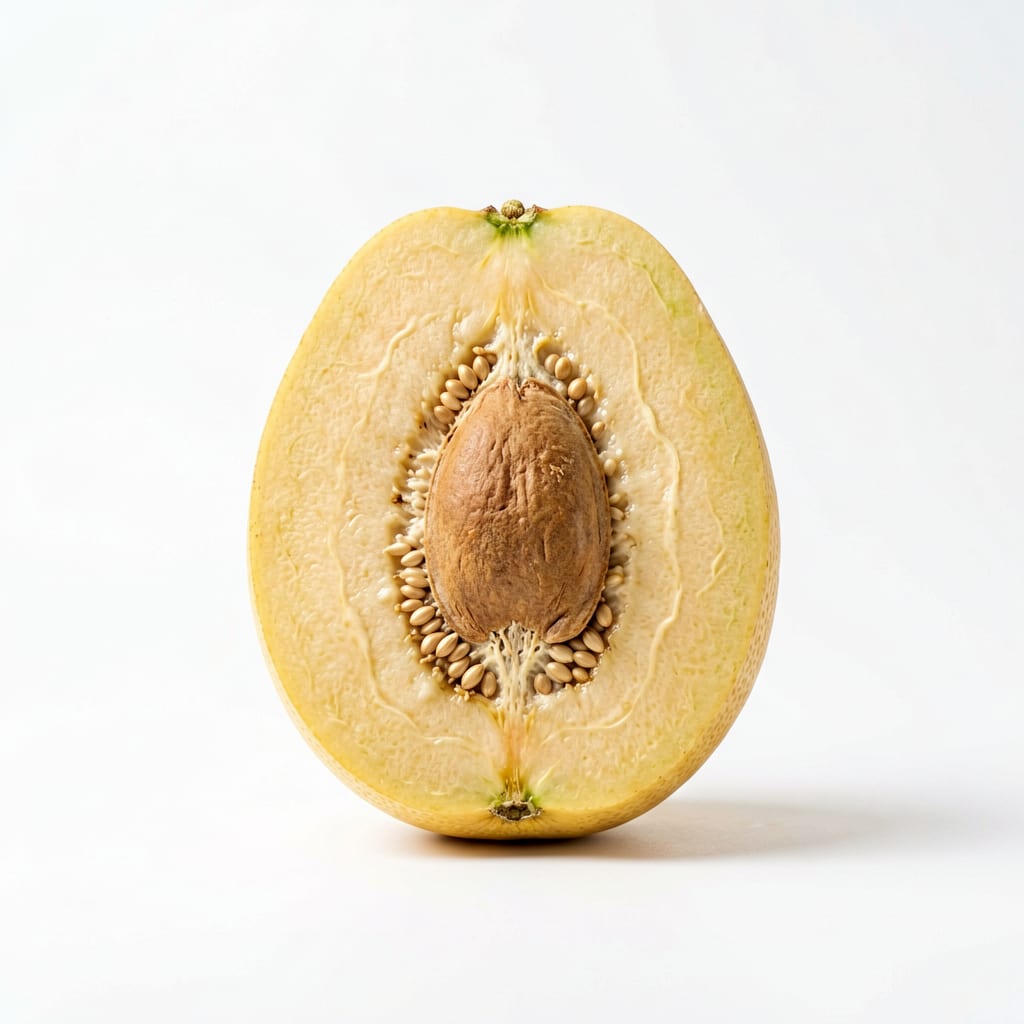
Honeydew
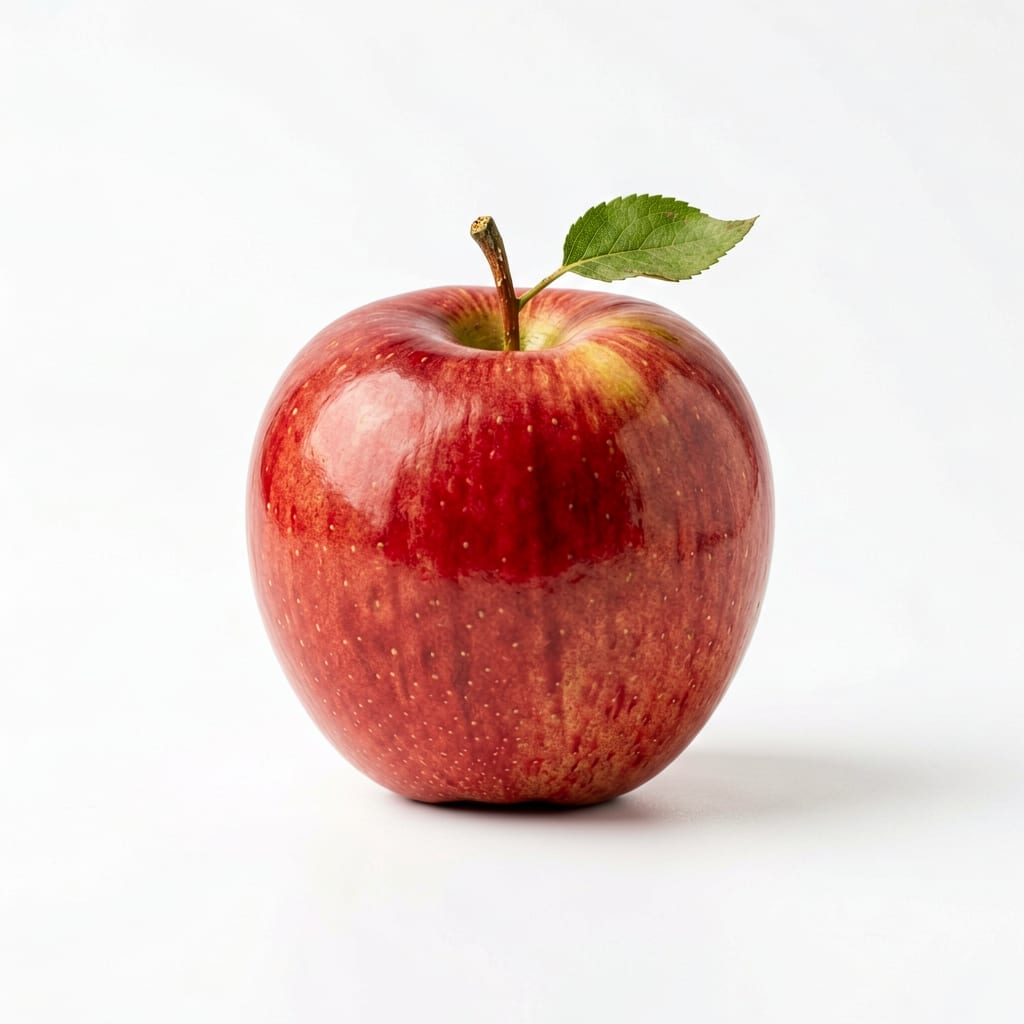
Apple
Apples win on fiber, blood sugar stability, and everyday practicality. Honeydew is the better choice when hydration and light refreshment matter most.
Apples score higher due to superior fiber, better blood sugar control, and stronger everyday practicality. Honeydew remains a solid choice but its higher glycemic impact and lower satiety pull it down for routine use.
Honeydew gives you cooling hydration and a sweeter bite, but apples keep you full longer and avoid the sugar spike.
At a glance
Executive summary
Overall
Apple
Healthier
Apple
More practical
Apple
Daily use
Apple
Key comparison lenses
blood sugar stability and glycemic impact
Honeydew has a notably higher glycemic index than apples, making this the most consequential difference for everyday snackers
satiety and fullness between meals
Apples provide significantly more fiber, which directly affects how long you stay satisfied after eating
hydration and refreshment value
Honeydew's high water content makes it uniquely refreshing, a key reason people reach for it over apples
antioxidant and phytonutrient diversity
Apples contain quercetin and other polyphenols concentrated in the skin that honeydew lacks
practical snacking convenience
Apples are more portable and shelf-stable, while honeydew requires refrigeration and prep
Best choice for
Honeydew
- Hot summer days when you want something cooling and hydrating
- Post-workout rehydration with a light sweetness
- People who find apples too filling or heavy as a snack
- Anyone needing a low-calorie volume snack to munch on
Apple
- Sustained energy between meals without a crash
- Blood sugar management and diabetes-friendly snacking
- Daily fruit intake you can easily carry anywhere
- Gut health support through consistent fiber intake
Least suitable for
Honeydew
- People monitoring blood sugar closely, as it spikes faster than most fruits
- Anyone needing a snack that sustains them for hours
- Situations requiring portable, no-prep food
Apple
- Hot weather refreshment when you want something juicy and cooling
- Anyone with difficulty chewing or sensitive teeth who finds crisp textures uncomfortable
- People specifically seeking high vitamin C from a single serving
Deep comparison
Dimension by dimension
Each lens scores both foods and breaks down who each option suits.
- Dimension 1 · Priority 92Apple
Blood Sugar Stability
Honeydew · 45Apple · 82Apples have a glycemic index around 36 compared to honeydew's 65, meaning apples release sugar slowly while honeydew hits faster.
Tradeoff
Honeydew's quicker sugar release gives fast energy but risks a crash. Apples deliver steadier fuel over a longer window.
Why it matters
If you are watching blood sugar, managing prediabetes, or just want to avoid the afternoon slump, this difference is significant.
Real-world impact
An apple at 2pm keeps you steady until dinner. Honeydew at 2pm may leave you hungry again by 3pm.
Honeydew
- Quick pre-workout energy when you need fast-digesting carbs
Better for
- Late-night snacking where a sugar spike disrupts sleep
- Anyone with insulin resistance or metabolic syndrome
Worse for
Apple
- Sustained focus during long work sessions
- Diabetes-friendly snacking
- Avoiding the energy crash that leads to reaching for more food
Better for
- Moments when you need immediate energy replenishment
Worse for
- Dimension 2 · Priority 88Apple
Satiety and Fullness
Honeydew · 40Apple · 80Apples provide roughly 4.4g of fiber per medium fruit versus honeydew's 1.4g per cup. That fiber gap makes apples far more filling.
Tradeoff
Honeydew is lighter and less likely to feel heavy, but you will be hungry again sooner. Apples take up less volume but satisfy longer.
Why it matters
Satiety determines whether a snack actually holds you over or just opens the door to more snacking.
Real-world impact
One apple can bridge the gap between lunch and dinner. One cup of honeydew often cannot.
Honeydew
- Light eaters who want a snack without feeling weighed down
- Right before a meal when you want something small
Better for
- Anyone trying to reduce overall calorie intake through smarter snacking
- Situations where you cannot eat again for 4-5 hours
Worse for
Apple
- Bridging long gaps between meals
- Preventing overeating at your next meal
- Weight management through natural appetite control
Better for
- Right before intense exercise when you want a light stomach
- People who feel bloated from high-fiber foods
Worse for
- Dimension 3 · Priority 80Honeydew
Hydration and Refreshment
Honeydew · 90Apple · 55Honeydew is roughly 90% water with a cool, juicy texture. Apples are about 86% water but have a denser, crisper bite that feels less hydrating.
Tradeoff
Honeydew genuinely refreshes like a drink disguised as a snack. Apples quench thirst less but satisfy hunger more.
Why it matters
In hot weather or after exercise, hydration from food matters more than people think.
Real-world impact
After a summer run, a bowl of cold honeydew feels like recovery. An apple feels like food.
Honeydew
- Post-workout rehydration
- Hot weather snacking
- Replacing high-calorie desserts with something refreshing
Better for
- Winter months when cold watery fruit feels unappealing
Worse for
Apple
- Cold weather when you want something warming and substantial
- Hiking or outdoor activities where a denser snack fuels better
Better for
- Beach days and poolside snacking where refreshment is the priority
Worse for
- Dimension 4 · Priority 75Apple
Antioxidant and Phytonutrient Profile
Honeydew · 50Apple · 78Apple skin is packed with quercetin, catechins, and chlorogenic acid. Honeydew offers some vitamin C and potassium but a narrower phytonutrient range.
Tradeoff
Honeydew gives more vitamin C per serving, but apples deliver a broader spectrum of anti-inflammatory compounds, especially if you eat the skin.
Why it matters
Long-term health is shaped more by consistent intake of diverse plant compounds than any single vitamin.
Real-world impact
Eating apples regularly is linked to lower risk of heart disease and certain cancers. Honeydew supports immunity but with less research backing broad protective effects.
Honeydew
- Boosting vitamin C intake specifically
- Supporting immune function during cold season
Better for
- People seeking broad-spectrum antioxidant protection from one fruit
Worse for
Apple
- Long-term anti-inflammatory benefits
- Heart health and chronic disease risk reduction
- Gut microbiome support through polyphenols and fiber
Better for
- Anyone who peels the apple, losing most of the phytonutrient value
Worse for
- Dimension 5 · Priority 70Apple
Practicality and Convenience
Honeydew · 40Apple · 88Apples are shelf-stable, portable, and require zero prep. Honeydew needs cutting, refrigeration, and spoils quickly once opened.
Tradeoff
Honeydew rewards you with a luxurious eating experience but demands planning. Apples are grab-and-go reliable.
Why it matters
The best fruit for daily health is the one you actually eat consistently. Convenience drives consistency.
Real-world impact
You can toss an apple in your bag on Monday and eat it Wednesday. Honeydew needs to be prepped and eaten within a day or two.
Honeydew
- Served at gatherings and brunches where presentation matters
- At-home snacking when refrigeration is available
Better for
- On-the-go lifestyles with limited prep time
- Anyone who frequently wastes produce that spoils fast
Worse for
Apple
- Commuting and work lunches
- Travel and hiking
- Emergency snack stash in your car or desk
Better for
- Dinner parties or entertaining where sliced fruit platters are expected
Worse for
Timeline
Health impact over time
Short-term
Hours to days
Honeydew
- Quick energy boost from faster-digesting natural sugars
- Noticeable hydration effect, especially when eaten cold
- May trigger hunger again within 60-90 minutes due to low fiber
Apple
- Steady energy release over 2-3 hours without a crash
- Noticeable fullness that reduces desire to snack further
- Can cause mild bloating in people sensitive to fermentable fibers
Long-term
Months to years
Honeydew
- Regular consumption supports hydration habits and vitamin C intake
- Without pairing with protein or fat, may reinforce blood sugar spikes over time
- Low fiber intake means less gut microbiome support compared to other fruits
Apple
- Consistent fiber intake promotes healthy digestion and gut bacteria diversity
- Quercetin and apple polyphenols are associated with reduced cardiovascular risk
- Pectin from apples may help lower LDL cholesterol over months of regular consumption
Risk profile
Safety & processing
Both honeydew and apples are whole, unprocessed fruits you can eat as nature intended. Neither carries meaningful additive concerns when purchased fresh.
Honeydew
Surface contamination from soil and handling
lowThe rind can harbor bacteria from soil or processing. Always wash before cutting, since the knife can drag surface bacteria into the flesh.
Pesticide residue on rind
mediumHoneydew is not on the high-pesticide Dirty Dozen list, but conventional rinds can carry residues. Washing helps, and organic reduces exposure further.
Apple
Pesticide residue on skin
highApples consistently rank near the top of the EWG Dirty Dozen list. Most pesticide residue is on the skin, which is also where most nutrients are. Washing helps but does not eliminate all residues. Organic is strongly recommended if you eat the skin.
Wax coating on conventional apples
lowMany conventional apples are coated with shellac or carnauba wax to improve appearance and shelf life. The wax itself is considered safe but can trap pesticide residue against the skin.
Who wins for whom
Audience fit
Same foods, different winners depending on your goal.
children
AppleApples are easier to pack for school, more filling for active kids, and the fiber supports healthy digestion. Honeydew is a good occasional treat but less practical for lunchboxes.
daily consumption
AppleApples are available year-round, stay fresh for weeks, require no prep, and offer more consistent blood sugar and satiety benefits. They fit more easily into a daily routine.
diabetes
AppleApples have a much lower glycemic index and more fiber to slow sugar absorption. Honeydew's higher GI makes it riskier for blood sugar management, though portions can be controlled.
elderly
HoneydewHoneydew's soft texture is easier to chew and digest for aging teeth and sensitive digestive systems. Apples can be hard to bite and may cause discomfort for those with dental issues.
muscle gain
It dependsNeither fruit is a protein source. Honeydew's faster-digesting carbs may slightly edge out apples for post-workout glycogen replenishment, but the difference is minimal and both should be paired with protein.
weight loss
AppleApples provide significantly more fiber per calorie, keeping you full longer and reducing the likelihood of overeating later. Honeydew's low calorie density is helpful, but its low satiety makes portion control harder.
Your move
Decision guide
Choose Honeydew
- You want something cooling and hydrating on a hot day
- You have sensitive teeth or difficulty chewing crisp foods
- You need fast-digesting carbs before a workout
- You are at home with refrigeration and want a refreshing snack
Choose Apple
- You want a snack that actually holds you over until your next meal
- You are managing blood sugar, prediabetes, or diabetes
- You need something portable for work, travel, or commuting
- You want the broadest long-term health benefits from one daily fruit
Either works if
- You just want a natural whole-food snack and both are available
- You are pairing fruit with a protein or fat source like nut butter or yogurt
- You are rotating fruits for dietary variety, which is ideal
Avoid both if
- You have a fructose intolerance or malabsorption issue
- You are on a strict very-low-carb or ketogenic diet
- You need a protein-dominant snack and keep reaching for fruit instead
Final recommendation
Make apples your daily default fruit for their fiber, blood sugar stability, and convenience. Add honeydew as a refreshing complement in summer or when hydration is the priority. Buying organic apples matters more than organic honeydew due to pesticide differences. The best approach is rotating both, but if you must pick one for everyday eating, apples give you more staying power and broader health benefits per bite.
Practical
Consumer tips
- 1
Buy organic apples when possible — they top the Dirty Dozen list and you want to eat the skin for maximum nutrients
- 2
Wash honeydew rind thoroughly before cutting to prevent dragging bacteria into the flesh
- 3
Pair honeydew with a handful of nuts or cheese to slow sugar absorption and add staying power
- 4
Store apples in the crisper drawer — they last 4-6 weeks refrigerated versus days on the counter
- 5
Choose honeydew that feels heavy for its size and has a subtle sweet smell at the stem end for best ripeness
- 6
If apples upset your stomach, try smaller portions or different varieties — some like Gala are easier to digest than Granny Smith