
Nutrition comparison
Herring vs Tuna: Which Fish Is Safer and Healthier to Eat Regularly?
Herring delivers far more omega-3s and dramatically less mercury than tuna. Compare nutritional benefits, safety, and sustainability to choose the right fish for your diet.
Overall winner · Herring
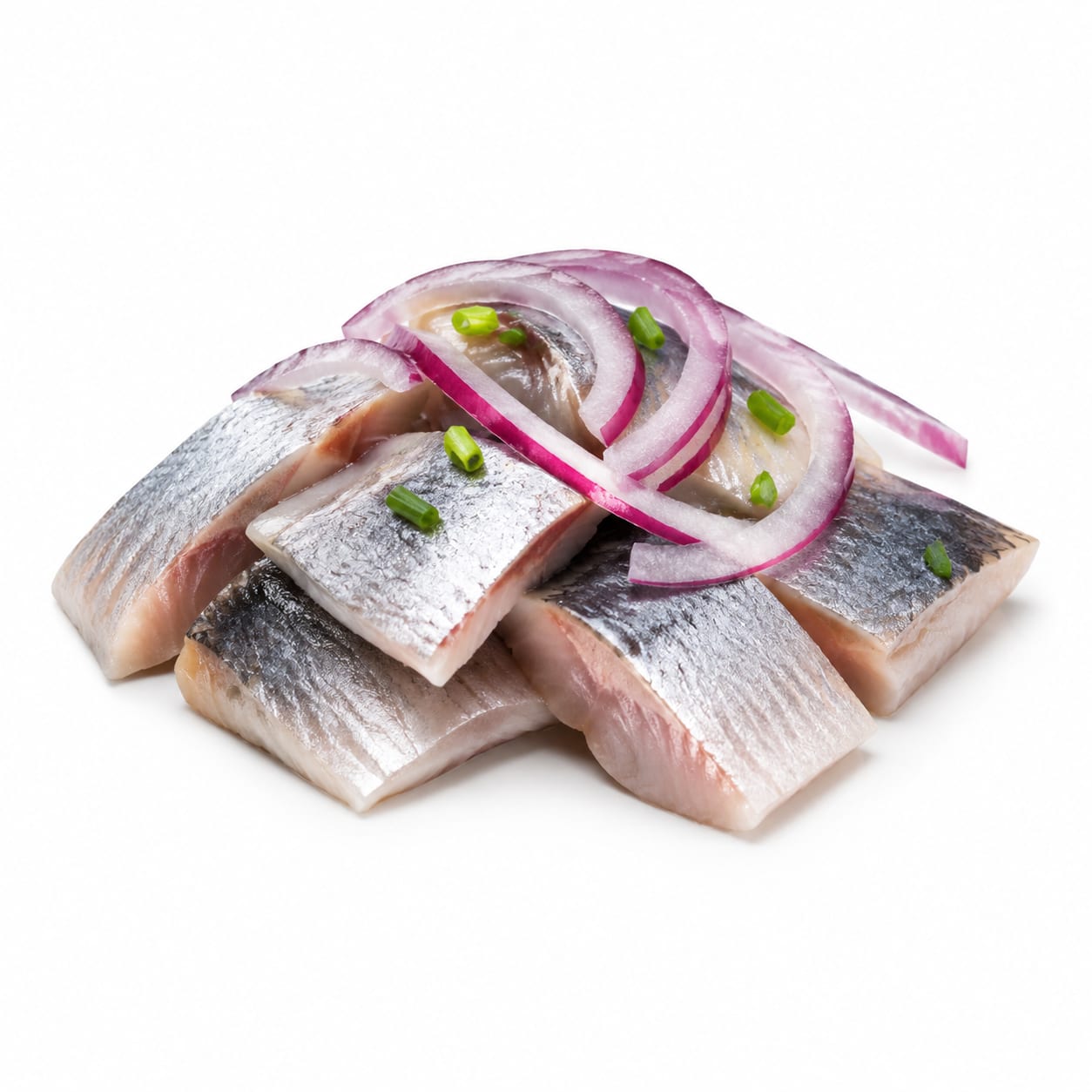
Herring
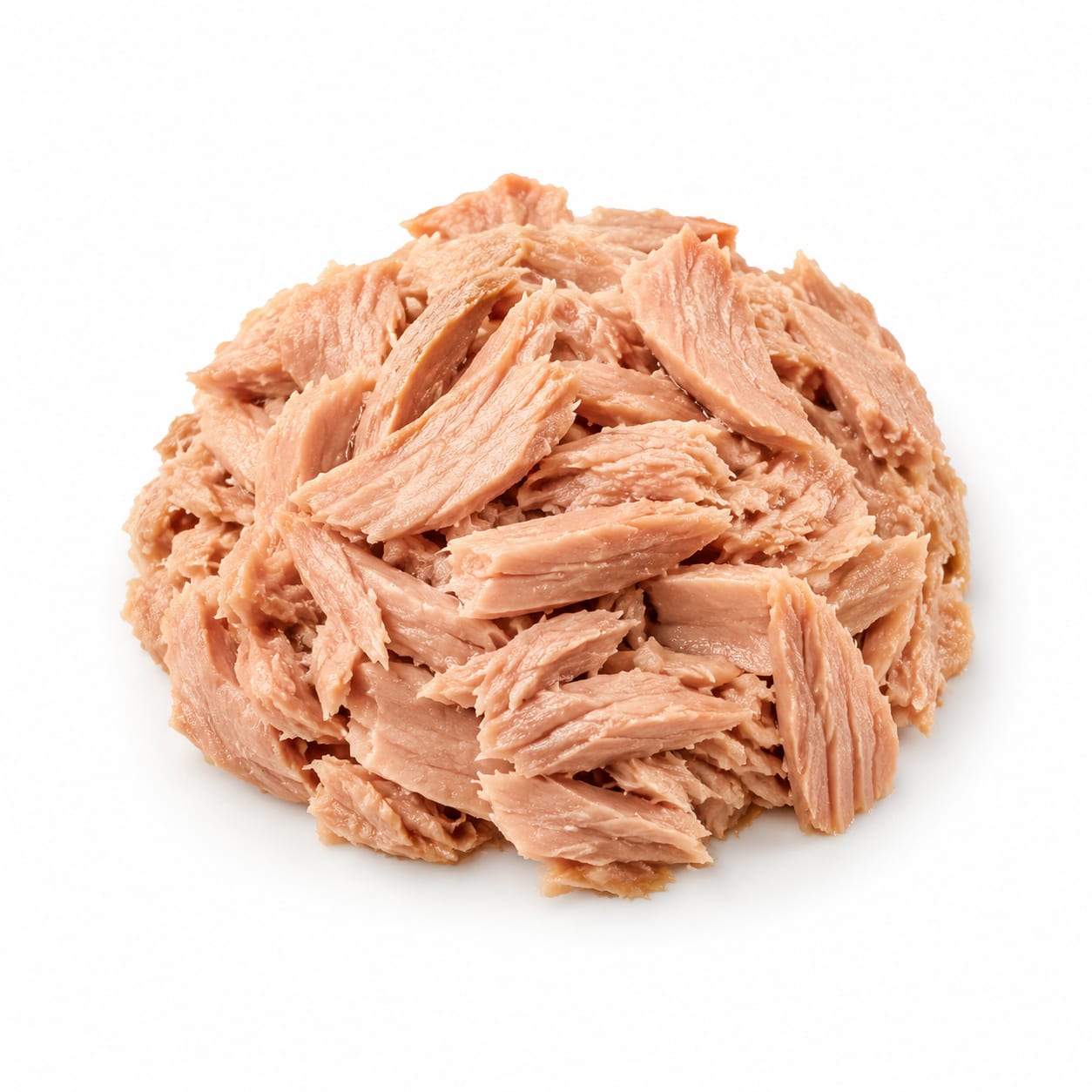
Tuna
Herring is the safer bet for regular eating — dramatically less mercury and far more omega-3s. Tuna wins on protein density and convenience but carries real mercury tradeoffs if eaten often.
Herring scores higher primarily due to its dramatically lower mercury load and superior omega-3 content, both of which matter enormously for long-term health. Tuna remains a strong lean protein source but its mercury burden limits how often you can safely eat it, dragging down its practical health score.
You trade tuna's lean protein and easy availability for herring's superior omega-3 content and much lower mercury risk
At a glance
Executive summary
Overall
Herring
Healthier
Herring
More practical
Tuna
Daily use
Herring
Key comparison lenses
mercury and heavy metal safety
Tuna accumulates significantly more mercury than herring, making this the single most important differentiator for regular consumers
omega-3 fatty acid intake
Both are fish but herring delivers far more EPA and DHA per serving, which matters deeply for heart and brain health
everyday safe consumption frequency
Users want to know which fish they can eat multiple times per week without worry
protein density and leanness
Tuna is a lean protein powerhouse while herring carries more fat, affecting meal planning goals
sustainability and ocean impact
Herring is lower on the food chain and generally more sustainable than many tuna species
Best choice for
Herring
- People eating fish 3+ times per week
- Those prioritizing heart and brain health through omega-3s
- Pregnant women or those planning pregnancy
- Anyone concerned about mercury accumulation
- Vitamin D deficient individuals
Tuna
- Athletes needing lean protein with minimal fat
- People on tight budgets needing affordable protein
- Those who want mild-tasting fish in sandwiches and salads
- Anyone meal-prepping protein for the week
- Ketogenic dieters watching fat intake from non-fish sources
Least suitable for
Herring
- People who dislike strong fish flavors
- Those needing widely available canned options in any grocery store
- Strict low-fat dieters
Tuna
- Pregnant or breastfeeding women (especially albacore)
- Children under 6
- People eating fish daily who need to limit mercury
- Anyone with high existing mercury levels
Deep comparison
Dimension by dimension
Each lens scores both foods and breaks down who each option suits.
- Dimension 1 · Priority 95Herring
Mercury and Contaminant Safety
Herring · 92Tuna · 45Herring has roughly 5-10x less mercury than tuna, making it far safer for regular consumption.
Tradeoff
Tuna's position higher up the food chain means it accumulates significantly more methylmercury, which is neurotoxic and especially dangerous for developing brains.
Why it matters
Mercury builds up in your body over time. Eating high-mercury fish weekly can lead to detectable mercury levels within months, affecting cognition and nervous system function.
Real-world impact
You can comfortably eat herring 3-4 times per week. With albacore tuna, you should limit yourself to once per week or less — especially if you're pregnant or feeding children.
Herring
- Frequent fish eaters
- Pregnant and breastfeeding women
- Parents feeding young children
- Anyone with cumulative mercury concerns
Better for
- No meaningful downside on mercury — herring is among the safest fish
Worse for
Tuna
- Occasional fish eaters who only consume tuna once or twice monthly
Better for
- Daily tuna eaters accumulating mercury unknowingly
- Children receiving unsafe mercury doses
- Pregnant women risking fetal neurological exposure
Worse for
- Dimension 2 · Priority 90Herring
Omega-3 Fatty Acids
Herring · 94Tuna · 58Herring delivers roughly 2-3 times more EPA and DHA omega-3s per serving than tuna, making it one of the best omega-3 sources available.
Tradeoff
Tuna's leanness means it carries far less of the anti-inflammatory omega-3 fats that make fish uniquely healthy. You get protein but miss much of the fish oil benefit.
Why it matters
EPA and DHA reduce inflammation, support heart rhythm, lower triglycerides, and are critical for brain function. Most people get far too little omega-3.
Real-world impact
One serving of herring can meet or exceed your weekly omega-3 target. With tuna, you'd need multiple servings — but then mercury becomes a problem.
Herring
- People who don't take fish oil supplements
- Anyone with inflammatory conditions
- Heart disease risk reduction
- Brain health and cognitive aging support
Better for
- Very low-fat dieters who find herring too rich
Worse for
Tuna
- Those already supplementing with high-quality fish oil who want lean protein instead
Better for
- People relying on tuna as their only fish, getting minimal omega-3 benefit
Worse for
- Dimension 3 · Priority 78Tuna
Protein Quality and Leanness
Herring · 70Tuna · 90Tuna provides more protein per calorie with almost no fat, making it ideal for lean muscle building and calorie-controlled diets.
Tradeoff
Herring's healthy fat adds calories, so you get less protein per gram of food. But that fat is precisely what makes herring so beneficial for most people.
Why it matters
If you're counting calories or macros precisely, tuna's protein-to-calorie ratio is hard to beat. But protein isn't everything — the fat in herring carries its own benefits.
Real-world impact
A can of tuna delivers about 20-25g protein for roughly 100 calories. Herring gives you similar protein but with 150-200 calories due to its fat content.
Herring
- People who benefit from higher fat intake for satiety
- Those not strictly counting calories
Better for
- Strict calorie counters finding the fat content limiting
Worse for
Tuna
- Bodybuilders and athletes tracking macros precisely
- Calorie-restricted dieters
- Anyone wanting maximum protein with minimum calories
Better for
- People who find lean protein less satisfying and end up snacking later
Worse for
- Dimension 4 · Priority 72Herring
Vitamin D Content
Herring · 88Tuna · 55Herring is one of the few foods naturally high in vitamin D, delivering roughly 3-4 times more than tuna per serving.
Tradeoff
Most people are deficient in vitamin D, especially in northern climates. Tuna provides some, but herring is genuinely useful for closing that gap through food alone.
Why it matters
Vitamin D deficiency affects mood, immunity, bone health, and hormonal balance. Getting it from food is more reliable than sunlight for many people.
Real-world impact
One serving of herring can provide 30-50% of your daily vitamin D needs. Tuna covers maybe 10-15%.
Herring
- People living in northern latitudes with limited sun exposure
- Those with known vitamin D deficiency
- Winter diets lacking in D-rich foods
Better for
- No real downside — vitamin D from food is almost always beneficial
Worse for
Tuna
- People already supplementing vitamin D who don't need food sources
Better for
- People assuming tuna covers their vitamin D needs adequately when it falls short
Worse for
- Dimension 5 · Priority 70Tuna
Convenience and Availability
Herring · 48Tuna · 88Canned tuna is available everywhere, cheap, and requires zero preparation. Herring is harder to find and less familiar to most consumers.
Tradeoff
Tuna's convenience makes it a realistic everyday protein. Herring requires more effort to source and often comes in pickled or smoked forms that don't suit all recipes.
Why it matters
The healthiest food only works if you actually eat it. Tuna's accessibility means people are far more likely to incorporate it into weekly meals.
Real-world impact
Every grocery store stocks canned tuna. Herring often requires a specialty store, a fish counter, or online ordering. This matters for busy households.
Herring
- People with access to good fish markets or European-style grocers
- Those who enjoy pickled or smoked fish preparations
Better for
- Rural shoppers with limited fish options
- People unfamiliar with herring who don't know how to prepare it
Worse for
Tuna
- Busy professionals needing grab-and-go protein
- Anyone shopping at standard American grocery stores
- Meal preppers wanting shelf-stable protein
Better for
- No real convenience downside — tuna is as easy as it gets
Worse for
- Dimension 6 · Priority 68Herring
Sustainability and Environmental Impact
Herring · 82Tuna · 52Herring is lower on the food chain, reproduces quickly, and is generally more abundant. Many tuna species are overfished or caught using destructive methods.
Tradeoff
Some tuna fisheries are well-managed (look for pole-caught), but the industry overall has bigger sustainability problems than herring fisheries.
Why it matters
Your food choices affect ocean ecosystems. Choosing more sustainable fish helps preserve marine food webs for future generations.
Real-world impact
Herring populations are generally healthy and fishing methods have lower bycatch. Tuna fishing often involves longlines or purse seines that catch dolphins, sharks, and turtles.
Herring
- Environmentally conscious consumers
- Those who consider ocean impact in food choices
Better for
- Some local herring populations have declined, so sourcing matters
Worse for
Tuna
- People choosing pole-caught or troll-caught tuna from certified sustainable fisheries
Better for
- Unknowingly buying tuna from overfished stocks or destructive fisheries
Worse for
Timeline
Health impact over time
Short-term
Hours to days
Herring
- Rich, satisfying meal due to healthy fat content — keeps you full longer
- Stronger fish flavor that may be unfamiliar or off-putting initially
- Pickled herring can be high in sodium, causing temporary water retention
Tuna
- Quick, light protein hit that digests easily
- Very lean — may leave you hungry sooner than fattier fish
- Canned versions can be high in sodium, especially if not drained
Long-term
Months to years
Herring
- Consistently high omega-3 intake supports heart health and reduces inflammation
- Low mercury accumulation means safe for decades of regular consumption
- Vitamin D contribution helps maintain bone density and immune resilience over time
Tuna
- Regular consumption of high-mercury tuna can lead to cumulative mercury exposure affecting neurological function
- Excellent lean protein supports muscle maintenance into older age
- Insufficient omega-3 intake if tuna is your only fish, missing key anti-inflammatory benefits
Risk profile
Safety & processing
Fresh or frozen herring is typically minimally processed. Pickled herring adds salt and vinegar but remains recognizable as fish. Canned tuna often contains added salt, and some varieties include vegetable broth or pyrophosphate to retain moisture — making it more processed than most herring products.
Herring
PCBs and dioxins
lowAs a fatty fish, herring can carry fat-soluble contaminants, but its low position on the food chain keeps levels well below concern thresholds in most fisheries.
Sodium in pickled preparations
mediumPickled herring can contain 500-800mg sodium per serving, which is significant for salt-sensitive individuals or those with hypertension.
Histamine from improper storage
lowLike all fish, herring can develop histamine if not kept cold, but this is rare with commercially packaged products.
Tuna
Mercury accumulation
highAlbacore tuna contains roughly 0.35 ppm mercury — over 5 times more than herring. Canned light tuna is lower but still significant at roughly 0.12 ppm. Regular consumption builds up in tissues over months.
Scombroid poisoning from poor storage
mediumFresh tuna is prone to histamine formation if temperature-abused, causing flushing, headache, and digestive distress within hours.
BPA from can linings
mediumMany canned tuna products use BPA-lined cans, which can leach into the fish. Look for BPA-free brands to reduce this exposure.
Who wins for whom
Audience fit
Same foods, different winners depending on your goal.
children
HerringChildren's developing nervous systems are far more vulnerable to mercury. Herring's low mercury and high omega-3/DHA content actually support brain development rather than risking it.
daily consumption
HerringYou can safely eat herring 3-4 times per week without mercury concerns. Tuna should be limited to 1-2 servings weekly at most, making it unsuitable as a daily protein staple.
diabetes
HerringHerring's omega-3s improve insulin sensitivity and reduce inflammation, both critical for diabetes management. The fat also slows digestion, preventing blood sugar spikes.
elderly
HerringOmega-3s from herring support cognitive function, joint health, and cardiovascular protection — all priority concerns for aging adults. Low mercury matters more as kidney function declines with age.
muscle gain
TunaMore protein per calorie and per gram makes tuna a more efficient muscle-building food. Bodybuilders have relied on canned tuna for decades for this reason.
weight loss
TunaTuna's extremely low calorie-to-protein ratio makes it easier to stay in a deficit. Herring's healthy fat adds calories that can make portion control harder.
Your move
Decision guide
Choose Herring
- You eat fish multiple times per week and want the safest option
- Heart and brain health are top priorities for you
- You're pregnant, breastfeeding, or feeding young children
- You want maximum omega-3 benefit from food rather than supplements
- You're concerned about mercury accumulation from current fish habits
Choose Tuna
- You need affordable, convenient lean protein for meal prep
- You only eat fish occasionally and mercury isn't a cumulative concern
- You're tracking macros and need maximum protein with minimum calories
- You dislike strong fish flavors and prefer something milder
- You want something easy to find at any grocery store
Either works if
- You're simply trying to eat more fish instead of red meat
- You rotate between multiple protein sources throughout the week
- You want variety in your seafood intake
Avoid both if
- You have a fish or seafood allergy
- You're on a strict low-sodium diet and can only access canned or pickled versions
- You have gout and are sensitive to purine-rich foods
Final recommendation
Make herring your default fish for regular eating — the omega-3 payoff and mercury safety are too significant to ignore. Keep tuna as an occasional convenience protein, limiting albacore to once per week and canned light to twice per week. If you currently eat tuna daily, switching to herring is one of the highest-impact dietary changes you can make for long-term neurological health.
Practical
Consumer tips
- 1
If buying canned tuna, choose skipjack (light) over albacore — it has roughly one-third the mercury content.
- 2
Look for pole-caught or troll-caught tuna for better sustainability and lower bycatch.
- 3
Pickled herring is delicious but can be very salty — rinse it lightly or choose lower-sodium preparations.
- 4
Frozen herring fillets are often available at international markets and are easy to bake or pan-fry with simple seasonings.
- 5
If you eat tuna regularly, get your mercury levels tested annually — many regular consumers are surprised by their results.
- 6
Smoked herring (kippers) make an excellent breakfast protein with eggs and toast — a traditional combination that's nutritionally sound.
- 7
Combine both strategically: herring for your regular fish meals, tuna for quick post-workout protein when convenience matters most.