
Nutrition comparison
Herring vs Trout: Nutrition, Omega-3, and Taste Compared
Herring vs Trout - which is healthier? Compare omega-3 fats, mercury levels, sodium, and taste to find the best fish for your diet.
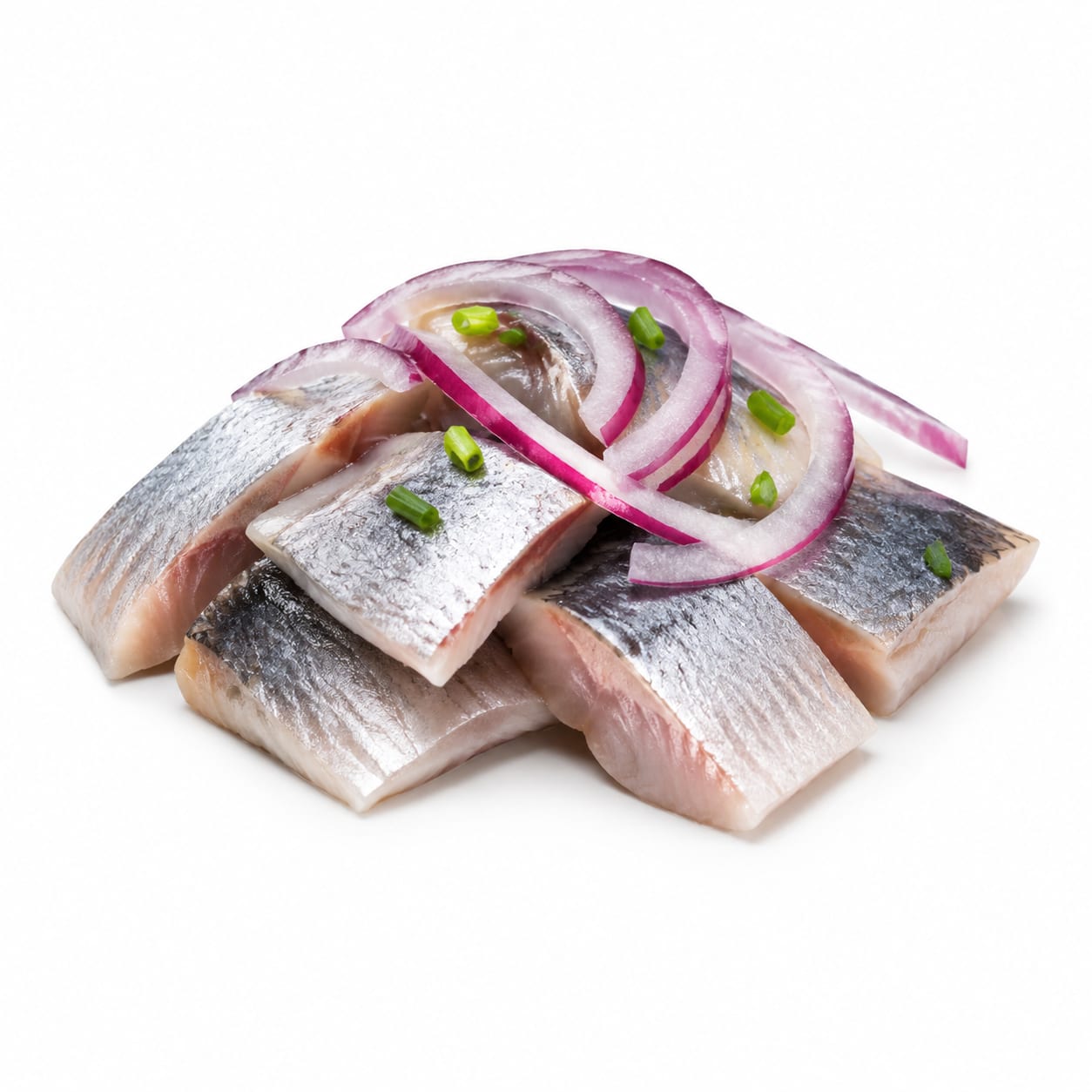
Herring
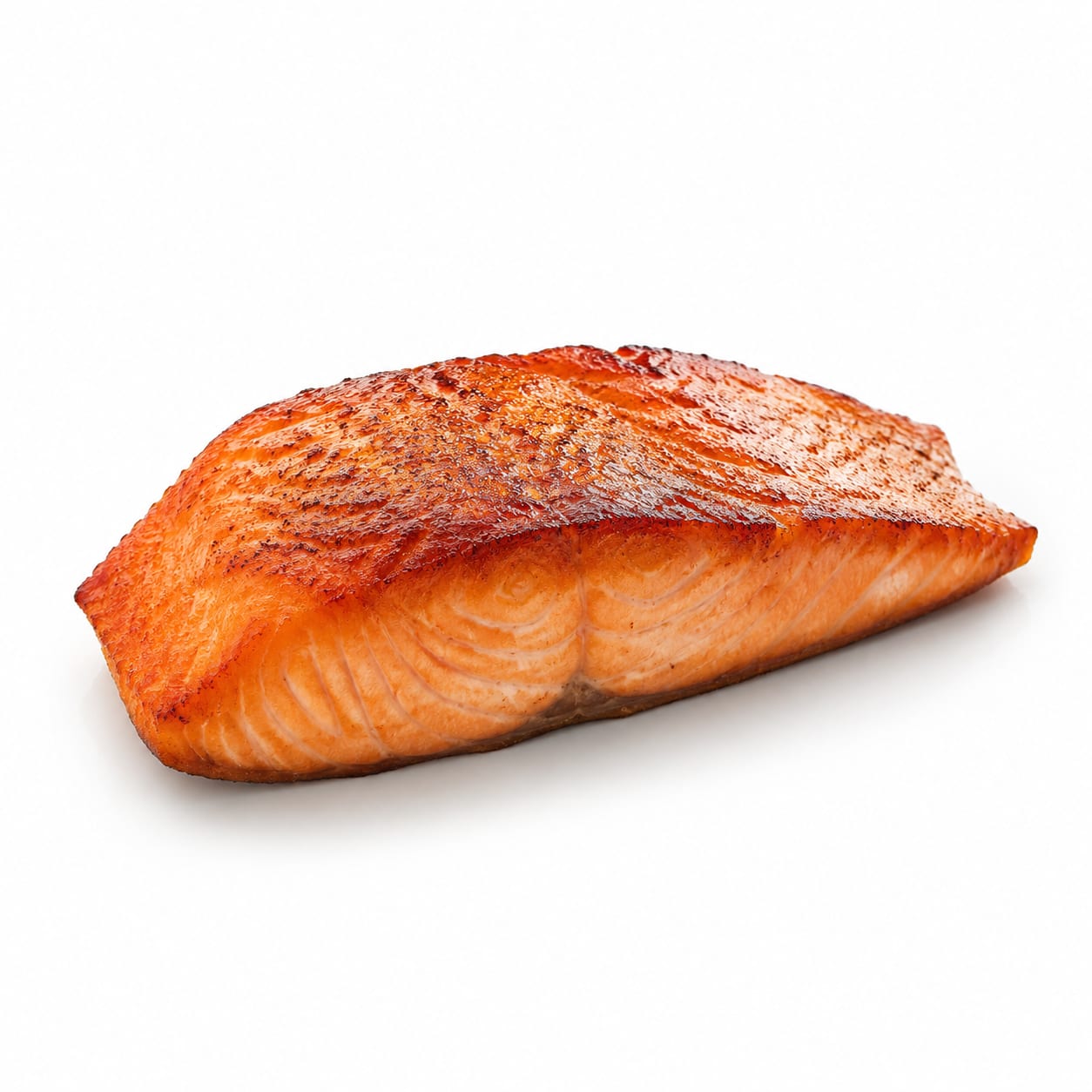
Trout
Herring packs more omega-3s and vitamin D, but Trout offers a milder flavor and easier eating experience with fewer bones.
Herring edges out Trout slightly due to superior omega-3 and vitamin D content, but Trout's culinary ease and lower sodium keep it highly competitive.
Nutritional density versus culinary convenience and sodium load.
At a glance
Executive summary
Overall
It depends
Healthier
Herring
More practical
Trout
Daily use
Trout
Key comparison lenses
Omega-3 and nutrient density comparison
Both are fatty fish, but Herring is famously rich in EPA/DHA and Vitamin D, making nutrient density a key differentiator.
Sodium and preservation methods
Herring is frequently consumed pickled, smoked, or canned, drastically altering its sodium profile compared to typically fresh Trout.
Mercury and contaminant exposure
Consumers often compare fish based on heavy metals; Herring is lower on the food chain, generally meaning fewer contaminants.
Culinary ease and bone annoyance
Herring's tiny bones and strong flavor contrast with Trout's mild taste and user-friendly fillets, impacting daily practicality.
Best choice for
Herring
- Maximizing omega-3 intake per calorie
- Boosting vitamin D levels naturally
- Budget-friendly canned seafood options
Trout
- Easy, elegant weeknight dinners
- Strict low-sodium diets
- People who dislike strong fishy flavors
Least suitable for
Herring
- Low-sodium diets if eating pickled or canned versions
- People frustrated by small, hard-to-removing bones
- Picky eaters unaccustomed to bold fish flavors
Trout
- Maximizing EPA/DHA on a very tight budget
- Those seeking the absolute lowest mercury levels available
Deep comparison
Dimension by dimension
Each lens scores both foods and breaks down who each option suits.
- Dimension 1 · Priority 95Herring
Omega-3 & Nutrient Density
Herring · 95Trout · 82Herring delivers a significantly higher dose of EPA/DHA omega-3s and vitamin D per serving than Trout.
Tradeoff
You get more anti-inflammatory fats with Herring, but you have to navigate its bony structure to get them.
Why it matters
Higher omega-3 intake is directly linked to better heart health, mood regulation, and reduced joint pain.
Real-world impact
Eating Herring a couple of times a week can noticeably move the needle on your omega-3 intake without needing supplements.
Herring
- Cardiovascular protection
- Reducing chronic inflammation
- Natural vitamin D acquisition
Better for
Trout
- Matching the peak omega-3 density of smaller fatty fish
Worse for
- Dimension 2 · Priority 85Trout
Sodium & Preparation
Herring · 55Trout · 92Fresh Trout is naturally low in sodium, while Herring is frequently preserved with high amounts of salt.
Tradeoff
Herring's incredible shelf life and savory pickled flavor come at the cost of high sodium intake.
Why it matters
Excess sodium drives up blood pressure and causes bloating, undermining the heart-health benefits of the fish.
Real-world impact
A single serving of pickled Herring can contain half your daily sodium limit, making it a risky choice for blood pressure management.
Herring
- Long shelf life
- Intense savory flavor
Better for
- Water retention
- Blood pressure spikes
Worse for
Trout
- Blood pressure control
- Hydration and reduced bloating
Better for
- Dimension 3 · Priority 80Herring
Contaminant & Mercury Profile
Herring · 94Trout · 85Herring sits lower on the food chain, accumulating far less mercury and fewer microplastics than Trout.
Tradeoff
While both are safe choices, Herring offers extra peace of mind for frequent fish eaters worried about heavy metals.
Why it matters
Consistent exposure to high mercury can impair neurological function, making low-mercury fish crucial for regular consumption.
Real-world impact
If you eat fish 3-4 times a week, choosing Herring helps keep your cumulative mercury load comfortably low.
Herring
- Frequent fish eaters
- Prenatal safety
Better for
Trout
- Slightly higher bioaccumulation risk
Worse for
- Dimension 4 · Priority 75Trout
Culinary Experience & Convenience
Herring · 60Trout · 90Trout offers a mild, sweet flavor and meaty fillets, whereas Herring has a strong flavor and pesky small bones.
Tradeoff
Herring provides more nutrients per bite, but Trout is far more pleasant and convenient to actually eat.
Why it matters
If a food is annoying to prep or eat, you simply won't eat it, losing all the nutritional benefits.
Real-world impact
Pan-frying a Trout fillet takes minutes and zero bone-picking, making it a realistic weeknight dinner; Herring often requires more effort or acquired taste.
Herring
- Choking hazard from tiny bones
- Steep learning curve for preparation
Worse for
Trout
- Quick weeknight cooking
- Serving to picky eaters or kids
- Hassle-free dining
Better for
Timeline
Health impact over time
Short-term
Hours to days
Herring
- May cause bloating or thirst from high sodium if eating preserved versions
- Strong flavor can be off-putting for unaccustomed palates
Trout
- Provides light, satisfying protein that digests easily
- Very filling without leaving you feeling heavy or sluggish
Long-term
Months to years
Herring
- Excellent cardiovascular protection and anti-inflammatory benefits from high omega-3s
- Risk of elevated blood pressure if consuming pickled or smoked versions too often
Trout
- Sustained heart health benefits and muscle maintenance
- Lower sodium intake supports healthier blood pressure long-term
Risk profile
Safety & processing
While fresh Herring exists, it is most commonly found pickled, smoked, or canned, which introduces high sodium and sometimes preservatives. Trout is overwhelmingly sold fresh or frozen as a whole fish or fillet, keeping it closer to its natural state.
Herring
High sodium load
mediumPickled and canned Herring can pack over 800mg of sodium per serving, posing a risk for those with hypertension.
Small bones
lowEven filleted Herring often contains tiny, hard-to-spot bones that can be a choking hazard if not eaten carefully.
Trout
Farmed contaminant exposure
lowConventionally farmed Trout may have slightly higher exposure to antibiotics or PCBs compared to wild-caught, though regulations are strict.
Slightly higher mercury
lowTrout is a larger fish than Herring and thus accumulates slightly more mercury, though it remains well within safe limits.
Who wins for whom
Audience fit
Same foods, different winners depending on your goal.
children
TroutTrout's mild, non-fishy taste and boneless fillets make it far easier and safer for kids to eat without fuss.
daily consumption
TroutTrout is easier to cook fresh daily without the sodium concerns associated with regular Herring consumption.
diabetes
HerringHerring's superior omega-3 profile strongly supports insulin sensitivity, provided it is not packed in sugary or high-sodium brines.
elderly
HerringHerring's dense vitamin D and omega-3s are crucial for bone and brain health in aging adults, assuming they can navigate the bones.
muscle gain
HerringHerring provides slightly more protein and omega-3s per calorie, which helps reduce exercise-induced inflammation and support recovery.
weight loss
TroutTrout is usually consumed fresh with minimal sodium, preventing water retention and keeping calories low while providing high satiety.
Your move
Decision guide
Choose Herring
- You want the absolute maximum omega-3 and vitamin D bang for your buck
- You enjoy strong, savory, pickled flavors
- You eat fish occasionally rather than every day
Choose Trout
- You want an easy, elegant weeknight meal with minimal prep
- You are watching your sodium intake strictly
- You hate picking tiny bones out of your food
Either works if
- You just need a solid, high-quality lean protein source
- You want to hit your two servings of heart-healthy fish per week
Avoid both if
- You have a severe fish or shellfish allergy
Final recommendation
If you are chasing peak nutrient density and love bold flavors, Herring is your superfood. If you want a practical, delicious, and low-sodium fish that you can easily eat multiple times a week, Trout is the better everyday choice.
Practical
Consumer tips
- 1
Rinse canned Herring under water to remove excess surface sodium before eating.
- 2
Look for fresh or frozen Herring fillets to avoid the high sodium of pickled versions entirely.
- 3
Choose sustainably farmed Rainbow Trout to ensure the lowest contaminant risk and environmental impact.
- 4
Pair Trout with lemon and fresh herbs to enhance its mild flavor without relying on heavy salt.