
Nutrition comparison
Herring vs Tilapia: Which Fish is Healthier?
Compare Herring vs Tilapia to see which is better for omega-3s, weight loss, and safety. Learn the nutritional differences and which fish fits your diet.
Overall winner · Herring
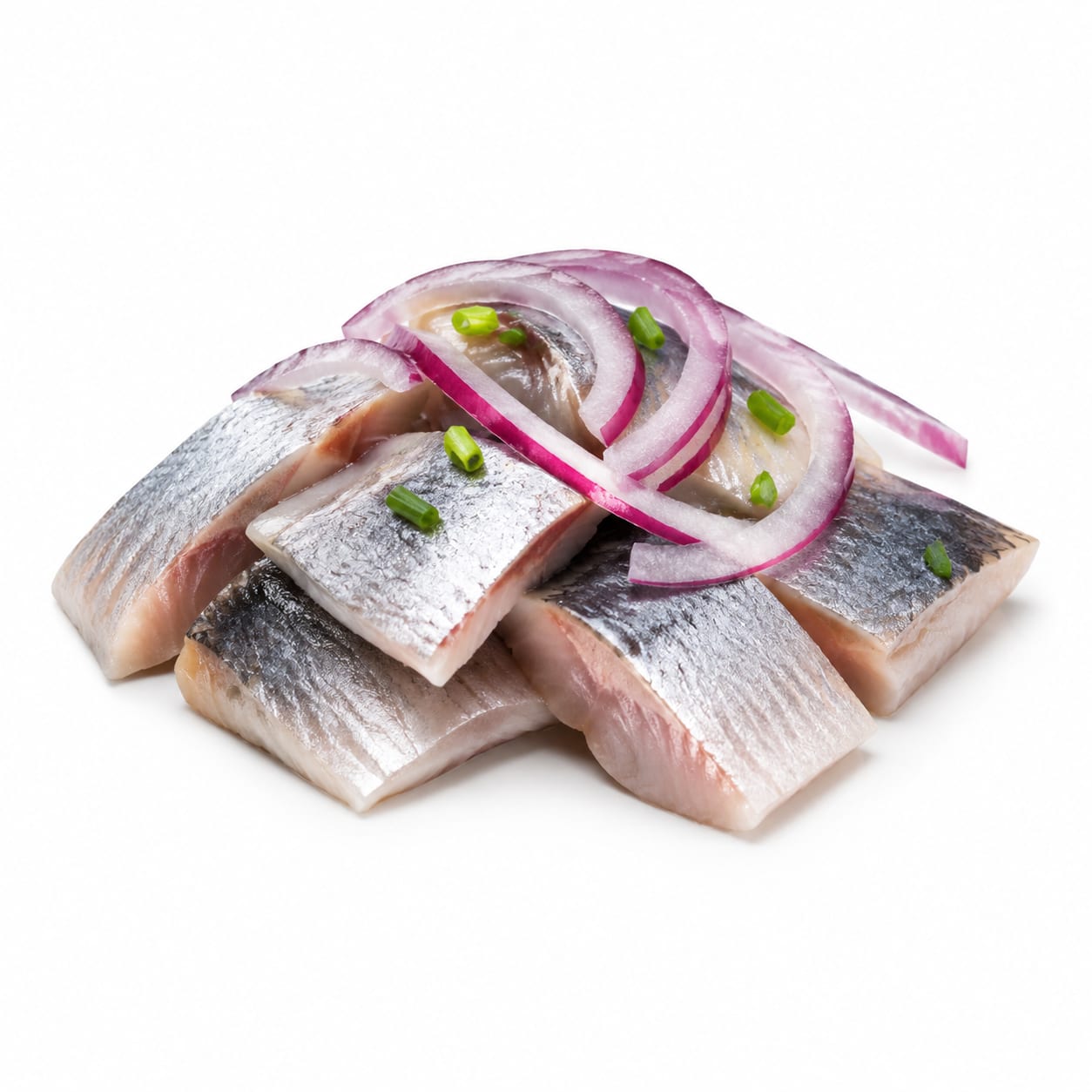
Herring
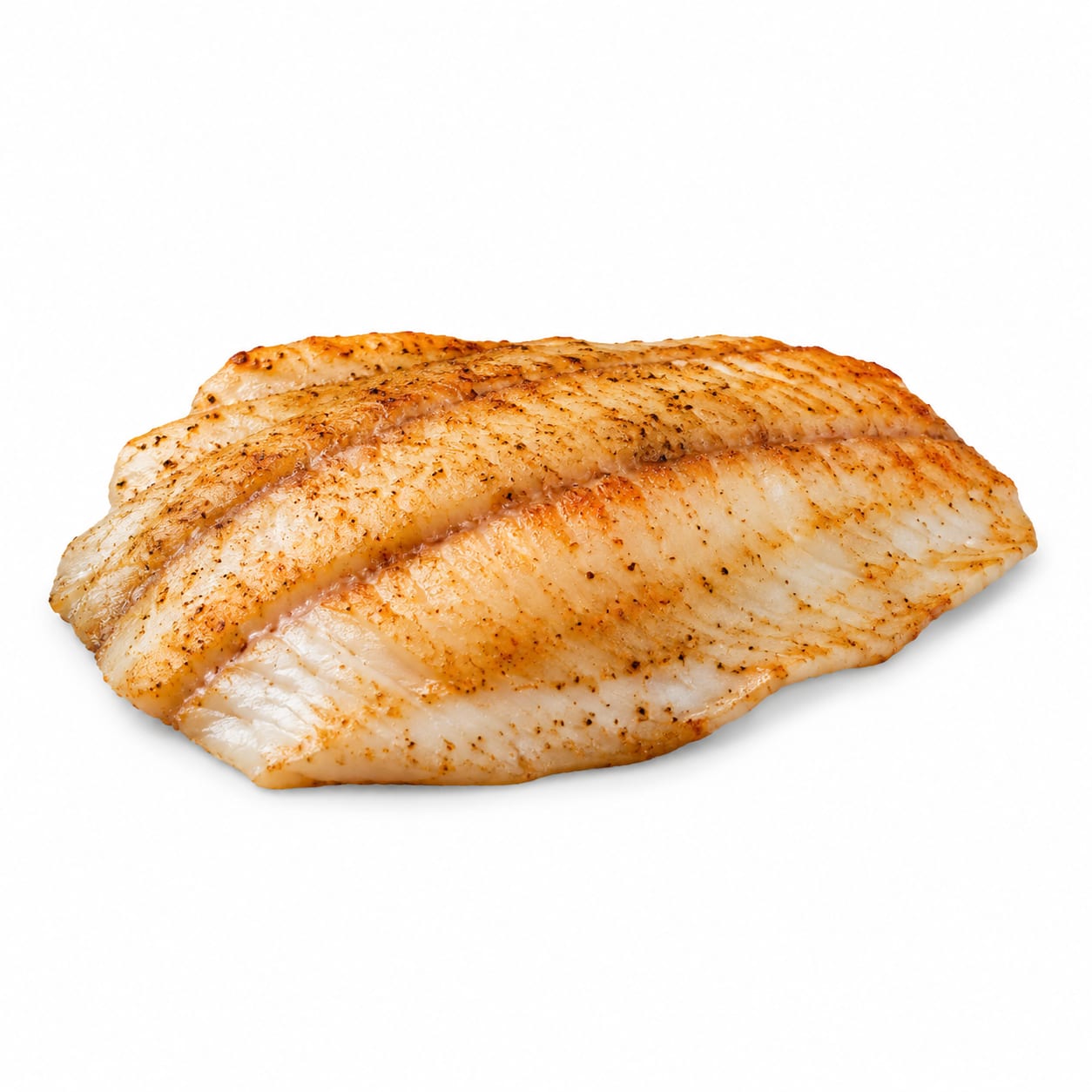
Tilapia
Herring dominates for nutritional density and heart health, but Tilapia wins on leanness, mild taste, and picky-eater appeal.
Herring scores significantly higher due to its exceptional omega-3 content, vitamin density, and wild-caught safety profile. Tilapia remains a solid lean protein choice but lacks the deep nutritional benefits and carries farming-related drawbacks.
You trade the massive omega-3 and vitamin D benefits of Herring for the low-calorie, neutral, and easy-to-use profile of Tilapia.
At a glance
Executive summary
Overall
Herring
Healthier
Herring
More practical
Tilapia
Daily use
It depends
Key comparison lenses
Omega-3 vs Lean Protein
Herring is an omega-3 powerhouse while Tilapia offers lean protein with almost no fat, representing a fundamental nutritional fork in the road.
Wild-caught vs Farm-raised safety
Herring is typically wild-caught with low contaminant profiles, whereas Tilapia is predominantly farm-raised, raising concerns about farming practices and antibiotic use.
Inflammatory fat balance
The ratio of omega-3 to omega-6 fats is drastically different, impacting how each fish affects systemic inflammation.
Culinary versatility and taste preference
Tilapia's mild flavor makes it a family staple, while Herring's stronger flavor requires specific preparation preferences.
Best choice for
Herring
- Heart and brain health optimization
- Getting enough vitamin D and B12 naturally
- Anti-inflammatory diets
- Keto or low-carb high-fat diets
Tilapia
- Strict calorie counting and weight loss
- Families with picky eaters who dislike fishy flavors
- Post-workout lean protein without extra fat
- Easy weeknight meal prep
Least suitable for
Herring
- People who detest strong fish flavors
- Those strictly limiting dietary fat
- Gout sufferers due to higher purine levels
Tilapia
- Those needing omega-3 boosts from food
- People avoiding farm-raised seafood
- Anti-inflammatory protocols requiring high omega-3 intake
Deep comparison
Dimension by dimension
Each lens scores both foods and breaks down who each option suits.
- Dimension 1 · Priority 98Herring
Omega-3 & Heart Health
Herring · 98Tilapia · 15Herring is one of the best omega-3 sources on the planet; Tilapia barely registers.
Tradeoff
Choosing Tilapia means missing out on the most impactful heart-health fats available in food.
Why it matters
Omega-3s reduce inflammation, lower triglycerides, and support brain function. This is the single biggest nutritional gap between these two fish.
Real-world impact
Eating Herring a few times a week can meaningfully improve blood panels; eating Tilapia provides protein but won't move the needle on inflammation.
Herring
- Cardiovascular disease prevention
- Brain health and cognitive aging
- Joint inflammation reduction
Better for
- Very low-fat medical diets
Worse for
Tilapia
- Diets strictly limiting all dietary fats
Better for
- Reducing systemic inflammation
- Getting essential EPA/DHA without supplements
Worse for
- Dimension 2 · Priority 80Tilapia
Calorie Density & Leanness
Herring · 60Tilapia · 95Tilapia is almost pure protein with very few calories from fat, making it a dieter's dream.
Tradeoff
You get supreme leanness with Tilapia, but you lose the satiety and steady energy that comes from Herring's healthy fats.
Why it matters
If you are strictly counting calories or macros, Tilapia lets you maximize protein intake while keeping calories rock bottom.
Real-world impact
A Tilapia fillet feels light and leaves room on your plate for carbs or veggies; Herring is more filling on its own.
Herring
- Meals that need to keep you full for hours
- Low-carb and keto lifestyles
Better for
- Portion control for strict calorie counters
Worse for
Tilapia
- Creating a calorie deficit easily
- Lean muscle-building phases
- Pre-contest bodybuilding diets
Better for
- Satiety between meals without adding other fats
Worse for
- Dimension 3 · Priority 88Herring
Contaminants & Farming Safety
Herring · 90Tilapia · 55Herring is wild-caught and low on the food chain, making it very clean. Tilapia's farm-raised origins carry more risk.
Tradeoff
Herring offers peace of mind regarding waterborne contaminants and antibiotics, while Tilapia's farming practices can be a gamble depending on the source.
Why it matters
Farm-raised seafood often involves antibiotics, poorer omega ratios, and potential microplastic exposure from crowded pens.
Real-world impact
You can eat Herring frequently without worrying about mercury or antibiotic residues, whereas Tilapia requires careful sourcing to feel safe about.
Herring
- Clean eating protocols
- Avoiding antibiotic exposure
- Minimizing heavy metal intake
Better for
- Risk of histamine reactions if not kept very cold
Worse for
Tilapia
- Budget constraints where wild fish is unaffordable
Better for
- Concerns about overseas aquaculture standards
- Unwanted antibiotic or chemical residues
Worse for
- Dimension 4 · Priority 75Tilapia
Culinary Versatility & Taste
Herring · 45Tilapia · 90Tilapia is a blank canvas that takes on any flavor; Herring is a distinct, fishy experience that isn't for everyone.
Tradeoff
Tilapia is easy to cook and please crowds with, while Herring requires an appreciation for stronger, oilier fish flavors.
Why it matters
The healthiest food only works if you actually eat it. Tilapia's mildness makes it a practical staple for households that usually dislike fish.
Real-world impact
You can throw Tilapia into tacos, curries, or bake it with lemon and no one complains. Herring usually needs specific recipes like pickling or mustard sauce.
Herring
- Traditional Nordic and Eastern European recipes
- Pate and savory spreads
Better for
- Picky eaters
- Needing a neutral protein base
Worse for
Tilapia
- Family dinners with kids
- Adapting to any cuisine or flavor profile
- Quick, no-think weeknight baking
Better for
- Standing alone as a flavorful centerpiece dish
Worse for
- Dimension 5 · Priority 82Herring
Vitamin & Mineral Density
Herring · 95Tilapia · 50Herring is loaded with hard-to-get nutrients like Vitamin D and B12; Tilapia is comparatively nutrient-poor.
Tradeoff
Herring acts almost like a natural multivitamin, while Tilapia primarily delivers just protein and selenium.
Why it matters
Vitamin D deficiency is widespread, and Herring is one of the few significant food sources. B12 is crucial for nerve health and energy.
Real-world impact
Eating Herring can genuinely improve energy and mood through B12 and D, especially in winter. Tilapia won't offer that boost.
Herring
- Correcting Vitamin D deficiency
- Boosting B12 for energy
- Bone health support
Better for
- Those who already supplement heavily with D and B12
Worse for
Tilapia
- Basic selenium intake
Better for
- Reliance on food for micronutrient needs
Worse for
Timeline
Health impact over time
Short-term
Hours to days
Herring
- High satiety and reduced cravings due to rich fat content
- Steadier energy levels without blood sugar spikes
- Potential digestive adjustment if you aren't used to oily fish
Tilapia
- Light feeling after eating, easy on the stomach
- Quick protein availability for muscle repair
- May leave you hungry sooner if not paired with healthy fats
Long-term
Months to years
Herring
- Significantly lower risk of cardiovascular disease
- Better cognitive aging and mood regulation
- Stronger bones from Vitamin D accumulation
Tilapia
- Maintained muscle mass with low calorie intake
- Potential inflammatory imbalance if used as the sole fish source due to low omega-3
- Risk of antibiotic resistance markers if consuming poorly farmed Tilapia frequently
Risk profile
Safety & processing
Both are minimally processed when bought fresh or frozen, but canned Herring may contain added salt, while farm-raised Tilapia carries concerns about what the fish was exposed to before harvest, making Herring the cleaner choice overall.
Herring
Purine content
mediumHerring is moderately high in purines, which can trigger gout flare-ups in susceptible individuals.
Histamine toxicity
lowIf Herring is not properly refrigerated, histamine levels can build up, causing scombroid poisoning symptoms like flushing and headaches.
Tilapia
Antibiotic and chemical residues
mediumImported farm-raised Tilapia may be exposed to antibiotics and pesticides banned in domestic aquaculture, depending on the country of origin.
Omega-6 excess
mediumCorn and soy-based feeds give farmed Tilapia a high omega-6 to omega-3 ratio, which can promote inflammation if eaten as a primary protein.
Who wins for whom
Audience fit
Same foods, different winners depending on your goal.
children
TilapiaTilapia's mild, non-fishy taste and lack of small bones (in fillets) make it far more appealing and safer for kids.
daily consumption
It dependsTilapia is easier to eat daily due to taste and leanness, but Herring provides vastly superior daily nutritional value if you enjoy the flavor.
diabetes
HerringHerring's high omega-3 content improves insulin sensitivity and its fat content prevents blood sugar spikes, whereas Tilapia lacks these protective fats.
elderly
HerringHerring delivers crucial nutrients for aging, specifically Vitamin D for bone density and B12 for neurological health, plus omega-3s for heart protection.
muscle gain
TilapiaTilapia provides pure, lean protein without added fats, making it easier to hit high protein targets without overshooting calorie limits.
weight loss
TilapiaTilapia's extremely low calorie and fat count makes it easier to fit into a strict calorie deficit, though Herring's satiety is also valuable.
Your move
Decision guide
Choose Herring
- You want to dramatically boost your omega-3 intake without supplements
- Heart and brain health are your top priorities
- You enjoy or want to explore stronger, savory fish flavors
- You are concerned about the ethics and safety of farm-raised seafood
Choose Tilapia
- You are counting calories strictly and need maximum protein for minimal calories
- You or your family dislike fishy tastes but want to eat more seafood
- You need a quick, versatile protein that works in any recipe
- You are focusing on lean muscle gain without dietary fat
Either works if
- You simply want a break from chicken or beef for dinner
- You are building a varied weekly meal plan and can rotate both
- You need a solid protein base for a grain bowl or salad
Avoid both if
- You have a severe fish or seafood allergy
- You are strictly following a plant-based diet
Final recommendation
Make Herring your primary fish for nutritional impact, and keep Tilapia around as a convenient, crowd-pleasing backup. If you eat Tilapia, try to source domestically farmed or responsibly raised fillets to minimize the downsides of aquaculture.
Practical
Consumer tips
- 1
If buying Tilapia, look for country of origin labels; US, Canada, or Ecuador farm-raised generally have stricter regulations than others.
- 2
Canned Herring in mustard or tomato sauce is an affordable, shelf-stable way to get omega-3s, but watch the sodium content.
- 3
If the strong taste of Herring puts you off, try pickled Herring or marinate fresh fillets in lemon and herbs to brighten the flavor.
- 4
Freezing Tilapia fillets in portions makes for incredibly fast weeknight meal prep since they cook directly from frozen in under 20 minutes.