
Nutrition comparison
Herring vs Shrimp: Nutrition, Omega-3, & Health Comparison
Compare Herring vs Shrimp for Omega-3, protein, mercury, and weight loss. Find out which seafood is better for your health goals.
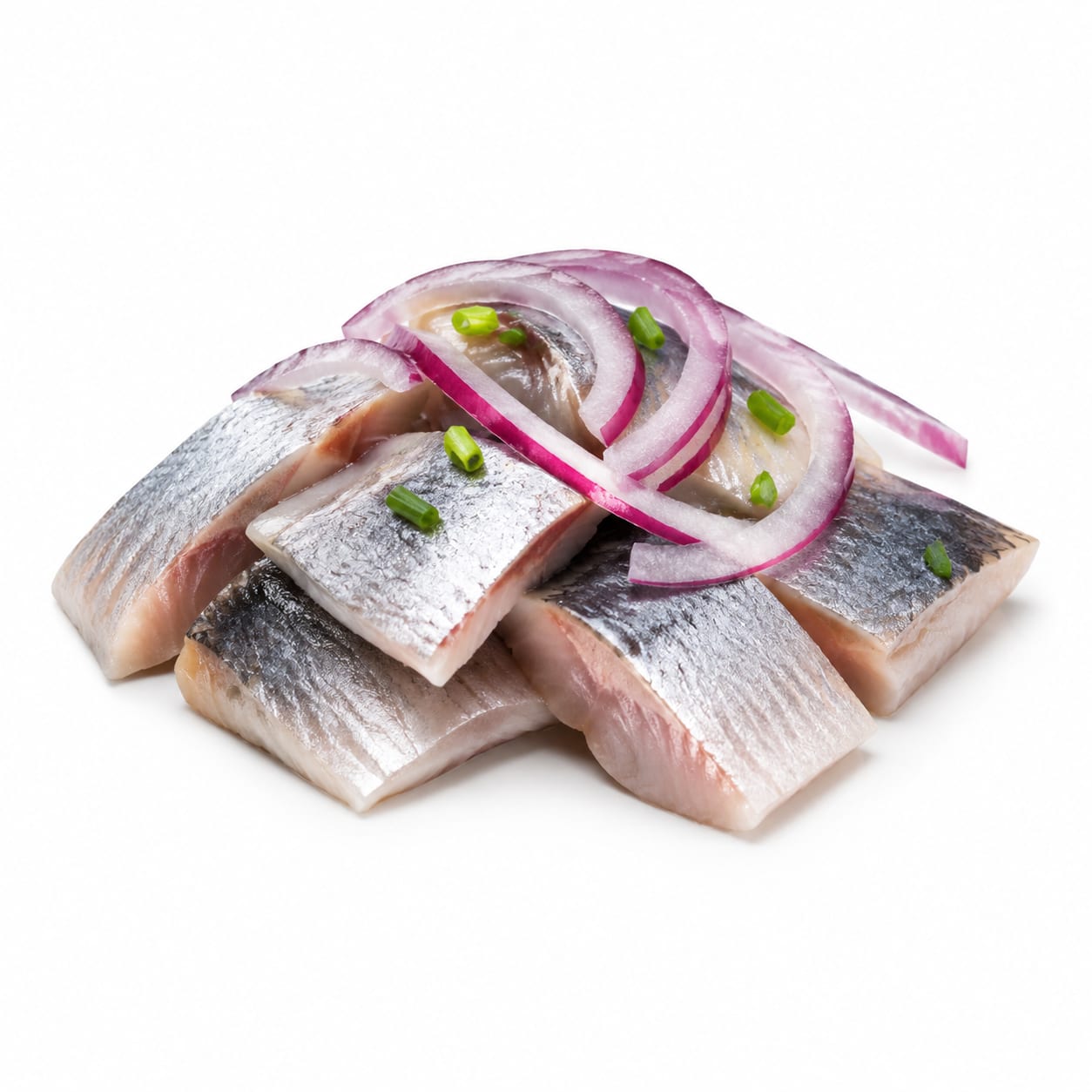
Herring
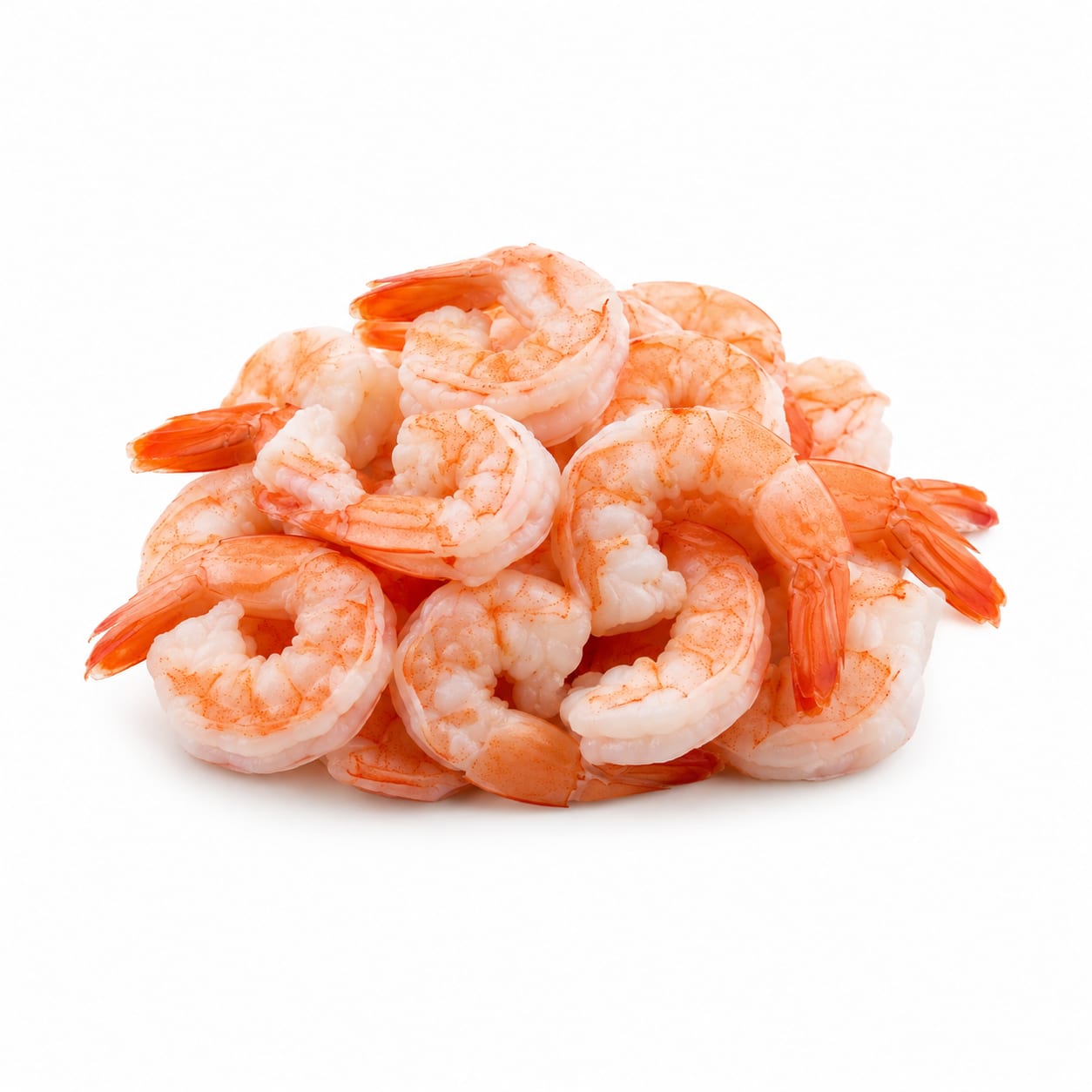
Shrimp
Herring wins for brain and heart health due to massive Omega-3s, while Shrimp wins for lean protein and culinary ease.
Herring scores slightly higher for dense nutritional benefits like Omega-3s and Vitamin D, but Shrimp stays close due to its unbeatable lean protein profile and everyday versatility. The close score reflects their different but equally valid health roles.
You are choosing between the deep, healthy fats of Herring and the ultra-lean, versatile protein of Shrimp.
At a glance
Executive summary
Overall
It depends
Healthier
Herring
More practical
Shrimp
Daily use
Shrimp
Key comparison lenses
Omega-3 and heart health impact
Herring is a top-tier source of EPA and DHA, while Shrimp provides almost none
Calorie density and lean protein
Shrimp is famously low-calorie and high-protein, making it a diet staple, whereas Herring is higher in fat
Sodium and preparation methods
Herring is frequently pickled or smoked, drastically increasing its sodium content compared to fresh Shrimp
Heavy metals and contamination
Herring is lower on the food chain with less mercury, while Shrimp can carry additives or farm runoff concerns
Culinary versatility
Shrimp adapts to nearly any cuisine, while Herring has a distinct, strong flavor profile
Best choice for
Herring
- People needing an Omega-3 boost
- Those concerned about mercury in seafood
- Anyone wanting to increase Vitamin D naturally
Shrimp
- People counting calories for weight loss
- Those wanting a quick-cooking weeknight protein
- Picky eaters who prefer mild-tasting seafood
Least suitable for
Herring
- People on strict low-sodium diets (if eating pickled or smoked)
- Those who dislike strong fishy flavors
- Individuals managing gout flare-ups
Shrimp
- People strictly avoiding dietary cholesterol
- Those concerned about farm-raised seafood additives
- Vegans or vegetarians
Deep comparison
Dimension by dimension
Each lens scores both foods and breaks down who each option suits.
- Dimension 1 · Priority 95Herring
Omega-3 & Heart Health
Herring · 98Shrimp · 25Herring is an Omega-3 powerhouse, while Shrimp offers lean protein but little fat.
Tradeoff
You trade the heart-healthy fats of Herring for the ultra-lean profile of Shrimp.
Why it matters
Omega-3s are critical for brain and heart health, and hard to get in typical diets.
Real-world impact
Eating Herring a few times a week noticeably improves your healthy fat intake compared to Shrimp.
Herring
- Reducing inflammation
- Supporting brain health
- Lowering triglycerides
Better for
- Low-fat diets
Worse for
Shrimp
- Keeping meals light
- Avoiding dietary fat
Better for
- Boosting Omega-3 intake
- Improving heart health markers
Worse for
- Dimension 2 · Priority 88Shrimp
Calorie Density & Lean Protein
Herring · 70Shrimp · 95Shrimp is almost pure protein with very few calories, making it a dieter's dream.
Tradeoff
Shrimp has fewer calories, but Herring's fat makes it more filling and satisfying.
Why it matters
If you are counting calories, Shrimp lets you eat a larger portion for fewer calories.
Real-world impact
A shrimp stir-fry feels light but keeps you full from the protein, without the heavier feeling of an oily fish.
Herring
- Staying full for hours
- Getting sustained energy
Better for
- Strict calorie counting
Worse for
Shrimp
- Weight loss diets
- Post-workout lean protein
- Portion control
Better for
- Satiety from healthy fats
Worse for
- Dimension 3 · Priority 82Shrimp
Sodium & Preparation
Herring · 40Shrimp · 85Fresh Shrimp is naturally low in sodium, while Herring is often pickled, smoked, or canned with heavy salt.
Tradeoff
Herring's convenient ready-to-eat formats come with a high sodium price tag.
Why it matters
High sodium intake drives up blood pressure and causes bloating.
Real-world impact
Eating pickled Herring might leave you thirsty and puffy, whereas fresh Shrimp won't sabotage your salt limits.
Herring
- Shelf-stable pantry meals
Better for
- Sodium-sensitive individuals
Worse for
Shrimp
- Blood pressure management
- Reducing water retention
Better for
- Need for refrigeration and cooking
Worse for
- Dimension 4 · Priority 75Herring
Contamination & Heavy Metals
Herring · 90Shrimp · 70Herring is low on the food chain, meaning it accumulates far less mercury, while Shrimp can sometimes carry additives or farm runoff.
Tradeoff
Herring is cleaner regarding heavy metals, but Shrimp is safer regarding purines if you have gout.
Why it matters
Mercury and contaminants build up over time, making low-food-chain fish a safer regular choice.
Real-world impact
You can eat Herring weekly without worrying about mercury, whereas large shrimp should be eaten more moderately.
Herring
- Pregnant women seeking safe seafood
- Reducing mercury exposure
Better for
- Gout flare-ups
Worse for
Shrimp
- Managing gout
Better for
- Avoiding farm-raised additives
Worse for
- Dimension 5 · Priority 70Shrimp
Culinary Versatility
Herring · 55Shrimp · 92Shrimp cooks in minutes and absorbs almost any flavor, while Herring has a distinct, strong taste that limits its use.
Tradeoff
Shrimp adapts to any cuisine, but Herring is usually a specific flavor profile you have to be in the mood for.
Why it matters
You are more likely to actually cook and eat the food that fits easily into your normal recipes.
Real-world impact
Throwing Shrimp into a pasta or salad takes 5 minutes, but Herring usually requires planning around its bold flavor.
Herring
- No-cook meal prep
Better for
- Picky eaters
Worse for
Shrimp
- Family-friendly dinners
- Quick weeknight meals
- Adapting to various cuisines
Better for
- Zero-prep snacking
Worse for
Timeline
Health impact over time
Short-term
Hours to days
Herring
- Very filling due to high fat content
- Can cause thirst if consuming pickled varieties
- Provides steady, long-lasting energy
Shrimp
- Light and energizing after eating
- Quick to digest before workouts
- Leaves room for side dishes without feeling overstuffed
Long-term
Months to years
Herring
- Excellent for brain health and reducing inflammation thanks to Omega-3s
- High Vitamin D supports bone health and immunity
- Risk of elevated blood pressure if relying on salted versions
Shrimp
- Great for maintaining muscle mass on a low-calorie diet
- Supports thyroid function from selenium and iodine
- Dietary cholesterol may be a concern for hyper-responders
Risk profile
Safety & processing
Fresh Herring is minimally processed, but it is most commonly sold pickled, smoked, or canned with high salt. Fresh Shrimp is completely natural, though frozen varieties are often treated with sodium tripolyphosphate to retain moisture.
Herring
High sodium from preservation
mediumPickled and smoked Herring can pack a day's worth of sodium in a single serving, impacting blood pressure.
Purine content
mediumHerring is high in purines, which can trigger gout attacks in susceptible individuals.
Shrimp
Additives in frozen products
mediumSodium tripolyphosphate (STPP) is commonly used in frozen Shrimp to retain water, increasing sodium and giving a spongy texture.
Farm antibiotic residues
lowImported farm-raised Shrimp may have traces of antibiotics banned in domestic seafood production.
Dietary cholesterol
lowShrimp is high in cholesterol, though modern nutrition recognizes saturated fat impacts blood cholesterol more than dietary cholesterol for most people.
Who wins for whom
Audience fit
Same foods, different winners depending on your goal.
children
ShrimpShrimp has a milder flavor and fun finger-food appeal, making it far easier to get kids to eat it than strong-tasting Herring.
daily consumption
ShrimpFresh Shrimp is lower in sodium and more culinary versatile, making it easier to incorporate daily without getting fatigued or bloated.
diabetes
HerringThe healthy fats in Herring slow digestion and stabilize blood sugar, while its Omega-3s improve insulin sensitivity over time.
elderly
HerringHerring provides crucial Vitamin D and Omega-3s for cognitive and bone health, and its soft texture when canned is easy to chew.
muscle gain
ShrimpShrimp offers a higher protein-to-calorie ratio, which is ideal when you need high protein without feeling overly full.
weight loss
ShrimpShrimp provides massive protein portions for very few calories, making it incredibly easy to stay in a deficit.
Your move
Decision guide
Choose Herring
- You want a massive Omega-3 and Vitamin D boost
- You are looking for a shelf-stable, no-cook protein option
- You love bold, savory, and tangy flavors
Choose Shrimp
- You want lean protein for weight loss or muscle gain
- You need a quick-cooking protein for busy weeknights
- You prefer mild seafood that takes on the flavor of your sauces
Either works if
- You are rotating seafood to get a variety of nutrients
- You need high-quality, complete protein sources
Avoid both if
- You have a severe seafood allergy
- You need to strictly limit purines due to gout
Final recommendation
Let your primary goal guide you. Choose Herring if brain health, inflammation reduction, and nutrient density are your top priorities. Choose Shrimp if you want a lean, family-friendly protein that fits seamlessly into a calorie-controlled routine. Rotating both gives you the best of both worlds.
Practical
Consumer tips
- 1
Rinse canned or pickled Herring under water to wash away some of the surface salt before eating.
- 2
Check frozen Shrimp labels carefully to avoid products treated with STPP (sodium tripolyphosphate).
- 3
If trying Herring for the first time, start with a mild smoked fillet rather than pickled to adjust to the flavor.
- 4
Buy wild-caught Shrimp when possible to avoid the antibiotic concerns sometimes found in imported farm-raised varieties.
- 5
Pair Herring with high-fiber crackers or rye bread to balance the strong flavor and slow down sodium absorption.