
Nutrition comparison
Herring vs Sardines: Which Oily Fish Is Better for You?
Compare herring and sardines on omega-3, calcium, vitamin D, mercury, and convenience. Learn which fish fits your health goals and daily routine better.
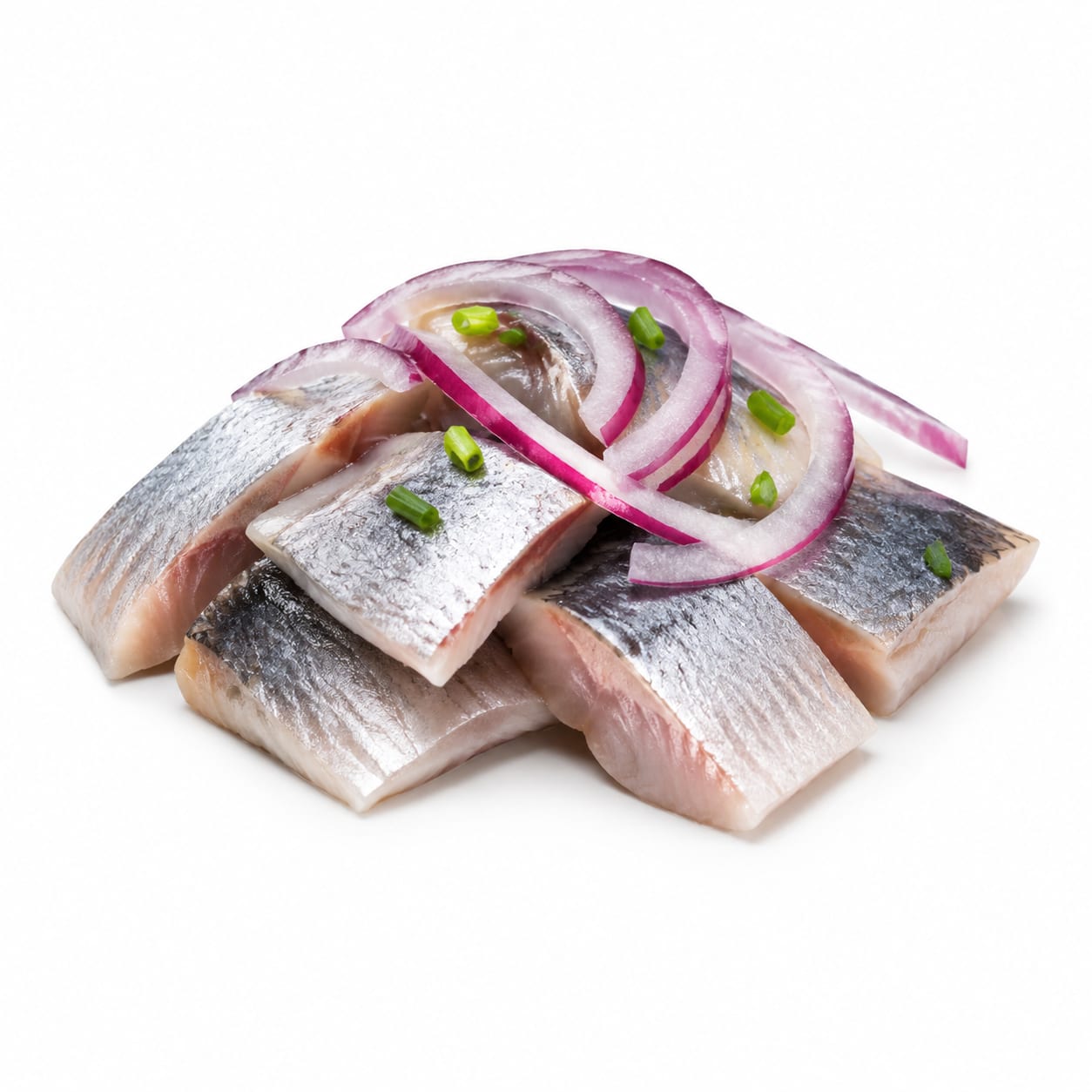
Herring
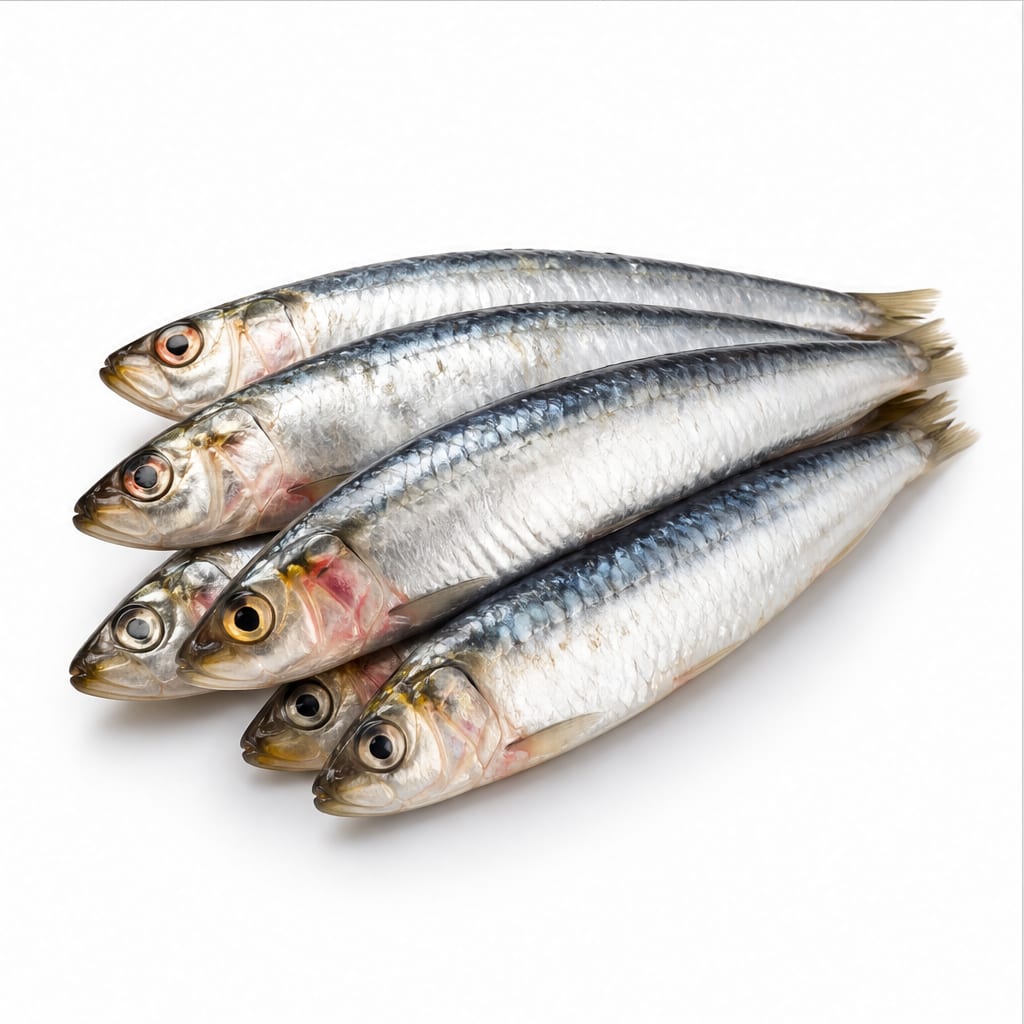
Sardines
Both are nutritional powerhouses, but sardines win on convenience and calcium, while herring edges ahead on omega-3 density and vitamin D.
Sardines score slightly higher due to superior convenience, calcium content, and everyday practicality. Herring matches or exceeds on omega-3 and vitamin D but loses points because common pickled preparations add significant sodium, and fresh herring is harder to find.
Sardines offer easier daily eating with bone-in calcium, but herring delivers slightly more omega-3 per bite if you can find fresh or low-sodium preparations.
At a glance
Executive summary
Overall
It depends
Healthier
It depends
More practical
Sardines
Daily use
Sardines
Key comparison lenses
omega-3 and heart health comparison
Both are top-tier omega-3 sources, and users are likely choosing between them for cardiovascular benefits
mercury and contaminant safety
Small fish comparison inevitably raises questions about heavy metals and pollutant accumulation
everyday practicality and taste
Canned sardines are pantry staples while herring is less familiar, so usability matters
bone health and calcium
Sardines eaten with bones provide exceptional calcium, a key differentiator
sodium and preparation concerns
Pickled and smoked herring varieties carry high sodium loads that affect daily suitability
Best choice for
Herring
- People maximizing omega-3 intake per calorie
- Those seeking higher vitamin D naturally
- Anyone avoiding canned foods preferring fresh fish
- Northern European traditional diets
Sardines
- People wanting a convenient pantry staple
- Anyone needing more calcium without supplements
- Budget-conscious omega-3 seekers
- Those who want a quick no-cook protein
Least suitable for
Herring
- People sensitive to high sodium in pickled preparations
- Anyone unfamiliar with preparing whole fresh fish
- Those wanting grab-and-eat convenience
Sardines
- People who dislike strong fishy flavors
- Anyone avoiding canned foods due to BPA concerns
- Those with texture aversion to soft bones
Deep comparison
Dimension by dimension
Each lens scores both foods and breaks down who each option suits.
- Dimension 1 · Priority 95Herring
omega-3 fatty acid density
Herring · 92Sardines · 86Herring delivers slightly more EPA and DHA per serving than sardines, making it one of the richest omega-3 sources available.
Tradeoff
The difference is modest and both far exceed most other foods, so this only matters if you are chasing maximum omega-3 intake.
Why it matters
Omega-3s reduce inflammation, support brain function, and lower heart disease risk. Even small increases matter when eaten regularly.
Real-world impact
Choosing herring over sardines a few times a week could add roughly 200-400mg more omega-3 daily, meaningful but not transformative.
Herring
- People with high triglycerides needing maximum omega-3
- Anyone not taking fish oil supplements
Better for
- Those who only encounter pickled herring with added oils that dilute omega-3 density
Worse for
Sardines
- People already getting omega-3 from other sources
- Anyone who finds sardines more enjoyable to eat regularly
Better for
- Anyone specifically trying to hit a high omega-3 target through food alone
Worse for
- Dimension 2 · Priority 85Sardines
calcium and bone support
Herring · 55Sardines · 94Sardines eaten with soft bones provide outstanding calcium, while herring is typically filleted and boneless.
Tradeoff
You get a meaningful calcium boost from sardines that herring simply cannot match unless you eat it bone-in, which is rare.
Why it matters
Most adults under-consume calcium. Getting it from whole food with built-in vitamin D is far superior to supplements.
Real-world impact
A single can of bone-in sardines provides roughly 30-35% of daily calcium needs. Herring provides almost none unless you eat the spine.
Herring
- Those who get plenty of calcium from dairy or other sources
Better for
- People relying on fish as a primary calcium source
Worse for
Sardines
- Anyone dairy-averse needing calcium from food
- Older adults concerned about bone density
- Women at risk for osteopenia
Better for
- Anyone who finds the bone texture unpleasant
Worse for
- Dimension 3 · Priority 82Herring
vitamin D content
Herring · 90Sardines · 82Herring is one of the few foods naturally high in vitamin D, typically exceeding sardines per serving.
Tradeoff
Both are excellent vitamin D sources compared to nearly all other foods, but herring has a meaningful edge.
Why it matters
Vitamin D deficiency is widespread and linked to immune dysfunction, mood issues, and bone loss. Food sources are rare and valuable.
Real-world impact
A serving of herring can provide 50-100% more vitamin D than sardines, which matters most in winter or for those with limited sun exposure.
Herring
- People living in northern latitudes with low sun exposure
- Anyone diagnosed with vitamin D deficiency
- Those who do not supplement vitamin D
Better for
- Those who only eat pickled herring, which may have slightly reduced vitamin D content
Worse for
Sardines
- People already supplementing vitamin D
- Anyone getting regular sun exposure year-round
Better for
- Anyone relying solely on sardines for vitamin D in winter months
Worse for
- Dimension 4 · Priority 78Sardines
sodium and preparation impact
Herring · 52Sardines · 70Canned sardines in water or olive oil are moderate in sodium, while pickled or smoked herring can be extremely high.
Tradeoff
Fresh herring is low sodium, but most people encounter it pickled or smoked. Sardines offer more predictable sodium levels.
Why it matters
High sodium intake raises blood pressure and counteracts some cardiovascular benefits of omega-3s, undermining your reason for eating these fish.
Real-world impact
Pickled herring can contain 800-1200mg sodium per serving, roughly half your daily limit. Canned sardines typically sit at 300-500mg.
Herring
- Those who can source fresh herring and cook it themselves
- Anyone using low-sodium pickled preparations
Better for
- Anyone regularly eating pickled or smoked herring
- People with hypertension who assume all fish is low sodium
Worse for
Sardines
- People monitoring blood pressure
- Anyone eating multiple servings of preserved fish per week
- Those who want predictable sodium content
Better for
- Those who buy heavily salted canned sardine varieties
Worse for
- Dimension 5 · Priority 80Sardines
convenience and everyday practicality
Herring · 50Sardines · 90Sardines are a ready-to-eat pantry staple. Herring usually requires refrigeration, preparation, or comes in less versatile forms.
Tradeoff
You can keep sardines in your desk drawer or car. Herring demands more planning and often refrigeration.
Why it matters
The healthiest food is the one you actually eat consistently. Convenience drives consistency more than nutrition facts.
Real-world impact
Cracking open a can of sardines takes 5 seconds. Preparing fresh herring or dealing with pickled herring is a deliberate meal choice.
Herring
- Home cooks who enjoy preparing fresh fish
- Anyone planning meals in advance
Better for
- Anyone without reliable refrigeration
- People who need grab-and-go options
Worse for
Sardines
- Busy professionals needing quick protein
- Anyone building an emergency food supply
- Travelers and hikers
- People who want zero-prep nutrition
Better for
- Those who dislike eating from cans
Worse for
- Dimension 6 · Priority 75It depends
sustainability and environmental impact
Herring · 84Sardines · 84Both herring and sardines are among the most sustainable seafood choices available, with low environmental footprints.
Tradeoff
Regional sourcing matters more than the species itself. Both can be excellent or problematic depending on fishery management.
Why it matters
Choosing sustainable fish protects ocean ecosystems and ensures these healthy foods remain available long-term.
Real-world impact
Both species reproduce quickly and are low on the food chain, meaning less bioaccumulation and lower environmental impact than tuna or salmon.
Herring
- Those accessing North Atlantic or Baltic fisheries with strong management
Better for
- Anyone buying from overfished Baltic herring stocks without checking sources
Worse for
Sardines
- Those sourcing from well-managed Pacific or Mediterranean fisheries
Better for
- Those buying from unregulated Mediterranean sardine fisheries
Worse for
Timeline
Health impact over time
Short-term
Hours to days
Herring
- Quick omega-3 boost supporting brain clarity and mood
- Pickled varieties may cause bloating from high sodium
- Satisfying protein that stabilizes blood sugar for hours
Sardines
- Immediate calcium and protein hit supporting satiety
- Easy digestion for most people when canned in water
- Possible fishy aftertaste that lingers, especially with oil-packed varieties
Long-term
Months to years
Herring
- Consistent omega-3 intake reduces cardiovascular risk markers
- High vitamin D supports immune resilience and mood stability
- Regular pickled herring consumption may increase sodium-related health risks
Sardines
- Bone density maintenance from consistent calcium plus vitamin D combination
- Reduced inflammatory markers from regular omega-3 intake
- Possible BPA exposure from frequent canned consumption if cans are not BPA-free
Risk profile
Safety & processing
Fresh herring is as natural as it gets, but pickled and smoked varieties add salt, sugar, vinegar, and sometimes preservatives. Canned sardines are minimally processed but may contain added oil or salt. Both are far less processed than most protein bars or deli meats.
Herring
high sodium in preserved varieties
mediumPickled and smoked herring can contain extreme sodium levels that undermine cardiovascular benefits if eaten frequently.
histamine in aged or fermented preparations
mediumFermented herring products can trigger histamine intolerance reactions in sensitive individuals, causing headaches or flushing.
parasites in raw or undercooked fresh herring
lowFresh herring can carry anisakis parasites. Proper freezing or cooking eliminates this risk entirely.
Sardines
BPA from can linings
mediumFrequent consumption of canned sardines may expose you to BPA from can linings, though many brands now use BPA-free cans.
purine load
lowSardines are high in purines, which can trigger gout flares in susceptible people if eaten in large quantities.
minor heavy metal presence
lowSardines are low on the food chain so mercury is minimal, but trace amounts of cadmium and lead can be found in some fisheries.
Who wins for whom
Audience fit
Same foods, different winners depending on your goal.
children
SardinesSoft-bone sardines provide calcium for growing bones, and the small portions suit kids. Strong flavor can be a barrier for both fish.
daily consumption
SardinesLower sodium options, consistent availability, and no preparation make sardines easier to eat 3-4 times per week without fatigue.
diabetes
SardinesSardines have zero carbs and lower sodium in most preparations, reducing insulin resistance risk from vascular stress.
elderly
SardinesCalcium, vitamin D, and omega-3 together support bone density and cognitive health. Sardines require no cooking, which matters for those with limited mobility.
muscle gain
HerringHerring provides slightly more protein per serving and higher vitamin D, which supports testosterone and muscle function.
weight loss
SardinesSardines in water are lower in calories and higher in calcium, which supports fat metabolism. Predictable portions from cans help with tracking.
Your move
Decision guide
Choose Herring
- You want maximum omega-3 and vitamin D per serving
- You enjoy cooking fresh fish and have access to quality herring
- You eat fish 2-3 times per week and want variety beyond sardines
- You prefer larger fillets over small whole fish
Choose Sardines
- You want a convenient no-cook protein source
- Calcium intake matters to you, especially without dairy
- You need something shelf-stable for work, travel, or emergencies
- You prefer predictable nutrition labels and easy portion control
Either works if
- You simply want more omega-3 in your diet from whole food
- You are looking for sustainable seafood choices
- You want affordable protein that beats supplements for nutrient absorption
Avoid both if
- You have gout and are sensitive to purine-rich foods
- You have a severe fish allergy
- You cannot tolerate strong fish flavors and are unwilling to mask them in recipes
Final recommendation
Keep both in rotation. Stock your pantry with canned sardines for everyday convenience and calcium, and enjoy fresh or smoked herring when you want a more substantial meal with higher omega-3 and vitamin D. If you must pick one for daily use, sardines win on practicality and bone support. If you cook regularly and want peak nutrition per bite, herring is your fish.
Practical
Consumer tips
- 1
Look for BPA-free canned sardines to reduce long-term endocrine exposure
- 2
Choose sardines packed in water or olive oil rather than soybean oil for cleaner ingredients
- 3
If buying pickled herring, check sodium content and opt for lower-salt versions when available
- 4
Fresh herring can be grilled, baked, or pan-fried with simple herbs for a delicious low-sodium meal
- 5
Freeze fresh herring for at least 24 hours before raw preparations to eliminate parasite risk
- 6
Mash sardines with mustard and avocado for a quick, calcium-rich spread that masks the fishy taste
- 7
Smoked herring (kippers) are a middle ground between fresh and pickled, with moderate sodium