
Nutrition comparison
Herring vs Salmon: Nutrition, Mercury, and Taste Compared
Herring vs Salmon: Discover which fatty fish offers more omega-3s, less mercury, and better value. A complete nutritional comparison for smarter seafood choices.
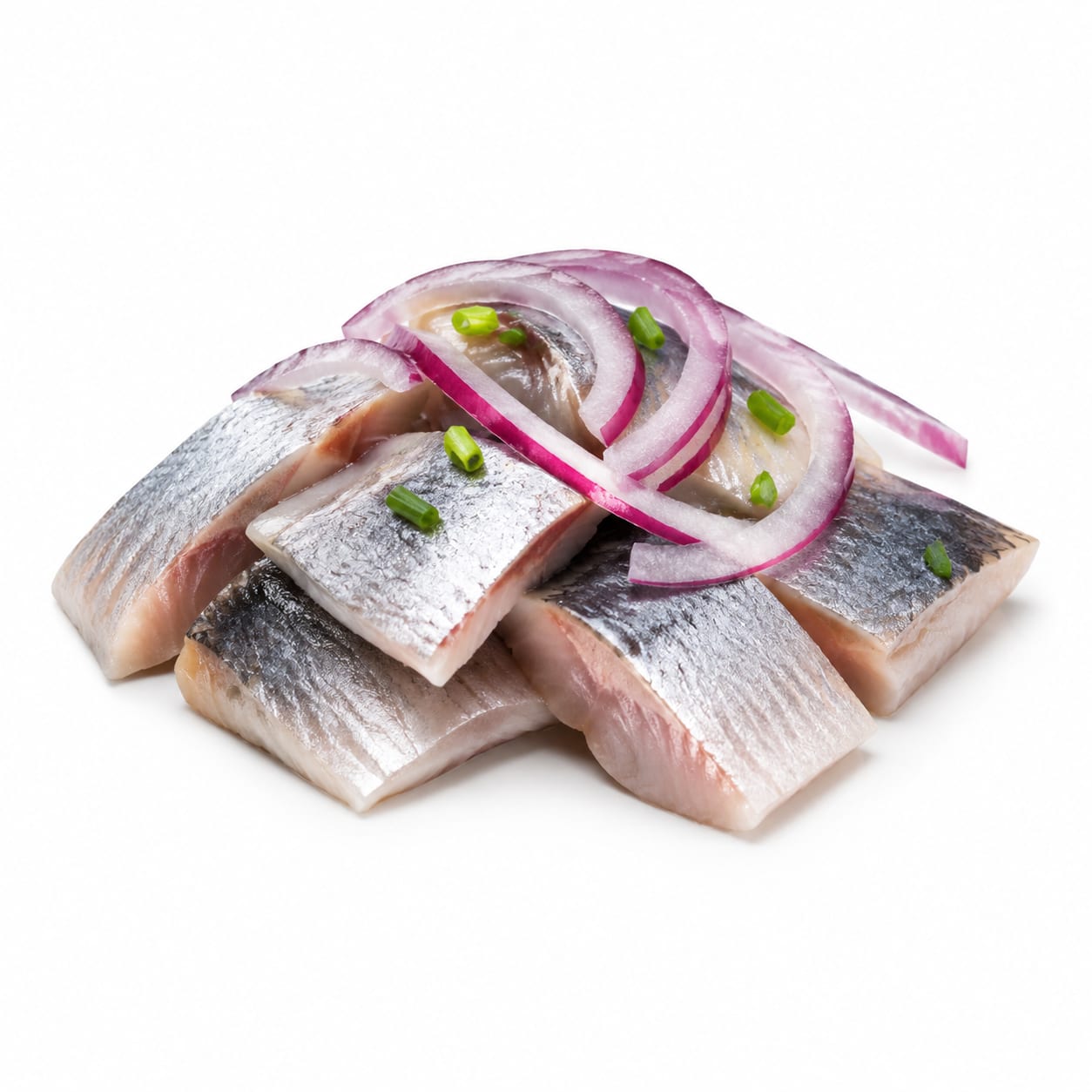
Herring
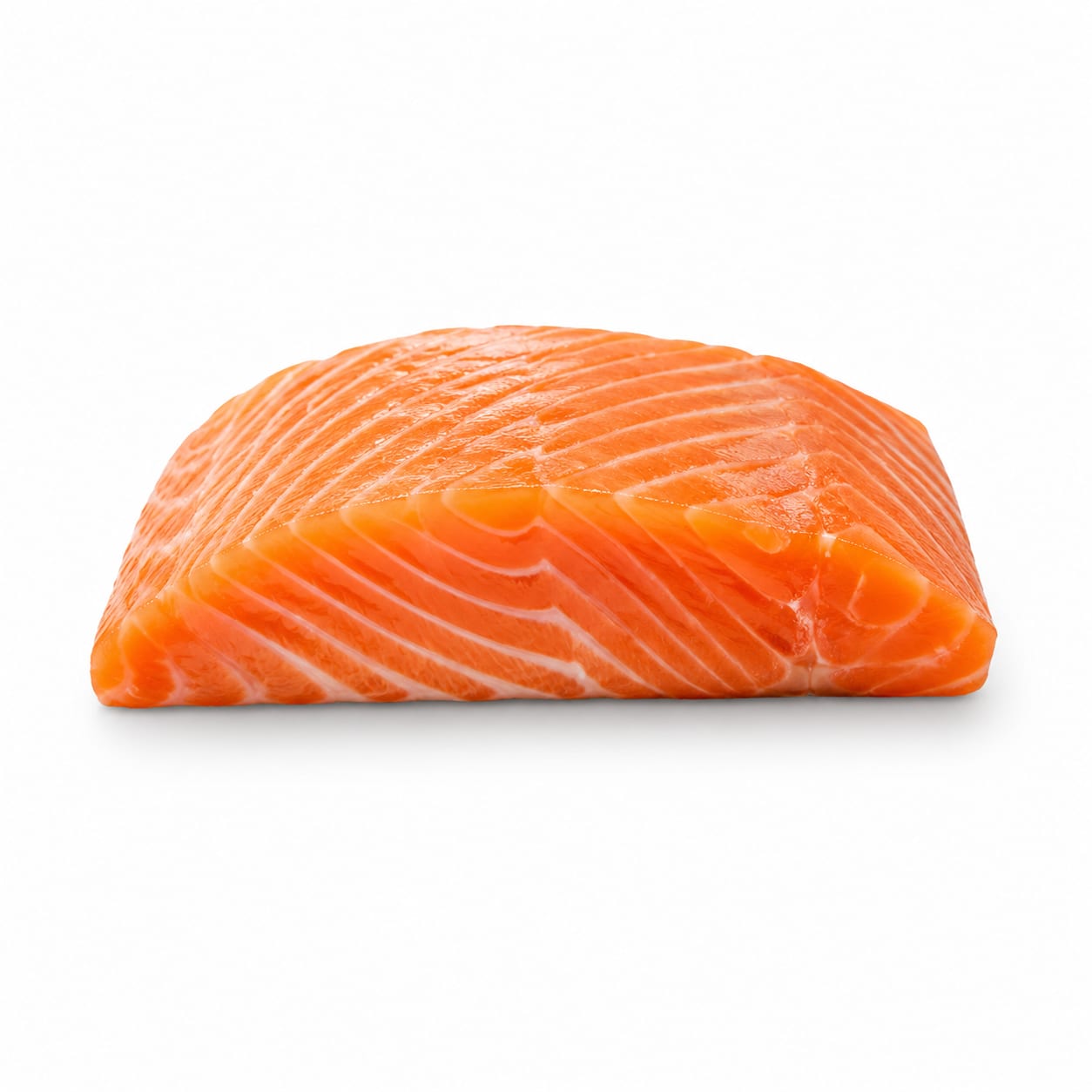
Salmon
Herring is the unsung hero with more omega-3s per calorie and fewer toxins, while Salmon offers a milder flavor and broader culinary appeal.
Herring edges out Salmon slightly due to superior toxin safety and nutrient density per dollar, though Salmon's culinary versatility keeps it highly competitive.
Maximum nutrient density and safety versus premium taste and recipe flexibility.
At a glance
Executive summary
Overall
It depends
Healthier
Herring
More practical
Salmon
Daily use
Herring
Key comparison lenses
Omega-3 density and heart health
Both are top-tier fatty fish, but users want to know which delivers the most cardiovascular bang for the buck.
Toxin and heavy metal exposure
Seafood safety is a major concern, and the food chain position of these fish heavily impacts contaminant levels.
Budget and accessibility
Herring is famously affordable while Salmon is often a premium purchase, making cost a deciding factor.
Culinary versatility and taste
Salmon's mild flavor makes it a staple, whereas Herring's stronger taste limits its use in everyday cooking.
Best choice for
Herring
- Budget-conscious omega-3 seekers
- People minimizing heavy metal exposure
- Those who enjoy strong, savory fish flavors
Salmon
- Picky eaters or fish beginners
- Fine dining and entertaining
- Meal prep with versatile flavor profiles
Least suitable for
Herring
- People averse to fishy tastes
- Those seeking a mild, neutral protein base
Salmon
- Tight grocery budgets
- Those strictly avoiding higher food-chain contaminants
Deep comparison
Dimension by dimension
Each lens scores both foods and breaks down who each option suits.
- Dimension 1 · Priority 95Herring
Omega-3 & Heart Health
Herring · 94Salmon · 90Herring delivers slightly more EPA and DHA omega-3s per serving than Salmon, making it a cardiovascular powerhouse.
Tradeoff
Salmon still provides excellent omega-3s but at a higher price point per gram of EPA/DHA.
Why it matters
Omega-3s are critical for reducing inflammation and supporting brain health.
Real-world impact
Eating Herring twice a week gives you a potent anti-inflammatory boost without breaking the bank.
Herring
- Maximizing omega-3 intake per calorie
- Budget-friendly heart health
Better for
- Those who dislike strong fish flavors
- People wanting a neutral protein base
Worse for
Salmon
- Getting omega-3s with a milder flavor
- Serving to picky eaters
Better for
- Strict budget constraints
- Maximizing EPA/DHA per dollar
Worse for
- Dimension 2 · Priority 90Herring
Toxin & Heavy Metal Exposure
Herring · 96Salmon · 78As a smaller fish lower on the food chain, Herring accumulates significantly less mercury and PCBs than Salmon.
Tradeoff
Salmon is generally safe, but farmed varieties can carry higher levels of industrial contaminants.
Why it matters
Long-term accumulation of heavy metals can stress the nervous system and liver.
Real-world impact
Choosing Herring for daily lunches means you can eat fish frequently without worrying about mercury limits.
Herring
- Frequent fish eaters
- Pregnant women seeking safe seafood
- Minimizing lifetime toxin load
Better for
- People who only eat fish rarely anyway
- Those avoiding high-purine foods
Worse for
Salmon
- Those eating fish only occasionally
- People sourcing strictly wild-caught Salmon
Better for
- Daily consumers worried about PCBs
- Those who cannot afford or find wild-caught options
Worse for
- Dimension 3 · Priority 80Salmon
Culinary Versatility & Taste
Herring · 65Salmon · 92Salmon's rich, buttery, and mild flavor makes it incredibly versatile for cooking, while Herring has a stronger, fishier taste.
Tradeoff
Herring's bold flavor limits its use in certain recipes, but it shines in specific traditional preparations.
Why it matters
You only get health benefits from food you actually enjoy eating and know how to cook.
Real-world impact
Salmon is an easy weeknight win that everyone will eat; Herring requires more culinary confidence or an acquired taste.
Herring
- Fans of smoked, pickled, or cured fish
- Traditional Scandinavian or Northern European diets
Better for
- Kids and picky eaters
- People wanting a mild, blank-canvas protein
Worse for
Salmon
- Family dinners
- Sushi and raw preparations
- Grilling and baking
Better for
- Those who find rich, fatty fish too heavy
- Strict budget meal planning
Worse for
- Dimension 4 · Priority 85Herring
Budget & Accessibility
Herring · 95Salmon · 60Herring is one of the most affordable fatty fish available, whereas Salmon is often considered a premium protein.
Tradeoff
You save money with Herring, but you might have fewer fresh options and rely more on canned or pickled forms.
Why it matters
Cost is often the biggest barrier to eating healthy seafood regularly.
Real-world impact
You can eat Herring multiple times a week for a fraction of what a single Salmon dinner costs.
Herring
- Students and tight budgets
- Bulk meal prepping
- Affordable daily omega-3s
Better for
- Those wanting a premium dining experience
- People who dislike canned fish
Worse for
Salmon
- Special occasions
- When cost is not a barrier
- Dinner parties
Better for
- Feeding a large family on a budget
- Cost-effective daily consumption
Worse for
Timeline
Health impact over time
Short-term
Hours to days
Herring
- Rapid satiety from dense fats and protein
- Quick boost in Vitamin D and omega-3s
- Potential bloating if unused to pickled varieties
Salmon
- Sustained, steady energy after meals
- Comforting and satisfying eating experience
- Easy digestion for most people
Long-term
Months to years
Herring
- Lower risk of heavy metal accumulation
- Strong cardiovascular protection
- Excellent bone health from high Vitamin D
Salmon
- Improved skin elasticity and hydration
- Consistent anti-inflammatory benefits
- Better brain health and cognitive aging
Risk profile
Safety & processing
Both Herring and Salmon are naturally whole foods. However, Herring is frequently sold pickled or smoked, which can add sodium and preservatives, while farmed Salmon may contain color additives.
Herring
High Sodium
mediumPickled or canned Herring can be very high in sodium, which may raise blood pressure if consumed excessively.
Purine Content
lowHerring contains purines which can trigger gout flare-ups in susceptible individuals.
Salmon
Contaminants in Farmed Salmon
mediumFarmed Salmon can have higher levels of PCBs and dioxins compared to wild-caught or smaller fish like Herring.
Moderate Mercury
lowWhile generally safe, large Salmon species accumulate more mercury than small fish like Herring.
Who wins for whom
Audience fit
Same foods, different winners depending on your goal.
children
SalmonSalmon's mild, non-fishy taste and soft texture make it far more likely to be accepted by kids.
daily consumption
HerringLower on the food chain, Herring can be eaten daily without concern for heavy metal buildup, and it is far more budget-friendly for everyday meals.
diabetes
HerringBoth have zero carbs, but Herring's lower toxin load makes it safer for frequent consumption, which is beneficial for chronic metabolic management.
elderly
HerringHerring's exceptional Vitamin D content and lower mercury burden are highly protective for aging bones and nervous systems.
muscle gain
SalmonSalmon offers slightly more protein per serving and is easier to consume in larger, calorie-dense portions for muscle building.
weight loss
HerringHerring is slightly lower in calories while providing more satiating omega-3s per gram, making it easier to stay full on fewer calories.
Your move
Decision guide
Choose Herring
- You want maximum omega-3s and Vitamin D on a budget
- You eat fish frequently and want to minimize mercury exposure
- You enjoy bold, savory, pickled, or smoked fish flavors
Choose Salmon
- You want a crowd-pleasing, mild fish for dinner
- You are focusing on high protein intake for fitness
- You prefer fresh, steak-like fish fillets
Either works if
- You need high-quality fats for brain and heart health
- You are looking for a zero-carb, nutrient-dense protein source
Avoid both if
- You have a severe seafood allergy
- You are on a strict low-purine diet for gout management
Final recommendation
If you eat fish often and want the safest, most nutrient-dense option per dollar, Herring is the surprising winner. Choose Salmon when you need a versatile, crowd-pleasing meal or want a milder flavor for occasional dining.
Practical
Consumer tips
- 1
Opt for wild-caught Salmon over farmed to avoid PCBs and artificial colorants.
- 2
If buying canned Herring, choose water or mustard-based versions over sugary tomato sauces.
- 3
If you are new to Herring, try it smoked on whole-grain toast with mustard—it is delicious and approachable.
- 4
Freeze fresh Salmon for at least 24 hours before making sushi or poke at home to kill potential parasites.