
Nutrition comparison
Herring vs Cod: Which Fish Is Healthier for You?
Compare Herring and Cod on omega-3s, mercury, calories, and meal versatility. Find out which fish fits your health goals and when to choose each.
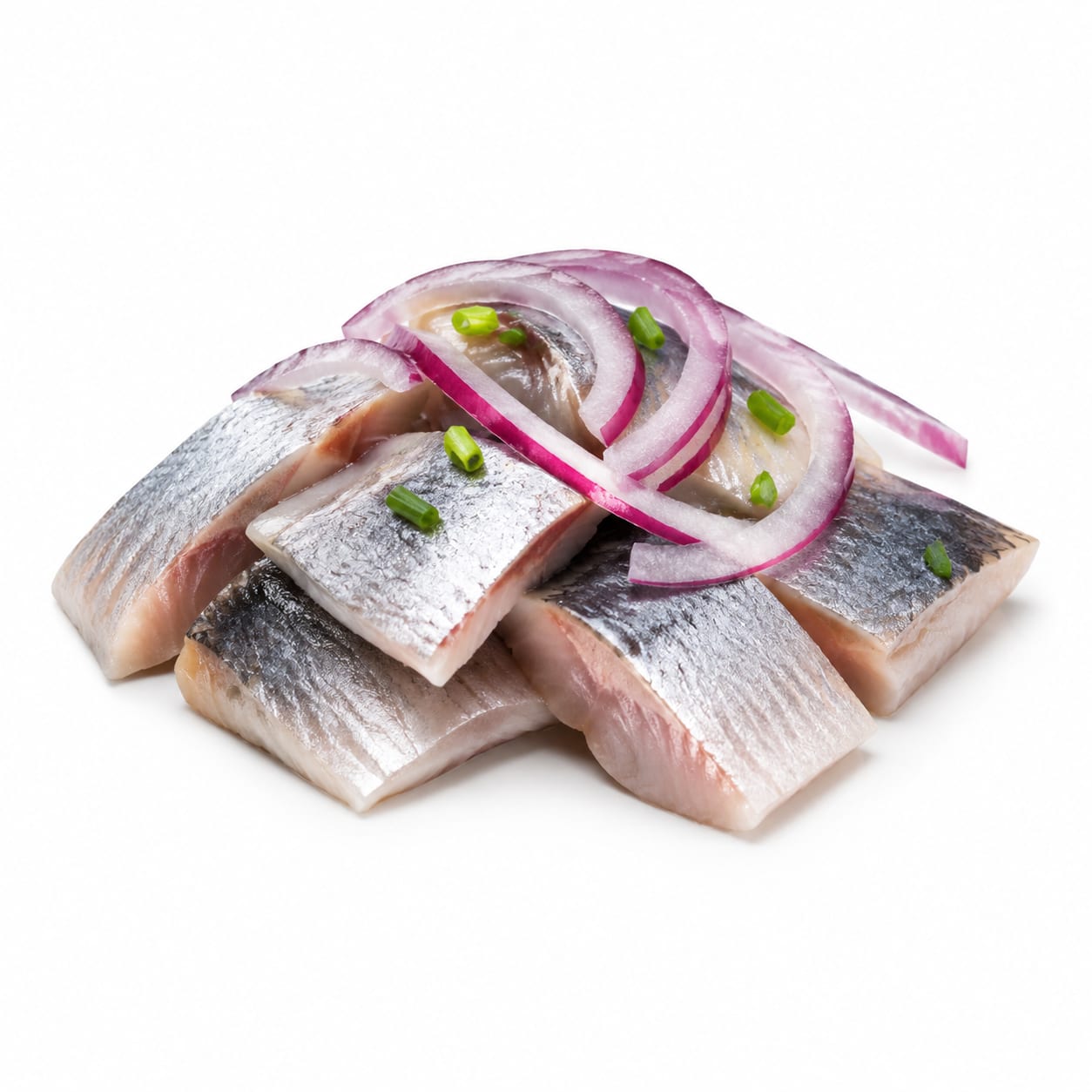
Herring
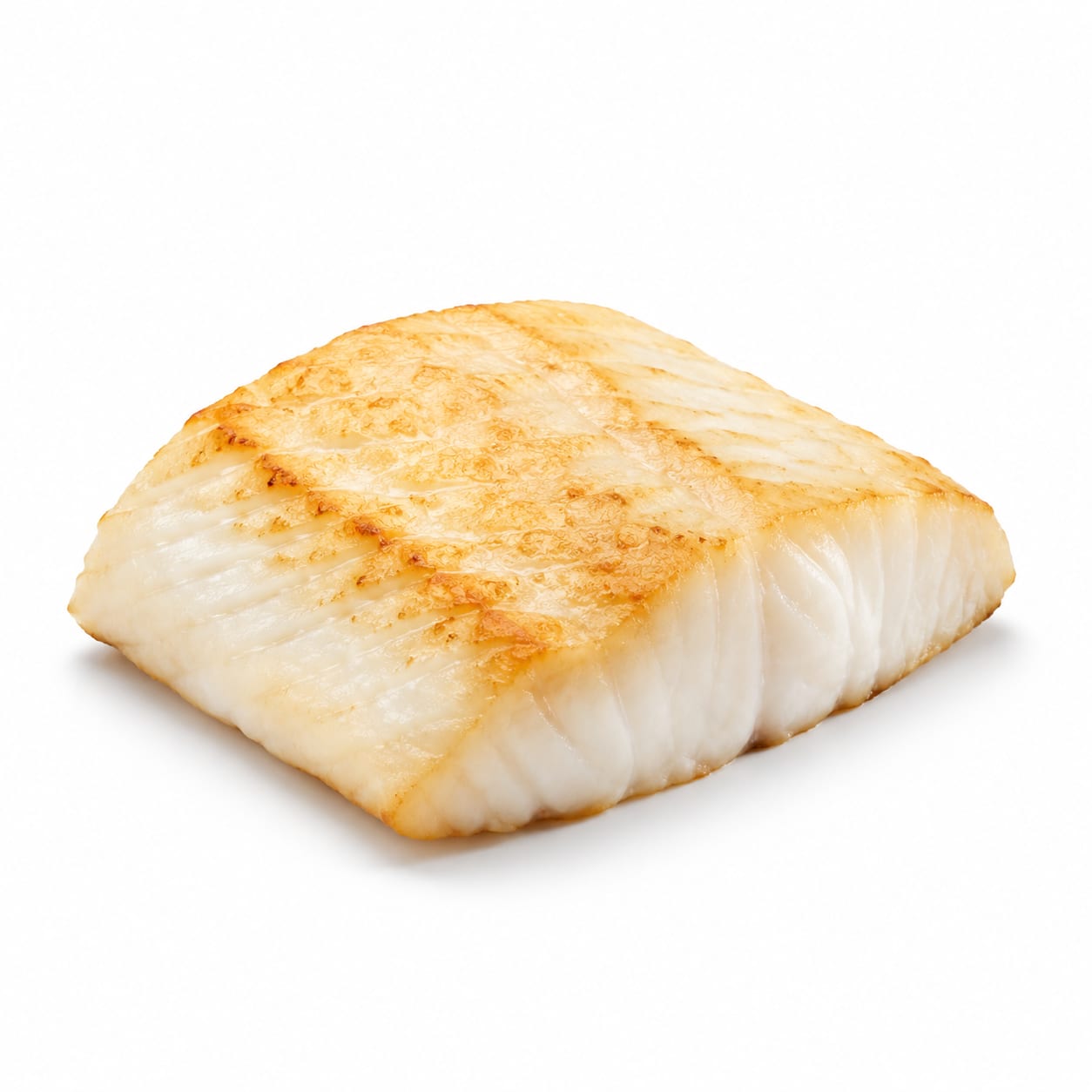
Cod
Herring is the nutrient powerhouse with far more omega-3s and vitamin D, while Cod is the lean, versatile protein that fits effortlessly into low-calorie meal plans.
Herring scores higher for nutrient density and health-protective fats, but Cod's leanness, versatility, and universal appeal keep it competitive. The gap reflects Herring's stronger nutritional profile rather than any weakness in Cod.
Rich nourishment versus light flexibility — Herring feeds your brain and heart deeply, but Cod keeps meals simple, low-calorie, and universally palatable.
At a glance
Executive summary
Overall
It depends
Healthier
Herring
More practical
Cod
Daily use
It depends
Key comparison lenses
omega-3 and heart health comparison
Herring is one of the richest fish sources of omega-3s while Cod is notably lean, making this the defining nutritional difference
weight management and calorie density
Cod's leanness makes it a classic weight-loss protein while Herring's fat content changes the caloric equation significantly
mercury and contamination safety
Both are seafood but occupy different trophic levels, meaning different heavy metal exposure profiles
everyday meal versatility
Cod's mild flavor adapts to most recipes while Herring's stronger taste limits but also defines its culinary role
vitamin D and nutrient density
Herring delivers substantial vitamin D while Cod provides very little, a meaningful gap for many populations
Best choice for
Herring
- Heart and brain health prioritization
- Vitamin D deficiency correction
- Anti-inflammatory eating patterns
- Keto or low-carb diets
- Satiety-focused meals that prevent snacking
Cod
- Low-calorie weight loss plans
- Mild-flavored family meals
- Post-workout lean protein
- Digestively gentle eating
- Recipe versatility across cuisines
Least suitable for
Herring
- Low-sodium diets if consuming pickled or smoked varieties
- People avoiding strong fish flavors
- Very low-fat diet protocols
- Those tracking calories tightly
Cod
- Omega-3 focused nutrition plans
- Vitamin D deficient individuals relying on food sources
- Low-carb or keto diets needing fat intake
- Meals where satiety from fats is desired
Deep comparison
Dimension by dimension
Each lens scores both foods and breaks down who each option suits.
- Dimension 1 · Priority 95Herring
Omega-3 and Anti-Inflammatory Value
Herring · 95Cod · 25Herring delivers roughly 5-8 times more omega-3 fatty acids than Cod, making it one of the best dietary sources available.
Tradeoff
You gain serious anti-inflammatory and brain-protective benefits with Herring, but the higher fat content adds calories that Cod avoids entirely.
Why it matters
Omega-3s from fatty fish are among the most evidence-supported nutrients for heart health, mood stability, and long-term cognitive function.
Real-world impact
Eating Herring twice a week meaningfully moves your omega-3 intake toward optimal levels. Cod barely moves the needle.
Herring
- Cardiovascular risk reduction
- Brain health and cognitive aging
- Joint inflammation management
- Mood and mental health support
Better for
- Strict low-fat diet requirements
Worse for
Cod
- Calorie-controlled meal plans
- Those already supplementing omega-3s
Better for
- Anyone relying on food alone for omega-3 intake
Worse for
- Dimension 2 · Priority 85Cod
Calorie Efficiency and Weight Management
Herring · 55Cod · 90Cod provides high protein with minimal calories and almost no fat, making it a weight-loss staple. Herring carries roughly double the calories per serving.
Tradeoff
Cod lets you eat more volume for fewer calories, but Herring's fat keeps you full longer, which may reduce overall eating later.
Why it matters
For active weight loss, calorie density often determines success. For weight maintenance, satiety matters more.
Real-world impact
A Cod dinner feels light and leaves room for sides. A Herring dinner is more filling on its own but uses more of your calorie budget.
Herring
- Meals where lasting fullness prevents later snacking
- Low-carb and keto approaches
Better for
- Tight daily calorie targets
Worse for
Cod
- Calorie-counted weight loss phases
- Lean protein after workouts
- Larger portion meals without calorie overload
Better for
- Meals lacking satisfying fat content
Worse for
- Dimension 3 · Priority 70Herring
Vitamin D and Micronutrient Density
Herring · 90Cod · 30Herring is one of the few foods naturally high in vitamin D, along with notable B12 and selenium. Cod offers solid protein but modest micronutrients.
Tradeoff
Herring functions almost like a supplement for vitamin D and B12. Cod requires you to get those nutrients elsewhere.
Why it matters
Vitamin D deficiency is widespread globally, and food sources are rare. This makes Herring nutritionally irreplaceable for many people.
Real-world impact
One serving of Herring can provide your full daily vitamin D target. You would need to eat several servings of Cod and still fall short.
Herring
- Winter months with low sun exposure
- Vitamin D deficient populations
- B12 replenishment
- Nutrient-dense eating patterns
Better for
- Those concerned about fat-soluble vitamin excess with supplementation
Worse for
Cod
- Situations where a multivitamin already covers gaps
Better for
- Anyone not supplementing vitamin D who needs dietary sources
Worse for
- Dimension 4 · Priority 80Herring
Mercury and Contamination Safety
Herring · 85Cod · 70Herring is a small forage fish low on the food chain with minimal mercury accumulation. Cod, especially Atlantic varieties, carries moderate mercury levels.
Tradeoff
Herring is safer for frequent consumption and vulnerable populations, but pickled or smoked preparations introduce sodium concerns that fresh Cod avoids.
Why it matters
Mercury exposure affects neurological health and is especially concerning for pregnant women and children.
Real-world impact
You can eat Herring multiple times per week with minimal mercury concern. Cod is safe in moderation but warrants more awareness with frequent consumption.
Herring
- Pregnant and breastfeeding women
- Children eating fish regularly
- Frequent fish consumers managing cumulative exposure
Better for
- People sensitive to sodium in pickled or smoked forms
Worse for
Cod
- Those avoiding high-sodium preserved fish preparations
Better for
- Daily fish eaters accumulating mercury over time
Worse for
- Dimension 5 · Priority 75Cod
Flavor Versatility and Meal Integration
Herring · 50Cod · 88Cod's mild, clean flavor works in virtually any cuisine or preparation. Herring's distinctive taste narrows its culinary range but rewards those who enjoy it.
Tradeoff
Cod disappears into recipes and pleases picky eaters. Herring demands appreciation for its flavor but delivers more character.
Why it matters
The best healthy food is the one you actually eat regularly. Versatility often determines long-term adherence.
Real-world impact
Cod works in tacos, chowders, curries, and baked dishes without dominating the flavor. Herring shines in specific traditions but feels out of place in many recipes.
Herring
- Nordic and Eastern European culinary traditions
- Appetizer and snack preparations
- Flavor-forward dining experiences
Better for
- Households with fish-averse members
Worse for
Cod
- Family meals with diverse taste preferences
- Adapting to international recipes
- Meal prep with varied weekly menus
Better for
- Diners seeking rich, distinctive fish flavor
Worse for
- Dimension 6 · Priority 72Herring
Satiety and Lasting Fullness
Herring · 82Cod · 65Herring's healthy fat content slows digestion and extends fullness significantly longer than Cod's lean protein alone.
Tradeoff
Herring keeps you satisfied for hours but may feel heavy. Cod feels light and clean but hunger returns sooner.
Why it matters
Meals that prevent snacking are often more effective for weight management than meals that are simply low in calories.
Real-world impact
A Herring lunch at noon likely carries you to dinner. A Cod lunch may have you reaching for a snack by mid-afternoon.
Herring
- Long gaps between meals
- Preventing afternoon energy crashes
- Reducing between-meal snacking urges
Better for
- Meals before intense physical activity
Worse for
Cod
- Light meals before exercise
- Eating occasions where you want to feel unburdened
Better for
- Situations where you cannot eat again for many hours
Worse for
Timeline
Health impact over time
Short-term
Hours to days
Herring
- Extended satiety from fat-protein combination
- Steadier blood sugar due to minimal carbs and moderate fat slowing digestion
- Possible sodium spike if consuming pickled or smoked varieties
Cod
- Light post-meal feeling without digestive heaviness
- Rapid protein availability for muscle recovery
- Quicker return of hunger due to near-zero fat content
Long-term
Months to years
Herring
- Substantially reduced cardiovascular risk from consistent omega-3 intake
- Better vitamin D status supporting bone and immune health
- Potential blood pressure elevation if regularly consuming high-sodium preserved forms
Cod
- Sustainable lean protein source supporting healthy body composition
- Lower cumulative mercury than many fish but higher than Herring with very frequent consumption
- Need for deliberate omega-3 and vitamin D sourcing from other foods or supplements
Risk profile
Safety & processing
Fresh or frozen Herring and Cod are equally natural. However, Herring is commonly sold pickled, smoked, or cured, which introduces sodium, preservatives, and occasionally sugar. Fresh Cod almost always arrives in a less processed state.
Herring
Sodium from preserved preparations
mediumPickled and smoked Herring can contain 500-1000mg sodium per serving, which is significant for blood pressure management.
Parasitic contamination in raw preparations
lowRaw or undercured Herring can carry anisakis parasites. Proper freezing or cooking eliminates this risk.
Histamine reactions in improperly stored fish
lowHerring is a scombroid-prone fish that can develop histamine if not kept cold, causing allergic-type reactions in sensitive individuals.
Cod
Mercury accumulation
mediumAtlantic Cod carries moderate mercury levels. Frequent consumption, especially by pregnant women, warrants monitoring. Pacific Cod generally tests lower.
Overfishing and sustainability concerns
mediumSome Atlantic Cod fisheries remain depleted. Choosing MSC-certified or Pacific Cod reduces this concern significantly.
Parasitic contamination
lowCod can carry cod worm parasites. Commercial freezing and proper cooking eliminate this risk entirely.
Who wins for whom
Audience fit
Same foods, different winners depending on your goal.
children
HerringHerring's low mercury and high omega-3 content support brain development. Many children prefer milder Cod, but the nutritional advantage of Herring is substantial during growth.
daily consumption
CodCod's mild flavor, low calorie load, and preparation flexibility make it easier to eat daily without fatigue. Herring's stronger taste and common preserved forms limit everyday appeal.
diabetes
HerringBoth are carb-free and blood sugar friendly, but Herring's omega-3s improve insulin sensitivity over time, giving it a meaningful metabolic edge.
elderly
HerringOmega-3s protect against cognitive decline and cardiovascular events, and vitamin D supports bone health. These benefits are especially valuable in aging populations.
muscle gain
CodCod provides slightly more protein per calorie, and its leanness allows easier macro management when combining with other fat sources in a muscle-building diet.
weight loss
CodCod's extremely low calorie and fat content allows larger portions and easier calorie control, making it the more straightforward choice for active weight loss.
Your move
Decision guide
Choose Herring
- You want to maximize omega-3 intake from food rather than supplements
- Vitamin D from diet matters to you, especially in winter
- Heart and brain health are top long-term priorities
- You enjoy or want to explore Nordic, Dutch, or Eastern European fish traditions
- You follow a low-carb or keto eating pattern
Choose Cod
- You are actively managing calorie intake for weight loss
- You need a versatile fish that works in any recipe
- Family members prefer milder fish flavors
- You eat fish frequently and want variety without strong taste repetition
- You already take omega-3 supplements and want lean protein
Either works if
- You simply want a high-quality animal protein source
- You are building a Mediterranean-style eating pattern
- You rotate fish types weekly for nutrient diversity
Avoid both if
- You have a confirmed fish allergy
- You are strictly vegan or plant-based
- You live in an area where fresh or frozen quality seafood is unavailable
Final recommendation
Eat both. Herring once or twice a week delivers omega-3s and vitamin D that Cod cannot match. Cod fills the remaining fish meals with lean, versatile protein. This combination gives you the nutrient density of fatty fish and the practical flexibility of white fish without overrelying on either.
Practical
Consumer tips
- 1
Choose fresh or frozen Herring over pickled when possible to avoid excess sodium
- 2
If buying pickled Herring, rinse it lightly and check labels for added sugar
- 3
Look for MSC-certified Cod to support sustainable fisheries
- 4
Pacific Cod generally has lower mercury than Atlantic Cod
- 5
Pair Cod with olive oil or avocado to add the healthy fats it naturally lacks
- 6
Herring canned in its own juice retains most omega-3s with minimal additives
- 7
Freeze any fresh Herring or Cod for at least 24 hours before raw preparations to kill parasites
- 8
Herring's strong flavor pairs well with mustard, dill, onions, and dark breads to balance richness