
Nutrition comparison
Herring vs Anchovies: Which Oily Fish Is Healthier for You?
Compare herring and anchovies on omega-3s, sodium, mercury, calcium, and meal versatility. Find out which fish fits your health goals and how to use both wisely.
Overall winner · Herring
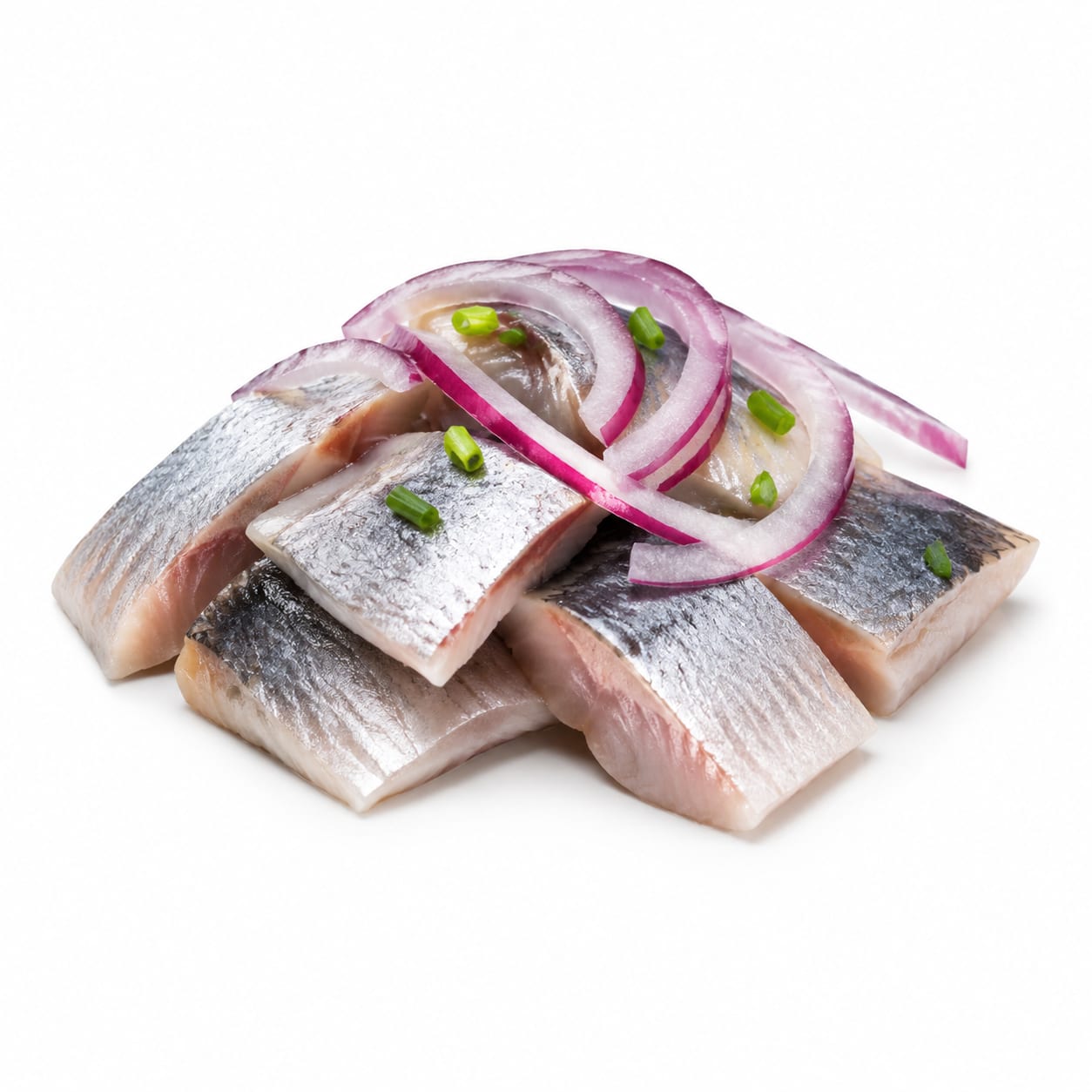
Herring
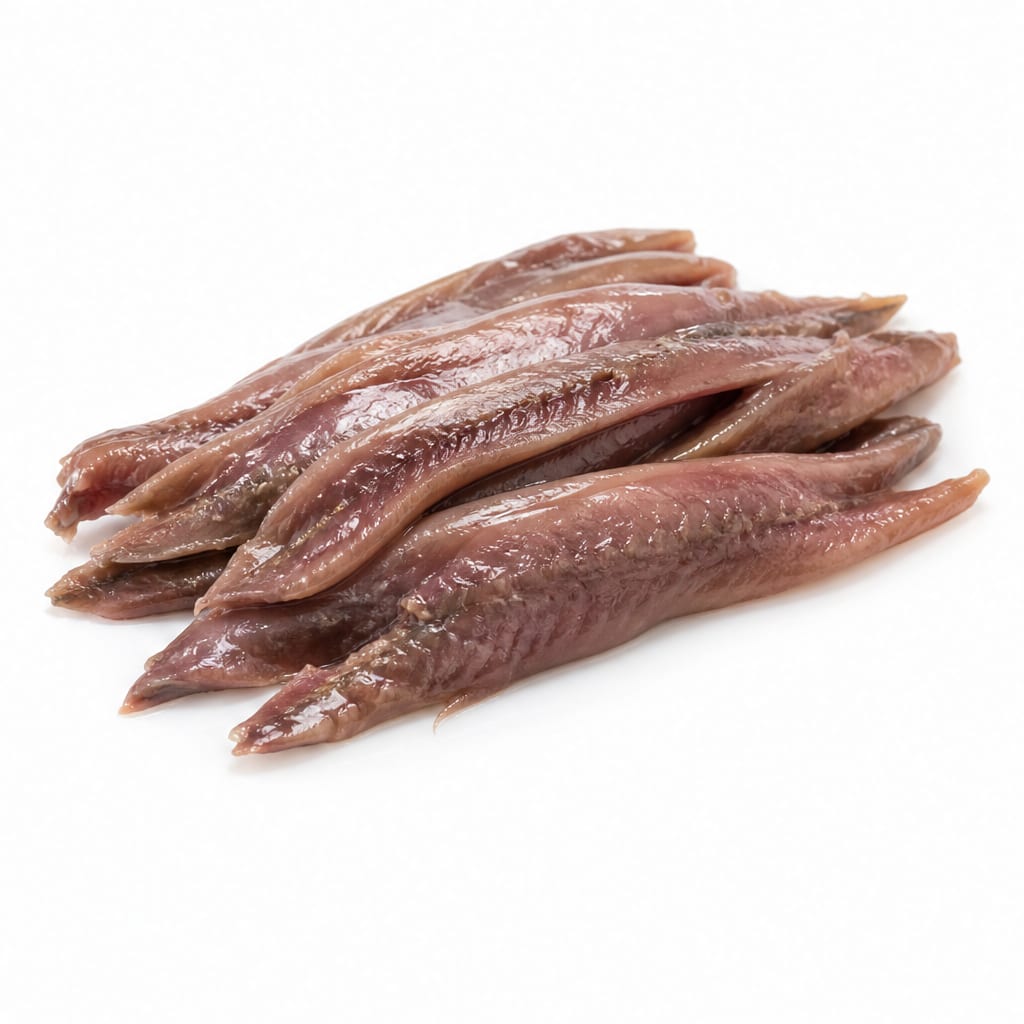
Anchovies
Herring wins as an everyday fish thanks to lower sodium, bigger portions, and meal versatility. Anchovies excel as a concentrated flavor booster with less mercury and more calcium, but their extreme saltiness limits how much you can realistically eat.
Herring scores higher because you can eat it in meal-sized portions without sodium overload. Anchovies are nutritionally dense but the curing process adds so much salt that realistic serving sizes stay tiny, limiting their overall nutritional contribution.
Herring gives you a satisfying, lower-sodium meal. Anchovies give you intense umami, more calcium, and lower mercury — but at a steep sodium cost that caps your serving size.
At a glance
Executive summary
Overall
Herring
Healthier
Herring
More practical
Herring
Daily use
Herring
Key comparison lenses
omega-3 and heart health comparison
Both are top-tier omega-3 sources, so users want to know which delivers more cardiovascular benefit per bite
sodium and preservation concerns
Anchovies are almost always salt-cured, making sodium the single biggest health differentiator
mercury and contaminant safety
Both are small forage fish, but anchovies sit lower on the food chain and accumulate fewer heavy metals
everyday meal versatility
Herring works as a main dish while anchovies are typically a flavoring ingredient, affecting how often people actually eat them
bone health and calcium
Anchovies eaten with bones provide significant calcium, a unique advantage worth highlighting
Best choice for
Herring
- People wanting a low-sodium omega-3 fish meal
- Anyone eating fish as a main course 2-3 times per week
- Those watching blood pressure who still want seafood
- Meal preppers looking for versatile protein
Anchovies
- Home cooks adding depth to sauces, dressings, and pasta
- People wanting maximum calcium from fish bones
- Those concerned about mercury who eat fish very frequently
- Mediterranean diet followers using traditional ingredients
Least suitable for
Herring
- People who dislike fishy flavors or oily fish textures
- Anyone without access to fresh or frozen seafood
- Strict low-fat dieters (herring is naturally fatty)
Anchovies
- Anyone on a sodium-restricted diet
- People sensitive to very salty or intensely flavored foods
- Those wanting a filling main course from a single serving
Deep comparison
Dimension by dimension
Each lens scores both foods and breaks down who each option suits.
- Dimension 1 · Priority 95Herring
Omega-3 Fatty Acid Density
Herring · 92Anchovies · 85Herring delivers more omega-3s per typical serving because you eat a larger portion. Per gram, both are excellent, but real meals favor herring.
Tradeoff
Anchovies are concentrated in omega-3s by weight, but nobody eats a 150g portion of anchovies. Herring lets you actually consume a meaningful dose in one sitting.
Why it matters
Omega-3s from fish reduce inflammation, support brain health, and lower heart disease risk. Getting enough matters more than density alone.
Real-world impact
A single herring fillet covers most of your weekly omega-3 needs. With anchovies, you would need to eat an unrealistic amount to match that dose.
Herring
- Hitting your weekly omega-3 target in one meal
- Getting EPA and DHA without supplements
Better for
- Situations where you only want a tiny omega-3 top-up
Worse for
Anchovies
- Adding a small omega-3 boost to dishes you already eat
Better for
- Anyone trying to replace a fish oil supplement with food alone
Worse for
- Dimension 2 · Priority 90Herring
Sodium Load
Herring · 75Anchovies · 25Fresh or frozen herring is naturally low in sodium. Anchovies are salt-cured and pack a massive sodium hit even in small amounts.
Tradeoff
That salty cure is what makes anchovies delicious and shelf-stable, but it makes them risky for blood pressure and limits serving size.
Why it matters
High sodium intake raises blood pressure and increases stroke risk. Most people already eat too much salt without realizing it.
Real-world impact
Two anchovy fillets can contain 300-500mg of sodium. A herring fillet has around 100mg if fresh. That difference adds up fast over a week.
Herring
- Anyone monitoring blood pressure
- People trying to stay under 1500mg sodium daily
Better for
- No real downside here — fresh herring is low sodium by nature
Worse for
Anchovies
- Endurance athletes who need extra sodium after heavy sweating
Better for
- People with hypertension or kidney issues
- Anyone eating processed foods throughout the day
Worse for
- Dimension 3 · Priority 85Anchovies
Mercury and Contaminant Safety
Herring · 80Anchovies · 90Anchovies sit lower on the food chain and accumulate less mercury. Herring is still very safe, but slightly higher than anchovies.
Tradeoff
Both are among the safest fish for mercury, so the difference matters most for pregnant women and people eating fish daily.
Why it matters
Mercury exposure harms neurological development and accumulates over time with frequent consumption of contaminated fish.
Real-world impact
If you eat fish 5+ times per week, anchovies are the safer long-term choice. For 2-3 times per week, herring is perfectly fine.
Herring
- Moderate fish consumers eating 2-3 servings weekly
Better for
- Very high-frequency fish consumers concerned about accumulation
Worse for
Anchovies
- Pregnant women choosing the lowest-mercury option
- Daily fish eaters who need to minimize cumulative exposure
Better for
- No real mercury downside — anchovies are among the cleanest fish
Worse for
- Dimension 4 · Priority 70Anchovies
Calcium and Bone Minerals
Herring · 55Anchovies · 88Anchovies eaten with their soft bones deliver impressive calcium. Herring bones are larger and usually removed before eating.
Tradeoff
You have to actually eat the anchovy bones to get this benefit, which most people do since they are soft and barely noticeable.
Why it matters
Many people do not get enough calcium, and whole anchovies are one of the few non-dairy calcium sources that actually deliver a meaningful dose.
Real-world impact
A serving of anchovies with bones provides around 15-20% of daily calcium needs. Herring fillets typically provide less than 3%.
Herring
- People who already get plenty of calcium from dairy or greens
Better for
- Anyone relying on fish as a primary calcium source
Worse for
Anchovies
- Dairy-free eaters needing calcium from seafood
- Older adults concerned about bone density
Better for
- Those who only use anchovy paste or oil-packed boneless versions
Worse for
- Dimension 5 · Priority 80Herring
Meal Versatility and Satiety
Herring · 88Anchovies · 50Herring works as a full meal — grilled, pickled, or smoked. Anchovies are a condiment that enhances other foods but cannot stand alone.
Tradeoff
Anchovies make everything taste richer and more complex, but you will still need a separate protein source to feel full.
Why it matters
Foods you can build a meal around are easier to incorporate into your weekly routine than ingredients that only play a supporting role.
Real-world impact
Herring with potatoes and vegetables is dinner. Anchovies melted into a sauce are delicious but leave you hungry without additional protein.
Herring
- Weeknight dinners where fish is the centerpiece
- Meal prep containers needing a satisfying protein
Better for
- Quick flavor boosts where you only need a pinch of something savory
Worse for
Anchovies
- Elevating simple pasta, salad, or toast recipes
- Adding umami depth without needing a large portion
Better for
- Any meal where you want fish to be the main event
- Post-workout recovery needing substantial protein
Worse for
- Dimension 6 · Priority 65Herring
Vitamin D Content
Herring · 90Anchovies · 60Herring is one of the best food sources of vitamin D available. Anchovies contain some, but the tiny serving sizes limit what you actually absorb.
Tradeoff
If you are deficient in vitamin D, herring is one of the most effective dietary fixes. Anchovies help, but not enough per serving.
Why it matters
Vitamin D deficiency is widespread and affects mood, immunity, and bone health. Few foods contain meaningful amounts naturally.
Real-world impact
One herring fillet can provide over 100% of your daily vitamin D. You would need a whole tin of anchovies to approach the same benefit.
Herring
- People with low vitamin D levels who want a food-based solution
- Anyone living in northern climates with limited sun exposure
Better for
- No real downside — herring is a vitamin D powerhouse
Worse for
Anchovies
- Small supplemental contribution alongside other vitamin D sources
Better for
- Relying on anchovies alone to fix a vitamin D deficiency
Worse for
Timeline
Health impact over time
Short-term
Hours to days
Herring
- Steady energy from protein and healthy fats without a sodium spike
- Feeling satisfied after a meal-sized portion
- Mild anti-inflammatory effect from omega-3s within hours of eating
Anchovies
- Quick sodium hit that may cause thirst or mild bloating
- Umami satisfaction that enhances the flavor of the entire meal
- Small omega-3 contribution that adds up when used frequently
Long-term
Months to years
Herring
- Improved cardiovascular markers from consistent omega-3 intake
- Better vitamin D status reducing risks of depression and bone loss
- Low sodium intake supports healthy blood pressure over decades
Anchovies
- Calcium from bones supports bone mineral density long-term
- Very low mercury accumulation even with frequent consumption
- Excessive sodium from overuse could undermine cardiovascular benefits
Risk profile
Safety & processing
Fresh or frozen herring is about as natural as seafood gets. Anchovies are traditionally cured with just salt and oil, which is a centuries-old method, but the high salt content and occasional preservatives in canned versions move them into processed territory.
Herring
Histamine buildup from improper refrigeration
mediumHerring is a scombroid-family fish that can develop histamine if not kept cold. Freshness and cold chain matter more than with most fish.
Parasitic worms in raw or undercooked herring
mediumAnisakis worms are common in herring. Freezing or thorough cooking eliminates the risk. Avoid raw herring unless previously frozen.
Moderate mercury for frequent consumers
lowHerring is low-mercury compared to tuna or swordfish, but slightly higher than anchovies. Safe for 2-3 servings per week.
Anchovies
Excessive sodium intake
highSalt-cured anchovies can contain 1000-2000mg of sodium per 100g. Even a small portion pushes you toward daily limits if you eat other processed foods.
Botulism in improperly canned anchovies
lowRare but possible with home-cured or improperly sealed products. Commercial canning standards make this extremely unlikely.
Purine load aggravating gout
mediumAnchovies are very high in purines and are a well-known gout trigger. People with gout should minimize or avoid them.
Who wins for whom
Audience fit
Same foods, different winners depending on your goal.
children
HerringMilder pickled or smoked herring is more kid-friendly than intensely salty anchovies. Lower sodium is also better for developing bodies.
daily consumption
HerringDaily anchovy consumption would deliver excessive sodium. Herring can be eaten several times per week without the same concern.
diabetes
HerringBoth have zero carbs, but herring offers a complete, satisfying meal that stabilizes blood sugar. Anchovies' high sodium worsens the hypertension risk that often accompanies diabetes.
elderly
It dependsHerring supports vitamin D and heart health. Anchovies support bone density through calcium. The right choice depends on whether sodium restriction or calcium intake is the bigger concern.
muscle gain
HerringYou can eat a substantial portion of herring for meaningful protein. Anchovies contribute too little protein per realistic serving to move the needle.
weight loss
HerringHerring provides a filling, protein-rich meal with healthy fats that keep you satisfied. Anchovies add flavor but not fullness, and their sodium can cause water retention.
Your move
Decision guide
Choose Herring
- You want fish as a main course, not a garnish
- Blood pressure or sodium intake is a concern for you
- You need more vitamin D from food sources
- You are meal prepping and want satisfying protein portions
- You are new to oily fish and want a milder entry point
Choose Anchovies
- You want to add depth to sauces, dressings, and pasta dishes
- Calcium from non-dairy sources is a priority for you
- You eat fish very frequently and want the lowest mercury option
- You follow a Mediterranean cooking style
- You only use fish in small amounts as a flavor enhancer
Either works if
- You want more omega-3s and currently eat little to no fish
- You are looking for sustainable seafood choices
- You enjoy strong-flavored preserved fish
Avoid both if
- You have a fish allergy
- You have gout and are sensitive to purines
- You cannot tolerate any seafood due to digestive issues
- You are on a strict low-fat diet that excludes all oily fish
Final recommendation
Keep both in your kitchen but use them differently. Eat herring 2-3 times per week as a proper meal for omega-3s, vitamin D, and satisfying protein. Use anchovies as a flavor weapon — melted into sauces, scattered on toast, or blended into dressings — for calcium and umami. Just respect the sodium limits of anchovies and they complement herring beautifully.
Practical
Consumer tips
- 1
Buy herring frozen or fresh when possible. Pickled herring in jars is convenient but check the sugar content in the brine.
- 2
Rinse salt-packed anchovies under cold water before using to remove surface salt and reduce sodium by 20-30%.
- 3
If sodium is a concern, look for fresh or frozen herring over smoked versions, which add salt during curing.
- 4
Anchovy paste is convenient but often contains more sodium and fillers than whole canned anchovies. Read the label.
- 5
For maximum calcium from anchovies, choose bone-in versions packed in olive oil, not boneless fillets or paste.
- 6
Herring freezes well for up to 3 months. Stock up when you find fresh fillets and portion them before freezing.
- 7
If you find anchovies too salty or intense, try white anchovies (boquerones). They are marinated in vinegar and milder.