
Nutrition comparison
Haggis vs Scrapple: Nutritional Comparison and Health Tradeoffs
Compare Haggis and Scrapple head-to-head on nutrition, sodium, protein quality, and health impact. Discover which traditional offal food is better for your goals.
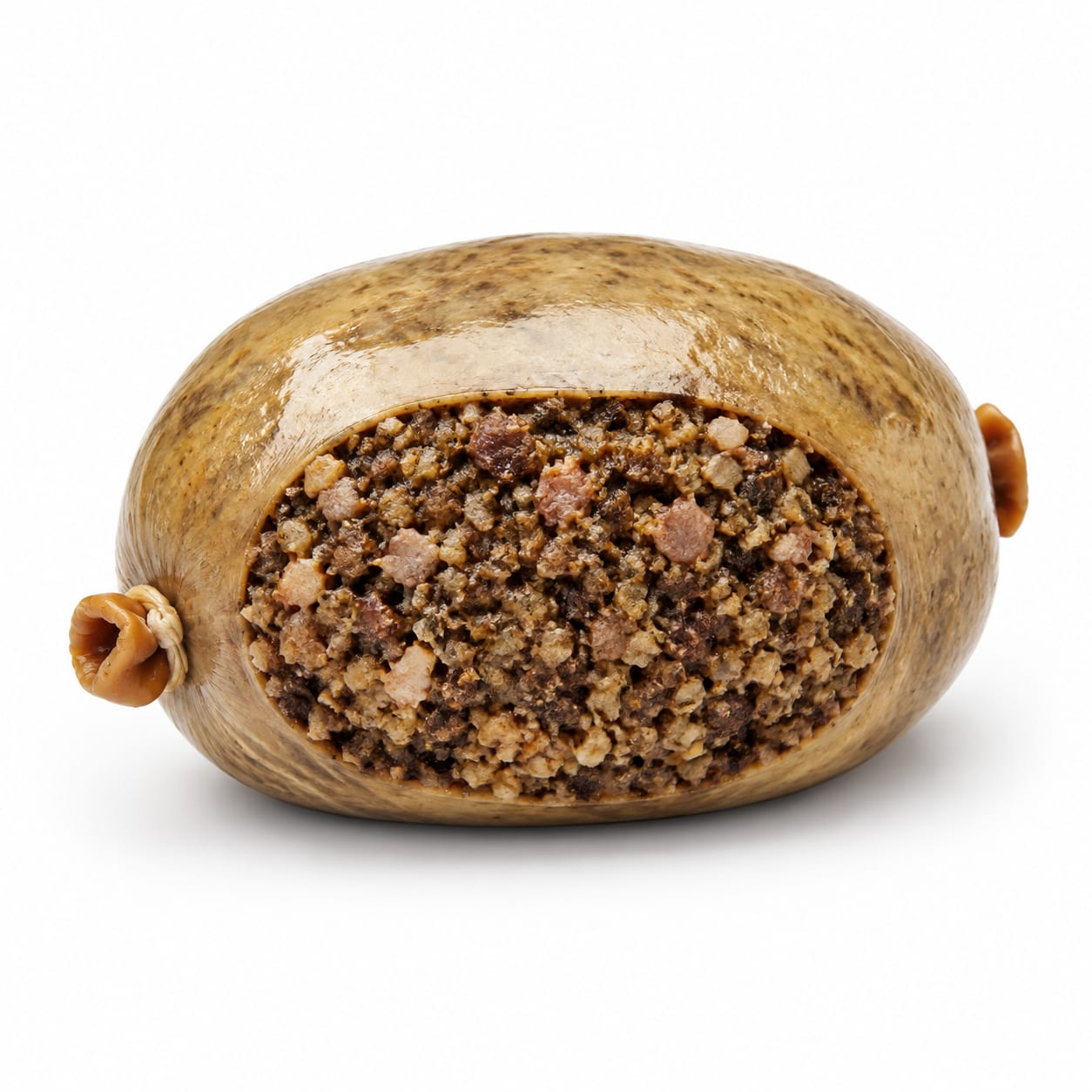
Haggis
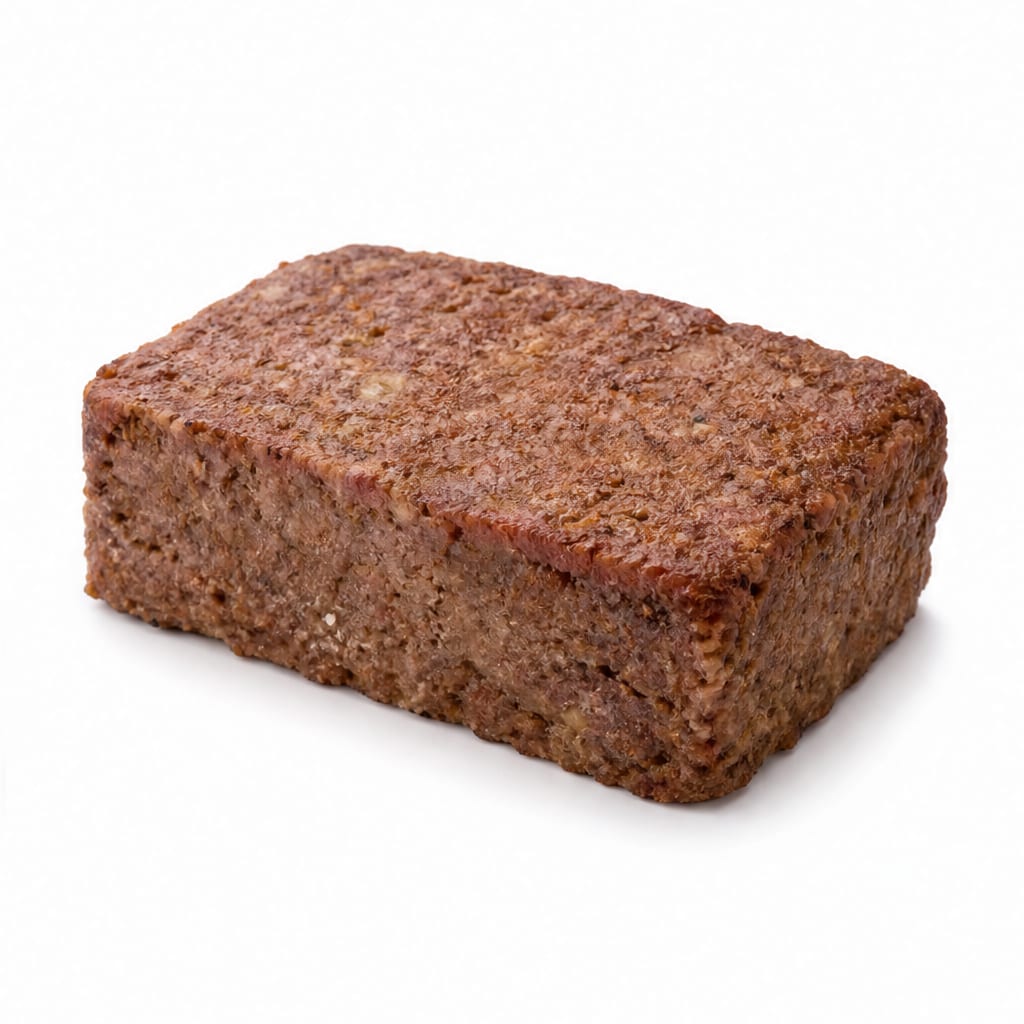
Scrapple
Haggis offers superior micronutrient density from sheep liver and heart, while Scrapple is more accessible and easier to find in American groceries.
Haggis scores moderately higher due to superior organ meat variety and oatmeal's fiber contribution, but both foods carry significant sodium and saturated fat drawbacks that limit overall scores.
Haggis delivers more vitamins and minerals from diverse organ meats, but Scrapple is simpler to prepare and more familiar to American palates.
At a glance
Executive summary
Overall
It depends
Healthier
Haggis
More practical
Scrapple
Daily use
It depends
Key comparison lenses
Comparing two traditional offal-based meat loaves with grain binders
Both foods share a similar concept but differ in animal source, grain type, and cultural preparation
Organ meat nutritional benefits vs risks
Both rely heavily on organ meats which offer concentrated nutrients but also cholesterol and purines
Sodium and heart health concerns
Both are salted preserved-style foods with significant sodium loads that impact cardiovascular risk
Processing level and ingredient transparency
Traditional preparations are relatively simple but commercial versions may differ substantially
Practicality as a breakfast or comfort food
Both are typically served sliced and fried, often as hearty breakfast or regional comfort food
Best choice for
Haggis
- Maximizing B-vitamin and iron intake
- Those seeking nutrient density from organ meats
- Traditional Scottish cultural experiences
- Adventurous eaters wanting diverse offal benefits
Scrapple
- Convenient hearty breakfasts
- Those familiar with Mid-Atlantic American cuisine
- Easier grocery availability in the US
- Simpler preparation for casual cooking
Least suitable for
Haggis
- Gout sufferers due to high purine content
- Those avoiding sheep products
- People sensitive to strong savory flavors
- Anyone needing low-sodium options
Scrapple
- Those watching sodium intake strictly
- People avoiding pork products
- Anyone concerned about highly processed meat products
- Those seeking micronutrient diversity
Deep comparison
Dimension by dimension
Each lens scores both foods and breaks down who each option suits.
- Dimension 1 · Priority 92Haggis
Micronutrient Density
Haggis · 82Scrapple · 58Haggis significantly outperforms Scrapple in vitamins and minerals thanks to sheep liver, heart, and lungs providing B12, iron, zinc, copper, and vitamin A in concentrated amounts.
Tradeoff
The nutrient advantage comes with higher cholesterol and purine load from the diverse organ meats in Haggis.
Why it matters
Organ meats are nature's multivitamin — Haggis delivers a broader spectrum than most people get from regular meals.
Real-world impact
A single serving of Haggis can cover most of your daily B12 and a significant chunk of iron needs, while Scrapple provides more modest micronutrient returns.
Haggis
- Preventing B12 deficiency
- Boosting iron stores naturally
- Getting diverse trace minerals in one meal
Better for
- Gout flare risk from purine-rich organ meats
- Vitamin A toxicity concern if eaten very frequently
Worse for
Scrapple
- Those who prefer milder nutrient profiles without liver's intensity
Better for
- Less nutritional payoff per calorie consumed
- Fewer distinctive micronutrient benefits
Worse for
- Dimension 2 · Priority 88It depends
Sodium Load
Haggis · 38Scrapple · 32Both foods are high in sodium, but Scrapple typically edges higher due to commercial production methods and additional curing salt.
Tradeoff
Neither is a low-sodium choice — both can deliver 400-800mg per serving depending on preparation and brand.
Why it matters
Regular high-sodium meals raise blood pressure over time and make it harder to stay within daily limits.
Real-world impact
Eating either food for breakfast means you will likely need to keep sodium very low for the rest of the day.
Haggis
- Traditional homemade versions can be lower in sodium
- Oatmeal adds potassium which slightly offsets sodium impact
Better for
- Still a high-sodium food by any standard
- Restaurant versions are often heavily salted
Worse for
Scrapple
- Some artisanal Scrapple makers offer lower-sodium versions
Better for
- Commercial Scrapple is consistently sodium-heavy
- Frying adds additional salt in many preparations
Worse for
- Dimension 3 · Priority 85Haggis
Protein Quality and Satiety
Haggis · 75Scrapple · 68Haggis provides more complete protein from diverse organ sources, while Scrapple relies more on pork muscle scraps with slightly lower amino acid diversity.
Tradeoff
Haggis keeps you fuller longer due to higher protein density and oatmeal fiber, but Scrapple's fat content also contributes to satiety.
Why it matters
Protein quality affects how well your body repairs tissue and maintains muscle, especially important as you age.
Real-world impact
A Haggis breakfast will likely keep you satisfied until lunch, while Scrapple may leave you hungry again by mid-morning.
Haggis
- More diverse amino acid profile from multiple organ types
- Oatmeal adds slow-digesting fiber for extended fullness
- Better post-workout recovery potential
Better for
- Strong flavor limits portion size for some people
- Not a lean protein source by any measure
Worse for
Scrapple
- Still provides solid protein content per serving
- Familiar texture makes it easier to eat larger portions
Better for
- Lower protein-to-calorie ratio
- Cornmeal filler reduces overall protein density
Worse for
- Dimension 4 · Priority 78Haggis
Ingredient Transparency and Processing
Haggis · 62Scrapple · 48Traditional Haggis has a clearer ingredient list — sheep organs, oatmeal, onion, suet, spices. Scrapple's commercial versions often include preservatives and vague 'pork trimmings.'
Tradeoff
Artisanal Scrapple can be quite clean, but mass-produced versions are more processed than most Haggis available today.
Why it matters
Knowing what you are eating matters more when dealing with organ meats and meat byproducts.
Real-world impact
Reading Scrapple labels often reveals ingredients you would not add at home, while Haggis tends to stick closer to traditional recipes.
Haggis
- Shorter, more recognizable ingredient lists
- Traditional recipes are well-documented and stable
- Less likely to contain preservatives or fillers
Better for
- Imported canned Haggis may contain preservatives
- Difficult to verify sourcing of sheep organs
Worse for
Scrapple
- Artisanal versions from farmers markets can be very clean
Better for
- Commercial brands often use sodium phosphates and preservatives
- 'Pork trimmings' is a vague term that can include various parts
- More likely to contain artificial flavor enhancers
Worse for
- Dimension 5 · Priority 75Scrapple
Convenience and Accessibility
Haggis · 35Scrapple · 72Scrapple is widely available in American grocery stores and simple to slice and fry. Haggis requires specialty shops or online ordering in most of the world.
Tradeoff
Haggis offers a unique experience but demands effort to source, while Scrapple is a practical everyday option in its region.
Why it matters
The best nutritious food is one you can actually obtain and prepare regularly.
Real-world impact
You can grab Scrapple at many East Coast supermarkets, but finding real Haggis outside Scotland often means waiting for a special order.
Haggis
- Canned versions offer long shelf life once obtained
- A special-occasion food worth the effort for enthusiasts
Better for
- Very limited availability outside the UK
- Often requires online ordering with shipping costs
- US regulations ban traditional Haggis imports containing sheep lung
Worse for
Scrapple
- Available in most major US grocery chains regionally
- Ready to slice and fry in minutes
- No special sourcing required
Better for
- Primarily regional availability within the US
- Limited presence outside Mid-Atlantic states
Worse for
- Dimension 6 · Priority 70Scrapple
Digestive Tolerance
Haggis · 45Scrapple · 60Scrapple's milder flavor and simpler ingredient profile make it easier on sensitive stomachs, while Haggis can challenge digestion with its rich organ content and spice blend.
Tradeoff
Haggis is more nutrient-dense but heavier to digest, while Scrapple is gentler but less nutritionally rewarding.
Why it matters
Even nutritious food causes problems if your body cannot comfortably process it.
Real-world impact
Haggis can sit heavy for hours after eating, while Scrapple digests more like a standard breakfast meat.
Haggis
- Oatmeal content provides soluble fiber that supports gut health
Better for
- Rich organ meats can cause indigestion in sensitive people
- High fat content slows gastric emptying
- Spice blend may irritate some digestive conditions
Worse for
Scrapple
- Milder flavor profile is easier on sensitive stomachs
- Less likely to cause digestive discomfort
- More familiar texture and taste for most Americans
Better for
- High fat from frying can still cause discomfort
- Cornmeal may bother those with corn sensitivities
Worse for
Timeline
Health impact over time
Short-term
Hours to days
Haggis
- High satiety from protein and fat combination
- Potential digestive heaviness due to rich organ meat content
- Significant sodium intake affecting thirst and bloating
- Warming, comforting meal sensation
Scrapple
- Quick energy from carbohydrates and fat
- Salty flavor may trigger overeating
- Satisfying crispy texture when fried properly
- Moderate satiety that fades within a few hours
Long-term
Months to years
Haggis
- Excellent B12 and iron status if eaten regularly
- Potential gout risk from high purine organ meats
- Cardiovascular concern from saturated fat and sodium if consumed frequently
- Possible vitamin A accumulation with very regular consumption
Scrapple
- Modest contribution to overall nutrient intake
- Sodium-related blood pressure concerns with regular consumption
- Processed meat classification links to moderate cancer risk with frequent intake
- Less pronounced nutritional benefits compared to organ-rich alternatives
Risk profile
Safety & processing
Traditional Haggis is processed but uses whole ingredients — organs, oatmeal, suet, and spices without much interference. Scrapple straddles the line, with artisanal versions being similarly clean but commercial products often including sodium phosphates, preservatives, and flavor enhancers that push it toward ultra-processed territory.
Haggis
Sheep lung controversy
mediumUSDA bans sheep lung in food products, meaning authentic Haggis cannot be legally imported or produced in the US. Lung-containing versions from other countries may not meet US safety standards.
Organ meat contamination
mediumLiver and other organs can concentrate environmental toxins and heavy metals more than muscle meat, making sourcing quality important.
Traditional stomach casing hygiene
lowWhile traditional Haggis uses a sheep stomach as casing, modern commercial versions typically use synthetic casings, reducing contamination risk.
Scrapple
Vague pork trimmings sourcing
mediumThe term 'pork trimmings' can include various parts with different safety profiles. Quality varies significantly between producers.
Preservative exposure
mediumCommercial Scrapple often contains sodium phosphates and other preservatives that may contribute to health concerns with regular consumption.
Frying compound formation
lowWhen Scrapple is fried at high temperatures, especially to a crisp crust, acrylamide and advanced glycation end-products can form.
Who wins for whom
Audience fit
Same foods, different winners depending on your goal.
children
ScrappleScrapple's milder flavor and familiar breakfast-meat texture make it more acceptable to children, though both should be limited due to sodium.
daily consumption
It dependsNeither is recommended for daily consumption due to sodium and saturated fat content. Occasional enjoyment of either is the healthier approach.
diabetes
HaggisHaggis has lower carbohydrate content and more fiber from oatmeal, resulting in steadier blood sugar impact than Scrapple's cornmeal base.
elderly
HaggisHaggis provides concentrated B12, iron, and zinc that older adults often lack, though sodium content requires careful monitoring.
muscle gain
HaggisHaggis provides more complete protein with diverse amino acids from multiple organ sources, supporting muscle repair and growth better.
weight loss
It dependsNeither food is ideal for weight loss. Haggis is more satiating per calorie but denser, while Scrapple is easier to portion control but less filling.
Your move
Decision guide
Choose Haggis
- You want maximum nutritional return from an occasional indulgence
- B12 and iron deficiency are concerns for you
- You are curious about traditional Scottish cuisine
- You value ingredient transparency and shorter ingredient lists
- You do not have gout or high uric acid concerns
Choose Scrapple
- You want a convenient hearty breakfast without special shopping
- You prefer milder flavors that blend with other breakfast foods
- You live in the Mid-Atlantic US where Scrapple is readily available
- You are cooking for picky eaters who may not enjoy strong organ flavors
- You want something easy to slice, fry, and serve quickly
Either works if
- You are looking for an occasional comfort food treat
- You enjoy exploring regional traditional foods
- You are not sodium-restricted and want a satisfying breakfast
- You appreciate the culinary heritage of working-class foods
Avoid both if
- You have gout or high uric acid levels
- You are on a strict low-sodium diet for blood pressure management
- You avoid pork or sheep products for religious or personal reasons
- You are seeking lean protein sources for daily consumption
- You have cardiovascular disease requiring saturated fat restriction
Final recommendation
Choose Haggis when nutritional density matters most and you can source it — the organ meat variety delivers genuine micronutrient advantages. Choose Scrapple when convenience and accessibility win out, especially for a no-fuss American breakfast. Both are occasional foods best enjoyed as cultural experiences rather than dietary staples. If you eat either regularly, balance the rest of your day with plenty of vegetables, low-sodium choices, and lighter meals.
Practical
Consumer tips
- 1
Look for artisanal or farm-made Scrapple at farmers markets for cleaner ingredients and better sourcing than commercial brands
- 2
If buying Haggis outside Scotland, check whether it contains sheep lung — US-made versions substitute other organs to comply with regulations
- 3
Pan-fry either food in a small amount of oil rather than deep-frying to reduce added fat significantly
- 4
Pair either food with a large portion of vegetables or a fresh side salad to balance the meal's sodium and fat content
- 5
Limit portions to 2-3 ounces and treat these as flavor accents rather than meal centerpieces for better long-term health outcomes
- 6
Drink plenty of water when eating either food to help your body process the sodium load
- 7
If you have gout triggers, be cautious with Haggis — the liver and heart content makes it particularly high in purines