
Nutrition comparison
Haggis vs Salami: Nutrition, Processing, and Health Comparison
Compare Haggis and Salami to discover which is healthier. Learn about nitrate risks, micronutrient density, sodium levels, and the best use for each.
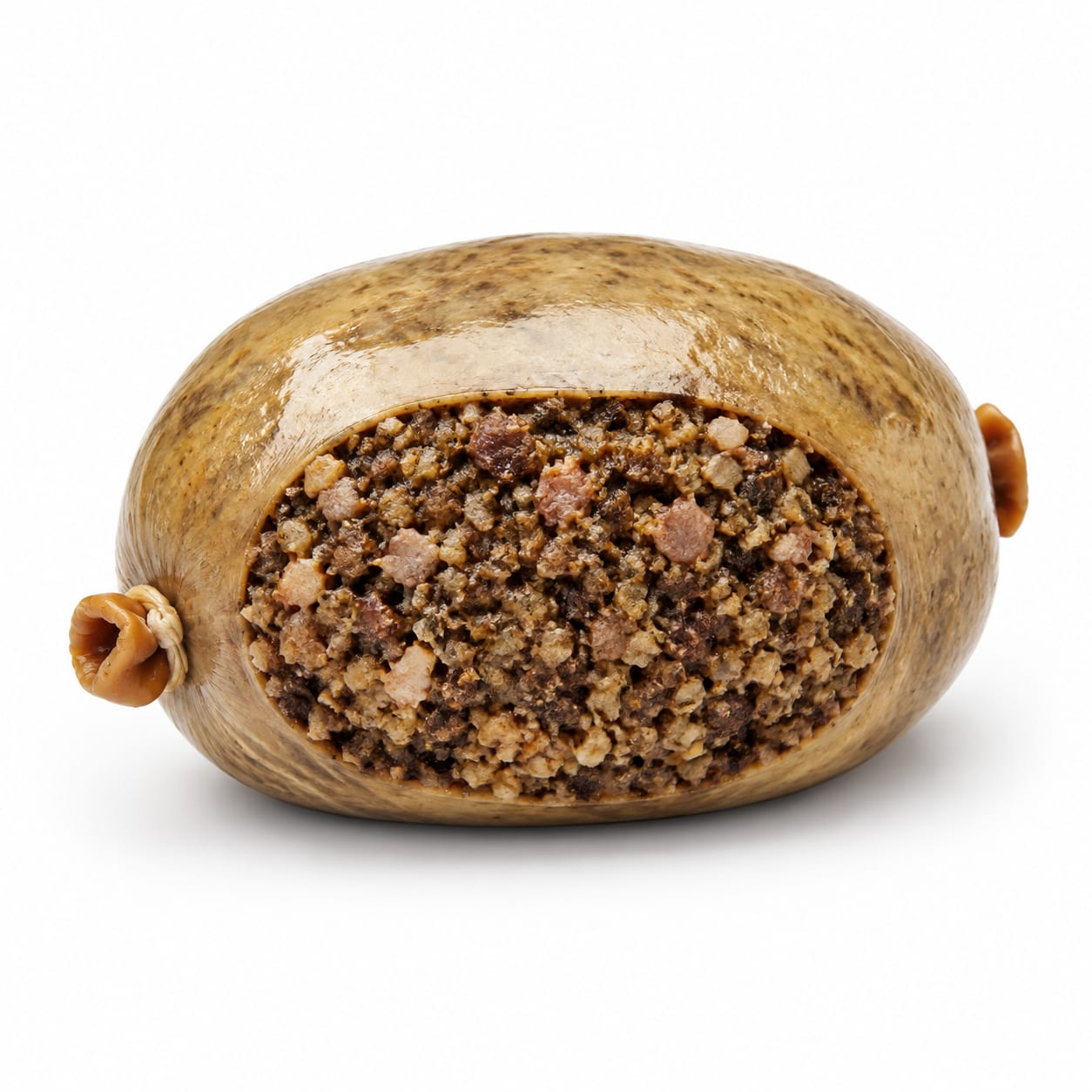
Haggis
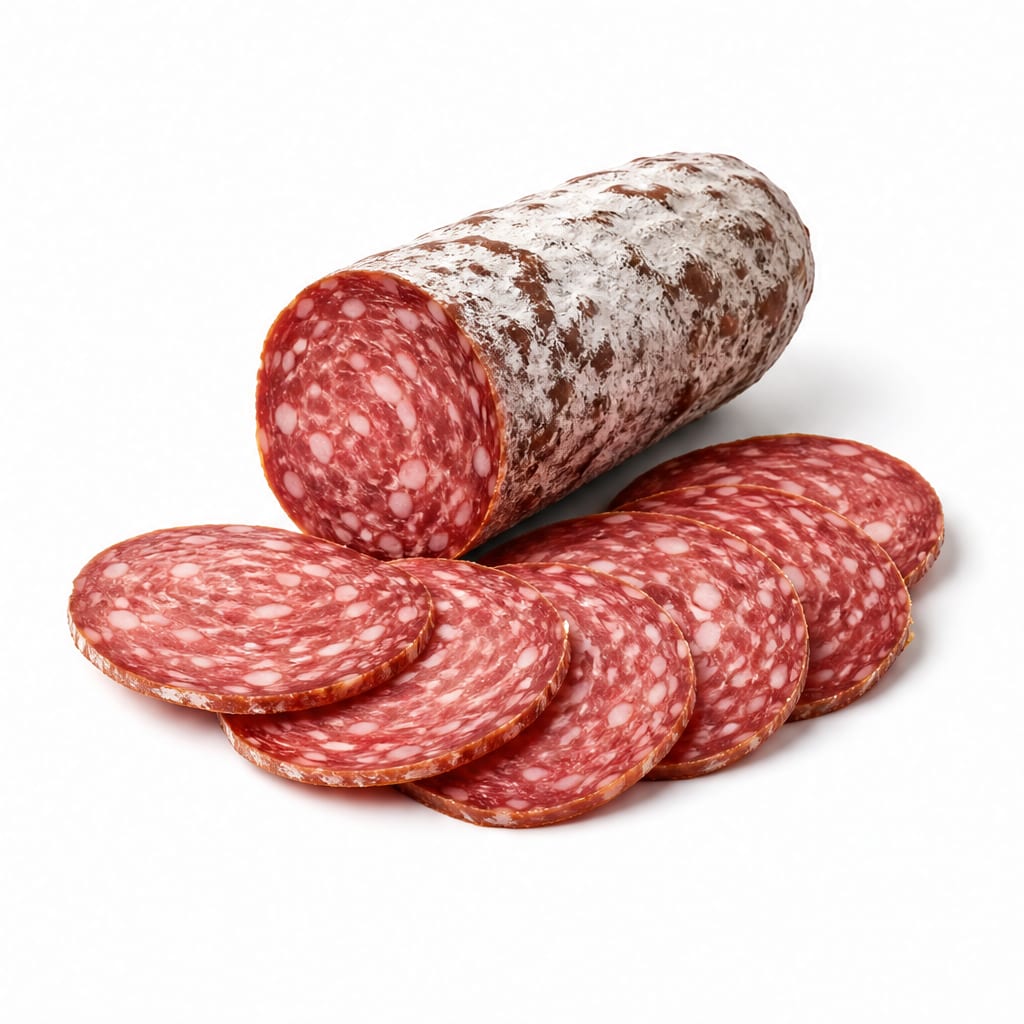
Salami
Haggis provides superior micronutrients and avoids curing salts, while Salami offers unmatched convenience as a ready-to-eat snack but carries higher processing risks.
Haggis scores higher due to its organ-meat micronutrient profile and lack of curing nitrates, but both lose points for high sodium and saturated fat. Salami's heavy processing and preservative load pull its score down further.
Nutritional density and cleaner ingredients in Haggis versus the grab-and-go convenience and shelf stability of Salami.
At a glance
Executive summary
Overall
It depends
Healthier
Haggis
More practical
Salami
Daily use
It depends
Key comparison lenses
Comparing processed meat safety and preservatives
Salami contains nitrates and nitrites for curing, while Haggis typically relies on natural cooking and spices, making preservative exposure a key differentiator.
Evaluating micronutrient density from organ meats vs muscle fat
Haggis contains liver and heart, offering massive B-vitamin and iron advantages over the fat-dominant profile of Salami.
Assessing sodium load and cardiovascular strain
Both foods are heavily salted, but the curing process in Salami often pushes sodium to extreme levels, making heart health a major concern.
Convenience and everyday practicality
Salami is a shelf-stable, ready-to-eat snack, whereas Haggis requires cooking and is typically a sit-down meal.
Best choice for
Haggis
- Boosting iron and B-vitamin intake
- Those avoiding nitrates and nitrites
- Hearty, satisfying sit-down meals
Salami
- Quick protein snacks on the go
- Charcuterie boards and entertaining
- Shelf-stable emergency food supplies
Least suitable for
Haggis
- Quick snacking or busy lifestyles
- People watching cholesterol closely
- Those unfamiliar with or averse to offal flavors
Salami
- Frequent daily consumption due to nitrate concerns
- Sodium-sensitive individuals
- Those seeking micronutrient diversity from meat
Deep comparison
Dimension by dimension
Each lens scores both foods and breaks down who each option suits.
- Dimension 1 · Priority 90Haggis
Nutritional Density
Haggis · 85Salami · 40Haggis is packed with iron, vitamin B12, and folate from the sheep liver and heart, whereas Salami offers mostly fat and protein with minimal micronutrients.
Tradeoff
You have to tolerate the flavor of organ meats to unlock the massive vitamin benefits of Haggis, while Salami offers a more universally palatable but nutritionally hollow experience.
Why it matters
B-vitamins and iron are crucial for energy and preventing anemia, making Haggis surprisingly functional beyond just calories.
Real-world impact
Eating Haggis can genuinely help cover dietary gaps in iron and B12, while Salami functions more as pure caloric energy.
Haggis
- Preventing iron-deficiency anemia
- Boosting energy through B-vitamins
Better for
- Those with hemochromatosis who must limit iron
Worse for
Salami
- Quick caloric intake for weight maintenance
Better for
- Anyone relying on meat for micronutrient diversity
Worse for
- Dimension 2 · Priority 85It depends
Sodium & Heart Health
Haggis · 35Salami · 25Both are sodium bombs, but Salami often packs even more salt per serving due to the curing process, making neither a heart-healthy choice.
Tradeoff
Haggis is slightly less punishing on blood pressure, but both will leave you thirsty and pushing your cardiovascular limits if eaten regularly.
Why it matters
Consistent high sodium intake is a leading driver of hypertension and heart disease.
Real-world impact
Eating either food frequently will likely push your daily sodium intake well over recommended limits without careful portion control.
Haggis
- Slightly lower sodium per serving compared to dry-cured meats
Better for
- Large hearty portions can easily lead to massive sodium intake
Worse for
Salami
- Portion control is easier since it is sliced thinly
Better for
- Extreme sodium density makes it risky for hypertension
Worse for
- Dimension 3 · Priority 88Haggis
Processing & Preservatives
Haggis · 70Salami · 30Haggis relies on natural spices and cooking for preservation, while Salami typically uses nitrates and nitrites to prevent botulism and maintain color.
Tradeoff
Haggis avoids the controversial chemical preservatives found in Salami, but it has a shorter shelf life and requires cooking.
Why it matters
Nitrates and nitrites in processed meats are classified as probable carcinogens, making frequent Salami consumption a long-term health risk.
Real-world impact
Choosing Haggis means skipping the cancer risk associated with cured meats, but you lose the convenience of a shelf-stable pantry item.
Haggis
- Avoiding nitrate and nitrite exposure
- Cleaner ingredient lists with recognizable spices
Better for
- Highly perishable if not cooked or frozen promptly
Worse for
Salami
- Long shelf life without refrigeration
Better for
- Regular consumption linked to colorectal cancer risk
Worse for
- Dimension 4 · Priority 75Salami
Convenience & Practicality
Haggis · 30Salami · 95Salami is shelf-stable and ready to eat straight from the package, while Haggis requires cooking and is more of a sit-down meal.
Tradeoff
Salami fits into a busy lifestyle instantly, whereas Haggis demands preparation time but yields a more substantial meal.
Why it matters
When hunger strikes on the go or you need a quick protein addition, convenience often dictates the actual choice people make.
Real-world impact
Salami is a reliable travel snack or quick lunch addition, while Haggis is strictly a planned dinner event.
Haggis
- Providing a filling, hot meal that satisfies deeply
Better for
- Requires stovetop or oven preparation
- Not portable for on-the-go snacking
Worse for
Salami
- Zero prep time needed
- Easy to pack for travel or hiking
Better for
- Easy to mindlessly overeat because of convenience
Worse for
- Dimension 5 · Priority 70Haggis
Satiety & Meal Versatility
Haggis · 80Salami · 50The oats and protein in Haggis make it a filling main course, whereas Salami is a fatty snack that rarely satisfies on its own.
Tradeoff
Haggis keeps you full for hours due to its complex macros, while Salami is best used as a flavor accent rather than a meal base.
Why it matters
Foods that actually fill you up prevent overeating later in the day, supporting better weight management.
Real-world impact
A portion of Haggis can serve as a complete dinner, but eating Salami alone often leads to reaching for more food shortly after.
Haggis
- Acting as a standalone main course
- Providing steady energy from oats and protein
Better for
- Heavy feeling if eaten in large quantities
Worse for
Salami
- Adding intense flavor to otherwise bland dishes
Better for
- Leaves you hungry if eaten as a standalone snack
Worse for
Timeline
Health impact over time
Short-term
Hours to days
Haggis
- Very filling and satisfying due to high protein and fat
- Likely to cause thirst from moderate-to-high sodium
Salami
- Quick salty energy boost
- Easy to overeat before feeling full
Long-term
Months to years
Haggis
- Improved iron and B12 status from organ meats
- Potential cardiovascular strain if eaten too frequently due to saturated fat and sodium
Salami
- Increased risk of colorectal cancer from regular nitrate consumption
- Higher risk of hypertension from extreme sodium intake
Risk profile
Safety & processing
Haggis uses traditional cooking methods and whole ingredients like oats and offal, while Salami relies on industrial curing salts and fermentation additives.
Haggis
Pathogen risk from undercooking
mediumHaggis must be cooked thoroughly to ensure any bacteria in the organ meats are eliminated.
High sodium intake
mediumThe salt content can easily push daily intake over healthy limits.
Salami
Nitrate and nitrite exposure
highCuring salts are linked to an increased risk of certain cancers when consumed regularly.
Extreme sodium density
highThe drying process concentrates salt, making it very easy to exceed daily sodium limits.
Pathogen risk from improper storage
lowWhile shelf-stable, sliced Salami can harbor listeria if left unrefrigerated for extended periods after opening.
Who wins for whom
Audience fit
Same foods, different winners depending on your goal.
children
HaggisHaggis avoids nitrate preservatives and provides essential iron for development, though its strong flavor might be a tough sell for kids.
daily consumption
It dependsNeither is recommended for daily consumption due to sodium and fat, but Haggis is slightly less harmful daily due to the absence of nitrates.
diabetes
It dependsBoth are very low in carbohydrates, but the high fat content in both requires careful insulin management. Neither should be eaten in large amounts.
elderly
HaggisThe high B12 and iron in Haggis helps counteract common deficiencies in older adults, provided they can manage the sodium.
muscle gain
HaggisHaggis offers more bioavailable iron and B-vitamins which support oxygen transport and energy metabolism during heavy training.
weight loss
It dependsNeither is ideal, but Haggis is more filling which helps prevent overeating, while Salami is easier to portion control as a thin-sliced snack.
Your move
Decision guide
Choose Haggis
- You want a nutrient-dense meal with iron and B-vitamins
- You are actively avoiding nitrates and artificial curing agents
- You want a filling, hearty dinner that keeps you satisfied for hours
Choose Salami
- You need a quick, shelf-stable protein snack for travel or hiking
- You are building a charcuterie board for entertaining
- You want an easy flavor addition to sandwiches or pizza
Either works if
- You are craving a savory, salty meat dish and plan to balance it with vegetables
- You are not strictly monitoring your sodium or saturated fat intake today
Avoid both if
- You have severe hypertension or heart failure
- You are on a strict low-fat or low-cholesterol diet
- Your doctor advised you to eliminate processed meats entirely
Final recommendation
Choose Haggis when you have the time to cook and want a nutritionally rewarding meal without the chemical preservatives. Opt for Salami when convenience is non-negotiable, but keep portions small and occasional to minimize nitrate and sodium risks.
Practical
Consumer tips
- 1
Look for uncured Salami if you want the convenience without the nitrates, though sodium will still be high.
- 2
Pair Haggis with plenty of vegetables to balance the heavy fat and sodium load with fiber.
- 3
Limit Salami intake to a few times a month rather than a weekly staple to lower cancer risk.
- 4
If buying commercial Haggis, check the label as some mass-produced versions add extra preservatives.
- 5
Drink plenty of water after eating either food to help your kidneys process the heavy salt load.