
Nutrition comparison
Haggis vs Pork Sausage: Nutritional Showdown of Two Bold Meats
Compare haggis and pork sausage on nutrition, processing, safety, and taste. Discover which offers more micronutrients, which is safer, and when to choose each.
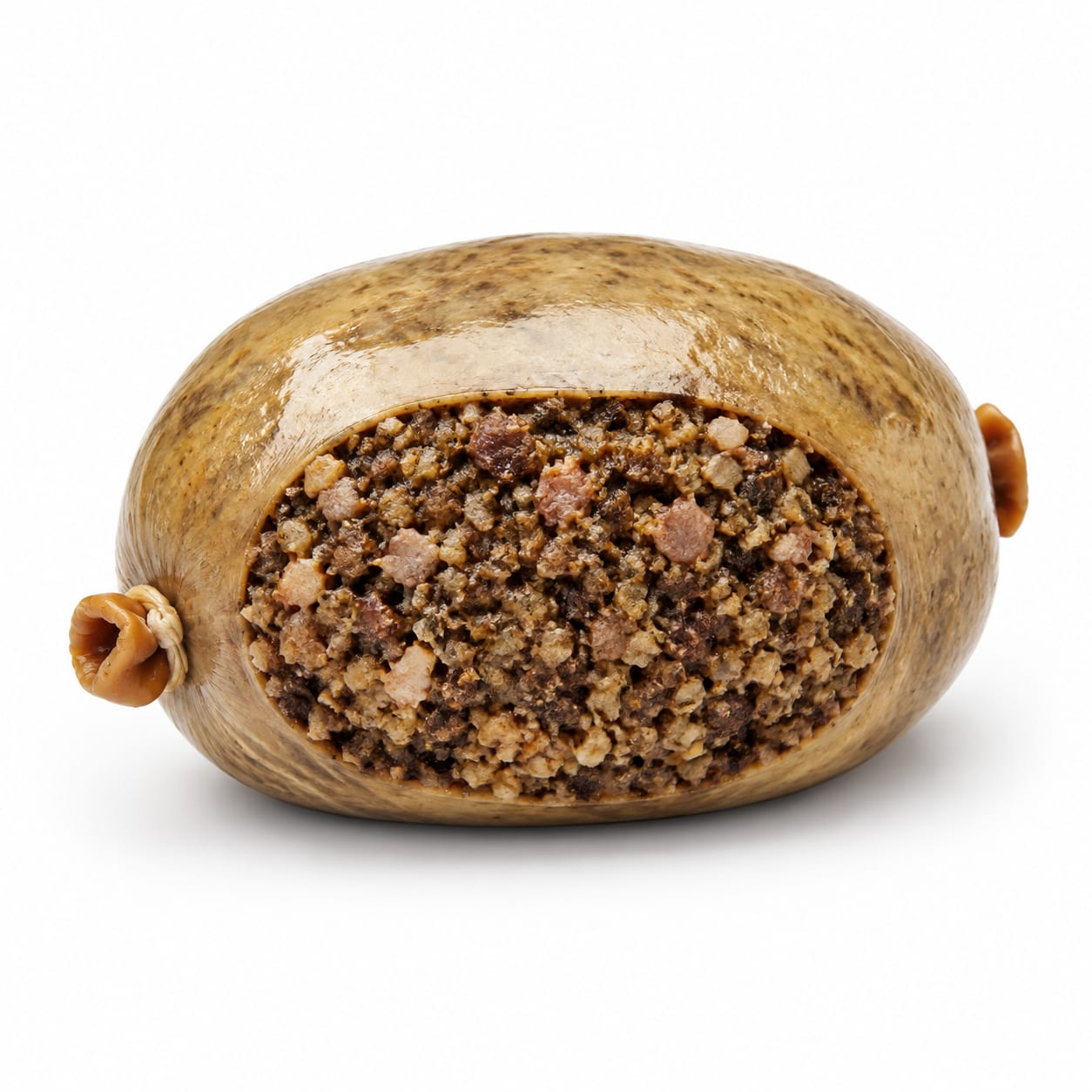
Haggis
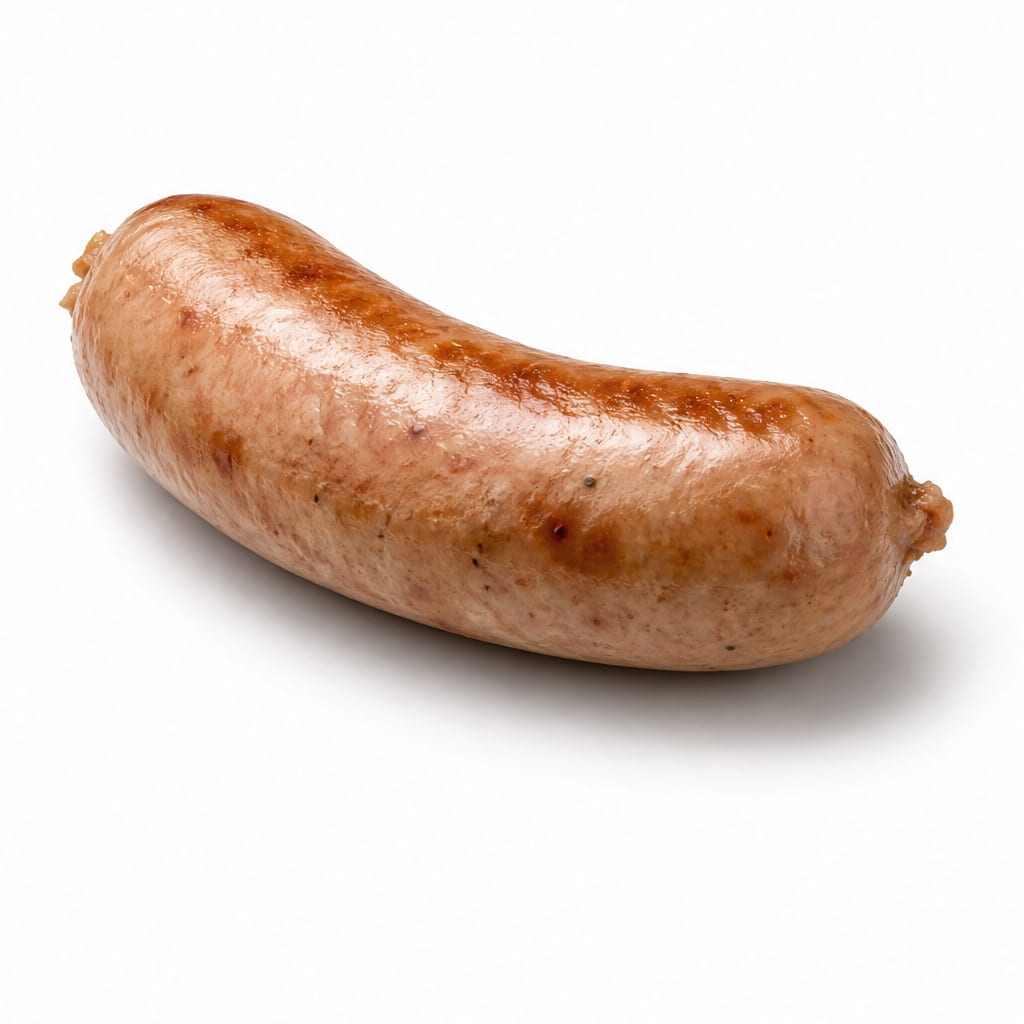
Pork Sausage
Haggis offers superior micronutrients from organ meats but both are high-fat, high-sodium foods that should be eaten occasionally rather than daily.
Haggis scores higher due to organ-meat nutrient density and fewer artificial additives, but both lose points for high saturated fat and sodium. Pork sausage loses more for processing and preservative concerns.
Haggis delivers far more iron, B12, and trace minerals from offal, while pork sausage is more convenient and familiar but more processed with preservative concerns.
At a glance
Executive summary
Overall
It depends
Healthier
Haggis
More practical
Pork Sausage
Daily use
It depends
Key comparison lenses
nutrient density comparison
Haggis contains organ meats which dramatically change its micronutrient profile compared to standard pork sausage
processing and preservatives
Pork sausage often contains nitrates and artificial preservatives while traditional haggis relies on natural ingredients
heart health risk
Both are high in saturated fat and sodium but users need to understand the different cardiovascular tradeoffs
cultural authenticity vs convenience
Haggis is a specialty item while pork sausage is ubiquitous and convenient
safety and contamination
Organ meats carry different contamination risks than muscle meat products
Best choice for
Haggis
- People with iron deficiency or anemia
- Those seeking nutrient-dense traditional foods
- Anyone wanting B12 and folate from whole-food sources
- Adventurous eaters exploring ancestral nutrition
Pork Sausage
- Busy households needing quick protein
- People who want widely available options
- Those who prefer familiar flavors
- Anyone meal-prepping breakfast sandwiches
Least suitable for
Haggis
- People with gout due to high purine content
- Anyone on a low-sodium diet
- Those squeamish about organ meats
- People outside Scotland or specialty markets
- Individuals with high cholesterol concerns
Pork Sausage
- People avoiding nitrates and nitrites
- Those sensitive to artificial preservatives
- Anyone monitoring sodium closely
- People seeking micronutrient-dense foods
- Individuals with hypertension
Deep comparison
Dimension by dimension
Each lens scores both foods and breaks down who each option suits.
- Dimension 1 · Priority 95Haggis
micronutrient_density
Haggis · 88Pork Sausage · 35Haggis dominates this category thanks to liver and heart providing massive amounts of B12, iron, copper, and vitamin A that pork sausage simply cannot match.
Tradeoff
You gain exceptional micronutrients with haggis but must accept the organ-meat flavor and texture that many find challenging.
Why it matters
B12 and iron deficiencies are surprisingly common, and organ meats are nature's most concentrated sources. A single serving of haggis can cover multiple days of B12 needs.
Real-world impact
If you struggle with low energy or borderline anemia, haggis provides nutrients that pork sausage barely touches. You would need supplements to match what haggis delivers naturally.
Haggis
- Correcting iron deficiency
- Boosting B12 intake naturally
- Getting adequate vitamin A
- Supporting energy production
Better for
- Gout sufferers due to purine load
- Vitamin A toxicity risk if eaten excessively
Worse for
Pork Sausage
- Nothing specific — pork sausage is micronutrient-poor by comparison
Better for
- Anyone relying on it for micronutrients
- Pregnant women needing iron
Worse for
- Dimension 2 · Priority 88Haggis
processing_and_additives
Haggis · 72Pork Sausage · 38Traditional haggis uses whole ingredients with natural spices. Most commercial pork sausages contain nitrates, nitrites, fillers, and artificial preservatives.
Tradeoff
Haggis is closer to a whole-food preparation but harder to find. Pork sausage is everywhere but comes with chemical baggage.
Why it matters
Nitrates and nitrites in processed meat are classified as probable carcinogens by the WHO. This is not a small distinction for regular consumers.
Real-world impact
Eating pork sausage daily exposes you to compounds linked to colorectal cancer. Traditional haggis avoids this risk but requires sourcing from quality producers.
Haggis
- Avoiding nitrate exposure
- Reducing artificial preservative intake
- Whole-food ingredient transparency
Better for
- Some commercial haggis may cut corners with additives too
Worse for
Pork Sausage
- Nothing — this is a clear disadvantage for pork sausage
Better for
- Long-term cancer risk from regular processed meat consumption
- Unrecognized preservative sensitivities
Worse for
- Dimension 3 · Priority 85It depends
saturated_fat_and_heart_health
Haggis · 38Pork Sausage · 35Both foods are high in saturated fat and sodium. Neither is heart-healthy, but the specific risks differ slightly.
Tradeoff
Haggis has slightly more favorable fat from suet and organ sources, while pork sausage fat comes from subcutaneous and visceral pork fat with more inflammatory potential.
Why it matters
If you have existing heart concerns, both foods should be occasional treats rather than staples.
Real-world impact
Eating either food multiple times per week will likely raise LDL cholesterol. The difference between them is marginal — both are indulgences.
Haggis
- Cholesterol-carrying lipoproteins may be slightly less affected by organ fat
- Contains some anti-inflammatory nutrients that partially offset fat load
Better for
- High cholesterol content from organ meats concerns some physicians
- Very high sodium per serving
Worse for
Pork Sausage
- Leaner pork sausage varieties exist, giving more flexibility
Better for
- Processed meat fat profile is pro-inflammatory
- Sodium combined with nitrates compounds cardiovascular risk
Worse for
- Dimension 4 · Priority 78Haggis
protein_quality_and_satiety
Haggis · 75Pork Sausage · 65Haggis provides more complete protein with a broader amino acid profile from organ meats. Both are filling, but haggis keeps you satisfied longer.
Tradeoff
Haggis offers superior protein diversity but in a less convenient package. Pork sausage is easier to eat quickly, which can lead to overconsumption.
Why it matters
Protein from diverse sources including organs provides amino acids that muscle meat alone lacks, particularly glycine and collagen-supporting compounds.
Real-world impact
A haggis meal will likely keep you full for 4-5 hours. Pork sausage might leave you hungry again in 2-3 hours despite similar calorie counts.
Haggis
- Longer-lasting fullness
- Collagen-supporting amino acids from connective tissue
- More diverse amino acid intake
Better for
- Heaviness can feel uncomfortable before physical activity
Worse for
Pork Sausage
- Easier to eat larger quantities if you need calories
- More palatable for most people
Better for
- Less satisfying per calorie, easier to overeat
Worse for
- Dimension 5 · Priority 72Pork Sausage
convenience_and_accessibility
Haggis · 25Pork Sausage · 90Pork sausage is available at every grocery store and cooks in minutes. Haggis requires specialty sourcing and often special occasion planning.
Tradeoff
You trade nutritional quality for everyday practicality. Most people cannot realistically eat haggis regularly even if they wanted to.
Why it matters
The best food nutritionally is useless if you cannot access or prepare it. Convenience drives real-world eating patterns more than nutrition labels.
Real-world impact
You can grab pork sausage any day of the week. Haggis might require online ordering, specialty butchers, or waiting for Burns Night.
Haggis
- Nothing — haggis loses decisively on convenience
Better for
- Hard to find outside Scotland
- Requires more preparation knowledge
- Limited to specialty occasions for most people
Worse for
Pork Sausage
- Quick weeknight meals
- Available everywhere
- Easy to cook from frozen
- Familiar cooking methods
Better for
- Convenience makes overconsumption easy
Worse for
- Dimension 6 · Priority 60Haggis
fiber_and_digestive_benefits
Haggis · 55Pork Sausage · 20Haggis contains oatmeal which provides a modest fiber contribution. Pork sausage contains essentially zero fiber.
Tradeoff
The oats in haggis add some digestive benefit but not enough to make either food a good fiber source.
Why it matters
Even small amounts of fiber alongside heavy meat dishes slow digestion and reduce blood sugar spikes from any accompanying carbs.
Real-world impact
Haggis with its oat content will digest slightly more comfortably than pork sausage alone. But neither replaces vegetables or whole grains for fiber.
Haggis
- Slightly gentler digestion
- Oat beta-glucans offer mild cholesterol benefits
- More balanced macronutrient ratio per serving
Better for
- Fiber content is still modest at best
Worse for
Pork Sausage
- Nothing meaningful for fiber
Better for
- Zero fiber contributes to constipation if eaten regularly without vegetables
Worse for
Timeline
Health impact over time
Short-term
Hours to days
Haggis
- Heavy, satisfying fullness that lasts hours
- Possible digestive adjustment if unaccustomed to organ meats
- Higher sodium may cause temporary water retention
- Energy from B vitamins may feel steadier than expected
Pork Sausage
- Quick satisfaction but faster return of hunger
- Nitrates can trigger headaches in sensitive people
- High sodium causes immediate thirst and bloating
- Greasy aftertaste may linger
Long-term
Months to years
Haggis
- Improved iron and B12 status if eaten periodically
- Gout flares possible from high purine content
- Cholesterol concerns with regular consumption
- Potential vitamin A accumulation if eaten too frequently
Pork Sausage
- Elevated colorectal cancer risk with regular processed meat intake
- Chronic sodium overload contributing to hypertension
- Inflammatory fat profile may worsen joint issues
- Preservative exposure compounds over years of consumption
Risk profile
Safety & processing
Traditional haggis is a processed food but uses whole ingredients — organs, oats, suet, and spices. Commercial pork sausage typically contains nitrates, nitrites, fillers, flavor enhancers, and preservatives that push it into ultra-processed territory.
Haggis
Purine overload
mediumOrgan meats are very high in purines which can trigger gout attacks in susceptible individuals. People with gout history should limit or avoid haggis.
Vitamin A toxicity with frequent consumption
mediumLiver contains preformed vitamin A (retinol) which accumulates in the body. Eating haggis more than once a week could gradually build to concerning levels.
Contamination from offal
lowOrgan meats can concentrate environmental contaminants and heavy metals more than muscle meat. Sourcing from reputable producers matters significantly.
Pork Sausage
Nitrate and nitrite exposure
highMost commercial pork sausages contain sodium nitrite as a preservative and color fixative. These compounds form nitrosamines during cooking, which are probable carcinogens.
Pathogen risk from undercooking
mediumGround pork is more susceptible to bacterial contamination than whole cuts. Trichinella risk is low in commercial pork but not zero.
Antibiotic residue exposure
mediumConventional pork production uses more antibiotics than most livestock. Residues may persist in ground products at higher concentrations.
Who wins for whom
Audience fit
Same foods, different winners depending on your goal.
children
Pork SausageChildren are more likely to accept pork sausage. Haggis poses vitamin A toxicity risks for smaller bodies and the purine load is inappropriate for developing systems.
daily consumption
It dependsNeither should be eaten daily. If forced to choose, a high-quality pork sausage with no nitrates eaten occasionally is more sustainable than daily organ meat with its vitamin A and purine accumulation risks.
diabetes
HaggisHaggis has fewer carbs and more fiber from oats, causing less blood sugar disruption. Pork sausage may contain dextrose or other fillers that add hidden carbohydrates.
elderly
HaggisOlder adults benefit more from the concentrated B12, iron, and folate in haggis. These nutrients address common age-related deficiencies. However, sodium content must be monitored.
muscle gain
HaggisHaggis provides more bioavailable iron and B12 which support oxygen transport and energy metabolism during training. The diverse amino acid profile also supports recovery better.
weight loss
It dependsNeither food is ideal for weight loss. Haggis is more satiating per calorie but harder to portion-control due to serving traditions. Lean pork sausage varieties offer more calorie control.
Your move
Decision guide
Choose Haggis
- You want maximum micronutrient bang per bite
- You have iron or B12 deficiency
- You can source traditional haggis from a quality producer
- You enjoy or are curious about traditional foods
- You eat it occasionally as a special meal rather than a staple
Choose Pork Sausage
- You need convenient protein for busy mornings
- You cannot access haggis locally
- You prefer familiar flavors and textures
- You choose nitrate-free varieties and eat it moderately
- You want something easy to cook from frozen on weeknights
Either works if
- You are treating yourself to an indulgent meal
- You pair it with plenty of vegetables to balance the plate
- You limit portions to 100-150g per serving
- You are generally healthy with no gout or heart concerns
Avoid both if
- You have active gout or high uric acid
- You are on a strict low-sodium diet
- You have severe heart disease requiring minimal saturated fat
- You have hypertension that is poorly controlled
- You eat processed meats more than twice per week already
Final recommendation
If you have access to quality haggis, it is the nutritionally superior choice for occasional consumption. Its organ-meat content delivers micronutrients that pork sausage cannot match, and it avoids the nitrate concerns of processed meat. However, for everyday practicality, a nitrate-free pork sausage eaten once a week with vegetables is a reasonable compromise. The real enemy here is frequency — both foods are best enjoyed as weekly or biweekly indulgences, not daily staples.
Practical
Consumer tips
- 1
If buying pork sausage, look for brands with no nitrates or nitrites and minimal ingredients beyond pork, salt, and spices
- 2
Pair either food with a large serving of leafy greens or cruciferous vegetables to help your body process the saturated fat
- 3
If trying haggis for the first time, start with a small portion — the flavor and texture are distinctly different from any sausage
- 4
Freeze haggis in individual portions since it is typically sold in larger quantities than you would eat at once
- 5
Check sodium labels carefully on both products — some pork sausages contain 25-30% of your daily sodium limit per link
- 6
If you have gout in your family history, avoid haggis entirely and limit pork sausage to rare occasions
- 7
Scottish-style haggis from reputable butchers will have better ingredient quality than mass-produced versions