
Nutrition comparison
Haggis vs Pate: Nutrition, Taste, and Health Comparison
Compare Haggis and Pate to see which organ meat dish is healthier. Discover the nutritional differences, fat content, and best uses for Haggis vs Pate.
Overall winner · Pate
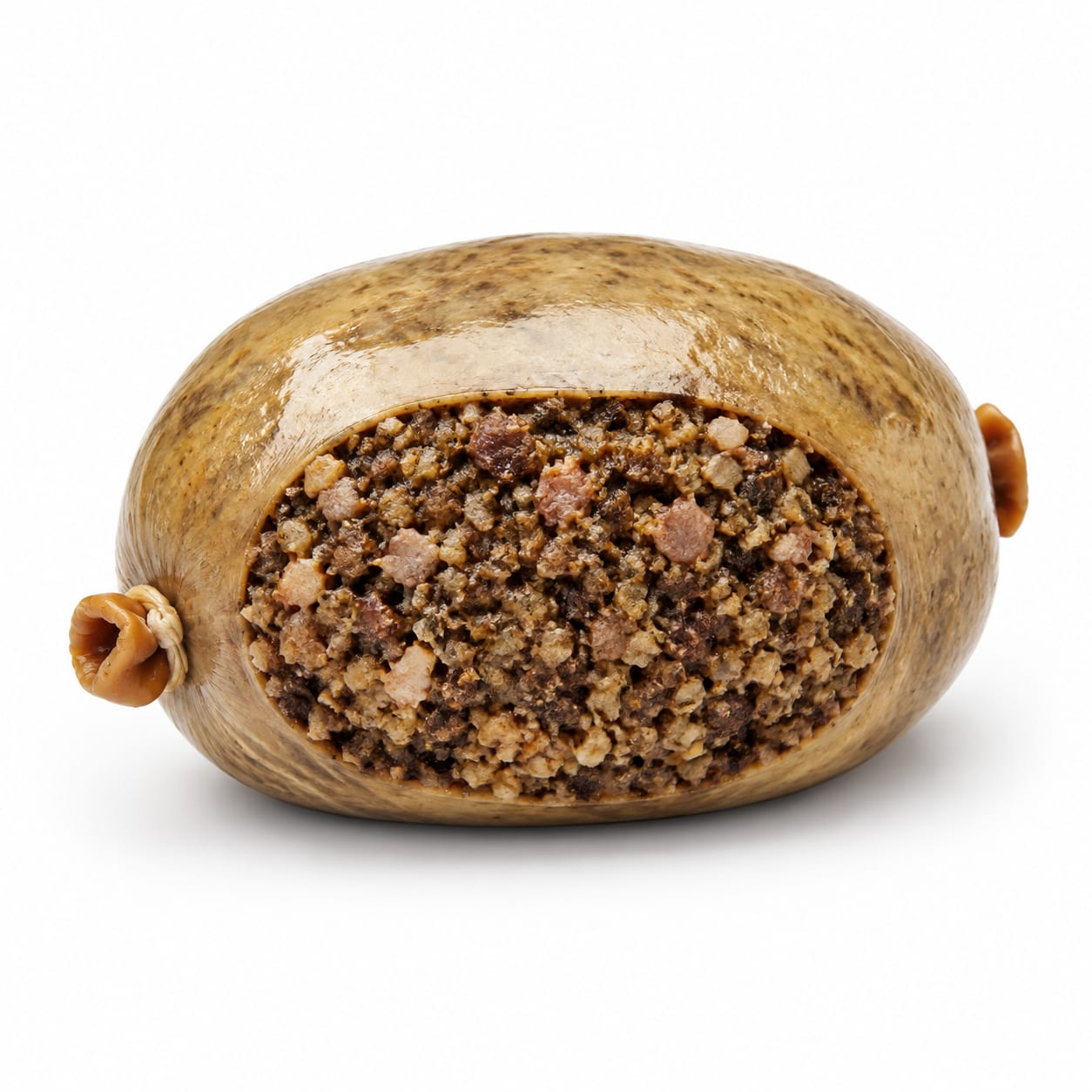
Haggis
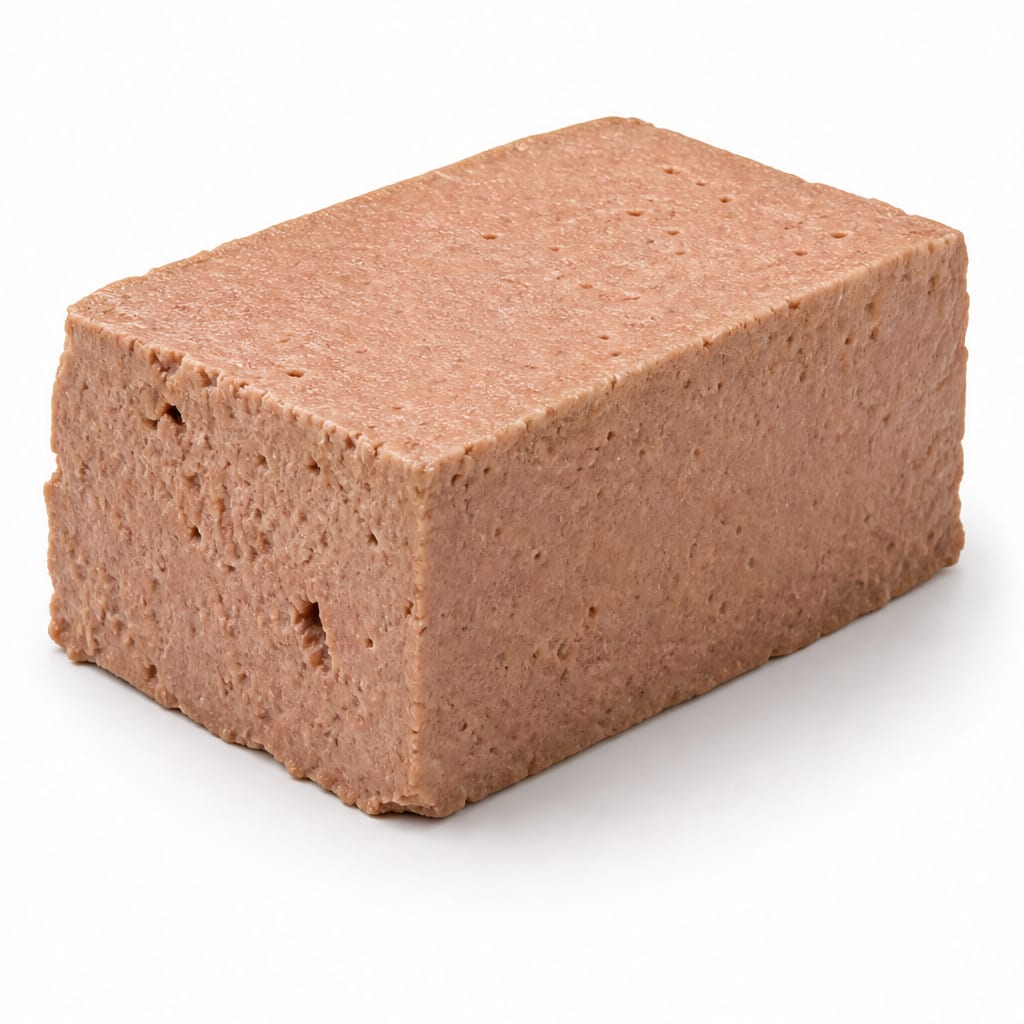
Pate
Pate edges out Haggis for convenience and versatility, though both are rich, salty, occasional indulgences rather than everyday staples.
Pate scores slightly higher due to better portion control and culinary flexibility, but both foods are nutritionally dense yet high in saturated fat and sodium, making them better as occasional treats.
Haggis offers more fiber from oats and a rustic whole-food ingredient list, while Pate delivers smoother texture, easier portion control, and broader culinary use.
At a glance
Executive summary
Overall
Pate
Healthier
It depends
More practical
Pate
Daily use
It depends
Key comparison lenses
Comparing traditional organ meat dishes for health and practicality
Both foods are rich, offal-based dishes, but their culinary roles and ingredient lists differ significantly.
Evaluating fat and sodium tradeoffs in preserved meats
Haggis and Pate are both high in saturated fat and salt, making cardiovascular impact a primary concern.
Choosing between rustic whole-food cooking and refined charcuterie
Haggis is a boiled, oat-heavy dish while Pate is a blended, fat-heavy spread, leading to different eating experiences and additive profiles.
Best choice for
Haggis
- People seeking a hearty, filling meal component
- Traditional Scottish cuisine enthusiasts
- Those wanting whole-grain fiber alongside organ meats
Pate
- Easy appetizers or snack spreads
- Portion control for rich foods
- People who prefer smoother textures and refined flavors
Least suitable for
Haggis
- Low-sodium diets
- People watching saturated fat closely
- Quick everyday snacking
Pate
- Those concerned about Vitamin A toxicity (pregnancy)
- People avoiding commercial additives and preservatives
- Low-sodium diets
Deep comparison
Dimension by dimension
Each lens scores both foods and breaks down who each option suits.
- Dimension 1 · Priority 90Pate
Nutrient Density & Micronutrients
Haggis · 82Pate · 88Pate packs a slightly more concentrated punch of Vitamin A and B12 from liver, while Haggis offers a broader nutrient profile including fiber from oats.
Tradeoff
Pate gives you more liver-specific vitamins per bite, but Haggis provides a more balanced plate with added fiber.
Why it matters
Organ meats are superfoods for micronutrients, but the form they take changes how your body processes the meal.
Real-world impact
A small serving of Pate can cover your weekly B12 needs easily, whereas Haggis fills you up more like a complete meal.
Haggis
- Balanced macronutrients with fiber
- Sustained energy from oats
Better for
- Lower vitamin concentration per serving
- Heavier to digest in large amounts
Worse for
Pate
- Concentrated Vitamin A and B12
- Higher iron density per ounce
Better for
- Risk of excessive Vitamin A if eaten too frequently
- Lacks dietary fiber
Worse for
- Dimension 2 · Priority 85It depends
Saturated Fat & Cholesterol
Haggis · 35Pate · 38Both are high in saturated fat and cholesterol, though Haggis relies on suet while Pate uses butter or pork fat.
Tradeoff
Haggis has coarse fat from suet, while Pate blends fat smoothly, making it easier to overeat.
Why it matters
High saturated fat intake impacts heart health over time, especially with frequent consumption.
Real-world impact
Eating either daily could raise LDL cholesterol, but spreading a thin layer of Pate on toast feels lighter than a dense plate of Haggis.
Haggis
- Suet fat is less easily overconsumed due to dense texture
- More filling, so you eat less overall
Better for
- Very high cholesterol from lungs and liver
- Dense fat content feels heavy
Worse for
Pate
- Easier to portion out a very thin spread
- Can choose leaner chicken liver versions
Better for
- Blended fat makes it easy to overconsume
- Often contains extra butter for richness
Worse for
- Dimension 3 · Priority 80It depends
Sodium & Heart Health
Haggis · 30Pate · 35Both are heavily salted during preparation, making them challenging for blood pressure management.
Tradeoff
Haggis requires significant salt to balance the oats and offal, while commercial Pate uses salt as both flavor and preservative.
Why it matters
Sodium load directly affects blood pressure and bloating, especially in preserved meats.
Real-world impact
A single serving of either can put a big dent in your daily sodium budget, leaving you thirsty and bloated.
Haggis
- Homemade versions allow salt control
Better for
- Traditional recipes are extremely sodium-dense
- Often served with salty sides
Worse for
Pate
- Artisan Pate often has slightly less sodium than mass-produced Haggis
Better for
- Commercial brands use sodium-based preservatives
- Pairs naturally with salty crackers
Worse for
- Dimension 4 · Priority 75Haggis
Ingredient Naturalness & Processing
Haggis · 75Pate · 55Traditional Haggis uses simple, recognizable ingredients like oats, onions, and spices, while commercial Pate often contains emulsifiers and preservatives.
Tradeoff
Haggis keeps it rustic and whole-food based, whereas Pate frequently relies on industrial additives for shelf stability and texture.
Why it matters
Fewer additives mean a cleaner metabolic process and fewer unknown long-term effects.
Real-world impact
Reading the ingredient list on store-bought Pate often reveals a chemistry project, while Haggis typically sticks to kitchen staples.
Haggis
- Minimal ingredients
- No artificial emulsifiers
- Whole grain inclusion
Better for
- Sourcing quality offal can be difficult
Worse for
Pate
- Artisan or homemade versions can be very clean
Better for
- Often contains sodium nitrite
- May include milk solids and stabilizers
Worse for
- Dimension 5 · Priority 70Pate
Culinary Versatility & Convenience
Haggis · 40Pate · 85Pate is a ready-to-eat spread that fits into quick snacks and elegant dinners alike, while Haggis is a specific dish requiring more preparation.
Tradeoff
Pate adapts to crackers, sandwiches, and charcuterie boards effortlessly, whereas Haggis is mostly a standalone centerpiece.
Why it matters
Foods that are easy to use correctly tend to be enjoyed more consistently without waste.
Real-world impact
You can grab Pate from the fridge for a quick protein snack, but Haggis usually demands a full meal setup.
Haggis
- Serves as a hearty main course
- Unique cultural experience
Better for
- Hard to use as a quick snack
- Limited pairing options
Worse for
Pate
- Quick appetizer
- Easy to store and serve
- Pairs well with many foods
Better for
- Can feel too rich if eaten as a main component
Worse for
Timeline
Health impact over time
Short-term
Hours to days
Haggis
- High satiety from protein and fiber
- Potential bloating from rich, dense ingredients
- Significant thirst from high sodium
Pate
- Quick energy from easily digestible fats
- Rich flavor satisfies cravings quickly
- Possible slight sluggishness from fat load
Long-term
Months to years
Haggis
- Frequent consumption could raise cardiovascular risk due to saturated fat and sodium
- Good iron and B12 stores if eaten occasionally
- Fiber supports digestive health
Pate
- Risk of Vitamin A toxicity if overconsumed regularly
- Potential increased LDL cholesterol from frequent intake
- Excellent maintenance of B12 levels
Risk profile
Safety & processing
Traditional Haggis is processed but relies on natural ingredients and mechanical mixing. Commercial Pate often undergoes more industrial processing with emulsifiers and preservatives to maintain its smooth spread and shelf life.
Haggis
Bacterial contamination during preparation
mediumOffal must be cooked thoroughly to eliminate pathogens, though commercial Haggis is pre-cooked.
Gout flare-ups
mediumHigh purine content from organ meats can trigger gout in susceptible individuals.
Pate
Vitamin A toxicity
highLiver concentrates Vitamin A; frequent consumption, especially by pregnant women, can lead to toxicity and birth defects.
Listeria in refrigerated spreads
mediumDelicatessen-style Pate can harbor Listeria if not stored or handled properly, posing risks to immunocompromised people.
Who wins for whom
Audience fit
Same foods, different winners depending on your goal.
children
It dependsNeither is ideal for kids due to high sodium, but a tiny taste of Pate is more palatable; Haggis is too rich and high in sodium for small children.
daily consumption
It dependsNeither should be eaten daily due to high saturated fat, cholesterol, and sodium, but very small portions of Pate can fit into a varied diet more easily.
diabetes
HaggisThe oats in Haggis provide dietary fiber that slows blood sugar absorption, while Pate is often paired with refined carbs like crackers.
elderly
PatePate is softer, easier to chew, and provides concentrated B12 and iron, which are crucial for aging populations.
muscle gain
HaggisHaggis provides a more substantial protein and carbohydrate load ideal for post-workout recovery and muscle building.
weight loss
PatePate is easier to portion control as a thin spread, whereas Haggis is typically eaten as a dense, calorie-heavy main dish.
Your move
Decision guide
Choose Haggis
- You want a filling, hearty meal with fiber
- You value simple, whole-food ingredients without additives
- You are celebrating Scottish culture with a traditional dish
Choose Pate
- You need an easy, elegant appetizer for guests
- You want quick, portion-controlled rich flavors
- You prefer smooth textures and spreadable convenience
Either works if
- You are looking to boost iron and B12 intake
- You want a rich, savory umami flavor experience
- You are comfortable with high-fat, high-sodium foods in moderation
Avoid both if
- You have severe cardiovascular disease requiring strict low-sodium, low-fat diets
- You suffer from gout and must limit purines
- You are pregnant and concerned about Vitamin A toxicity
Final recommendation
Choose Haggis for a hearty, rustic meal with surprisingly clean ingredients, or Pate for a convenient, elegant spread—just keep both to occasional enjoyment due to their rich, salty nature.
Practical
Consumer tips
- 1
Look for artisan Pate with minimal ingredients to avoid emulsifiers and excess sodium.
- 2
If making Haggis at home, try reducing the salt slightly and using leaner cuts of offal.
- 3
Pair Pate with cucumber slices or whole-grain crackers instead of white bread to add fiber and reduce blood sugar spikes.
- 4
Keep portions of either food to about 2 ounces to manage saturated fat and sodium intake.
- 5
Pregnant women should avoid liver-based Pate entirely due to the risk of Vitamin A toxicity.