
Nutrition comparison
Haggis vs Meatloaf: Nutritional Showdown
Comparing Haggis and Meatloaf: discover which hearty dish is better for iron, protein, and daily eating, and what tradeoffs you need to know.
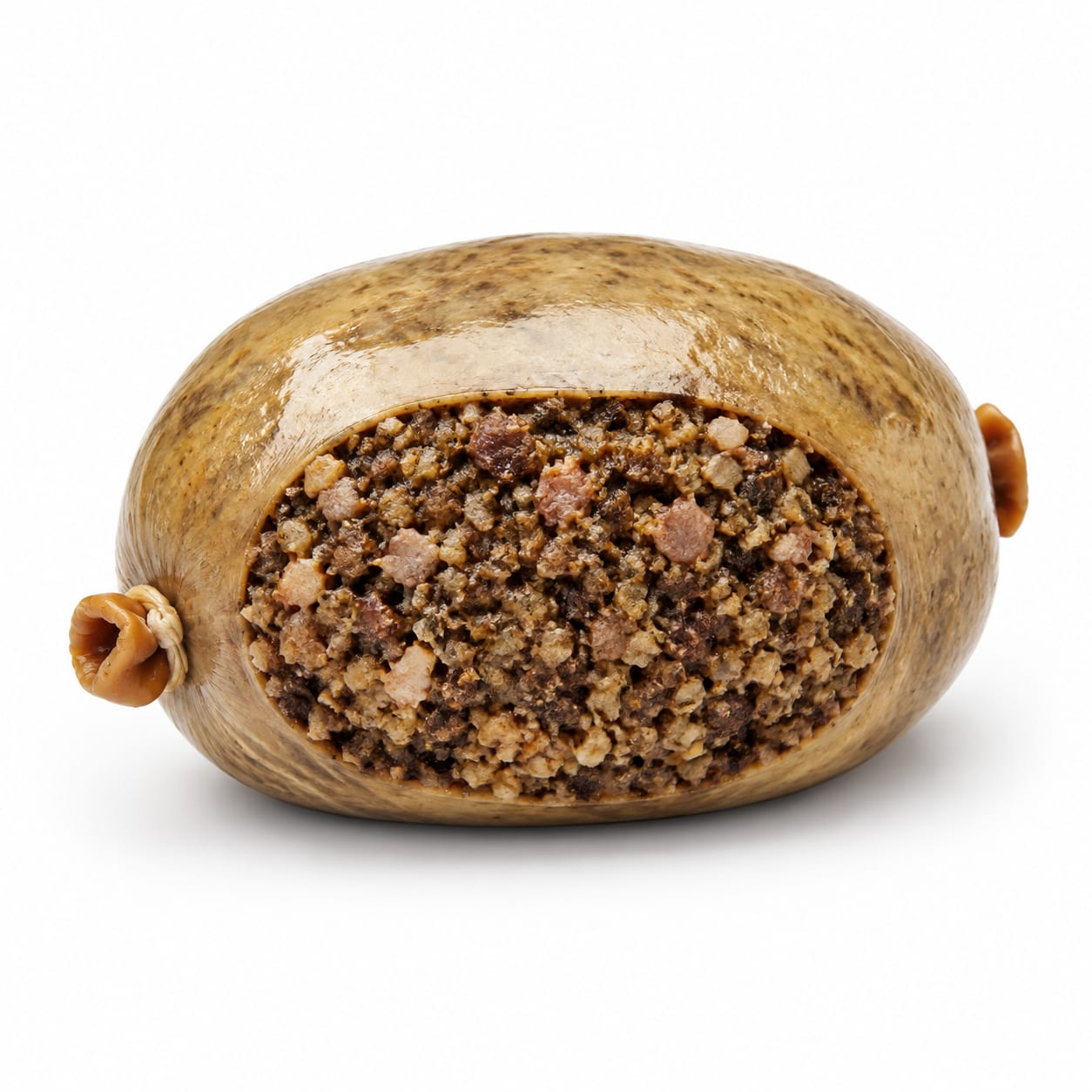
Haggis
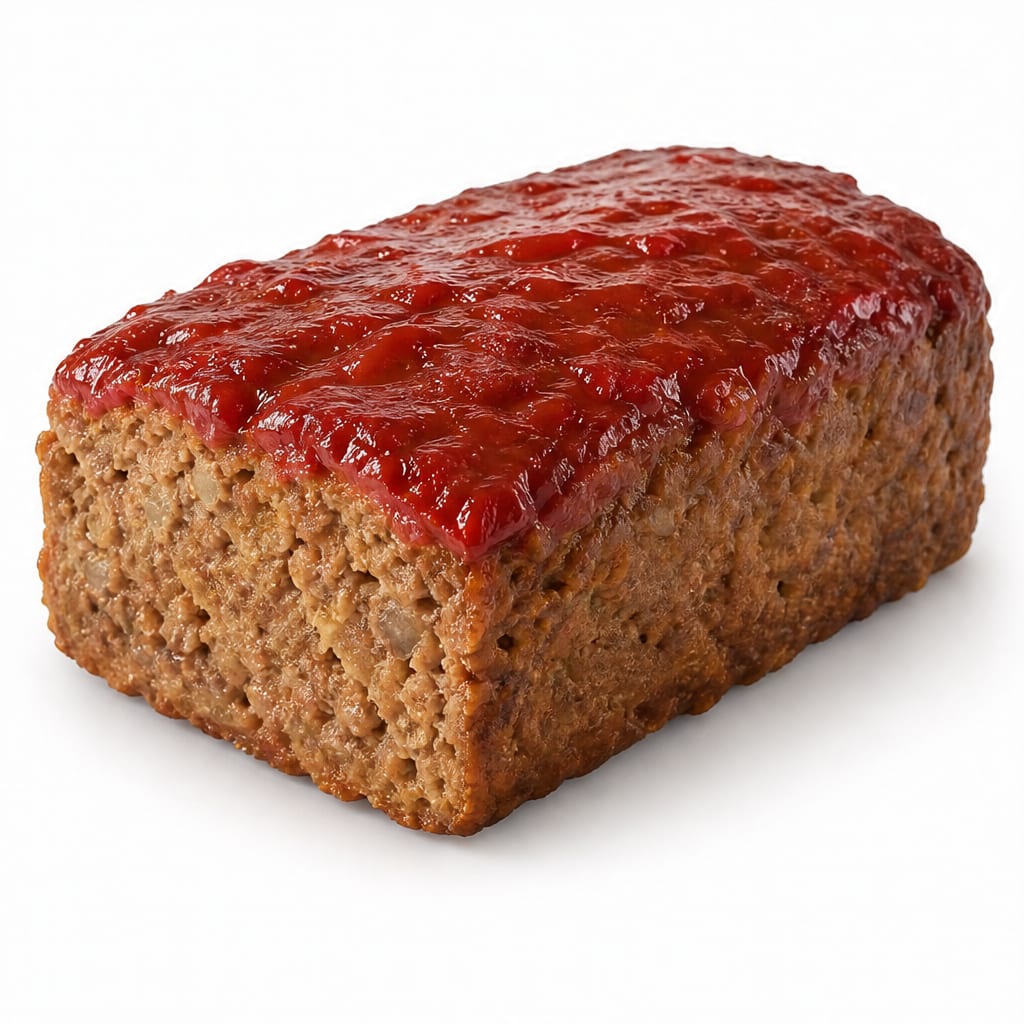
Meatloaf
Haggis offers superior micronutrient density from organ meats, while Meatloaf provides broader appeal and easier portion control with more accessible ingredients.
Haggis scores higher for micronutrient density and whole-animal utilization, but Meatloaf wins on accessibility and dietary flexibility, making them close overall depending on health priorities.
Nutritional powerhouse with a strong, acquired flavor versus a familiar, customizable comfort food with hidden sugars.
At a glance
Executive summary
Overall
It depends
Healthier
It depends
More practical
Meatloaf
Daily use
Meatloaf
Key comparison lenses
Nutrient density from organ meats vs standard muscle meat
Haggis contains liver and heart, offering massive vitamin and mineral advantages over standard ground beef.
Sodium and heart health impact
Both are high-sodium savory dishes, but traditional Haggis is exceptionally salty.
Hidden sugars and carbohydrates
Meatloaf often contains breadcrumbs and sugary glazes, while Haggis relies on oats and spices with minimal sugar.
Culinary accessibility and everyday practicality
Meatloaf is a weeknight staple, whereas Haggis is a niche specialty item often reserved for cultural events.
Best choice for
Haggis
- Anemia prevention
- Nose-to-tail eating enthusiasts
- High B12 needs
Meatloaf
- Picky eaters
- Family dinners
- Budget-friendly meal prep
Least suitable for
Haggis
- Gout sufferers
- Cholesterol-restricted diets
- Children unaccustomed to strong flavors
Meatloaf
- Low-sugar diets
- Those avoiding red meat
- Gluten-free diets unless modified
Deep comparison
Dimension by dimension
Each lens scores both foods and breaks down who each option suits.
- Dimension 1 · Priority 95Haggis
Micronutrient Density
Haggis · 92Meatloaf · 55Haggis obliterates Meatloaf in vitamins and minerals thanks to the sheep liver and heart.
Tradeoff
You get massive nutritional gains with Haggis, but also a much higher cholesterol load.
Why it matters
Organ meats are nature's multivitamin, crucial for energy and preventing anemia.
Real-world impact
Eating Haggis can quickly boost flagging iron levels, while Meatloaf offers more routine protein without the micronutrient spike.
Haggis
- Fighting fatigue
- Boosting B12
- Pregnancy iron needs
Better for
- Cholesterol-sensitive individuals
Worse for
Meatloaf
- Milder vitamin A intake
- Avoiding excess cholesterol
Better for
- Those needing an iron boost
Worse for
- Dimension 2 · Priority 80Haggis
Satiety and Fiber Content
Haggis · 85Meatloaf · 75Haggis contains oatmeal, providing a fiber boost that Meatloaf typically lacks unless specially modified.
Tradeoff
The fiber in Haggis slows digestion for steadier energy, whereas Meatloaf's breadcrumbs act more as empty fillers.
Why it matters
Fiber keeps you full longer and prevents blood sugar spikes after a heavy meat meal.
Real-world impact
A portion of Haggis keeps you satisfied for hours, while Meatloaf might leave you hungry again sooner due to the sugary glaze.
Haggis
- Steady energy
- Digestive regularity
Better for
- Heavy feeling after large portions
Worse for
Meatloaf
- Lighter post-meal feeling
Better for
- Quicker hunger return
Worse for
- Dimension 3 · Priority 90Meatloaf
Sodium and Heart Health
Haggis · 40Meatloaf · 55Both are salty, but Haggis is traditionally very high in sodium, and Meatloaf can be controlled more easily at home.
Tradeoff
Meatloaf allows for low-sodium customization, while traditional Haggis is a sodium bomb.
Why it matters
High sodium intake directly impacts blood pressure and cardiovascular risk.
Real-world impact
Eating Haggis regularly could easily push you over daily sodium limits, whereas homemade Meatloaf can fit into a heart-healthier diet.
Haggis
- Post-sweat electrolyte replenishment
Better for
- Hypertension risk
Worse for
Meatloaf
- Blood pressure management
- Heart-healthy diets
Better for
- Blandness if over-restricted
Worse for
- Dimension 4 · Priority 80Meatloaf
Convenience and Accessibility
Haggis · 30Meatloaf · 90Meatloaf is a staple comfort food easy to find or make anywhere; Haggis is a specialty item often requiring specialty butchers.
Tradeoff
Meatloaf is effortless to integrate into weekly meal prep, while Haggis requires planning and often a cultural occasion.
Why it matters
You can only benefit from foods you actually eat regularly.
Real-world impact
You can whip up Meatloaf on a Tuesday with grocery store staples, but Haggis usually requires a special order or a trip to a Scottish import shop.
Haggis
- Cultural celebrations
- Adventurous eating
Better for
- Last-minute meals
- Rural availability
Worse for
Meatloaf
- Weeknight dinners
- Meal prepping
- Grocery accessibility
Better for
- Culinary adventure
Worse for
- Dimension 5 · Priority 85Haggis
Hidden Sugars and Additives
Haggis · 75Meatloaf · 50Haggis relies on spices and meat juices for flavor, while Meatloaf often uses sugary ketchup glazes and fillers.
Tradeoff
Haggis keeps sugars near zero but uses more saturated organ fat; Meatloaf cuts the organ fat but adds sugar.
Why it matters
Hidden sugars in savory meals can cause blood sugar crashes and add empty calories.
Real-world impact
A slice of Meatloaf can have a surprising amount of sugar from the glaze, leading to an afternoon energy dip.
Haggis
- Low-carb diets
- Keto-friendly meals
Better for
- Fat-restricted diets
Worse for
Meatloaf
- Sweet flavor profiles
Better for
- Diabetics watching sugar
- Clean eating
Worse for
Timeline
Health impact over time
Short-term
Hours to days
Haggis
- High satiety from fat and fiber
- Potential digestive heaviness if unused to organ meats
- Quick iron energy boost
Meatloaf
- Comforting and familiar
- Potential blood sugar spike from glaze
- Easy to overeat due to sweet and salty profile
Long-term
Months to years
Haggis
- Excellent B12 and iron status
- Risk of elevated cholesterol if eaten frequently
- High sodium load on blood pressure
Meatloaf
- Reliable protein intake
- Risk of added sugar contributing to metabolic issues
- Potential for high saturated fat depending on meat blend
Risk profile
Safety & processing
Haggis is a traditional processed meat using the whole animal without artificial preservatives, whereas Meatloaf often incorporates commercial sauces with hidden additives and refined sugars.
Haggis
High cholesterol and purine load
mediumOrgan meats are high in purines, which can trigger gout in susceptible individuals, and dietary cholesterol.
Traditional preparation contamination
lowIf prepared in a traditional stomach casing, improper cleaning can pose bacterial risks, though commercial versions use synthetic casings.
Meatloaf
Pathogen risk from undercooked ground beef
mediumGround meat carries a higher risk of E. coli if not cooked to a safe internal temperature.
Added nitrites in commercial mixes
lowSome pre-packaged Meatloaf mixes or glazes may contain preservatives like sodium nitrite.
Who wins for whom
Audience fit
Same foods, different winners depending on your goal.
children
MeatloafMeatloaf has a familiar, mild, and slightly sweet flavor that kids accept readily, unlike the strong peppery liver flavor of Haggis.
daily consumption
MeatloafMeatloaf is easier to modify for everyday health by using lean meat and less salt, while Haggis is best reserved for occasional consumption due to its intense nutrient and sodium density.
diabetes
HaggisHaggis is extremely low in carbohydrates and sugar, whereas Meatloaf often contains breadcrumbs and sugary glazes.
elderly
It dependsHaggis provides crucial B12 and iron for aging bodies, but its high sodium and cholesterol may conflict with heart medications.
muscle gain
MeatloafMeatloaf provides high protein from muscle meat without the heavy fat and organ load, making it easier to eat in bulk.
weight loss
It dependsHaggis is more filling per bite due to organ fat and fiber, but Meatloaf can be made leaner with turkey or lean beef.
Your move
Decision guide
Choose Haggis
- You need a massive boost in iron and B12
- You follow a low-carb or keto diet
- You value nose-to-tail eating and zero food waste
- You are celebrating Burns Night
Choose Meatloaf
- You are meal-prepping for a family
- You want a customizable, familiar comfort food
- You are watching your cholesterol or purine intake
- You need something accessible from any grocery store
Either works if
- You simply want a hearty, warming dinner on a cold night
- You are an active person needing high protein and fat
Avoid both if
- You are on a strict low-sodium diet
- You avoid red meat entirely for health or ethical reasons
Final recommendation
Choose Haggis for an occasional micronutrient powerhouse and cultural experience, but stick to homemade Meatloaf for a practical, family-friendly staple you can adapt to your dietary needs.
Practical
Consumer tips
- 1
If making Meatloaf, swap ketchup for a sugar-free tomato paste glaze to cut hidden carbs.
- 2
Look for Haggis in specialty butchers around January for the freshest traditional options.
- 3
To lighten Meatloaf, use a mix of lean ground beef and turkey, and oats instead of breadcrumbs.
- 4
Pair Haggis with plenty of vegetables like neeps and tatties to balance the heavy salt and fat content.
- 5
If you have gout, strictly limit Haggis due to the high purine content in organ meats.