
Nutrition comparison
Haggis vs Liverwurst: Nutrition, Safety, and Which Organ Meat to Choose
Compare haggis and liverwurst on nutrition, processing, vitamin A risk, sodium, and convenience. Find out which offal-based food fits your health goals and lifestyle.
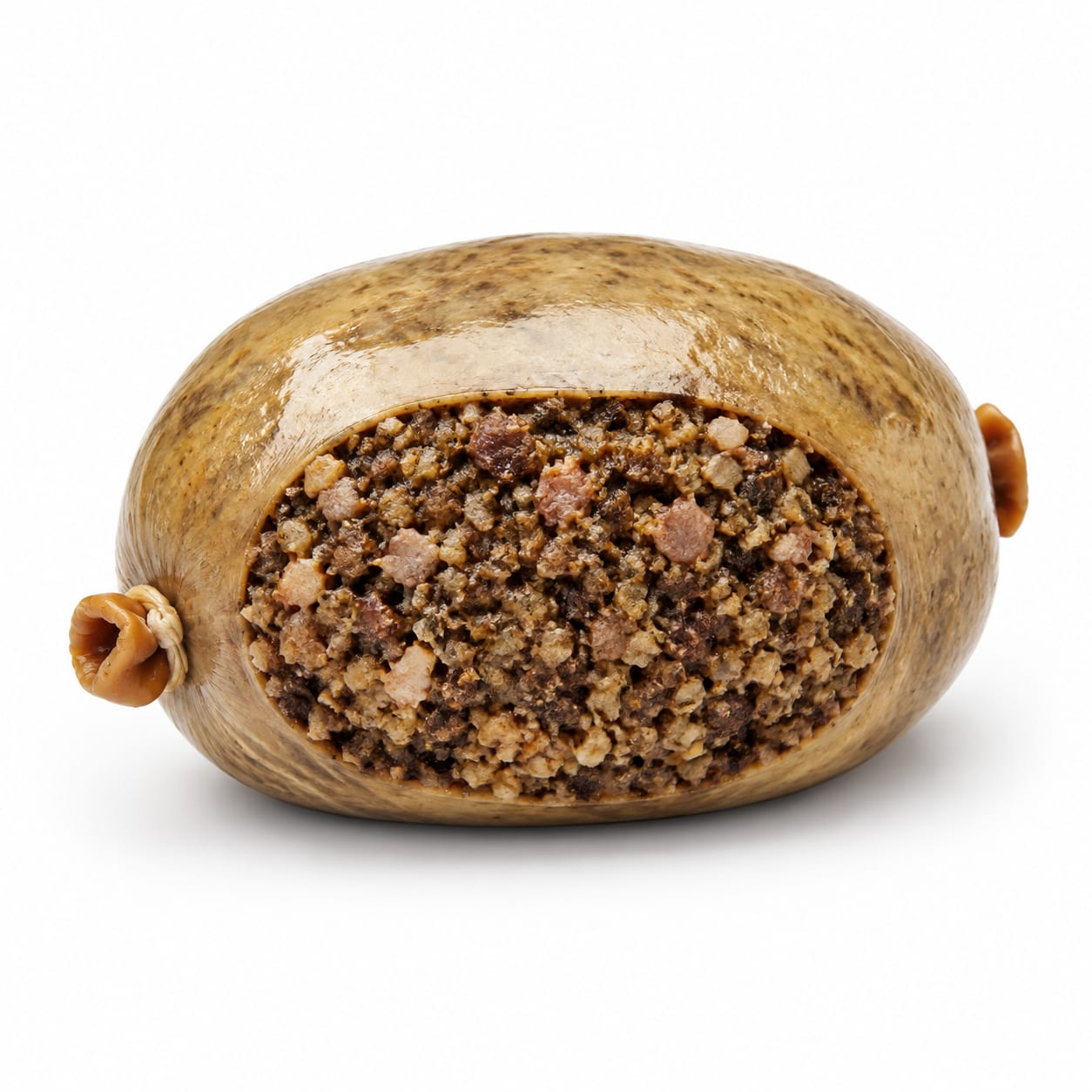
Haggis
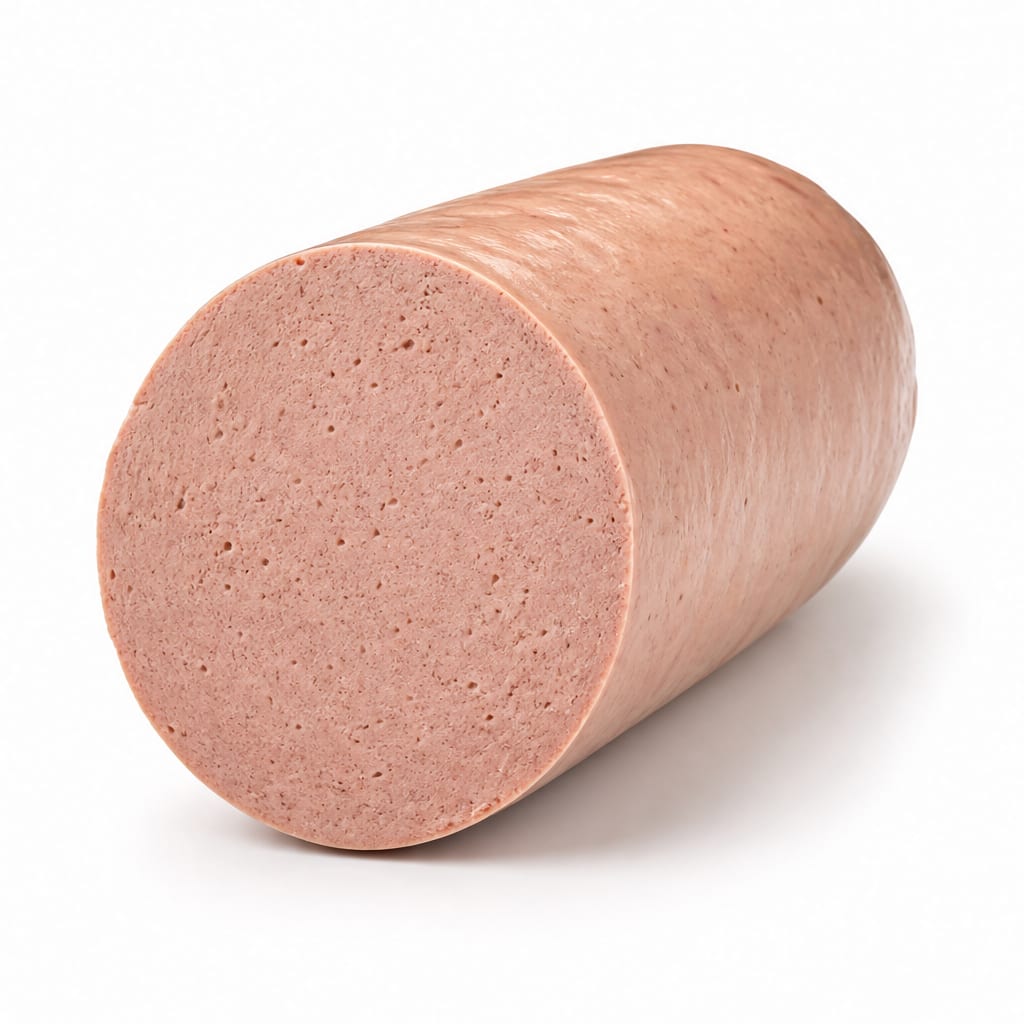
Liverwurst
Haggis offers better nutritional balance with oatmeal fiber and less processing, while liverwurst wins on convenience and spreadability but carries higher sodium and preservative concerns.
Haggis scores moderately higher due to less processing and added fiber from oatmeal, but both foods lose points for high sodium, saturated fat, and purine load. Neither is a daily staple food.
Traditional whole-food preparation versus ready-to-eat convenience, with liverwurst trading additive exposure for accessibility.
At a glance
Executive summary
Overall
It depends
Healthier
Haggis
More practical
Liverwurst
Daily use
It depends
Key comparison lenses
organ meat nutritional tradeoffs
Both foods are offal-based, making vitamin and mineral density the central comparison point
processing and additive exposure
Liverwurst is commercially processed with preservatives while haggis is traditionally prepared with minimal additives
sodium and cardiovascular load
Both are high-sodium foods but differ significantly in salt density per serving
vitamin A toxicity risk with frequent consumption
Liverwurst delivers concentrated vitamin A from pork liver, raising concerns about daily intake
everyday practicality and accessibility
Liverwurst is a convenient spread while haggis requires preparation or specialty sourcing
Best choice for
Haggis
- Those seeking a less processed organ meat experience
- Traditional Scottish cuisine enthusiasts
- People wanting fiber alongside their offal
- Anyone avoiding commercial preservatives and emulsifiers
Liverwurst
- Quick sandwich makers needing ready-to-eat protein
- Those who want spreadable texture for snacks
- People seeking concentrated vitamin A and B12
- Anyone without access to specialty haggis suppliers
Least suitable for
Haggis
- Gout sufferers due to high purine content
- Those needing low-sodium options
- People uncomfortable with traditional offal preparation
- Anyone outside regions where haggis is available
Liverwurst
- Pregnant women due to concentrated vitamin A
- Those monitoring sodium strictly
- People avoiding processed meats
- Anyone sensitive to nitrates or nitrites
Deep comparison
Dimension by dimension
Each lens scores both foods and breaks down who each option suits.
- Dimension 1 · Priority 95Haggis
nutritional density
Haggis · 78Liverwurst · 72Both deliver exceptional micronutrient density from organ meats, but haggis adds oatmeal fiber and a broader mineral profile from mixed offal.
Tradeoff
Liverwurst provides more concentrated vitamin A per bite, while haggis offers more balanced nutrition with fiber and varied organ sources.
Why it matters
Organ meats are nature's multivitamin, but the specific mix determines what you actually absorb in meaningful amounts.
Real-world impact
A haggis meal leaves you fuller longer thanks to fiber, while liverwurst delivers a sharper nutrient hit in a smaller portion.
Haggis
- Balanced micronutrient intake across multiple organs
- Sustained energy from oatmeal fiber
- Broader mineral spectrum including selenium and zinc
Better for
- Larger serving needed to match liverwurst's vitamin A density
- Variable nutrition depending on recipe and producer
Worse for
Liverwurst
- Maximum vitamin A per serving
- Concentrated B12 in a small spreadable portion
- Easier to eat small amounts for targeted nutrient boosts
Better for
- Vitamin A can accumulate to unsafe levels with frequent consumption
- No dietary fiber to slow nutrient absorption
Worse for
- Dimension 2 · Priority 88Haggis
processing and additives
Haggis · 72Liverwurst · 38Haggis is traditionally a whole-food preparation with minimal additives, while commercial liverwurst often contains preservatives, emulsifiers, and nitrates.
Tradeoff
You gain convenience with liverwurst but accept industrial processing additives that haggis typically avoids.
Why it matters
Processed meat consumption is linked to increased health risks, and the additive gap between these two is significant.
Real-world impact
Choosing haggis means reading fewer ingredient labels. Liverwurst requires checking brands carefully to avoid unwanted preservatives.
Haggis
- Traditional recipes use whole ingredients without emulsifiers
- No nitrates or nitrites in standard preparation
- Shorter ingredient list with recognizable components
Better for
- Artisanal preparation means less consistency
- Some commercial haggis products are cutting corners with fillers
Worse for
Liverwurst
- Consistent commercial quality control
- Standardized nutritional content across batches
Better for
- Often contains sodium nitrite for color preservation
- May include emulsifiers and stabilizers
- Smoked varieties add PAH exposure risk
Worse for
- Dimension 3 · Priority 85Haggis
sodium and cardiovascular load
Haggis · 35Liverwurst · 25Both are high-sodium foods, but liverwurst typically packs more salt per serving due to its curing and preservation process.
Tradeoff
Neither food is heart-friendly in quantity, but haggis has a slight edge with lower sodium density per calorie.
Why it matters
Regular high-sodium intake directly impacts blood pressure and cardiovascular risk over time.
Real-world impact
A single liverwurst sandwich can deliver nearly half your daily sodium allowance. Haggis is salty too, but less aggressively so per serving.
Haggis
- Lower sodium per calorie compared to liverwurst
- Oatmeal content adds potassium which partially offsets sodium
Better for
- Still a high-sodium food by any standard
- Traditional accompaniments like mashed potatoes add more sodium
Worse for
Liverwurst
- Portion control is easier since it is eaten in thin spreads
Better for
- Curing salt significantly increases sodium density
- Easy to overconsume on crackers or bread without noticing salt load
Worse for
- Dimension 4 · Priority 75Liverwurst
convenience and accessibility
Haggis · 30Liverwurst · 88Liverwurst is ready to spread from the fridge, while haggis requires cooking and is harder to find outside Scotland or specialty shops.
Tradeoff
Liverwurst trades nutritional quality for grab-and-go practicality that fits modern routines.
Why it matters
The best nutritious food is one you actually eat, and accessibility often determines real-world choices.
Real-world impact
Liverwurst is a 30-second snack. Haggis is a planned meal requiring sourcing, cooking, and proper accompaniments.
Haggis
- More satisfying as a complete meal component
- Better for intentional dining experiences
Better for
- Difficult to source outside the UK or specialty retailers
- Requires 60-90 minutes of cooking time
- Limited to occasional or ceremonial consumption for most people
Worse for
Liverwurst
- Available in most grocery stores worldwide
- No cooking required
- Long refrigerator shelf life
- Portable for lunches and snacks
Better for
- Less culinary versatility beyond spreading
- Not a meal centerpiece
Worse for
- Dimension 5 · Priority 80Haggis
vitamin A toxicity risk
Haggis · 55Liverwurst · 30Liverwurst delivers concentrated preformed vitamin A from pork liver, which accumulates and can reach toxic levels with regular consumption. Haggis dilutes liver content across other organs and oatmeal.
Tradeoff
Liverwurst gives you more retinol per bite but crosses into risky territory faster if eaten frequently.
Why it matters
Preformed vitamin A is not water-soluble and excess is stored in the liver, creating real toxicity risk over time.
Real-world impact
Eating liverwurst several times a week can push vitamin A intake above safe limits. Haggis eaten occasionally poses minimal risk.
Haggis
- Lower retinol concentration per serving
- Mixed offal dilutes the liver-specific vitamin A load
- Oatmeal adds bulk that naturally limits portion size
Better for
- Still contains enough liver to matter for sensitive individuals
Worse for
Liverwurst
- Excellent for correcting vitamin A deficiency quickly
Better for
- Pregnant women should strictly limit portions
- Risk of headache, nausea, and bone density issues with regular overconsumption
- Easier to accidentally overeat on crackers
Worse for
- Dimension 6 · Priority 70Haggis
satiety and meal satisfaction
Haggis · 80Liverwurst · 50Haggis is a hearty, filling dish with protein, fat, and fiber working together. Liverwurst is rich but eaten in small amounts and rarely satisfies alone.
Tradeoff
Haggis functions as a meal while liverwurst functions as a condiment or snack component.
Why it matters
Foods that satisfy reduce overall calorie intake by preventing grazing and overeating later.
Real-world impact
After a proper haggis dinner you are full for hours. Liverwurst on toast might not last until the next meal.
Haggis
- Oatmeal fiber slows digestion and extends fullness
- Higher protein volume per eating occasion
- Served as a complete dish with vegetables and potatoes
Better for
- Heavy feeling may be uncomfortable for some
- High fat content can cause sluggishness in sensitive people
Worse for
Liverwurst
- Rich flavor satisfies cravings in small amounts
- Good for light eaters who want flavor without volume
Better for
- Rarely eaten in quantities that provide lasting satiety
- Fat without fiber digests quickly
Worse for
Timeline
Health impact over time
Short-term
Hours to days
Haggis
- Warming, satisfying meal that stabilizes hunger for hours
- High fat content may cause bloating in unaccustomed eaters
- Rich iron dose can cause digestive discomfort in sensitive individuals
Liverwurst
- Quick savory satisfaction from concentrated umami and fat
- High sodium may cause thirst and mild water retention
- Rich vitamin A dose supports immediate immune function
Long-term
Months to years
Haggis
- Occasional consumption supports iron and B12 status without major risk
- Purine load may aggravate gout with frequent intake
- Traditional whole-food preparation avoids processed meat health risks
Liverwurst
- Regular consumption increases vitamin A toxicity risk
- Processed meat classification links frequent intake to elevated cancer risk
- Consistent high sodium intake impacts blood pressure over time
Risk profile
Safety & processing
Haggis is a traditional processed food made from whole ingredients with minimal intervention. Liverwurst is an industrially ultra-processed product typically containing preservatives, nitrates, and emulsifiers that extend shelf life but add health concerns.
Haggis
bacterial contamination from offal
mediumSheep offal requires thorough cooking to eliminate pathogens. Proper boiling eliminates most risk.
purine overload
mediumOrgan meats are purine-dense, posing gout flare risk for susceptible individuals.
vitamin A excess with frequent consumption
lowLiver content contributes retinol but is diluted enough that occasional eating poses minimal risk.
Liverwurst
nitrate and nitrite exposure
highMost commercial liverwurst contains sodium nitrite, which can form carcinogenic nitrosamines especially when heated.
vitamin A toxicity
highPork liver delivers concentrated preformed vitamin A. Regular consumption can exceed tolerable upper intake levels.
listeria in deli-style products
mediumRefrigerated spreadable sausages are susceptible to listeria contamination, especially after opening.
high sodium load
mediumCuring and preservation process creates sodium levels that challenge cardiovascular health with regular intake.
Who wins for whom
Audience fit
Same foods, different winners depending on your goal.
children
It dependsNeither is ideal for kids. Liverwurst is more palatable and easier to serve, but vitamin A toxicity risk is higher for smaller bodies. Haggis is harder to introduce but nutritionally safer in small portions.
daily consumption
It dependsNeither should be eaten daily. Both are occasional foods. Liverwurst's vitamin A and sodium make daily use riskier, while haggis is impractical for daily meals.
diabetes
HaggisOatmeal in haggis adds fiber that moderates blood sugar response. Liverwurst has no fiber and its fat-salt combination can trigger overeating.
elderly
LiverwurstLiverwurst is soft, easy to chew, and provides concentrated B12 and iron that older adults often lack. The spreadable texture suits dental limitations.
muscle gain
HaggisHaggis provides more total protein per meal with a broader amino acid profile from mixed organs, supporting muscle repair better than a thin spread.
weight loss
It dependsNeither food is ideal for weight loss. Haggis is more filling per calorie but dense. Liverwurst is portion-controlled but easy to overeat on crackers.
Your move
Decision guide
Choose Haggis
- You value traditional whole-food preparation over convenience
- You want a satisfying meal with fiber and varied organ nutrition
- You are concerned about processed meat additives and nitrates
- You enjoy ceremonial or cultural dining experiences
- You eat organ meats occasionally rather than regularly
Choose Liverwurst
- You need quick protein-rich snacks without cooking
- You want concentrated B12 and iron in a spreadable format
- You have difficulty chewing dense foods
- You lack access to haggis but want organ meat benefits
- You can limit portions to avoid vitamin A and sodium overload
Either works if
- You are comfortable with high-fat foods in moderation
- You want to incorporate organ meats into your diet occasionally
- You are not sodium-sensitive and have healthy blood pressure
Avoid both if
- You have gout or high uric acid levels
- You are pregnant or may become pregnant due to vitamin A risk
- You have severe cardiovascular disease requiring strict sodium limits
- You follow a plant-based diet
- You are sensitive to rich fatty foods
Final recommendation
Choose haggis when you want a meaningful meal with better nutritional balance and fewer additives. Choose liverwurst when convenience and spreadability matter more, but limit frequency to avoid vitamin A and sodium buildup. Both are occasional foods best enjoyed mindfully, not daily staples.
Practical
Consumer tips
- 1
Check liverwurst labels for nitrite-free brands if you eat it regularly
- 2
Pair haggis with vegetables like neeps and tatties to round out the meal nutritionally
- 3
Limit liverwurst to once or twice weekly maximum to stay within safe vitamin A intake
- 4
Refrigerate liverwurst promptly and consume within days of opening to reduce listeria risk
- 5
If trying haggis for the first time, start with a small portion as the rich flavor and texture can be intense
- 6
Consider making homemade liverwurst to control sodium and eliminate preservatives
- 7
Drink plenty of water when eating either food to help process the high sodium load