
Nutrition comparison
Haggis vs Corned Beef: Which is Healthier?
Compare haggis and corned beef on nutrition, sodium, and health risks. Discover which traditional meat dish offers better nutrients and which is a salt trap.
Overall winner · Haggis
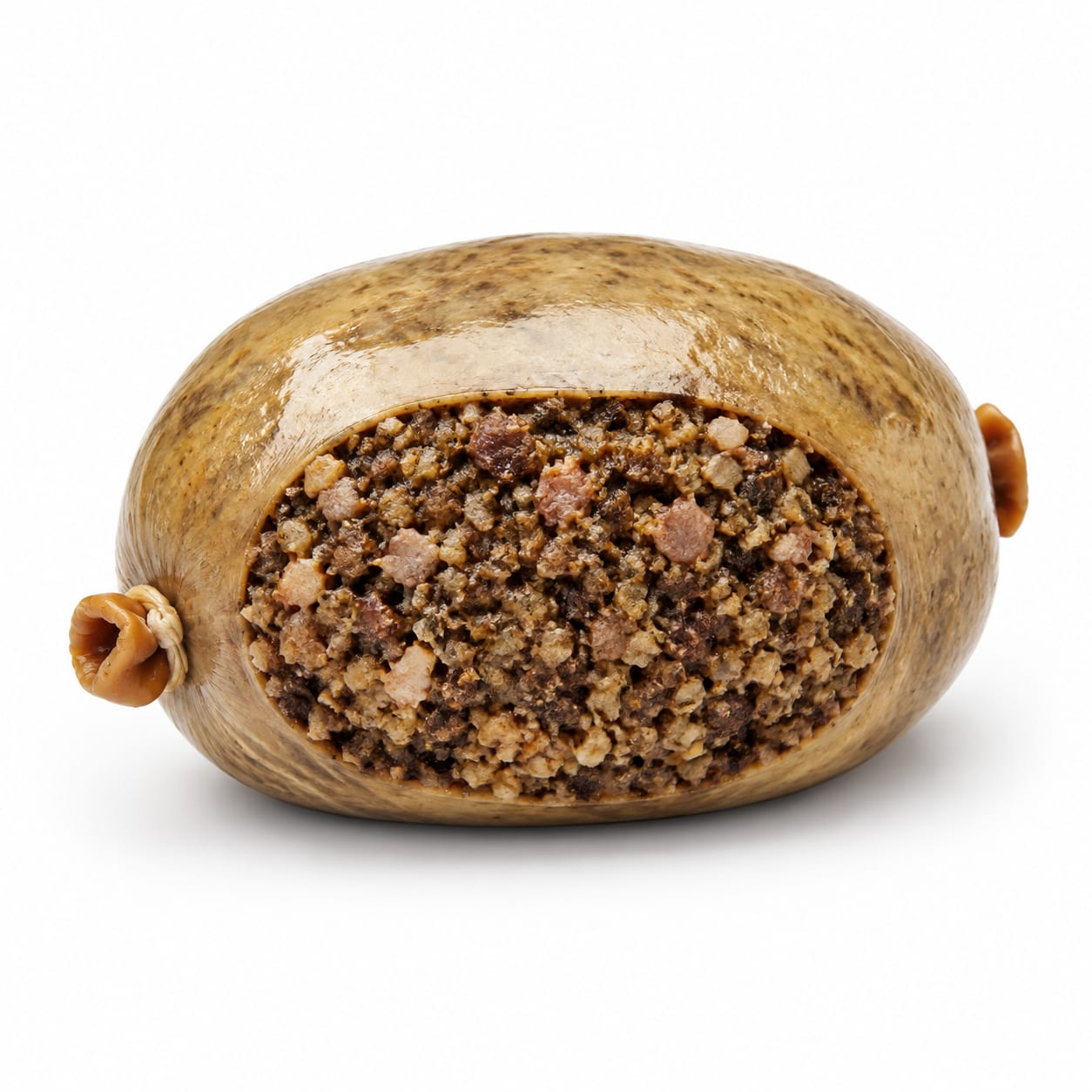
Haggis
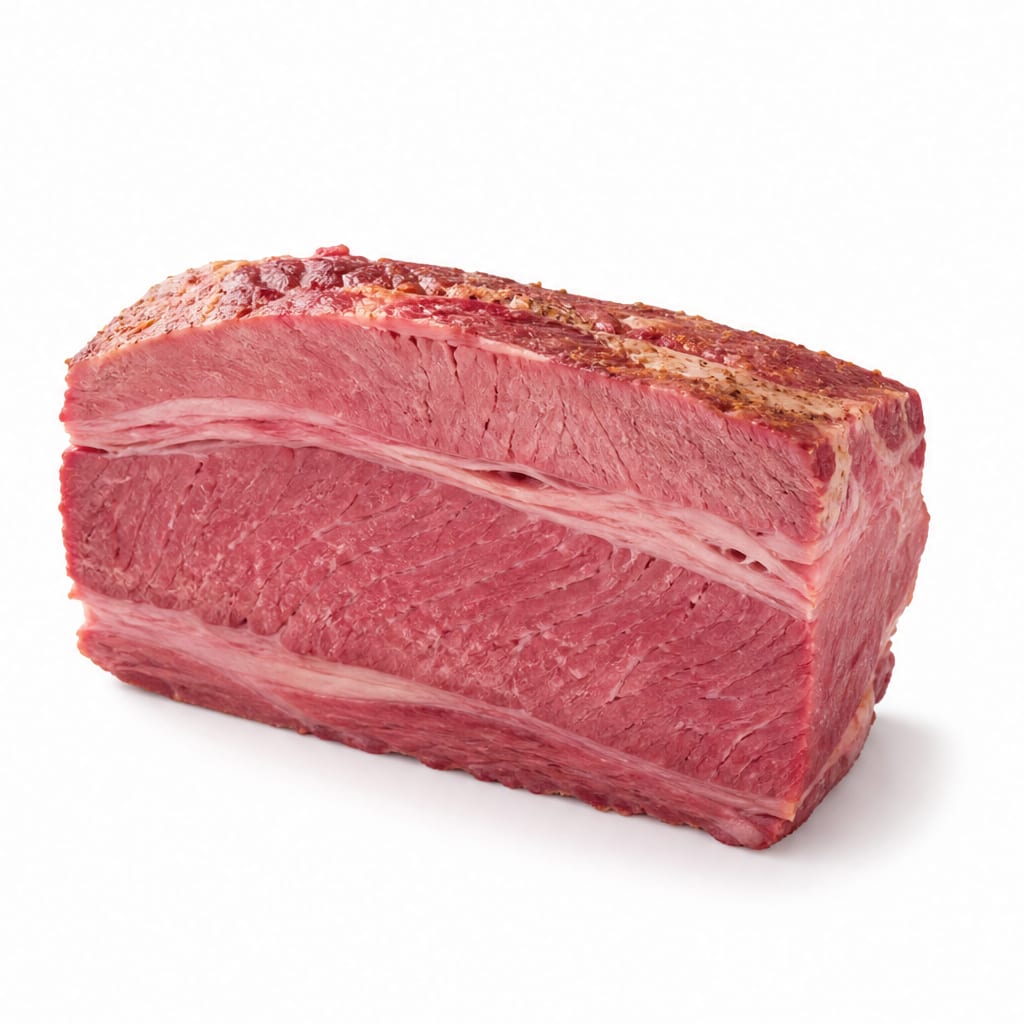
Corned Beef
Haggis edges out corned beef due to its surprising nutrient density and fiber content, though both are salt-heavy indulgences.
Haggis scores higher because its organ meats and oatmeal deliver vitamins and fiber that corned beef lacks, though neither is a health food.
You trade the familiar convenience of corned beef for the superior vitamin and fiber profile of haggis, while accepting similar sodium loads either way.
At a glance
Executive summary
Overall
Haggis
Healthier
Haggis
More practical
Corned Beef
Daily use
It depends
Key comparison lenses
Sodium and blood pressure impact
Both foods are heavily salted during preparation, making sodium the primary shared health concern
Nutrient density versus processing risk
Haggis offers organ meat nutrients and fiber, while corned beef carries processed meat carcinogenic concerns
Digestive tolerance and satiety
Haggis contains oatmeal which changes the fiber and fullness profile compared to pure meat
Best choice for
Haggis
- Iron and B12 deficiency support
- Those seeking high satiety from a single dish
- Stabilizing blood sugar due to oat fiber content
Corned Beef
- Quick sandwich prep or deli meals
- Those avoiding organ meats or offal
- High-protein zero-carb diets
Least suitable for
Haggis
- Gout sufferers due to high purine organ meats
- Those sensitive to rich, heavy meals
- Diners watching cholesterol strictly
Corned Beef
- Hypertension patients due to extreme sodium
- Those avoiding nitrates and nitrites
- People at high risk for colorectal cancer
Deep comparison
Dimension by dimension
Each lens scores both foods and breaks down who each option suits.
- Dimension 1 · Priority 90Haggis
Nutrient Density
Haggis · 82Corned Beef · 45Haggis is a nutritional powerhouse compared to corned beef, packing liver and heart which are rich in B12, iron, and folate.
Tradeoff
You get vastly more micronutrients from haggis, but you have to be comfortable eating organ meats to get them.
Why it matters
Organ meats are nature's multivitamin, offering nutrients that muscle meat alone simply cannot match.
Real-world impact
Eating haggis occasionally can help keep energy levels and iron stores up, whereas corned beef mostly just offers protein and fat.
Haggis
- Preventing anemia
- Boosting energy metabolism
- Getting diverse micronutrients in one meal
Better for
- Risk of excessive cholesterol intake for susceptible individuals
Worse for
Corned Beef
- Simpler digestion for sensitive stomachs
- Avoiding vitamin A toxicity from excessive organ meat consumption
Better for
- Missing out on essential B-vitamins found in organ meats
Worse for
- Dimension 2 · Priority 88It depends
Sodium Load
Haggis · 35Corned Beef · 25Both are salt bombs, but corned beef is cured in a heavy brine, often pushing its sodium content even higher than the seasoned haggis.
Tradeoff
Corned beef might taste milder, but its salt content is deceptively high, while haggis wears its heavy seasoning on its sleeve.
Why it matters
High sodium intake directly impacts blood pressure and bloating, making both foods tough choices for heart health.
Real-world impact
After eating either, you will likely feel thirsty and bloated; corned beef has a slightly higher chance of triggering a blood pressure spike.
Haggis
- Slightly lower sodium per serving depending on recipe
Better for
- Salt is mixed throughout the dish, making it impossible to remove
Worse for
Corned Beef
- Easier to rinse or boil to reduce surface salt before eating
Better for
- Brine curing penetrates deep into the meat, ensuring extremely high sodium density
Worse for
- Dimension 3 · Priority 75Haggis
Fiber and Digestion
Haggis · 65Corned Beef · 10Haggis contains oatmeal and onions, providing a surprising fiber boost, while corned beef is completely fiber-free.
Tradeoff
Haggis supports better digestion and steadier blood sugar, whereas corned beef can sit heavy and slow down digestion.
Why it matters
Fiber slows sugar absorption and feeds gut bacteria, making a heavy meat dish surprisingly gentler on your system.
Real-world impact
A haggis meal keeps you full longer without the sluggish crash that often follows a plate of pure corned beef.
Haggis
- Steadier post-meal energy
- Better gut motility
- Reduced risk of constipation from a heavy meat meal
Better for
- May cause bloating if you are not used to high-fat and high-fiber combinations
Worse for
Corned Beef
- Strict keto compliance with zero carbs
Better for
- Can cause digestive sluggishness due to zero fiber content
Worse for
- Dimension 4 · Priority 85Haggis
Processing and Carcinogenic Risk
Haggis · 55Corned Beef · 30Corned beef is a cured meat containing nitrates, linking it to increased cancer risk, whereas haggis is traditionally a fresh mix of cooked ingredients.
Tradeoff
Corned beef offers a longer shelf life and familiar taste, but carries the established health risks of processed meats.
Why it matters
Regular consumption of nitrate-cured meats is strongly linked to colorectal cancer, a risk not shared by freshly cooked offal mixes.
Real-world impact
Choosing haggis over corned beef for your occasional meat indulgence reduces your exposure to harmful curing chemicals.
Haggis
- Fewer artificial preservatives
- Lower long-term cancer risk
Better for
- Shorter shelf life and requires careful cooking
Worse for
Corned Beef
- Longer storage life without spoilage
Better for
- Contains nitrates and nitrites linked to cancer
Worse for
Timeline
Health impact over time
Short-term
Hours to days
Haggis
- High satiety and sustained energy from the fat and oat blend
- Potential thirst and bloating from high sodium
- Warming, comforting feeling from rich spices
Corned Beef
- Quick protein satisfaction
- Noticeable thirst and water retention from the brine
- Heavy feeling in the stomach due to lack of fiber
Long-term
Months to years
Haggis
- Excellent B12 and iron status if eaten periodically
- Potential gout flare-ups from high purine organ meats
- Cardiovascular strain if consumed too frequently due to saturated fat
Corned Beef
- Increased risk of colorectal cancer from regular processed meat intake
- High blood pressure risk from chronic sodium overload
- Potential for weight gain if paired with high-calorie sides
Risk profile
Safety & processing
While both are processed, haggis is essentially cooked and mixed whole ingredients, whereas corned beef is chemically cured with nitrates to preserve it.
Haggis
Gout attacks
highOrgan meats like liver and lungs are extremely high in purines, which convert to uric acid and trigger joint pain in susceptible people.
Vitamin A toxicity
mediumThe liver in haggis contains high levels of preformed vitamin A, which can be harmful in excessive amounts, especially for pregnant women.
Corned Beef
Nitrate exposure
highCured with sodium nitrates which can form nitrosamines, compounds strongly linked to an increased risk of cancer.
Extreme sodium intake
highA single serving can contain nearly half the daily limit of sodium, posing an immediate risk to blood pressure.
Who wins for whom
Audience fit
Same foods, different winners depending on your goal.
children
Corned BeefCorned beef is milder in flavor and more familiar in texture, making it an easier sell to picky eaters than spiced organ meats.
daily consumption
It dependsNeither should be eaten daily due to high sodium and fat, but if forced, small portions of haggis offer better daily nutritional value.
diabetes
HaggisThe oats in haggis slow down the absorption of the meal, preventing the blood sugar spikes that pure meat and fat can sometimes cause.
elderly
HaggisThe high B12 and iron from organ meats are crucial for older adults who often struggle to absorb these nutrients, provided their hearts can handle the sodium.
muscle gain
Corned BeefCorned beef provides a denser, more straightforward hit of protein without the filling fiber, making it easier to consume in bulk for muscle building.
weight loss
HaggisThe oatmeal in haggis provides fiber that increases fullness, making it easier to eat a smaller portion and feel satisfied.
Your move
Decision guide
Choose Haggis
- You want maximum nutrients like iron and B12 in a single meal
- Fiber and digestive steadiness are important to you
- You want to avoid nitrate-cured meats
Choose Corned Beef
- You are meal prepping sandwiches for the week
- You dislike the taste or concept of organ meats
- You need a zero-carb protein source
Either works if
- You are simply craving a heavy, comforting, traditional meat dish
- You have high blood pressure and need to strictly limit sodium
Avoid both if
- You are on a strict low-sodium diet for heart failure or hypertension
- You suffer from severe gout
Final recommendation
If you are choosing between these two traditional salt-heavy dishes, haggis offers a surprisingly superior nutritional profile thanks to its organ meats and oat fiber. Choose corned beef only if organ meats are a dealbreaker or you need a quick deli option, but keep portions small to manage the sodium and nitrate load.
Practical
Consumer tips
- 1
Boil corned beef before finishing it in the oven to draw out some of the excess surface salt from the brine.
- 2
Pair either dish with a large side of steamed cabbage or leafy greens; the potassium helps balance the heavy sodium load.
- 3
If trying haggis, look for artisanal versions with higher oat and lower suet ratios for a slightly lighter meal.
- 4
Drink plenty of water before and after eating these foods to combat dehydration from the high salt content.